
Machine Learning Algorithms for Dental Diagnosis
Machine Learning Algorithms for Dental Diagnosis
Machine Learning Algorithms for Dental Diagnosis
Machine learning has revolutionized many industries, including healthcare. In the field of dentistry, machine learning algorithms are being used to assist in the diagnosis and treatment of various dental conditions. These algorithms can analyze large amounts of data to identify patterns and make predictions, helping dentists provide more accurate and personalized care to their patients.
Key Terms and Vocabulary
1. Machine Learning: Machine learning is a subset of artificial intelligence that focuses on developing algorithms that can learn from and make predictions or decisions based on data. In the context of dental diagnosis, machine learning algorithms can analyze patient data to assist in the early detection of dental issues.
2. Algorithm: An algorithm is a set of instructions or rules that a computer program follows to solve a problem or perform a task. Machine learning algorithms are designed to learn from data and improve their performance over time.
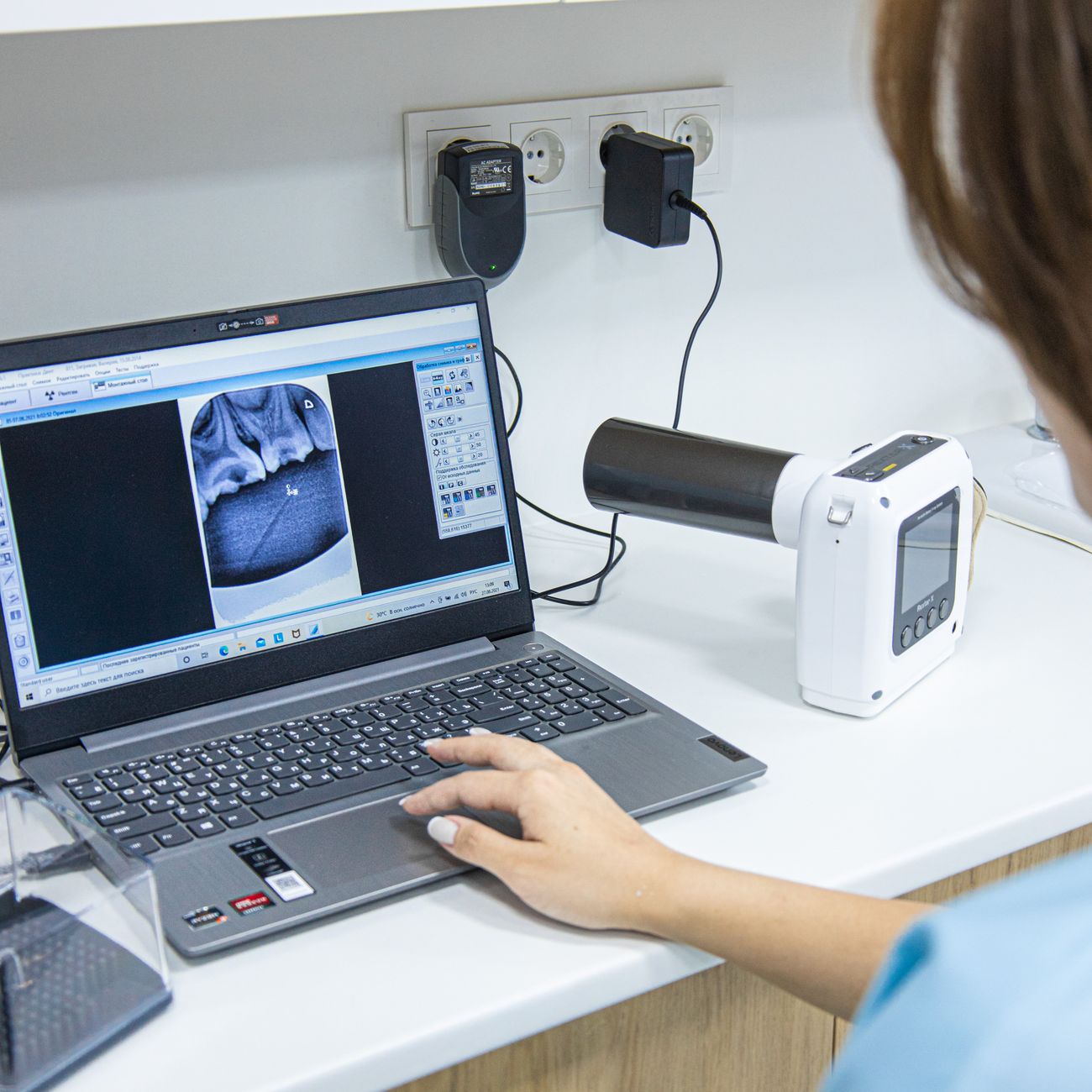
3. Dental Diagnosis: Dental diagnosis involves identifying and treating dental conditions or diseases. Machine learning algorithms can help dentists analyze patient data, such as X-rays or patient history, to make accurate diagnoses.
4. Feature: In machine learning, a feature is an individual measurable property or characteristic of a phenomenon being observed. In dental diagnosis, features could include tooth decay, gum disease, or other oral health indicators.
5. Training Data: Training data is a set of labeled examples used to train a machine learning algorithm. In the context of dental diagnosis, training data could include X-ray images with annotations indicating the presence of specific dental conditions.
6. Supervised Learning: Supervised learning is a type of machine learning where the algorithm is trained on labeled data, meaning the input data is paired with the correct output. This allows the algorithm to learn the relationship between the input and output data.
7. Unsupervised Learning: Unsupervised learning is a type of machine learning where the algorithm is trained on unlabeled data. The algorithm must find patterns and relationships in the data without explicit guidance.
8. Deep Learning: Deep learning is a subset of machine learning that uses neural networks with multiple layers to model complex patterns in data. Deep learning algorithms are particularly effective for tasks such as image recognition and natural language processing.
9. Convolutional Neural Network (CNN): A convolutional neural network is a type of deep learning algorithm commonly used for image processing tasks. CNNs are well-suited for analyzing medical images, such as X-rays or dental scans, to assist in diagnosis.
10. Recurrent Neural Network (RNN): A recurrent neural network is a type of neural network designed to handle sequential data, such as time series or text data. RNNs are useful for tasks where the order of the data is important, such as analyzing patient histories for dental diagnosis.
11. Feature Extraction: Feature extraction is the process of selecting and transforming raw data into a format that is suitable for input into a machine learning algorithm. In dental diagnosis, feature extraction could involve extracting relevant information from X-ray images or patient records.
12. Model Evaluation: Model evaluation is the process of assessing the performance of a machine learning algorithm on unseen data. Common metrics for evaluating machine learning models include accuracy, precision, recall, and F1 score.
13. Overfitting: Overfitting occurs when a machine learning model learns the details and noise in the training data to the extent that it negatively impacts its performance on new, unseen data. Overfitting can lead to poor generalization and inaccurate predictions.
14. Underfitting: Underfitting occurs when a machine learning model is too simple to capture the underlying patterns in the data. An underfit model may have high bias and low variance, leading to inaccurate predictions.
15. Hyperparameter: Hyperparameters are parameters that are set before training a machine learning model and control aspects of the learning process. Examples of hyperparameters include the learning rate, number of layers in a neural network, and regularization strength.
16. Transfer Learning: Transfer learning is a machine learning technique where a model trained on one task is reused or adapted for another task. In dental diagnosis, transfer learning could involve using a pre-trained model on general medical images for analyzing dental X-rays.
17. Data Augmentation: Data augmentation is a technique used to artificially increase the size of a training dataset by applying transformations to existing data. In dental diagnosis, data augmentation could involve flipping or rotating X-ray images to improve the robustness of a model.
18. Class Imbalance: Class imbalance occurs when one class in a classification problem has significantly fewer examples than the other classes. Class imbalance can lead to biased models that favor the majority class and perform poorly on the minority class.
19. Interpretable Models: Interpretable models are machine learning models that provide explanations or insights into how they make predictions. In healthcare, interpretable models are important for understanding the reasoning behind a diagnosis or treatment recommendation.
20. Model Deployment: Model deployment is the process of integrating a trained machine learning model into a production environment where it can make real-time predictions. In dental diagnosis, deploying a model could involve integrating it into a dental clinic's workflow for assisting dentists in making diagnoses.
Practical Applications
Machine learning algorithms have a wide range of practical applications in dental diagnosis and personalized dental care. Some of the key applications include:
1. Automated Dental Diagnosis: Machine learning algorithms can analyze patient data, such as X-ray images and patient history, to assist dentists in the early detection and diagnosis of dental conditions.
2. Personalized Treatment Planning: By analyzing patient data, machine learning algorithms can help dentists develop personalized treatment plans tailored to each patient's unique needs and preferences.
3. Image Analysis: Machine learning algorithms, such as convolutional neural networks, can analyze dental images to detect abnormalities, such as cavities or gum disease, that may be difficult for human dentists to identify.
4. Predictive Analytics: Machine learning algorithms can predict the likelihood of future dental issues based on a patient's current oral health status and other risk factors, enabling early intervention and preventive care.
5. Patient Monitoring: Machine learning algorithms can monitor patients' oral health over time, alerting dentists to any changes or abnormalities that may require attention.
6. Telemedicine: Machine learning algorithms can enable remote diagnosis and treatment planning, allowing patients to receive dental care from anywhere with access to a connected device.
Challenges
While machine learning algorithms hold great promise for improving dental diagnosis and personalized dental care, there are also several challenges that must be addressed:
1. Data Quality: The performance of machine learning algorithms depends on the quality of the data used for training. Ensuring that the data is accurate, reliable, and representative of the target population is essential for producing reliable results.
2. Interpretability: Some machine learning algorithms, particularly deep learning models, can be black boxes, meaning it is challenging to interpret how they arrive at their predictions. Ensuring the interpretability of models is crucial for gaining trust from healthcare providers and patients.
3. Privacy and Security: Healthcare data, including patient records and medical images, are highly sensitive and must be handled with strict privacy and security measures in place to protect patient confidentiality.
4. Regulatory Compliance: Healthcare is a heavily regulated industry, and machine learning algorithms used for dental diagnosis must comply with regulations such as HIPAA to ensure patient data is handled appropriately.
5. Bias and Fairness: Machine learning algorithms can inadvertently perpetuate biases present in the training data, leading to unfair or discriminatory outcomes. Ensuring that algorithms are fair and unbiased is essential for providing equitable care to all patients.
6. Integration with Clinical Workflow: Integrating machine learning algorithms into a clinical workflow can be challenging, as they must seamlessly fit into existing processes and be easy for healthcare providers to use.
7. Continuous Learning: Healthcare data is constantly evolving, and machine learning algorithms must be able to adapt and learn from new data to maintain their accuracy and relevance over time.
Machine learning algorithms have the potential to revolutionize dental diagnosis and personalized dental care, enabling dentists to provide more accurate and tailored treatment to their patients. By understanding key terms and concepts related to machine learning algorithms in dental diagnosis, healthcare professionals can leverage these tools to improve patient outcomes and enhance the quality of dental care.
Key takeaways
- These algorithms can analyze large amounts of data to identify patterns and make predictions, helping dentists provide more accurate and personalized care to their patients.
- Machine Learning: Machine learning is a subset of artificial intelligence that focuses on developing algorithms that can learn from and make predictions or decisions based on data.
- Algorithm: An algorithm is a set of instructions or rules that a computer program follows to solve a problem or perform a task.
- Machine learning algorithms can help dentists analyze patient data, such as X-rays or patient history, to make accurate diagnoses.
- Feature: In machine learning, a feature is an individual measurable property or characteristic of a phenomenon being observed.
- In the context of dental diagnosis, training data could include X-ray images with annotations indicating the presence of specific dental conditions.
- Supervised Learning: Supervised learning is a type of machine learning where the algorithm is trained on labeled data, meaning the input data is paired with the correct output.