
Data Collection and Analysis in Personalized Dental Care
Data Collection and Analysis in Personalized Dental Care
Data Collection and Analysis in Personalized Dental Care
Data collection and analysis play a crucial role in personalized dental care, allowing healthcare providers to understand patients' needs better and tailor treatment plans to individual requirements. In the context of artificial intelligence (AI) in personalized dental care, data collection and analysis are essential components that drive innovation and improve patient outcomes. This course aims to provide a comprehensive understanding of key terms and vocabulary related to data collection and analysis in personalized dental care, focusing on how AI technologies can enhance the quality of dental services.
Data Collection:
Data collection refers to the process of gathering information from various sources to gain insights and make informed decisions. In personalized dental care, data collection involves capturing patient-related information such as medical history, treatment preferences, diagnostic images, and other relevant data points. This data is collected through different channels, including electronic health records (EHRs), patient surveys, clinical examinations, and digital imaging technologies.
Key Terms:
1. Electronic Health Records (EHRs): EHRs are digital versions of patients' paper charts that contain comprehensive information about their medical history, treatments, allergies, medications, and laboratory results. EHRs enable healthcare providers to access, store, and share patient data securely, facilitating better coordination of care and improved patient outcomes.
2. Patient Surveys: Patient surveys are tools used to collect feedback from individuals about their healthcare experiences, satisfaction levels, and preferences. These surveys help healthcare providers understand patients' needs, preferences, and concerns, allowing them to tailor treatment plans and improve the quality of care.
3. Clinical Examinations: Clinical examinations involve physical assessments, oral health screenings, and diagnostic tests performed by dental professionals to evaluate patients' oral health conditions and identify potential issues. These examinations provide valuable insights that inform treatment decisions and personalized care plans.
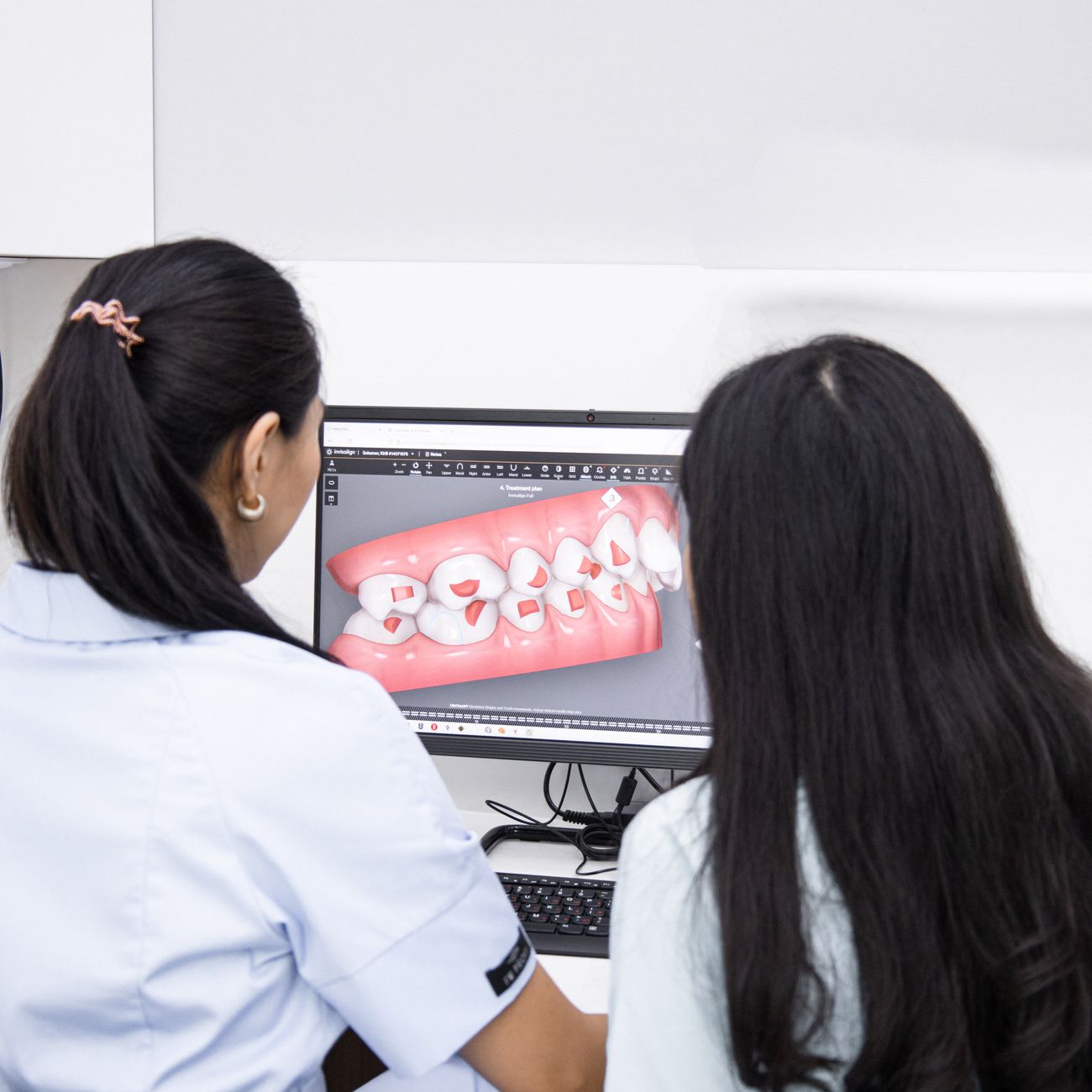
4. Digital Imaging Technologies: Digital imaging technologies, such as X-rays, intraoral cameras, and 3D scanners, capture high-quality images of patients' teeth, gums, and oral structures. These images help dental professionals visualize dental problems, plan treatments, and monitor patients' progress over time, enhancing the accuracy and efficiency of personalized dental care.
Practical Applications:
Data collection in personalized dental care has several practical applications that benefit both patients and healthcare providers. By leveraging AI technologies and advanced data analytics tools, dental practices can:
1. Improve Diagnosis and Treatment Planning: By analyzing large datasets of patient information, including medical histories, imaging studies, and treatment outcomes, AI algorithms can assist dental professionals in diagnosing oral health conditions accurately and developing personalized treatment plans based on individual needs and preferences.
2. Enhance Patient Engagement: Data collection tools, such as patient portals and mobile apps, enable patients to access their health information, communicate with their providers, and actively participate in their care. This increased engagement empowers patients to make informed decisions about their oral health and overall well-being.
3. Preventive Care and Risk Assessment: By analyzing trends and patterns in patient data, AI systems can predict potential oral health risks, identify early signs of dental problems, and recommend preventive measures to minimize the risk of complications. This proactive approach to care helps patients maintain optimal oral health and prevent future issues.
Challenges:
Despite the benefits of data collection and analysis in personalized dental care, several challenges must be addressed to ensure the successful implementation of AI technologies:
1. Data Privacy and Security: Protecting patients' sensitive health information from data breaches, cyberattacks, and unauthorized access is crucial to maintaining trust and compliance with privacy regulations, such as the Health Insurance Portability and Accountability Act (HIPAA). Dental practices must implement robust security measures to safeguard patient data and prevent potential risks.
2. Data Quality and Integrity: Ensuring the accuracy, completeness, and reliability of patient data is essential for making informed clinical decisions and delivering high-quality care. Dental professionals must validate and verify data sources, eliminate errors and inconsistencies, and maintain data integrity throughout the collection and analysis process.
3. Ethical and Legal Considerations: Ethical dilemmas, such as bias in AI algorithms, patient consent for data sharing, and transparency in data use, pose ethical and legal challenges that require careful consideration and compliance with ethical guidelines and regulatory requirements. Dental practices must prioritize ethical principles, such as fairness, transparency, and accountability, when utilizing AI technologies for personalized care.
In conclusion, data collection and analysis are fundamental aspects of personalized dental care that enable healthcare providers to deliver tailored treatments and improve patient outcomes. By leveraging AI technologies, dental practices can harness the power of data to enhance diagnosis, treatment planning, patient engagement, and preventive care. While challenges exist in data privacy, quality, and ethical considerations, addressing these issues can lead to advancements in personalized dental care and the adoption of innovative solutions that benefit both patients and providers.
Key takeaways
- This course aims to provide a comprehensive understanding of key terms and vocabulary related to data collection and analysis in personalized dental care, focusing on how AI technologies can enhance the quality of dental services.
- In personalized dental care, data collection involves capturing patient-related information such as medical history, treatment preferences, diagnostic images, and other relevant data points.
- Electronic Health Records (EHRs): EHRs are digital versions of patients' paper charts that contain comprehensive information about their medical history, treatments, allergies, medications, and laboratory results.
- These surveys help healthcare providers understand patients' needs, preferences, and concerns, allowing them to tailor treatment plans and improve the quality of care.
- Clinical Examinations: Clinical examinations involve physical assessments, oral health screenings, and diagnostic tests performed by dental professionals to evaluate patients' oral health conditions and identify potential issues.
- These images help dental professionals visualize dental problems, plan treatments, and monitor patients' progress over time, enhancing the accuracy and efficiency of personalized dental care.
- Data collection in personalized dental care has several practical applications that benefit both patients and healthcare providers.