
Wardrobe Planning and Organization
Wardrobe Planning and Organization are essential skills in the field of Personal Styling and Shopping. These terms refer to the process of carefully selecting, arranging, and maintaining clothing and accessories to create a functional and s…
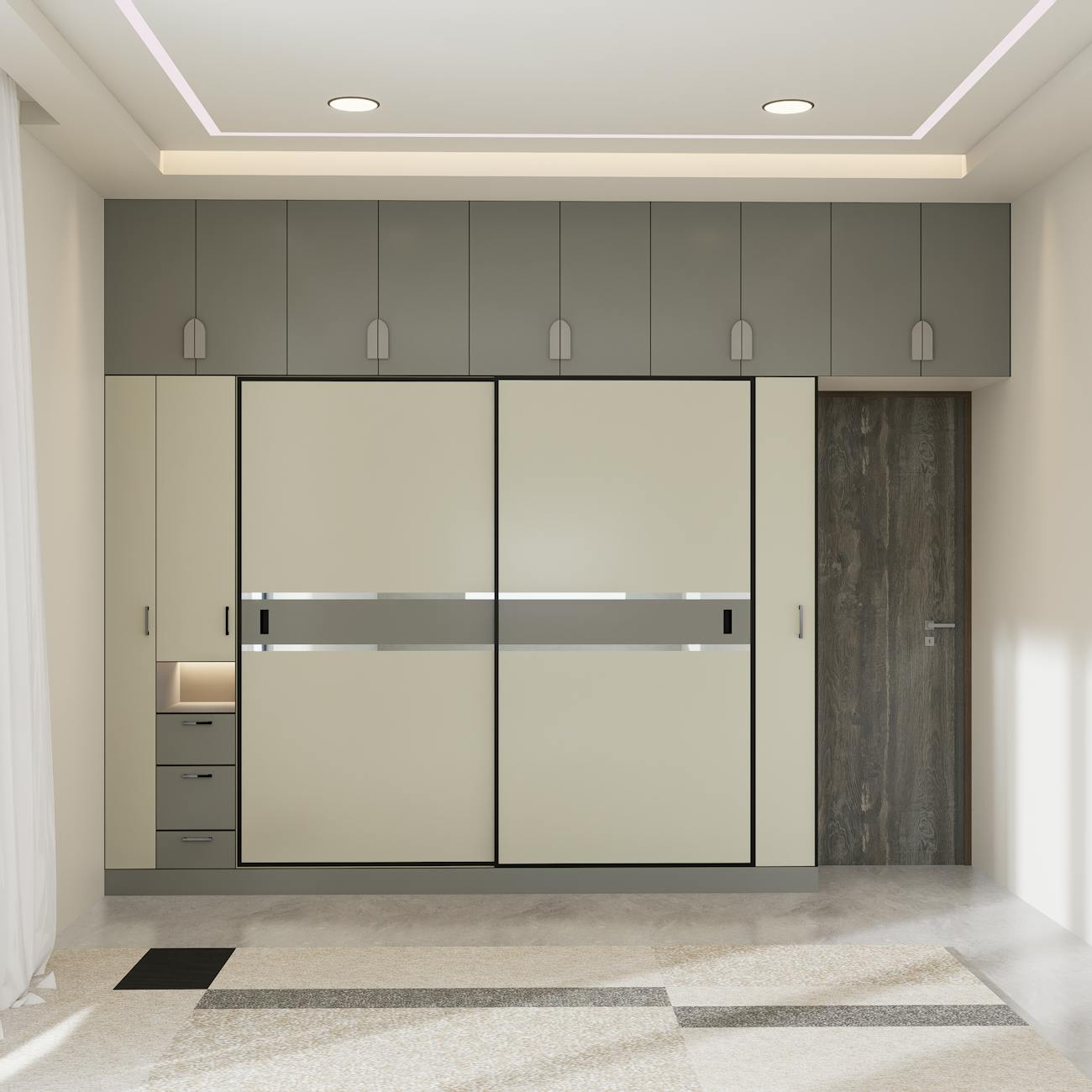
Wardrobe Planning and Organization are essential skills in the field of Personal Styling and Shopping. These terms refer to the process of carefully selecting, arranging, and maintaining clothing and accessories to create a functional and stylish wardrobe that suits an individual's lifestyle, body shape, and personal preferences. Effective wardrobe planning and organization involve analyzing current wardrobe contents, identifying gaps or redundancies, and strategically adding or removing items to build a versatile and cohesive collection.
Key Terms:
1. **Capsule Wardrobe**: A small, curated collection of essential clothing items that can be mixed and matched to create a variety of outfits. Capsule wardrobes typically consist of timeless pieces in neutral colors that can be worn season after season.
2. **Color Analysis**: The process of determining which colors best complement an individual's skin tone, hair color, and eye color. Understanding color analysis is crucial for selecting clothing and accessories that enhance a person's natural features.
3. **Body Shape**: Refers to the overall silhouette of an individual's body, including the proportions of their shoulders, waist, and hips. Different body shapes (such as pear, hourglass, or apple) require different styles of clothing to flatter and balance proportions.
4. **Style Personality**: Describes an individual's unique fashion preferences and aesthetic. Style personalities can range from classic and timeless to bold and eclectic, and understanding one's style personality is key to creating a wardrobe that feels authentic and reflects personal taste.
5. **Mix-and-Match**: The practice of combining different pieces of clothing to create new outfits. A well-organized wardrobe should contain versatile items that can be easily mixed and matched to maximize wearability.
6. **Statement Piece**: A bold or eye-catching item of clothing or accessory that serves as the focal point of an outfit. Statement pieces can add interest and personality to an otherwise simple ensemble.
7. **Closet Audit**: The process of assessing and inventorying the contents of a wardrobe. A closet audit involves decluttering, organizing, and evaluating each item to determine its relevance, condition, and fit.
8. **Seasonal Rotation**: The practice of storing off-season clothing to make room for current-season items. Seasonal rotation helps maintain an organized and clutter-free wardrobe while ensuring that appropriate clothing is easily accessible.
9. **Accessory Coordination**: The art of selecting and styling accessories such as jewelry, scarves, belts, and handbags to complement an outfit. Accessories can elevate a look and add personality, texture, and interest.
10. **Cost-Per-Wear**: A metric used to evaluate the value of a clothing item based on how often it is worn. Calculating cost-per-wear helps prioritize quality over quantity and make informed purchasing decisions.
11. **Tailoring**: The process of altering clothing to achieve a better fit. Tailoring is essential for ensuring that garments flatter an individual's body shape and proportions, regardless of off-the-rack sizing.
12. **Versatility**: The ability of a clothing item to be worn in multiple ways and paired with different pieces. Versatile pieces are essential for creating a functional and adaptable wardrobe that can transition between various occasions and settings.
13. **Uniform Dressing**: A minimalist approach to dressing that involves wearing a consistent or signature style. Uniform dressing simplifies wardrobe decisions and creates a cohesive personal aesthetic.
14. **Wardrobe Essentials**: Basic, foundational pieces that form the core of a wardrobe. Wardrobe essentials typically include items like white shirts, tailored trousers, blazers, and little black dresses that can be styled in multiple ways.
15. **Styling Principles**: Guidelines and techniques for creating well-balanced, harmonious, and visually appealing outfits. Styling principles include concepts such as proportion, balance, color harmony, and texture mixing.
16. **Personal Branding**: The process of using clothing and style choices to communicate one's personal values, personality, and identity. Personal branding through wardrobe choices can create a strong, cohesive image that reflects one's authentic self.
17. **Fashion Trends**: Current styles, colors, silhouettes, and patterns that are popular in the fashion industry. Understanding fashion trends can help individuals stay current and incorporate fresh elements into their wardrobe.
18. **Quality vs. Quantity**: The debate between investing in a few high-quality, timeless pieces versus purchasing a larger quantity of lower-quality, trend-driven items. Finding the right balance between quality and quantity is essential for building a sustainable and stylish wardrobe.
19. **Clothing Care**: Practices and techniques for preserving the quality and longevity of clothing items. Proper clothing care includes washing, drying, storing, and repairing garments to ensure they remain in excellent condition.
20. **Personal Shopping**: The process of assisting individuals in selecting clothing and accessories that suit their style, body shape, and lifestyle. Personal shopping services can help clients build a wardrobe that meets their needs and preferences.
Practical Applications:
1. Conducting a Closet Audit: To begin the wardrobe planning process, individuals can assess their current wardrobe by decluttering, organizing, and evaluating each item. This involves sorting clothing into categories (e.g., tops, bottoms, dresses) and identifying pieces that no longer fit, are damaged, or are rarely worn.
2. Creating a Capsule Wardrobe: Building a capsule wardrobe involves selecting a limited number of versatile, high-quality pieces that can be mixed and matched to create a variety of outfits. Individuals can start by identifying their core essentials (e.g., a white shirt, black trousers, denim jeans) and adding statement pieces or seasonal accents for interest.
3. Developing a Personal Style Profile: Understanding one's style personality, body shape, and color analysis results can help individuals define their personal style preferences and create a cohesive wardrobe that reflects their identity. This profile can serve as a guide for making informed fashion choices and building a wardrobe that feels authentic.
4. Applying Styling Principles: When putting together outfits, individuals can apply styling principles such as proportion, balance, and color harmony to create cohesive and visually appealing looks. For example, pairing a fitted top with wide-leg trousers can create a balanced silhouette for an hourglass body shape.
5. Incorporating Trends Sparingly: While it's essential to stay current with fashion trends, individuals should incorporate trend-driven pieces sparingly to avoid a wardrobe that feels dated or transient. Mixing trendy items with classic staples can add a fresh, modern twist to a timeless wardrobe.
Challenges:
1. Overcoming Emotional Attachment: Letting go of clothing items that hold sentimental value or memories can be challenging during a closet audit. Individuals may struggle to part with garments that no longer fit or suit their style, leading to a cluttered and unwearable wardrobe.
2. Impulse Buying: The temptation to purchase clothing on a whim without considering its fit, quality, or versatility can result in a wardrobe filled with items that are rarely worn or do not align with one's personal style. Overcoming impulse buying requires discipline and a thoughtful approach to shopping.
3. Maintaining Consistency: Building a cohesive wardrobe that reflects one's personal style and meets their lifestyle needs requires consistency in decision-making and purchasing habits. Individuals may struggle to stay focused on their style goals and end up with a disjointed or mismatched wardrobe.
4. Budget Constraints: Creating a well-rounded wardrobe with high-quality pieces can be costly, especially for individuals on a tight budget. Balancing the desire for quality items with financial constraints requires strategic planning, prioritization, and occasionally compromising on certain items.
5. Adapting to Lifestyle Changes: Life events such as career transitions, weight fluctuations, or style evolutions can impact wardrobe needs and preferences. Adapting to lifestyle changes requires reassessing current wardrobe contents, identifying gaps, and making strategic additions or alterations to accommodate new circumstances.
In conclusion, Wardrobe Planning and Organization are fundamental aspects of Personal Styling and Shopping that involve thoughtful analysis, strategic decision-making, and creative styling. By understanding key terms such as capsule wardrobe, body shape, style personality, and cost-per-wear, individuals can build a functional, versatile, and stylish wardrobe that reflects their identity and meets their lifestyle needs. Practical applications like conducting a closet audit, creating a capsule wardrobe, and applying styling principles can help individuals overcome challenges such as emotional attachment, impulse buying, and budget constraints to achieve a wardrobe that is cohesive, sustainable, and reflective of their personal brand.
Key takeaways
- These terms refer to the process of carefully selecting, arranging, and maintaining clothing and accessories to create a functional and stylish wardrobe that suits an individual's lifestyle, body shape, and personal preferences.
- **Capsule Wardrobe**: A small, curated collection of essential clothing items that can be mixed and matched to create a variety of outfits.
- **Color Analysis**: The process of determining which colors best complement an individual's skin tone, hair color, and eye color.
- **Body Shape**: Refers to the overall silhouette of an individual's body, including the proportions of their shoulders, waist, and hips.
- Style personalities can range from classic and timeless to bold and eclectic, and understanding one's style personality is key to creating a wardrobe that feels authentic and reflects personal taste.
- A well-organized wardrobe should contain versatile items that can be easily mixed and matched to maximize wearability.
- **Statement Piece**: A bold or eye-catching item of clothing or accessory that serves as the focal point of an outfit.