
Personal Shopping Techniques
Personal shopping techniques are essential skills for anyone looking to excel in the field of personal styling and shopping. These techniques encompass a wide range of strategies and practices that help stylists assist their clients in find…
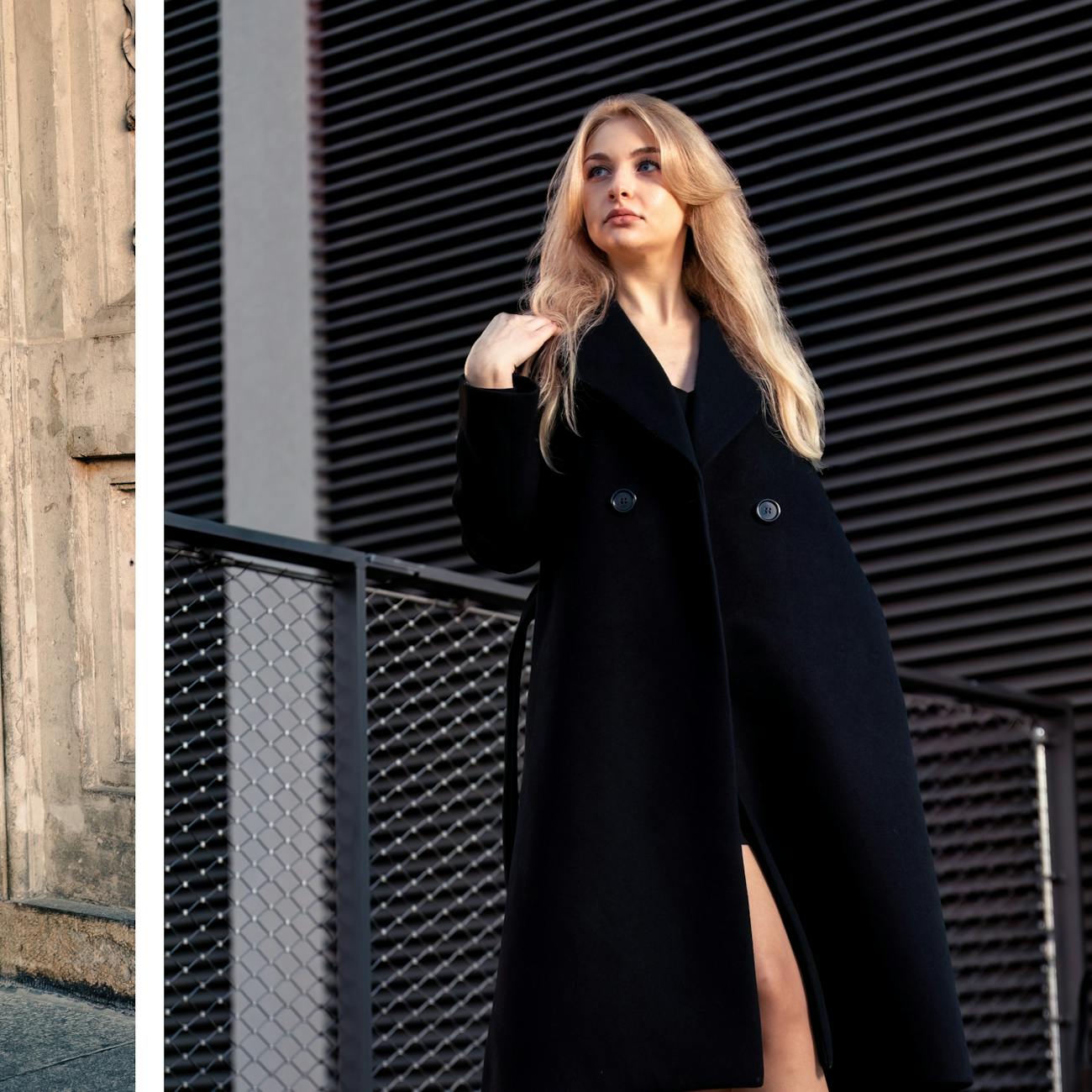
Personal shopping techniques are essential skills for anyone looking to excel in the field of personal styling and shopping. These techniques encompass a wide range of strategies and practices that help stylists assist their clients in finding the perfect clothing, accessories, and overall look that best suits their individual style, body type, and preferences.
Understanding key terms and vocabulary in personal shopping is crucial for effective communication with clients, as well as for navigating the fast-paced world of fashion and retail. By having a solid grasp of these terms, stylists can better serve their clients and provide them with a memorable and personalized shopping experience. Below are some key terms and vocabulary that every aspiring personal stylist should be familiar with:
1. **Body Shape**: Refers to the overall silhouette of a person's body, such as hourglass, pear, apple, rectangle, etc. Understanding a client's body shape is crucial for recommending flattering clothing styles and silhouettes.
2. **Color Theory**: The study of how colors interact with each other. Understanding color theory helps stylists create harmonious and visually appealing outfits for their clients.
3. **Personal Branding**: The process of defining and communicating a client's unique style and image. Personal branding involves selecting clothing and accessories that reflect the client's personality and goals.
4. **Trend Forecasting**: The process of predicting upcoming fashion trends based on market research and analysis. Stylists use trend forecasting to stay ahead of the curve and offer clients the latest styles.
5. **Wardrobe Edit**: The process of reviewing and organizing a client's existing wardrobe. A wardrobe edit helps stylists identify gaps in the client's closet and recommend new pieces to enhance their overall collection.
6. **Styling Techniques**: Refers to the methods and strategies used to create cohesive and stylish outfits. Styling techniques include layering, mixing patterns, accessorizing, and more.
7. **Fit**: Refers to how well a garment conforms to a person's body. Achieving the perfect fit is essential for creating a polished and put-together look.
8. **Personal Shopping Services**: Refers to the range of services offered by personal stylists, including shopping trips, wardrobe consultations, virtual styling, and more.
9. **Fashion Psychology**: The study of how clothing and style impact a person's mood, behavior, and self-perception. Understanding fashion psychology helps stylists create outfits that make clients feel confident and empowered.
10. **Ethical Fashion**: Refers to clothing and accessories that are produced in an environmentally and socially responsible manner. Stylists who prioritize ethical fashion help clients make sustainable and conscious shopping choices.
11. **Client Consultation**: The initial meeting between a stylist and a client to discuss the client's style preferences, goals, budget, and lifestyle. A thorough client consultation is essential for providing personalized styling recommendations.
12. **Capsule Wardrobe**: A collection of essential clothing items that can be mixed and matched to create a variety of outfits. Capsule wardrobes are popular among minimalists and those looking to streamline their closets.
13. **Accessory Styling**: Refers to the art of selecting and pairing accessories, such as jewelry, scarves, hats, and handbags, to complement an outfit. Accessories play a key role in elevating a look and adding personality.
14. **Body Proportions**: Refers to the relative lengths and widths of different parts of a person's body. Understanding body proportions helps stylists recommend clothing styles that create a balanced and flattering silhouette.
15. **Fashion Trends**: Refers to popular styles, colors, patterns, and silhouettes that dominate the fashion industry at a given time. Keeping up with fashion trends is essential for offering clients fresh and relevant styling advice.
16. **Personal Shopping Budget**: The amount of money a client is willing to spend on new clothing and accessories. Stylists must work within the client's budget to recommend affordable yet stylish options.
17. **Client Relationship Management**: The process of building and maintaining strong relationships with clients. Good client relationship management leads to repeat business and referrals.
18. **Fashion Influencers**: Individuals who have a significant following on social media and influence the purchasing decisions of their followers. Fashion influencers can introduce clients to new brands and trends.
19. **Fashion Retailers**: Stores that sell clothing, accessories, and footwear. Stylists should be familiar with a variety of fashion retailers to provide clients with diverse shopping options.
20. **Online Shopping Platforms**: Websites and apps where clients can shop for clothing and accessories online. Stylists can recommend online shopping platforms based on the client's preferences and needs.
21. **Alterations**: The process of making adjustments to a garment to achieve a better fit. Recommending alterations can help stylists ensure that clients' clothing looks tailored and polished.
22. **Sample Sales**: Events where fashion brands sell sample pieces at discounted prices. Stylists can take advantage of sample sales to find unique and high-quality pieces for their clients.
23. **Fashion Showroom**: A space where fashion brands showcase their latest collections to buyers and stylists. Fashion showrooms are a great resource for discovering new designers and trends.
24. **Luxury Brands**: High-end fashion labels known for their quality craftsmanship and exclusive designs. Stylists may work with clients who prefer luxury brands and must be knowledgeable about these labels.
25. **Body Confidence**: Refers to feeling comfortable and confident in one's own skin. Stylists play a crucial role in boosting clients' body confidence by helping them find clothing that makes them look and feel their best.
26. **Client Feedback**: Input and comments from clients regarding styling recommendations and shopping experiences. Stylists should value client feedback to continuously improve their services.
27. **Fashion Industry**: The global network of businesses involved in the design, production, marketing, and selling of clothing and accessories. Stylists should stay informed about the latest developments in the fashion industry.
28. **Event Styling**: Refers to providing styling services for special occasions, such as weddings, parties, red carpet events, and photo shoots. Event styling requires attention to detail and creativity.
29. **Styling Portfolio**: A collection of images showcasing a stylist's work and style aesthetic. A strong styling portfolio helps stylists attract new clients and opportunities.
30. **Fashion Blogging**: Writing and creating content about fashion, style, and trends on a personal blog or social media platform. Fashion blogging can help stylists establish themselves as experts in the industry.
31. **Body Language**: Non-verbal communication through gestures, posture, and facial expressions. Stylists should pay attention to clients' body language to gauge their comfort level and preferences.
32. **Client Confidentiality**: Respecting the privacy and confidentiality of clients' personal information and styling preferences. Stylists should maintain strict confidentiality to build trust with clients.
33. **Fashion Marketing**: The process of promoting fashion brands, products, and services to consumers. Stylists can leverage fashion marketing techniques to attract new clients and expand their business.
34. **Fashion Retail Trends**: The evolving patterns and strategies in the fashion retail industry. Stylists should stay informed about fashion retail trends to provide clients with relevant shopping recommendations.
35. **Fashion Styling Software**: Tools and software programs designed to assist stylists in outfit planning, trend analysis, and client management. Fashion styling software can streamline the styling process and enhance productivity.
36. **Fashion Ethics**: The moral principles and values that guide ethical decision-making in the fashion industry. Stylists should consider fashion ethics when recommending brands and products to clients.
37. **Fashion History**: The study of past fashion trends, designers, and cultural influences on fashion. Understanding fashion history helps stylists appreciate the evolution of style and trends.
38. **Fashion Publications**: Magazines, websites, and blogs that cover fashion news, trends, and editorials. Stylists can stay informed about the latest fashion industry developments by reading fashion publications.
39. **Fashion Events**: Industry events such as fashion weeks, trade shows, and designer showcases. Attending fashion events allows stylists to network with industry professionals and discover new trends.
40. **Fashion Networking**: Building relationships with other fashion professionals, brands, and influencers. Fashion networking can open up opportunities for collaborations and career advancement in the industry.
41. **Fashion Merchandising**: The process of planning and presenting fashion products in retail settings. Stylists can learn from fashion merchandising techniques to create visually appealing outfit displays for clients.
42. **Fashion Designers**: Individuals or brands that create clothing and accessory designs. Stylists should be familiar with a variety of fashion designers to cater to clients with different style preferences.
43. **Fashion Forecasting**: The process of predicting future fashion trends based on consumer behavior and market analysis. Stylists can use fashion forecasting to anticipate upcoming styles and plan client shopping trips accordingly.
44. **Fashion Retail Management**: The operations and strategies involved in running a fashion retail business. Stylists can benefit from understanding fashion retail management to provide clients with informed shopping recommendations.
45. **Fashion Retail Technology**: Innovative technologies and tools used in the fashion retail industry, such as virtual try-on apps, AI-powered styling platforms, and e-commerce solutions. Stylists can leverage fashion retail technology to enhance the shopping experience for clients.
46. **Fashion Retail Merchandising**: The visual presentation and arrangement of fashion products in retail spaces. Stylists can draw inspiration from fashion retail merchandising techniques to create visually appealing outfits for clients.
47. **Fashion Sustainability**: The practice of producing and consuming fashion in an environmentally and socially responsible manner. Stylists can promote fashion sustainability by recommending sustainable and eco-friendly clothing brands to clients.
48. **Fashion Psychology**: The study of how clothing and style influence human behavior, emotions, and self-perception. Stylists can use fashion psychology principles to create outfits that make clients feel confident and empowered.
49. **Fashion Retail Sales**: The process of selling fashion products to consumers through retail channels. Stylists can learn sales techniques to help clients make informed purchasing decisions and maximize their shopping budget.
50. **Fashion Retail Customer Service**: The practices and strategies for providing personalized and attentive service to fashion retail customers. Stylists can enhance the shopping experience for clients by offering exceptional customer service.
By familiarizing themselves with these key terms and vocabulary, personal stylists can enhance their knowledge and skills in the field of personal shopping. These terms provide a foundation for effective communication with clients, as well as a deeper understanding of the fashion industry and retail landscape. As stylists continue to refine their expertise and stay informed about the latest trends and developments in the industry, they can provide clients with exceptional styling services and help them achieve their style goals.
Key takeaways
- These techniques encompass a wide range of strategies and practices that help stylists assist their clients in finding the perfect clothing, accessories, and overall look that best suits their individual style, body type, and preferences.
- Understanding key terms and vocabulary in personal shopping is crucial for effective communication with clients, as well as for navigating the fast-paced world of fashion and retail.
- **Body Shape**: Refers to the overall silhouette of a person's body, such as hourglass, pear, apple, rectangle, etc.
- Understanding color theory helps stylists create harmonious and visually appealing outfits for their clients.
- Personal branding involves selecting clothing and accessories that reflect the client's personality and goals.
- **Trend Forecasting**: The process of predicting upcoming fashion trends based on market research and analysis.
- A wardrobe edit helps stylists identify gaps in the client's closet and recommend new pieces to enhance their overall collection.