
Fashion Trends and Forecasting
Fashion Trends and Forecasting are essential aspects of the fashion industry, influencing designers, retailers, and consumers alike. In the Certificate in Personal Styling and Shopping course, understanding key terms and vocabulary related …
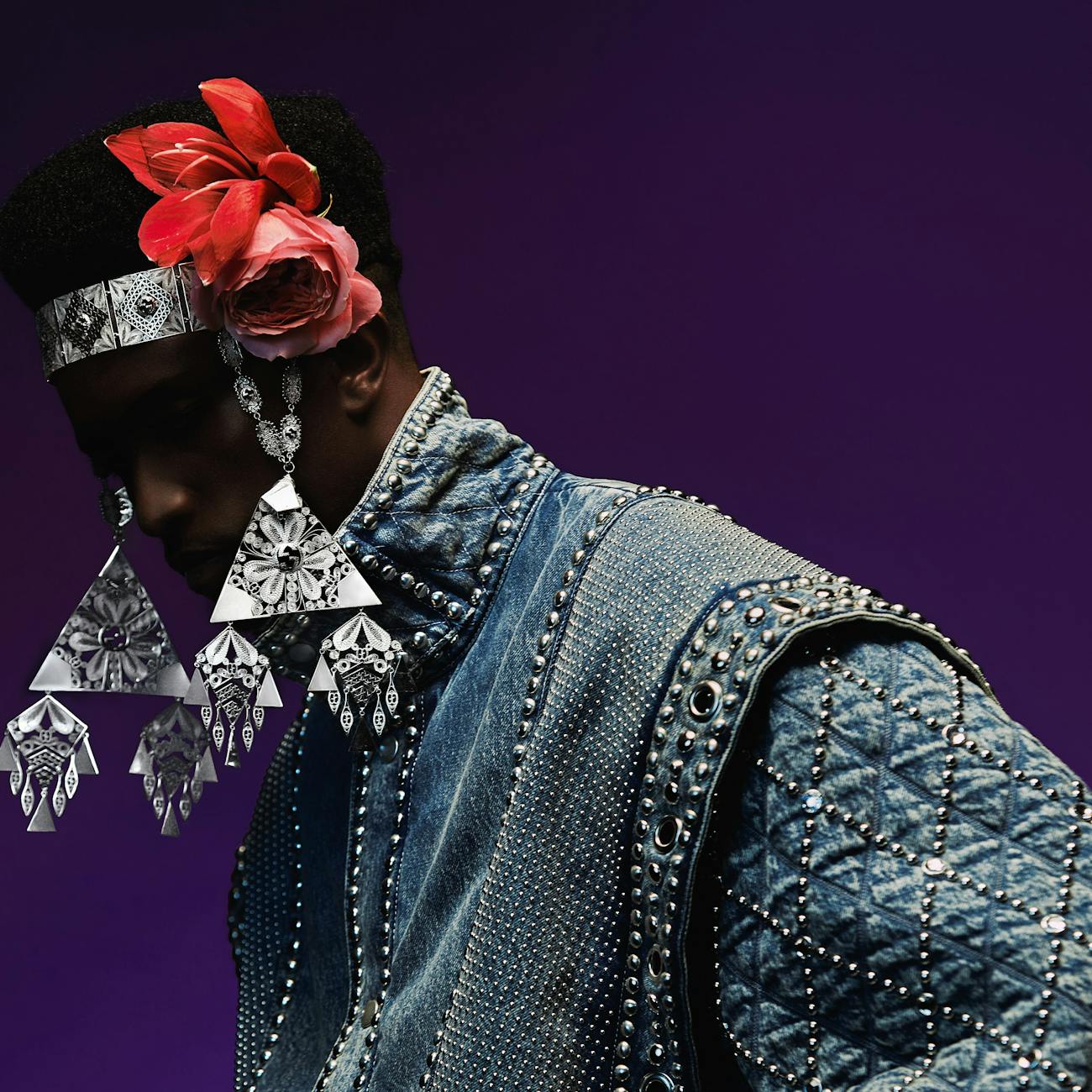
Fashion Trends and Forecasting are essential aspects of the fashion industry, influencing designers, retailers, and consumers alike. In the Certificate in Personal Styling and Shopping course, understanding key terms and vocabulary related to fashion trends and forecasting is crucial for success in the field. Let's delve into these terms to gain a deeper understanding of how they shape the world of fashion.
**Fashion Trends**
Fashion trends refer to the popular styles or designs that gain momentum and influence the way people dress. These trends can be driven by various factors, including cultural influences, societal movements, technological advancements, and even political events. Keeping up with fashion trends is essential for personal stylists and shoppers to ensure they provide clients with up-to-date and relevant advice.
**Key Terms:**
1. **Silhouette:** The overall shape or outline of a garment. Silhouettes can vary from season to season, influencing the overall look and feel of fashion trends.
2. **Color Palette:** A range of colors that are popular and commonly used in a particular season or collection. Understanding color palettes is crucial for creating cohesive and stylish outfits.
3. **Fabric:** The material used to make garments. Different fabrics can evoke different moods and styles, impacting fashion trends significantly.
4. **Prints:** Patterns or designs on fabrics that can vary in popularity from season to season. Prints play a crucial role in creating dynamic and eye-catching outfits.
5. **Accessories:** Items such as jewelry, bags, shoes, and scarves that complement an outfit. Accessories can elevate a look and are essential for personal stylists and shoppers to consider.
6. **Fast Fashion:** A trend in the fashion industry that involves quickly producing inexpensive clothing in response to the latest trends. Fast fashion brands often mimic high-end designs at affordable prices.
7. **Street Style:** Fashion trends that originate from everyday people on the streets, rather than high-end designers. Street style influences mainstream fashion and reflects the creativity and individuality of people.
**Practical Application:**
Understanding fashion trends allows personal stylists and shoppers to curate outfits that align with their clients' preferences while staying current and fashionable. By keeping an eye on the latest trends in silhouettes, colors, fabrics, prints, and accessories, stylists can create cohesive looks that suit their clients' style and personality.
For example, if a client prefers a minimalist style, the stylist can incorporate neutral color palettes, clean silhouettes, and understated accessories into their outfits. On the other hand, if a client loves bold prints and vibrant colors, the stylist can experiment with statement pieces and eye-catching accessories to create unique and personalized looks.
**Challenges:**
One of the challenges of following fashion trends is the fast-paced nature of the industry. Trends come and go quickly, making it challenging to stay ahead of the curve. Personal stylists and shoppers must continuously research and analyze trends to ensure they provide relevant and up-to-date advice to their clients.
Additionally, trends can be subjective, and not every trend will resonate with every client. Personal stylists must understand their clients' preferences and tailor their recommendations accordingly, even if it means deviating from popular trends.
**Fashion Forecasting**
Fashion forecasting is the process of predicting upcoming trends in the fashion industry based on various factors such as consumer behavior, social movements, economic indicators, and cultural influences. Fashion forecasters analyze past and current trends to anticipate future developments, helping designers and retailers make informed decisions about their collections.
**Key Terms:**
1. **Trend Forecaster:** A professional who specializes in predicting fashion trends. Trend forecasters use research and analysis to identify emerging trends and provide valuable insights to fashion brands.
2. **Runway Shows:** Events where designers showcase their latest collections to the press, buyers, and fashion enthusiasts. Runway shows are essential for trend forecasters to observe upcoming trends and predict future styles.
3. **Consumer Behavior:** The actions and decisions of consumers when purchasing goods or services. Understanding consumer behavior is crucial for fashion forecasters to predict trends that will resonate with potential buyers.
4. **Market Research:** The process of gathering information about market trends, consumer preferences, and industry developments. Market research helps forecasters identify emerging opportunities and make informed predictions.
5. **Cultural Influences:** Factors such as art, music, film, and social movements that shape fashion trends. Cultural influences play a significant role in forecasting future styles and designs.
6. **Seasonal Trends:** Trends that are specific to a particular season, such as spring/summer or fall/winter. Fashion forecasters analyze seasonal trends to anticipate upcoming styles and color palettes.
**Practical Application:**
Fashion forecasting is essential for personal stylists and shoppers to stay ahead of the curve and provide clients with cutting-edge advice. By understanding upcoming trends in silhouettes, colors, fabrics, and accessories, stylists can help clients update their wardrobes and create fashion-forward looks.
For example, if a trend forecaster predicts that oversized blazers will be popular next season, a personal stylist can recommend incorporating this trend into a client's wardrobe by pairing the blazer with tailored pants and statement accessories. By staying informed about upcoming trends, stylists can offer valuable insights and recommendations to their clients.
**Challenges:**
Fashion forecasting is not an exact science and involves a degree of uncertainty. Trends can be influenced by a multitude of factors, making it challenging to predict with absolute certainty which styles will become popular. Additionally, trends can evolve rapidly, requiring forecasters to continuously monitor industry developments and consumer preferences.
Another challenge in fashion forecasting is the risk of trends becoming oversaturated. When a trend becomes too popular, it can lose its appeal and become less desirable to consumers. Forecasters must strike a balance between predicting emerging trends and avoiding trends that have reached their peak.
In conclusion, understanding key terms and vocabulary related to fashion trends and forecasting is essential for success in the field of personal styling and shopping. By staying informed about the latest trends in silhouettes, colors, fabrics, prints, and accessories, stylists can curate fashionable and personalized outfits for their clients. Similarly, by mastering the art of fashion forecasting and anticipating upcoming trends, stylists can provide valuable insights and recommendations that keep their clients ahead of the curve. Fashion is a dynamic and ever-evolving industry, and by embracing trends and forecasting, personal stylists can navigate the fashion landscape with confidence and creativity.
Key takeaways
- In the Certificate in Personal Styling and Shopping course, understanding key terms and vocabulary related to fashion trends and forecasting is crucial for success in the field.
- These trends can be driven by various factors, including cultural influences, societal movements, technological advancements, and even political events.
- Silhouettes can vary from season to season, influencing the overall look and feel of fashion trends.
- **Color Palette:** A range of colors that are popular and commonly used in a particular season or collection.
- Different fabrics can evoke different moods and styles, impacting fashion trends significantly.
- **Prints:** Patterns or designs on fabrics that can vary in popularity from season to season.
- Accessories can elevate a look and are essential for personal stylists and shoppers to consider.