
Performance Analysis in Soccer
Performance Analysis in Soccer
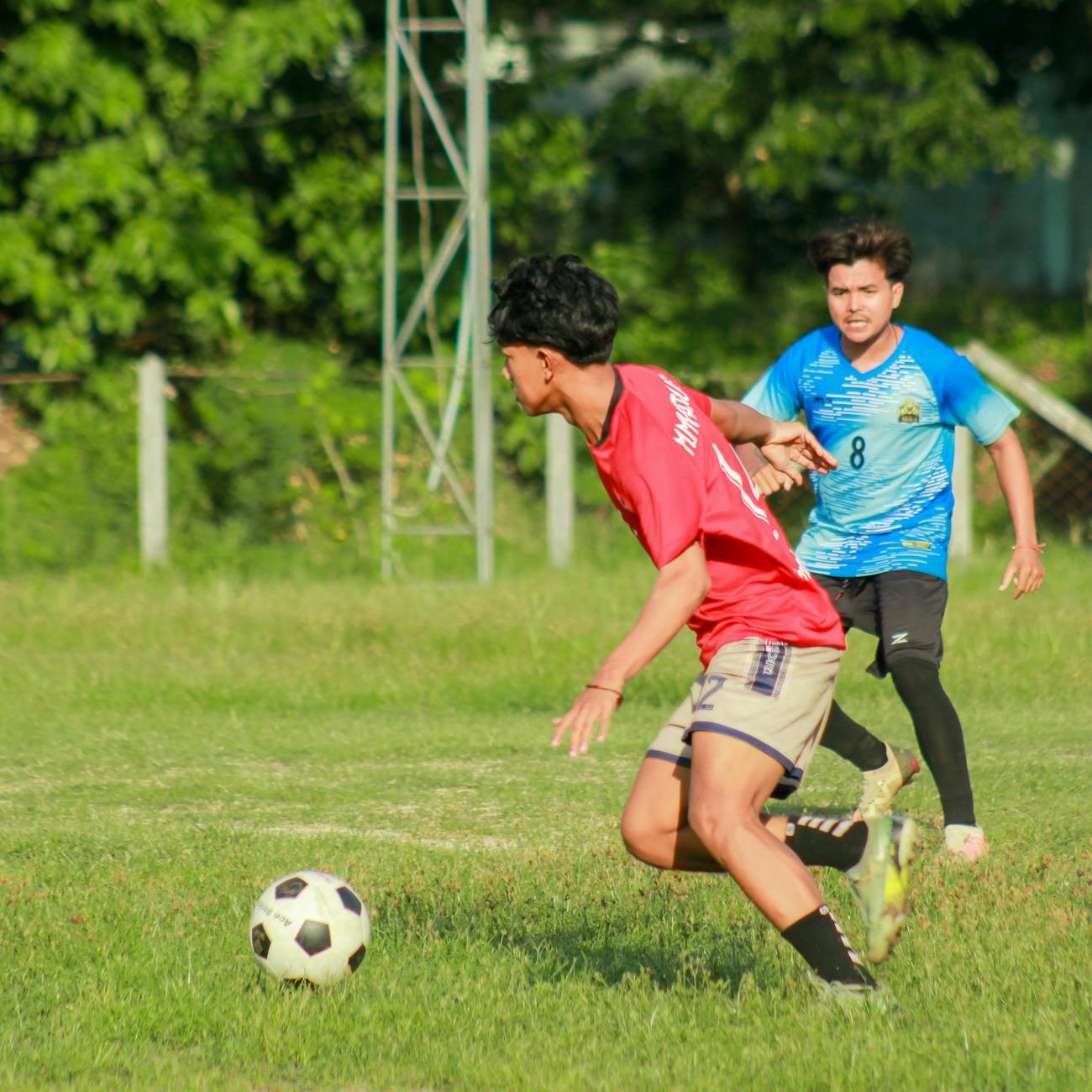
Performance Analysis in Soccer
Performance analysis in soccer is a crucial aspect of coaching and technical leadership in the modern game. It involves the systematic collection, interpretation, and presentation of data to evaluate the performance of players, teams, and matches. By analyzing various aspects of the game, coaches can identify strengths and weaknesses, make informed decisions, and improve overall performance. In this postgraduate certificate course, we will explore key terms and vocabulary related to performance analysis in soccer.
Data Collection
Data collection is the first step in performance analysis. It involves gathering relevant information about players, teams, and matches. This data can be collected through various methods, including video recordings, GPS tracking, and statistical analysis. Examples of data collected in soccer include:
- Player actions (passes, shots, tackles) - Team formations and tactics - Match statistics (possession, shots on goal, fouls)
Data collection is essential for generating insights and identifying patterns that can inform coaching decisions.
Data Interpretation
Once data is collected, it needs to be interpreted to extract meaningful insights. Data interpretation involves analyzing patterns, trends, and relationships within the data. Coaches use various techniques, such as statistical analysis and video analysis, to interpret data effectively. For example, a coach might use passing maps to analyze the distribution of passes in a match or heat maps to visualize player movement on the field.
Key Performance Indicators (KPIs)
Key Performance Indicators (KPIs) are specific metrics used to evaluate the performance of players and teams. These metrics help coaches track progress, set goals, and make data-driven decisions. Common KPIs in soccer include:
- Pass completion rate - Shots on target - Distance covered - Possession percentage
By monitoring KPIs, coaches can identify areas for improvement and measure the effectiveness of their coaching strategies.
Match Analysis
Match analysis involves reviewing and analyzing the performance of players and teams during a match. Coaches use match analysis to assess tactics, strategies, and individual performances. This process helps coaches identify strengths and weaknesses, make adjustments, and prepare for future matches. Match analysis can be done in real-time or after the match using video footage and statistical data.
Opponent Analysis
Opponent analysis is the process of studying and analyzing the strengths and weaknesses of opposing teams. By understanding the playing style, tactics, and key players of the opposition, coaches can develop effective game plans and strategies. Opponent analysis involves collecting and analyzing data on the opposing team's performance, formations, and set pieces.
Player Tracking
Player tracking involves monitoring and analyzing the movement and positioning of players on the field. This can be done using GPS tracking devices or video analysis software. By tracking players' movements, coaches can identify patterns, assess fitness levels, and optimize player positioning. Player tracking data can provide valuable insights into player performance and help coaches make informed decisions.
Video Analysis
Video analysis is a powerful tool used in performance analysis to review and analyze player and team performances. Coaches can use video footage to break down key moments, analyze tactics, and provide feedback to players. Video analysis allows coaches to identify strengths and weaknesses, teach new concepts, and improve overall performance. By using video analysis software, coaches can create customized clips, annotations, and visualizations to enhance the learning experience.
Data Visualization
Data visualization is the process of presenting data in a visual format, such as charts, graphs, and heat maps. By visualizing data, coaches can communicate complex information more effectively and identify trends and patterns. Data visualization tools can help coaches track performance over time, compare players and teams, and make data-driven decisions. Examples of data visualization in soccer include pass maps, shot charts, and player heat maps.
Performance Feedback
Performance feedback is the process of providing constructive feedback to players based on performance analysis. Coaches use performance feedback to communicate strengths, areas for improvement, and tactical adjustments. By providing timely and specific feedback, coaches can help players develop their skills, make better decisions, and improve overall performance. Performance feedback can be delivered one-on-one, in group settings, or through video analysis sessions.
Challenges in Performance Analysis
While performance analysis can provide valuable insights and improve coaching effectiveness, there are several challenges to consider. Some common challenges in performance analysis include:
- Data quality: Ensuring that data collected is accurate and reliable. - Data overload: Managing large volumes of data and extracting meaningful insights. - Technology limitations: Dealing with limitations in technology and software tools. - Time constraints: Balancing the time required for data analysis with coaching responsibilities. - Resistance to change: Overcoming resistance to adopting new technologies and analytical methods.
By addressing these challenges and implementing effective performance analysis strategies, coaches can enhance their coaching practices and maximize player performance.
Conclusion
Performance analysis is a fundamental aspect of coaching and technical leadership in soccer. By collecting, interpreting, and analyzing data, coaches can make informed decisions, optimize player performance, and achieve success on the field. This postgraduate certificate course will provide you with the knowledge and skills to effectively use performance analysis in your coaching practice. By mastering key terms and vocabulary related to performance analysis, you will be better equipped to analyze player and team performance, develop strategies, and achieve your coaching goals.
Key takeaways
- By analyzing various aspects of the game, coaches can identify strengths and weaknesses, make informed decisions, and improve overall performance.
- This data can be collected through various methods, including video recordings, GPS tracking, and statistical analysis.
- Data collection is essential for generating insights and identifying patterns that can inform coaching decisions.
- For example, a coach might use passing maps to analyze the distribution of passes in a match or heat maps to visualize player movement on the field.
- Key Performance Indicators (KPIs) are specific metrics used to evaluate the performance of players and teams.
- By monitoring KPIs, coaches can identify areas for improvement and measure the effectiveness of their coaching strategies.
- This process helps coaches identify strengths and weaknesses, make adjustments, and prepare for future matches.