
Mental Skills Training in Soccer
Mental Skills Training in Soccer:
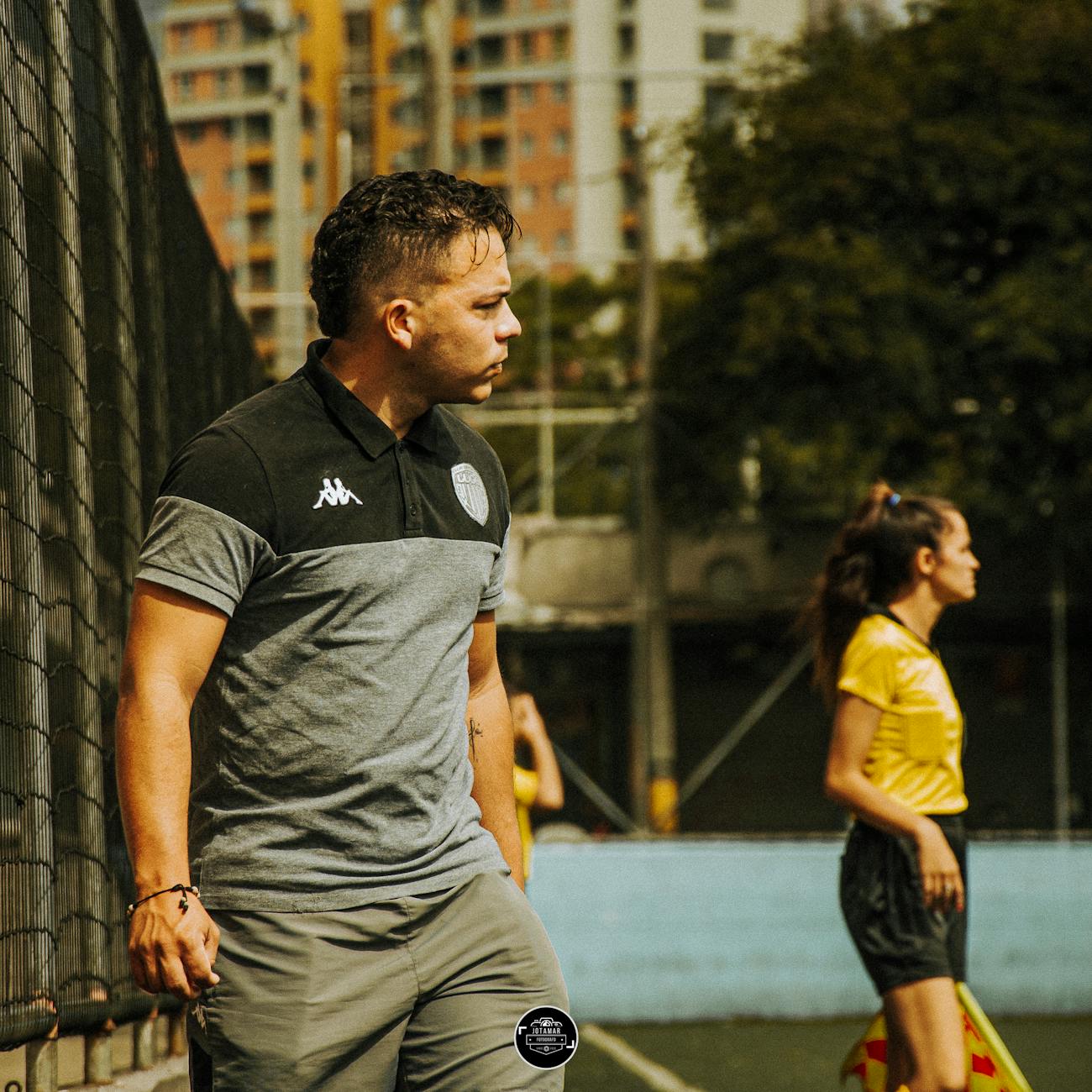
Mental Skills Training in Soccer:
Mental skills training is a crucial aspect of soccer coaching that focuses on developing players' psychological abilities to enhance their performance on the field. In soccer, mental skills are just as important as technical and physical skills, as they can make a significant difference in a player's overall effectiveness.
Key Terms and Vocabulary:
1. Visualization: Visualization, also known as mental imagery, is the practice of creating mental images of successful performance. By visualizing themselves executing skills flawlessly, players can improve their confidence and performance on the field.
2. Goal Setting: Goal setting is the process of establishing specific, measurable, achievable, relevant, and time-bound objectives. Setting goals helps players stay motivated, focused, and accountable for their progress.
3. Self-Talk: Self-talk refers to the internal dialogue that players have with themselves. Positive self-talk can boost confidence and improve performance, while negative self-talk can hinder a player's abilities.
4. Concentration: Concentration is the ability to focus on relevant cues and ignore distractions during a soccer match. Developing concentration skills can help players maintain focus and make better decisions on the field.
5. Resilience: Resilience is the ability to bounce back from setbacks and challenges. Resilient players can overcome adversity, stay motivated, and continue to perform at a high level despite obstacles.
6. Imagery: Imagery involves creating detailed mental images of successful performance. By visualizing themselves executing skills accurately, players can improve their technique and confidence on the field.
7. Relaxation Techniques: Relaxation techniques, such as deep breathing or progressive muscle relaxation, can help players manage stress and anxiety before or during a match. By staying calm and composed, players can perform at their best.
8. Goal Setting: Goal setting involves establishing specific, measurable, achievable, relevant, and time-bound objectives. By setting goals, players can track their progress, stay motivated, and focus on improving specific aspects of their game.
9. Self-Confidence: Self-confidence is the belief in one's abilities to succeed. Building self-confidence through positive reinforcement and successful experiences can help players perform at their best and overcome challenges on the field.
10. Focus: Focus is the ability to concentrate on relevant cues and ignore distractions during a soccer match. Developing focus skills can help players make better decisions, react quickly, and stay engaged in the game.
11. Mental Toughness: Mental toughness refers to the ability to stay resilient, focused, and motivated under pressure. Players with mental toughness can withstand challenges, setbacks, and adversity to perform consistently at a high level.
12. Performance Anxiety: Performance anxiety is the feeling of nervousness or stress before or during a match. Learning to manage performance anxiety through relaxation techniques and positive self-talk can help players control their emotions and perform better on the field.
13. Goal Orientation: Goal orientation is the tendency to focus on mastering tasks or outperforming others. Players with a mastery goal orientation seek to improve their skills and performance, while those with a performance goal orientation strive to outperform their competitors.
14. Flow State: The flow state is a mental state where players are fully immersed in the game, feeling focused, energized, and in control. Achieving a flow state can enhance performance and enjoyment on the field.
15. Self-Efficacy: Self-efficacy is the belief in one's ability to succeed in specific situations. Players with high self-efficacy are more likely to set challenging goals, persist in the face of adversity, and perform well under pressure.
16. Cognitive Restructuring: Cognitive restructuring involves identifying and changing negative thought patterns that can impact performance. By replacing negative thoughts with positive ones, players can improve their confidence, focus, and overall performance on the field.
17. Pre-Performance Routines: Pre-performance routines are a set of actions or rituals that players engage in before a match to prepare themselves mentally and physically. Establishing a pre-performance routine can help players stay focused, calm, and ready to perform at their best.
18. Decision Making: Decision-making is the process of selecting the best course of action in a given situation. Developing decision-making skills can help players make quick and effective choices on the field, leading to better performance and outcomes.
19. Emotional Regulation: Emotional regulation involves managing and controlling one's emotions during a match. By staying calm, composed, and focused, players can make better decisions, communicate effectively, and perform at their best under pressure.
20. Feedback: Feedback is information provided to players about their performance. Constructive feedback can help players identify areas for improvement, set goals, and make adjustments to enhance their skills and performance on the field.
Practical Applications:
1. Visualization: Coaches can encourage players to visualize themselves successfully executing skills, scoring goals, or making key plays. By incorporating visualization into training sessions, players can improve their confidence and performance on the field.
2. Goal Setting: Coaches can work with players to set individual and team goals for the season. By establishing SMART goals and tracking progress regularly, players can stay motivated, focused, and committed to achieving success on the field.
3. Self-Talk: Coaches can help players develop positive self-talk by teaching them to challenge negative thoughts and replace them with affirmations and positive statements. By promoting a growth mindset and self-belief, players can boost their confidence and performance.
4. Concentration: Coaches can implement concentration drills and exercises into training sessions to help players improve their focus and attention on the field. By practicing staying present and ignoring distractions, players can make better decisions and perform at a higher level.
5. Resilience: Coaches can create a supportive and encouraging environment that fosters resilience in players. By acknowledging setbacks, promoting a growth mindset, and providing constructive feedback, coaches can help players bounce back from challenges and perform at their best.
Challenges:
1. Resistance to Change: Some players may be resistant to mental skills training, as it requires them to step out of their comfort zone and challenge their existing beliefs and behaviors. Coaches may face resistance when introducing new techniques or strategies to enhance players' psychological skills.
2. Time Constraints: Coaches may find it challenging to incorporate mental skills training into their already packed training schedules. Finding time to focus on psychological aspects of the game can be difficult, especially when balancing technical, tactical, and physical training.
3. Individual Differences: Players have unique personalities, learning styles, and preferences when it comes to mental skills training. Coaches may need to tailor their approach to meet the individual needs of each player, which can be challenging in a team setting.
4. Consistency: Developing mental skills requires consistent practice and reinforcement over time. Coaches may struggle to maintain players' engagement and commitment to mental skills training, especially when results are not immediately apparent.
5. External Factors: External factors such as pressure from coaches, teammates, or parents can impact players' ability to focus and perform mentally on the field. Coaches must create a supportive and positive environment that fosters mental skills development and resilience in players.
By understanding and applying key terms and vocabulary related to mental skills training in soccer, coaches can effectively enhance players' psychological abilities, improve performance on the field, and foster a positive and resilient team culture.
Key takeaways
- Mental skills training is a crucial aspect of soccer coaching that focuses on developing players' psychological abilities to enhance their performance on the field.
- Visualization: Visualization, also known as mental imagery, is the practice of creating mental images of successful performance.
- Goal Setting: Goal setting is the process of establishing specific, measurable, achievable, relevant, and time-bound objectives.
- Positive self-talk can boost confidence and improve performance, while negative self-talk can hinder a player's abilities.
- Concentration: Concentration is the ability to focus on relevant cues and ignore distractions during a soccer match.
- Resilient players can overcome adversity, stay motivated, and continue to perform at a high level despite obstacles.
- By visualizing themselves executing skills accurately, players can improve their technique and confidence on the field.