
Coaching Methodologies
Coaching Methodologies: Coaching methodologies refer to the strategies, techniques, and approaches that coaches use to train and develop athletes. These methodologies encompass a wide range of practices aimed at improving performance, enhan…
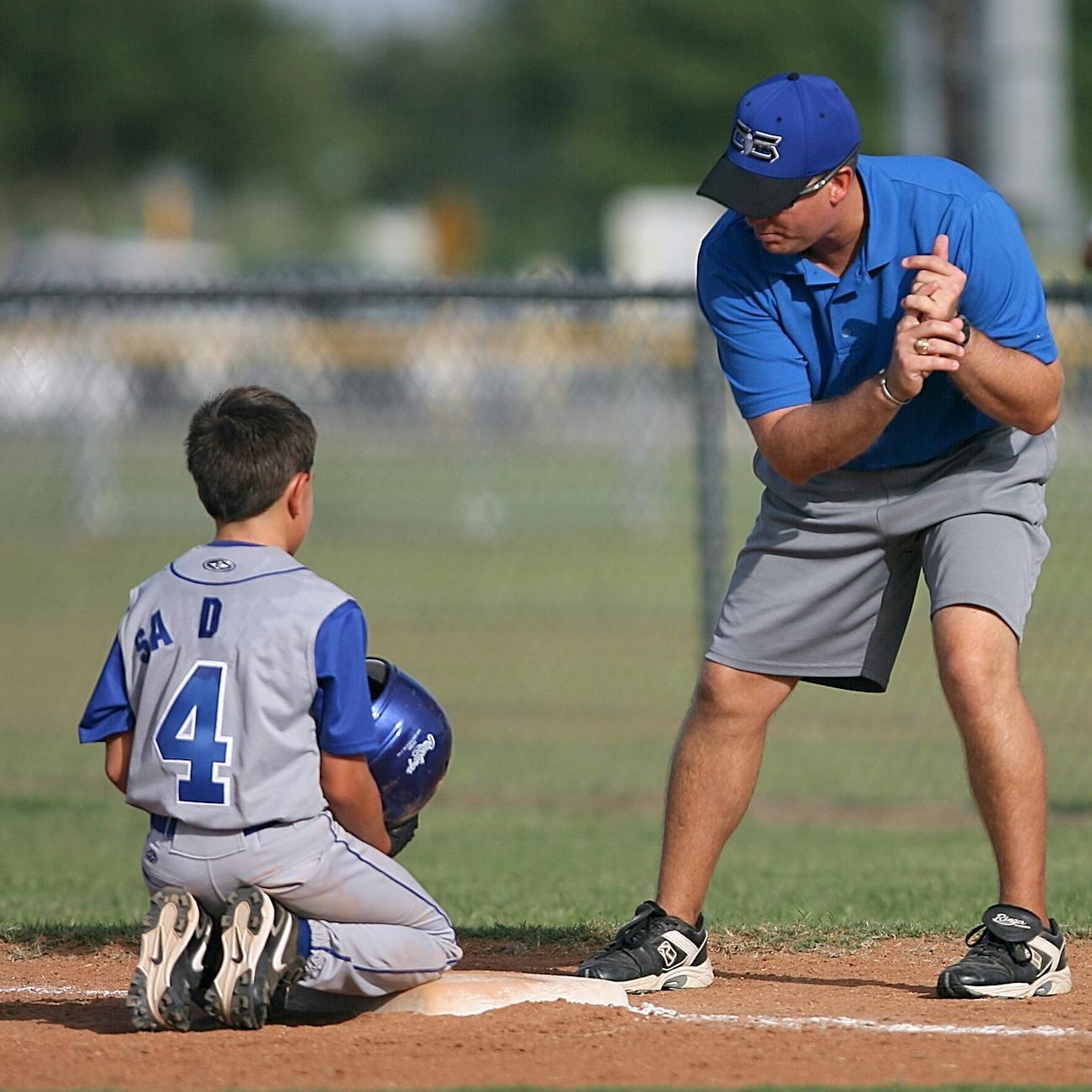
Coaching Methodologies: Coaching methodologies refer to the strategies, techniques, and approaches that coaches use to train and develop athletes. These methodologies encompass a wide range of practices aimed at improving performance, enhancing skills, and maximizing potential.
Postgraduate Certificate in Soccer Coaching and Technical Leadership: This course is designed for individuals who want to advance their knowledge and skills in soccer coaching and leadership. It focuses on providing participants with a deep understanding of the game, as well as the tools and techniques needed to effectively lead a team to success.
Key Terms and Vocabulary:
1. Game Model: A game model is a strategic framework that outlines the playing style, tactics, and principles of a team. It serves as a blueprint for how a team should play and helps coaches and players understand their roles and responsibilities on the field.
2. Coaching Philosophy: A coaching philosophy is a set of beliefs, values, and principles that guide a coach's approach to training and developing athletes. It reflects the coach's vision for the team and influences their decision-making and coaching style.
3. Player Development: Player development refers to the process of improving a player's skills, knowledge, and abilities over time. It involves creating a supportive environment for players to grow and reach their full potential through structured training sessions and feedback.
4. Tactical Periodization: Tactical periodization is a training methodology that focuses on integrating tactical, technical, physical, and mental aspects of the game in a systematic and progressive manner. It aims to develop players who are capable of making quick decisions and executing strategies effectively.
5. Small-Sided Games: Small-sided games are practice drills that involve fewer players on a smaller field. They are designed to improve players' decision-making, creativity, and teamwork by placing them in situations that replicate real game scenarios.
6. Coaching Pedagogy: Coaching pedagogy refers to the principles, methods, and strategies that coaches use to teach and educate players. It involves creating a structured learning environment that promotes skill development, critical thinking, and problem-solving.
7. Periodization: Periodization is the process of dividing a training program into distinct phases or periods to achieve specific goals. It helps coaches plan and organize training sessions effectively to ensure players peak at the right time and avoid injuries or burnout.
8. Player-Centered Coaching: Player-centered coaching is an approach that focuses on the individual needs, goals, and preferences of each player. It emphasizes building strong relationships with players, providing personalized feedback, and empowering them to take ownership of their development.
9. Match Analysis: Match analysis involves the systematic study of game footage to evaluate team performance, tactics, and strategies. It helps coaches identify strengths and weaknesses, assess player performance, and make informed decisions to improve future performances.
10. Leadership Development: Leadership development is the process of equipping coaches with the skills, knowledge, and attributes needed to lead and inspire their team effectively. It involves developing communication skills, decision-making abilities, and emotional intelligence to motivate and empower players.
11. Coaching Styles: Coaching styles refer to the different approaches that coaches use to interact with players and manage team dynamics. Common coaching styles include authoritarian, democratic, and laissez-faire, each with its unique strengths and weaknesses.
12. Performance Analysis: Performance analysis involves monitoring and evaluating player performance to identify areas for improvement and track progress over time. It includes assessing technical skills, physical fitness, mental toughness, and tactical awareness to optimize player development.
13. Feedback and Communication: Feedback and communication are essential components of effective coaching. Coaches use feedback to provide players with information about their performance, identify areas for improvement, and motivate them to reach their full potential. Clear and open communication is key to building trust and fostering positive relationships with players.
14. Sports Psychology: Sports psychology is the study of how mental factors influence athletic performance and behavior. It explores topics such as motivation, confidence, stress management, goal setting, and concentration, helping coaches understand and support the psychological needs of their players.
15. Injury Prevention and Rehabilitation: Injury prevention and rehabilitation involve implementing strategies to minimize the risk of injuries and support players' recovery and return to play. Coaches play a vital role in educating players about injury prevention techniques, monitoring their workload, and collaborating with medical professionals to facilitate rehabilitation.
16. Long-Term Player Development (LTPD): Long-Term Player Development is a holistic approach to developing athletes over an extended period. It focuses on creating age-appropriate training programs, monitoring player progress, and promoting physical literacy, mental resilience, and social skills to ensure long-term success and enjoyment in sports.
17. Decision-Making Skills: Decision-making skills are critical for athletes to succeed in sports. Coaches can help players improve their decision-making abilities by creating game-like scenarios in training, providing feedback on their choices, and encouraging them to think critically and adapt to changing situations on the field.
18. Talent Identification and Development: Talent identification and development involve recognizing potential in young athletes and nurturing their skills to reach an elite level. Coaches play a crucial role in scouting talent, providing specialized training, and offering opportunities for talented players to thrive and progress in their sporting careers.
19. Coach Education and Development: Coach education and development are ongoing processes that aim to enhance coaches' knowledge, skills, and competencies in coaching. It involves attending training courses, workshops, and conferences, as well as seeking mentorship and self-reflection to continuously improve coaching practice.
20. Ethics and Fair Play: Ethics and fair play are fundamental principles that guide coaches' behavior and decision-making in sports. Coaches are expected to uphold ethical standards, promote sportsmanship, and ensure a safe and inclusive environment for all participants, regardless of their background or abilities.
21. Strength and Conditioning: Strength and conditioning training focuses on improving athletes' physical fitness, strength, power, speed, and endurance. Coaches design tailored programs to enhance players' performance, reduce the risk of injuries, and support their overall health and well-being.
22. Coach-Player Relationship: The coach-player relationship is a crucial aspect of effective coaching. A positive and supportive relationship built on trust, respect, and communication can enhance player motivation, confidence, and commitment to training, leading to improved performance and long-term success.
23. Goal Setting and Monitoring: Goal setting and monitoring involve establishing clear objectives for players, tracking their progress, and adjusting strategies as needed to achieve desired outcomes. Coaches work with players to set realistic and challenging goals, provide feedback on their performance, and celebrate achievements to maintain motivation and focus.
24. Cultural Awareness and Diversity: Cultural awareness and diversity in coaching require coaches to understand and appreciate the differences in backgrounds, beliefs, and values of their players. Coaches must create an inclusive and respectful environment that celebrates diversity, promotes equality, and fosters positive relationships among team members.
25. Data Analysis and Technology: Data analysis and technology are increasingly used in coaching to gather, analyze, and interpret performance data to optimize training programs and strategies. Coaches can use technology tools such as GPS trackers, video analysis software, and performance metrics to monitor player performance, identify trends, and make data-driven decisions for improved outcomes.
26. Game Understanding and Awareness: Game understanding and awareness refer to a player's ability to read the game, anticipate opponents' movements, and make informed decisions under pressure. Coaches can develop players' game intelligence by providing tactical insight, encouraging situational awareness, and promoting strategic thinking on the field.
27. Mental Skills Training: Mental skills training focuses on developing athletes' psychological attributes, such as focus, confidence, resilience, and motivation. Coaches can incorporate mental skills training into their coaching practice through visualization exercises, goal setting, relaxation techniques, and positive self-talk to help players perform at their best in high-pressure situations.
28. Self-Reflection and Continuous Improvement: Self-reflection and continuous improvement are essential for coaches to enhance their coaching practice and effectiveness. Coaches can engage in self-assessment, seek feedback from peers and players, attend professional development opportunities, and adapt their coaching style based on lessons learned to grow and evolve as coaches.
29. Team Building and Cohesion: Team building and cohesion involve fostering positive relationships, trust, and camaraderie among team members to enhance communication, collaboration, and performance on the field. Coaches can organize team-building activities, promote a supportive team culture, and encourage mutual respect to create a cohesive and united team.
30. Resilience and Mental Toughness: Resilience and mental toughness are essential qualities for athletes to overcome setbacks, adversity, and challenges in sports. Coaches can help players develop resilience by teaching coping strategies, building self-confidence, and instilling a growth mindset to bounce back from failures and thrive in competitive environments.
In conclusion, mastering coaching methodologies is essential for aspiring coaches to excel in the field of soccer coaching and technical leadership. By understanding and applying key terms and vocabulary such as game model, coaching philosophy, player development, and tactical periodization, coaches can create effective training programs, develop players' skills, and lead their team to success. It is crucial for coaches to continuously educate themselves, adapt to new trends and technologies, and prioritize ethical conduct, fair play, and player well-being to become successful and respected leaders in the world of soccer coaching.
Key takeaways
- Coaching Methodologies: Coaching methodologies refer to the strategies, techniques, and approaches that coaches use to train and develop athletes.
- Postgraduate Certificate in Soccer Coaching and Technical Leadership: This course is designed for individuals who want to advance their knowledge and skills in soccer coaching and leadership.
- It serves as a blueprint for how a team should play and helps coaches and players understand their roles and responsibilities on the field.
- Coaching Philosophy: A coaching philosophy is a set of beliefs, values, and principles that guide a coach's approach to training and developing athletes.
- It involves creating a supportive environment for players to grow and reach their full potential through structured training sessions and feedback.
- Tactical Periodization: Tactical periodization is a training methodology that focuses on integrating tactical, technical, physical, and mental aspects of the game in a systematic and progressive manner.
- They are designed to improve players' decision-making, creativity, and teamwork by placing them in situations that replicate real game scenarios.