
Introduction to Dental Equipment Repair
Introduction to Dental Equipment Repair
Introduction to Dental Equipment Repair
Welcome to the Certificate Programme in Dental Equipment Repair! In this course, you will learn the essential skills and knowledge required to repair and maintain various types of dental equipment. To help you navigate through the course successfully, let's start by understanding some key terms and vocabulary that you will encounter throughout the program.
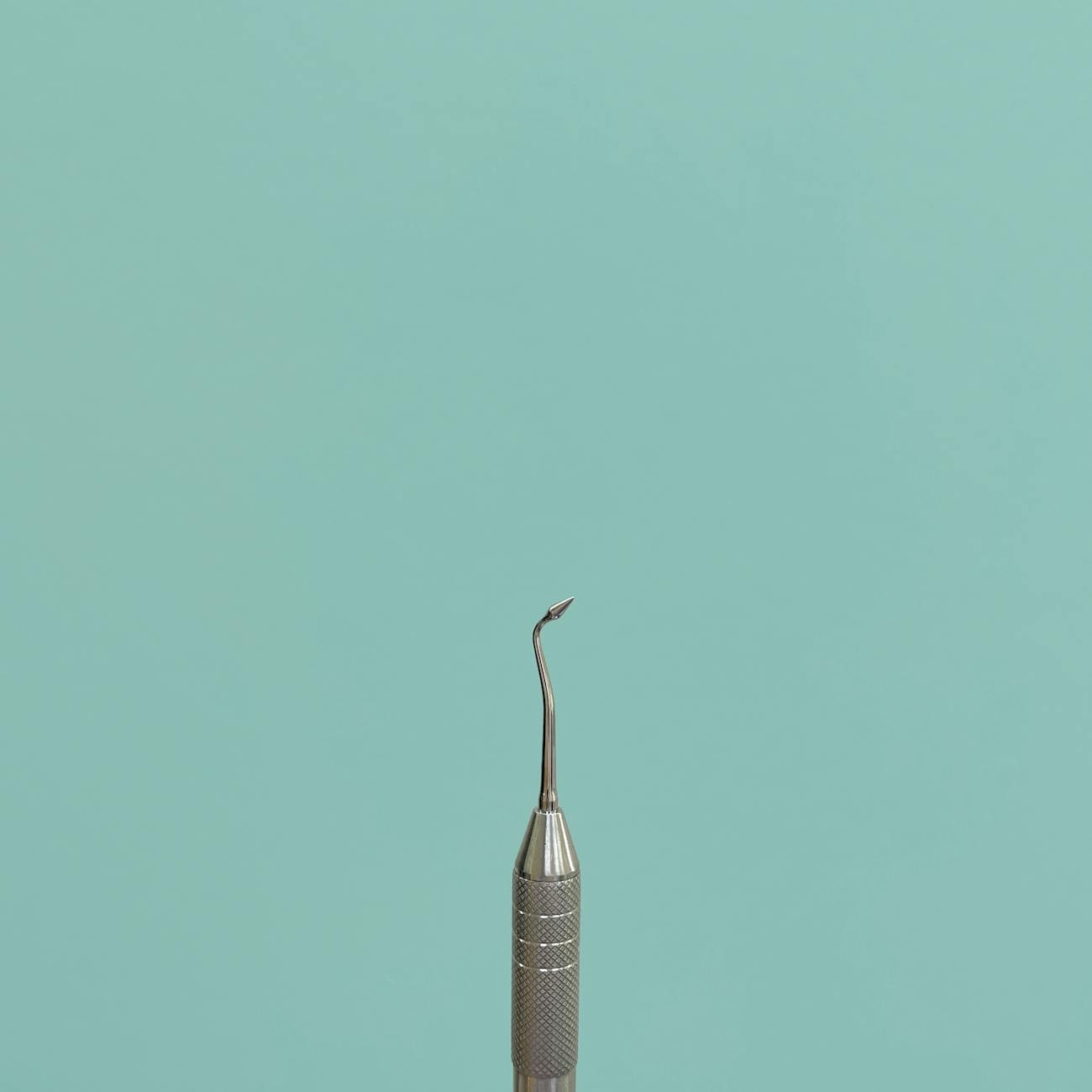
Dental Equipment Dental equipment refers to the tools, devices, and instruments used by dental professionals to diagnose, treat, and prevent oral health issues. This includes items such as dental chairs, handpieces, x-ray machines, autoclaves, and more.
Repair Repair involves fixing or restoring a piece of equipment that is not functioning correctly. In the context of dental equipment repair, this can include tasks such as replacing parts, calibrating instruments, and troubleshooting issues.
Maintenance Maintenance refers to the regular upkeep and care of dental equipment to ensure it functions properly and lasts longer. This can involve tasks like cleaning, lubricating, and inspecting equipment regularly.
Calibration Calibration is the process of adjusting and setting equipment to ensure accurate and consistent results. For example, dental x-ray machines need to be calibrated regularly to produce high-quality images.
Troubleshooting Troubleshooting is the process of identifying and solving problems with dental equipment. This may involve diagnosing issues, testing components, and finding solutions to restore functionality.
Diagnostic Equipment Diagnostic equipment is used to assess and diagnose oral health conditions. This includes devices like intraoral cameras, digital radiography systems, and diagnostic lasers.
Treatment Equipment Treatment equipment is used to perform dental procedures and treatments. This can include items such as dental chairs, handpieces, ultrasonic scalers, and curing lights.
Preventive Equipment Preventive equipment is used to help prevent oral health issues. This includes items like dental prophylaxis units, fluoride applicators, and sealant delivery systems.
Handpieces Handpieces are dental tools used by dentists and hygienists to perform various procedures. There are different types of handpieces, including high-speed handpieces for cutting and low-speed handpieces for polishing.
Dental Chairs Dental chairs are essential equipment in a dental office, providing a comfortable and adjustable seat for patients during procedures. They often come with features like reclining backs, armrests, and foot controls.
X-ray Machines X-ray machines are used to capture images of the teeth and jaw for diagnostic purposes. There are different types of dental x-ray machines, including intraoral x-rays for close-up images and panoramic x-rays for broader views.
Autoclaves Autoclaves are devices used to sterilize dental instruments and equipment. They use high-pressure steam to kill bacteria, viruses, and other microorganisms, ensuring a safe and hygienic environment for patients.
Ultrasonic Scalers Ultrasonic scalers are dental tools that use high-frequency vibrations to remove plaque, tartar, and stains from teeth. They are often used during dental cleanings to maintain oral health.
Curing Lights Curing lights are used to harden dental materials like composites and sealants. They emit a specific wavelength of light that activates the chemicals in the material, causing it to harden and bond to the tooth surface.
Intraoral Cameras Intraoral cameras are small cameras that capture high-quality images of the inside of the mouth. They allow dental professionals to show patients detailed images of their teeth and gums, enhancing patient education and communication.
Digital Radiography Systems Digital radiography systems use digital sensors to capture x-ray images of the teeth and jaw. These systems provide instant images that can be viewed on a computer screen, reducing exposure to radiation and improving diagnostic capabilities.
Diagnostic Lasers Diagnostic lasers are used in dentistry for procedures like cavity detection, soft tissue treatments, and teeth whitening. They offer precise and minimally invasive treatment options for patients.
Dental Prophylaxis Units Dental prophylaxis units are used for professional teeth cleanings to remove plaque and tartar buildup. They typically include a handpiece, water spray, and suction to clean and polish the teeth effectively.
Fluoride Applicators Fluoride applicators are used to apply fluoride treatments to the teeth, helping to strengthen enamel and prevent tooth decay. They come in different forms, including gels, foams, varnishes, and rinses.
Sealant Delivery Systems Sealant delivery systems are used to apply dental sealants to the chewing surfaces of teeth to prevent cavities. They typically consist of a handpiece with a nozzle that dispenses the sealant material onto the tooth surface.
Challenges in Dental Equipment Repair
While repairing and maintaining dental equipment is essential for ensuring the smooth operation of a dental practice, there are several challenges that technicians may face. Some common challenges include:
Technical Complexity Many dental devices are technologically advanced and require specialized knowledge to repair. Technicians must stay up-to-date with the latest equipment and techniques to effectively troubleshoot and fix issues.
Regulatory Compliance Dental equipment repair must comply with industry regulations and standards to ensure patient safety and quality of care. Technicians need to be aware of relevant guidelines and protocols when servicing equipment.
Cost Constraints Dental practices may have budget constraints that limit the amount they can invest in equipment repair and maintenance. Technicians must find cost-effective solutions while maintaining the quality and reliability of the equipment.
Downtime Impact Equipment downtime can disrupt dental operations and patient appointments, leading to potential loss of revenue and patient dissatisfaction. Technicians need to work efficiently to minimize downtime and ensure equipment is back in service quickly.
Training and Education Technicians require specialized training and education to repair and maintain dental equipment effectively. Continuous learning and professional development are essential to stay current with evolving technologies and best practices.
Conclusion
In conclusion, mastering the fundamentals of dental equipment repair is crucial for ensuring the efficiency, safety, and quality of dental care. By familiarizing yourself with the key terms and concepts discussed in this introduction, you will be better prepared to tackle the challenges and opportunities that come with repairing and maintaining dental equipment. Throughout this course, you will gain practical skills and knowledge that will enable you to excel in the field of dental equipment repair. Good luck on your learning journey!
Key takeaways
- To help you navigate through the course successfully, let's start by understanding some key terms and vocabulary that you will encounter throughout the program.
- Dental Equipment Dental equipment refers to the tools, devices, and instruments used by dental professionals to diagnose, treat, and prevent oral health issues.
- In the context of dental equipment repair, this can include tasks such as replacing parts, calibrating instruments, and troubleshooting issues.
- Maintenance Maintenance refers to the regular upkeep and care of dental equipment to ensure it functions properly and lasts longer.
- Calibration Calibration is the process of adjusting and setting equipment to ensure accurate and consistent results.
- Troubleshooting Troubleshooting is the process of identifying and solving problems with dental equipment.
- Diagnostic Equipment Diagnostic equipment is used to assess and diagnose oral health conditions.