
Exotic Pet Health and Disease Management
Exotic Pet Health and Disease Management
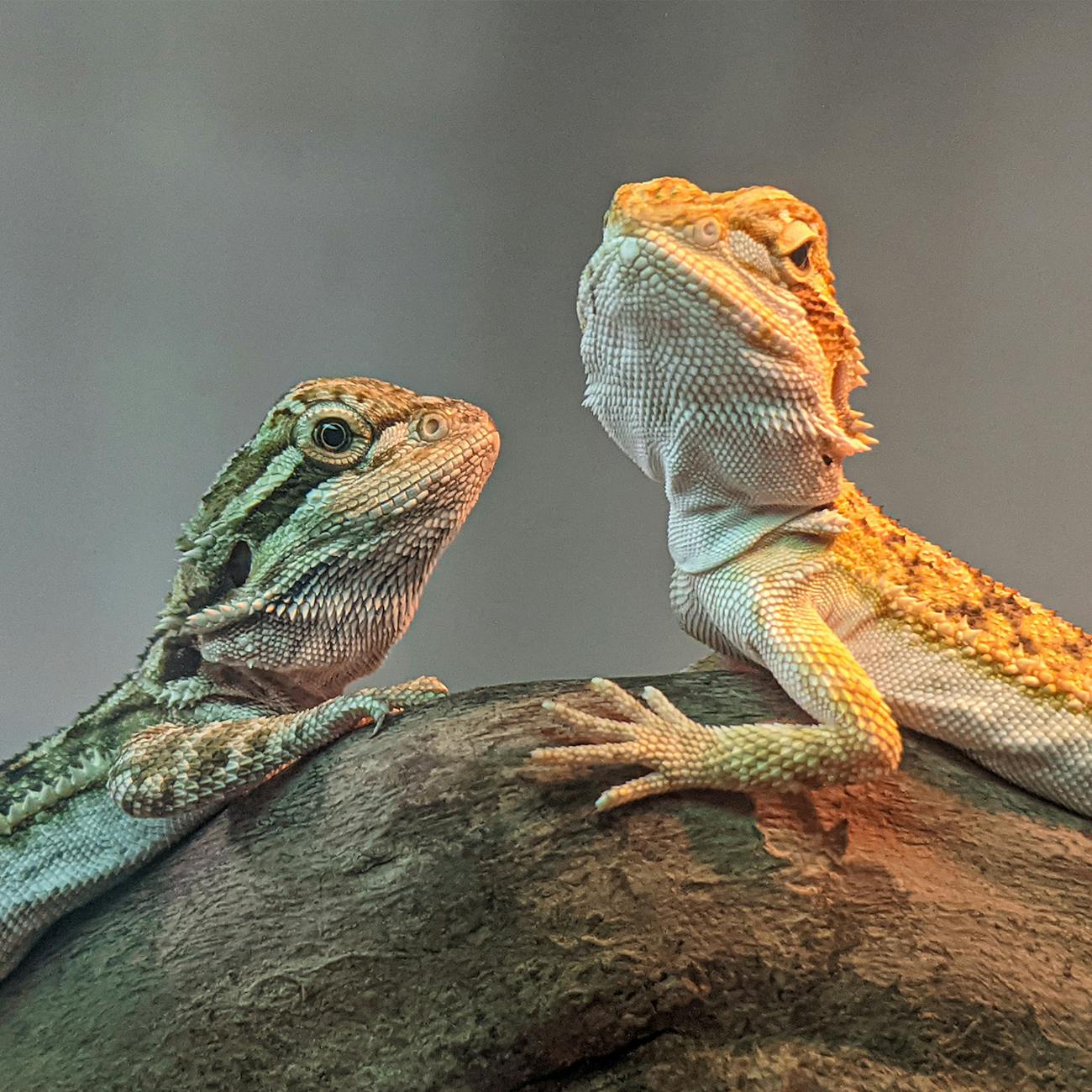
Exotic Pet Health and Disease Management
Introduction
Exotic pets, such as reptiles, birds, small mammals, and amphibians, have become increasingly popular companions. However, these animals have unique health and disease management needs that differ from traditional domestic pets like dogs and cats. As a professional handling exotic pets, it is crucial to understand key terms and vocabulary related to their health and disease management to provide optimal care.
Anatomy
Understanding the anatomy of exotic pets is essential for diagnosing and treating health issues. Each species has specific anatomical features that influence their health and disease management. For example, reptiles have a unique respiratory system with a single functional lung, while birds have a specialized respiratory system that includes air sacs for efficient gas exchange.
Physiology
The physiology of exotic pets plays a significant role in their health and disease management. For instance, reptiles are ectothermic, meaning they rely on external sources of heat to regulate their body temperature. This physiological characteristic impacts their metabolism, digestion, and overall health.
Nutrition
Proper nutrition is crucial for maintaining the health of exotic pets. Each species has specific dietary requirements based on their natural diet in the wild. For example, herbivorous reptiles like tortoises require a diet rich in fiber and calcium to support their growth and shell health.
Enrichment
Enrichment is essential for the mental and physical well-being of exotic pets. Providing a stimulating environment with opportunities for natural behaviors like climbing, digging, and foraging can help prevent boredom and reduce stress-related health issues.
Behavior
Understanding the behavior of exotic pets is key to recognizing signs of illness or distress. Changes in behavior, such as decreased activity, aggression, or hiding, can indicate underlying health problems that require attention from a veterinarian.
Common Diseases
Exotic pets are susceptible to a variety of diseases that can impact their health and well-being. Some common diseases in exotic pets include metabolic bone disease in reptiles, respiratory infections in birds, and dental problems in small mammals. Regular veterinary check-ups and preventive care can help detect and treat these conditions early.
Parasites
Parasites are a common concern in exotic pets and can cause a range of health issues. Internal parasites like worms and external parasites like mites can affect the skin, gastrointestinal tract, and overall health of exotic pets. Routine fecal exams and parasite prevention protocols are essential for parasite control.
Zoonotic Diseases
Zoonotic diseases are infections that can be transmitted from animals to humans. Exotic pets can carry zoonotic pathogens like Salmonella, Chlamydia, and ringworm that pose a risk to their owners. Proper hygiene practices, such as handwashing and cleaning habitats, are crucial for preventing zoonotic diseases.
Quarantine
Quarantine is a critical practice in exotic pet health and disease management to prevent the spread of infectious diseases. New animals should be quarantined for a period of time to monitor for signs of illness before introducing them to existing pets. This helps protect the health of the entire pet population.
Diagnostic Techniques
Diagnostic techniques play a vital role in identifying and treating health issues in exotic pets. Veterinarians may use a combination of physical exams, blood tests, imaging studies, and fecal analyses to diagnose conditions such as infections, nutritional deficiencies, and organ dysfunction.
Treatment Options
Treatment options for exotic pets vary depending on the specific health issue and species involved. Common treatment modalities include medications, surgery, dietary modifications, and environmental changes. It is essential to follow the veterinarian's recommendations closely to ensure the best outcome for the pet.
Preventive Care
Preventive care is key to maintaining the health and well-being of exotic pets. This includes regular veterinary exams, vaccinations, parasite control, dental care, and nutritional counseling. By proactively addressing potential health issues, owners can help their exotic pets live long and healthy lives.
Challenges
Managing the health and diseases of exotic pets presents unique challenges for owners and professionals. These challenges may include species-specific care requirements, limited availability of veterinary specialists, and the need for specialized diagnostic and treatment equipment. Overcoming these challenges requires ongoing education, collaboration with experienced professionals, and a commitment to providing the best care for exotic pets.
Conclusion
In conclusion, mastering key terms and vocabulary related to exotic pet health and disease management is essential for professionals handling these unique animals. By understanding the anatomy, physiology, nutrition, behavior, common diseases, parasites, zoonotic diseases, quarantine practices, diagnostic techniques, treatment options, preventive care, and challenges associated with exotic pets, individuals can provide optimal care and support for their well-being. Continuous learning and collaboration with veterinary professionals are crucial for staying updated on best practices in exotic pet health and disease management.
Key takeaways
- As a professional handling exotic pets, it is crucial to understand key terms and vocabulary related to their health and disease management to provide optimal care.
- For example, reptiles have a unique respiratory system with a single functional lung, while birds have a specialized respiratory system that includes air sacs for efficient gas exchange.
- For instance, reptiles are ectothermic, meaning they rely on external sources of heat to regulate their body temperature.
- For example, herbivorous reptiles like tortoises require a diet rich in fiber and calcium to support their growth and shell health.
- Providing a stimulating environment with opportunities for natural behaviors like climbing, digging, and foraging can help prevent boredom and reduce stress-related health issues.
- Changes in behavior, such as decreased activity, aggression, or hiding, can indicate underlying health problems that require attention from a veterinarian.
- Some common diseases in exotic pets include metabolic bone disease in reptiles, respiratory infections in birds, and dental problems in small mammals.