
Exotic Pet Handling Practical Skills
Exotic Pet Handling Practical Skills:
Exotic Pet Handling Practical Skills:
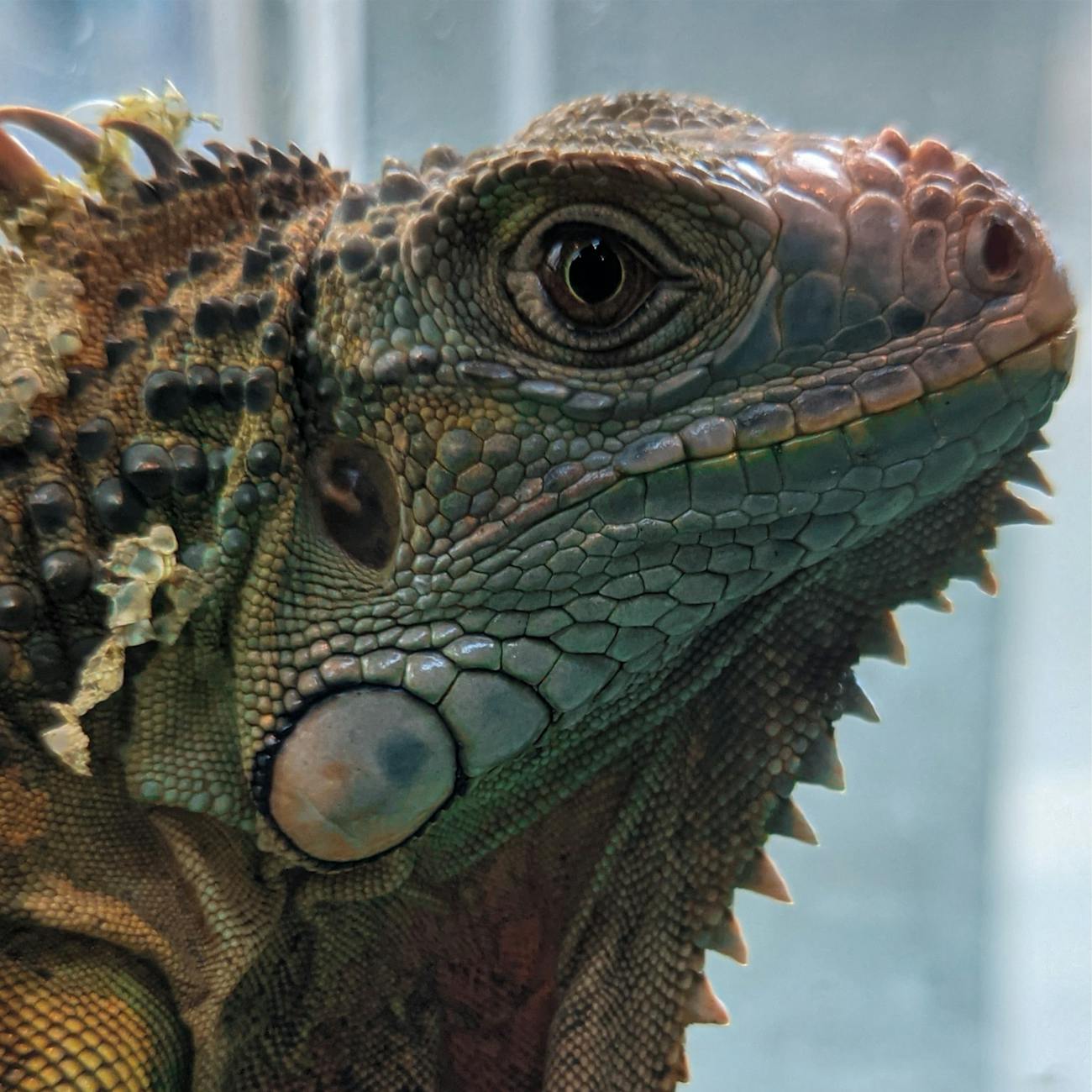
Exotic pets are animals that are not commonly kept as pets and require specialized care and handling. Handling exotic pets requires a unique set of skills and knowledge to ensure the well-being of the animals and the safety of the handlers. In the Professional Certificate in Exotic Pet Handling, students will learn essential practical skills to safely and effectively handle a variety of exotic animals. This course will cover key terms and vocabulary related to exotic pet handling to help students understand the concepts and techniques involved in working with these unique animals.
1. Exotic Pet: An exotic pet is any animal that is not typically kept as a pet. These animals can range from reptiles and birds to small mammals and invertebrates. Exotic pets require specialized care and handling due to their unique needs and behaviors.
2. Handling: Handling refers to the act of physically interacting with an animal, such as picking them up, moving them, or restraining them for examination or treatment. Proper handling techniques are essential to ensure the safety and well-being of both the animal and the handler.
3. Restraint: Restraint is the act of controlling an animal's movements to prevent them from escaping or causing harm. Different animals require different methods of restraint, depending on their species, size, and behavior.
4. Enrichment: Enrichment refers to activities or objects that stimulate an animal's natural behaviors and provide mental and physical stimulation. Enrichment is essential for keeping exotic pets mentally healthy and preventing boredom and stress.
5. Husbandry: Husbandry encompasses all aspects of caring for an animal, including feeding, housing, grooming, and medical care. Proper husbandry practices are crucial for maintaining the health and well-being of exotic pets.
6. Zoonotic Disease: Zoonotic diseases are illnesses that can be transmitted from animals to humans. Proper hygiene and handling practices are essential to prevent the spread of zoonotic diseases when working with exotic pets.
7. Quarantine: Quarantine is the isolation of animals to prevent the spread of infectious diseases. Quarantine protocols are essential when introducing a new exotic pet to a collection or when an animal shows signs of illness.
8. Handling Equipment: Handling equipment includes tools and devices used to safely handle and restrain exotic animals. Examples of handling equipment include gloves, nets, hooks, and squeeze cages.
9. Animal Behavior: Understanding animal behavior is crucial for safely handling exotic pets. Knowledge of species-specific behaviors can help handlers predict and prevent aggressive or fearful reactions.
10. Body Language: Animals communicate through body language, including posture, facial expressions, and vocalizations. Recognizing and interpreting an animal's body language is essential for effective handling and communication.
11. Stress Signs: Animals exhibit signs of stress when they are uncomfortable or frightened. Common stress signs in exotic pets include panting, pacing, hiding, and aggression. Recognizing stress signs is essential for adjusting handling techniques to reduce the animal's anxiety.
12. Desensitization: Desensitization is the process of gradually exposing an animal to a stimulus to reduce fear or anxiety. Desensitization techniques can help exotic pets become more comfortable with handling and reduce the risk of aggressive reactions.
13. Positive Reinforcement: Positive reinforcement involves rewarding desired behaviors to encourage their repetition. Using positive reinforcement techniques, such as treats or praise, can help exotic pets associate handling with positive experiences and build trust with their handlers.
14. Emergency Preparedness: Emergency preparedness involves having a plan in place to respond to unexpected situations, such as escapes, injuries, or medical emergencies. Being prepared for emergencies is essential for ensuring the safety of both the animals and the handlers.
15. Legal Considerations: Handling exotic pets may be subject to specific laws and regulations to protect the animals and the public. Understanding and complying with legal requirements is essential for maintaining ethical and responsible practices in exotic pet handling.
16. Risk Assessment: Risk assessment involves identifying potential hazards and evaluating the level of risk associated with specific handling tasks. Conducting a risk assessment before handling exotic pets can help prevent accidents and injuries.
17. Personal Protective Equipment (PPE): Personal protective equipment includes clothing and gear worn to protect handlers from physical or biological hazards. Examples of PPE for exotic pet handling include gloves, goggles, and masks.
18. Species-Specific Handling: Different species of exotic pets have unique handling requirements based on their size, behavior, and anatomy. Learning species-specific handling techniques is essential for safely interacting with a variety of exotic animals.
19. Handling Challenges: Handling exotic pets can present various challenges, such as aggressive behavior, escape attempts, or handling sensitive species. Developing effective handling strategies and techniques is crucial for overcoming these challenges and ensuring the safety of both the animals and the handlers.
20. Professional Development: Continuing education and training are essential for improving handling skills and staying up-to-date on best practices in exotic pet care. Professional development opportunities, such as workshops, seminars, and certifications, can help exotic pet handlers enhance their knowledge and skills.
In conclusion, mastering practical skills in exotic pet handling requires a combination of knowledge, experience, and a deep understanding of the unique needs and behaviors of exotic animals. By familiarizing themselves with key terms and vocabulary related to exotic pet handling, students in the Professional Certificate in Exotic Pet Handling can build a solid foundation for safely and effectively working with a variety of exotic pets.
Key takeaways
- This course will cover key terms and vocabulary related to exotic pet handling to help students understand the concepts and techniques involved in working with these unique animals.
- Exotic pets require specialized care and handling due to their unique needs and behaviors.
- Handling: Handling refers to the act of physically interacting with an animal, such as picking them up, moving them, or restraining them for examination or treatment.
- Restraint: Restraint is the act of controlling an animal's movements to prevent them from escaping or causing harm.
- Enrichment: Enrichment refers to activities or objects that stimulate an animal's natural behaviors and provide mental and physical stimulation.
- Husbandry: Husbandry encompasses all aspects of caring for an animal, including feeding, housing, grooming, and medical care.
- Proper hygiene and handling practices are essential to prevent the spread of zoonotic diseases when working with exotic pets.