
Client Communication in Exotic Pet Care
Client Communication in Exotic Pet Care involves a set of essential terms and vocabulary that are crucial for effective interaction with pet owners and ensuring the well-being of exotic animals under your care. Understanding these key conce…
Client Communication in Exotic Pet Care involves a set of essential terms and vocabulary that are crucial for effective interaction with pet owners and ensuring the well-being of exotic animals under your care. Understanding these key concepts is vital for professionals in the field of Exotic Pet Handling. Let's delve into the important terms associated with Client Communication in Exotic Pet Care:
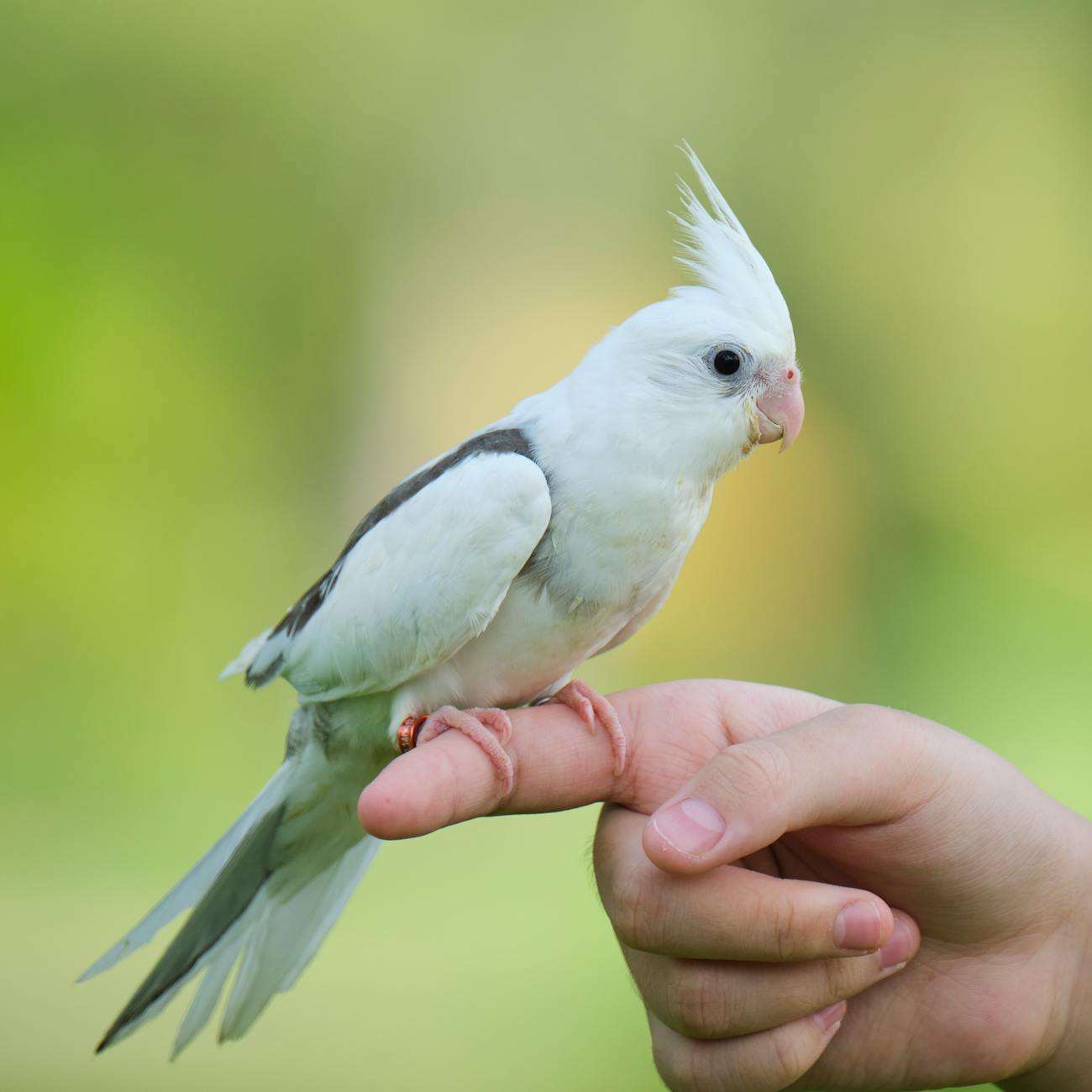
1. **Exotic Pets**: Exotic pets are non-traditional or non-domesticated animals that are kept as pets. These can include reptiles, birds, small mammals, and invertebrates. The care requirements for exotic pets can vary significantly from those of traditional pets like dogs and cats.
2. **Client Education**: Client education is a critical aspect of client communication in exotic pet care. It involves providing pet owners with the necessary information and guidance on how to properly care for their exotic pets. This includes diet, housing, enrichment, and medical care.
3. **Informed Consent**: Informed consent is the process by which a client agrees to a course of action after being fully informed of the risks, benefits, and alternatives. In exotic pet care, obtaining informed consent is essential before performing any procedures or treatments on the animal.
4. **Animal Husbandry**: Animal husbandry refers to the science of caring for and breeding animals. In the context of exotic pet care, proper animal husbandry practices are essential for maintaining the health and well-being of exotic animals.
5. **Zoonotic Diseases**: Zoonotic diseases are illnesses that can be transmitted from animals to humans. It is crucial for exotic pet owners to be aware of zoonotic diseases and take necessary precautions to prevent transmission.
6. **Client Compliance**: Client compliance refers to the degree to which a client follows the recommendations and instructions provided by the veterinarian or exotic pet handler. Ensuring client compliance is essential for the successful treatment and care of exotic pets.
7. **Anesthesia**: Anesthesia is the controlled loss of sensation or consciousness induced by the administration of drugs. Anesthesia is commonly used in exotic pet care for procedures such as surgeries and dental cleanings.
8. **Behavioral Enrichment**: Behavioral enrichment involves providing exotic animals with activities and stimuli that promote natural behaviors and mental stimulation. It is essential for the well-being of exotic pets in captivity.
9. **Nutritional Requirements**: Exotic pets have specific nutritional requirements based on their species, age, and health status. Understanding and meeting these requirements is crucial for maintaining the health and longevity of exotic animals.
10. **Client Communication Skills**: Client communication skills are the ability to effectively convey information, listen to clients' concerns, and build rapport. Strong communication skills are essential for establishing trust and ensuring compliance in exotic pet care.
11. **Medical Records**: Accurate and detailed medical records are essential in exotic pet care to track the health and treatment history of each animal. Maintaining thorough medical records is crucial for providing continuity of care and monitoring progress.
12. **Client Expectations**: Understanding and managing client expectations is a key aspect of client communication in exotic pet care. Clear communication about treatment options, outcomes, and costs can help align client expectations with the reality of caring for exotic pets.
13. **Client Confidentiality**: Client confidentiality is the ethical obligation to protect the privacy of clients and their pets. Maintaining client confidentiality is essential for building trust and maintaining professional relationships in exotic pet care.
14. **Emergency Preparedness**: Being prepared for emergencies is crucial in exotic pet care. Having a plan in place for handling emergencies, such as injuries or illnesses, can help ensure the safety and well-being of exotic animals.
15. **Consent Forms**: Consent forms are documents that clients sign to indicate their agreement to a proposed treatment or procedure. In exotic pet care, obtaining signed consent forms is important for legal and ethical reasons.
16. **Pain Management**: Pain management is essential in exotic pet care to ensure the comfort and well-being of animals undergoing procedures or treatments. Understanding and implementing appropriate pain management protocols is crucial for ethical care.
17. **Client Communication Platforms**: Client communication platforms refer to the various methods used to communicate with pet owners, such as phone calls, emails, text messages, and social media. Utilizing multiple communication platforms can help reach clients effectively.
18. **Cultural Competence**: Cultural competence refers to the ability to interact effectively with individuals from different cultural backgrounds. Understanding and respecting cultural differences can improve communication and build trust with clients in exotic pet care.
19. **Client Feedback**: Client feedback is valuable in exotic pet care for assessing client satisfaction and identifying areas for improvement. Encouraging and responding to client feedback can help enhance the quality of care provided to exotic pets.
20. **Client Relations**: Client relations involve building and maintaining positive relationships with pet owners. Strong client relations are essential for client retention and the overall success of an exotic pet care practice.
21. **Client Consultation**: Client consultation involves meeting with pet owners to discuss their concerns, provide information, and develop a treatment plan for their exotic pets. Effective client consultations require good communication skills and a thorough understanding of exotic pet care.
22. **Environmental Enrichment**: Environmental enrichment focuses on creating a stimulating and engaging environment for exotic animals. Providing environmental enrichment can help prevent boredom and improve the overall well-being of exotic pets.
23. **Client Empowerment**: Client empowerment involves educating and involving pet owners in the care of their exotic pets. Empowering clients to take an active role in their pet's health can lead to better outcomes and long-term success.
24. **Client Retention**: Client retention refers to the ability to keep clients coming back to your exotic pet care practice. Providing excellent care, communication, and customer service can help improve client retention rates.
25. **Client Communication Challenges**: Client communication in exotic pet care can present various challenges, such as language barriers, cultural differences, and client resistance. Overcoming these challenges requires patience, empathy, and effective communication strategies.
26. **Telemedicine**: Telemedicine involves using technology to provide veterinary care and consultations remotely. In exotic pet care, telemedicine can be a useful tool for communicating with clients, especially in cases where in-person visits are not possible.
27. **Client Education Materials**: Client education materials, such as brochures, handouts, and videos, can help pet owners better understand how to care for their exotic pets. Providing clear and informative education materials can enhance client communication and compliance.
28. **Client Satisfaction Surveys**: Client satisfaction surveys are used to gather feedback from pet owners about their experiences with an exotic pet care practice. Analyzing survey results can help identify areas for improvement and enhance client satisfaction.
29. **Client Billing and Payment**: Client billing and payment procedures involve communicating fees, payment options, and financial policies to pet owners. Clear and transparent billing practices are essential for maintaining trust and avoiding misunderstandings.
30. **Client Referrals**: Client referrals are recommendations from satisfied clients to others who may benefit from your exotic pet care services. Encouraging client referrals can help grow your practice and build a strong client base.
31. **Client Follow-Up**: Following up with clients after visits or procedures is important in exotic pet care to ensure continuity of care and address any concerns. Regular client follow-up can help build trust and foster long-term relationships.
32. **Client Communication Training**: Client communication training involves developing the skills and techniques needed to effectively communicate with pet owners. Ongoing training in client communication can help improve client satisfaction and the quality of care provided to exotic pets.
33. **Client Consent for Treatment**: Obtaining client consent for treatment is a fundamental aspect of client communication in exotic pet care. Clearly explaining the proposed treatment, risks, benefits, and costs can help ensure informed consent from pet owners.
34. **Client Advocacy**: Client advocacy involves representing the best interests of clients and their pets in the delivery of care. Advocating for clients can help ensure they receive the information, support, and services they need for their exotic pets.
35. **Client Communication Protocols**: Client communication protocols are established procedures for interacting with pet owners in a consistent and effective manner. Having clear communication protocols can help streamline client interactions and improve the overall client experience.
36. **Client Relationship Management**: Client relationship management involves building and maintaining positive relationships with pet owners over time. Effective client relationship management can lead to increased client loyalty and trust in your exotic pet care practice.
37. **Client Consent for Euthanasia**: Client consent for euthanasia is a sensitive and important aspect of client communication in exotic pet care. Discussing end-of-life care options with compassion and empathy is essential for supporting pet owners through difficult decisions.
38. **Client Communication Software**: Client communication software is technology used to manage client interactions, appointments, medical records, and communication in exotic pet care practices. Utilizing client communication software can help improve efficiency and organization.
39. **Client Communication Ethics**: Client communication ethics involve adhering to principles of honesty, transparency, and respect in interactions with pet owners. Upholding ethical standards in client communication is essential for maintaining trust and integrity in exotic pet care.
40. **Client Crisis Management**: Client crisis management involves responding to emergencies or critical situations involving clients and their pets. Having protocols in place for client crisis management can help ensure a prompt and effective response in challenging situations.
41. **Client Communication Strategies**: Client communication strategies are approaches and techniques used to effectively engage with pet owners and convey information. Tailoring communication strategies to individual clients can help improve understanding and compliance.
42. **Client Consent for Surgery**: Obtaining client consent for surgery is a crucial step in exotic pet care that involves explaining the procedure, risks, benefits, and postoperative care. Ensuring informed consent for surgery is essential for the welfare of exotic animals.
43. **Client Communication Technology**: Client communication technology includes tools and platforms used to communicate with pet owners, such as email, text messaging, teleconferencing, and client portals. Leveraging communication technology can enhance client engagement and convenience.
44. **Client Communication Best Practices**: Client communication best practices are guidelines and recommendations for effective communication with pet owners in exotic pet care. Following best practices can help build trust, improve client satisfaction, and enhance the quality of care provided.
45. **Client Education Workshops**: Client education workshops are sessions where pet owners can learn about specific topics related to exotic pet care, such as nutrition, behavior, or medical conditions. Hosting client education workshops can help empower clients to better care for their exotic pets.
46. **Client Communication Plan**: A client communication plan outlines the strategies, goals, and methods for engaging with pet owners and maintaining effective communication. Developing a client communication plan can help ensure consistent and meaningful interactions with clients.
47. **Client Communication Skills Training**: Client communication skills training involves learning and practicing the communication techniques needed to effectively interact with pet owners. Improving client communication skills can enhance client relationships and the quality of care provided.
48. **Client Consent for Anesthesia**: Obtaining client consent for anesthesia is a critical step in exotic pet care that involves explaining the risks, benefits, and monitoring procedures associated with anesthesia. Ensuring informed consent for anesthesia is essential for patient safety.
49. **Client Communication Feedback**: Client communication feedback involves soliciting input from pet owners about their experiences with communication in an exotic pet care practice. Using client feedback to evaluate and improve communication strategies can lead to better client relationships.
50. **Client Communication Challenges**: Client communication challenges in exotic pet care can include language barriers, cultural differences, emotional client responses, and misunderstandings. Overcoming these challenges requires empathy, patience, and effective communication skills.
In conclusion, mastering the key terms and vocabulary related to Client Communication in Exotic Pet Care is essential for professionals in the field of Exotic Pet Handling. Effective client communication is crucial for ensuring the health and well-being of exotic animals, building trust with pet owners, and delivering high-quality care. By understanding and applying these concepts, professionals can enhance client relationships, improve client compliance, and ultimately provide the best possible care for exotic pets.
Key takeaways
- Client Communication in Exotic Pet Care involves a set of essential terms and vocabulary that are crucial for effective interaction with pet owners and ensuring the well-being of exotic animals under your care.
- The care requirements for exotic pets can vary significantly from those of traditional pets like dogs and cats.
- It involves providing pet owners with the necessary information and guidance on how to properly care for their exotic pets.
- **Informed Consent**: Informed consent is the process by which a client agrees to a course of action after being fully informed of the risks, benefits, and alternatives.
- In the context of exotic pet care, proper animal husbandry practices are essential for maintaining the health and well-being of exotic animals.
- It is crucial for exotic pet owners to be aware of zoonotic diseases and take necessary precautions to prevent transmission.
- **Client Compliance**: Client compliance refers to the degree to which a client follows the recommendations and instructions provided by the veterinarian or exotic pet handler.