
Energy Policy and Regulations
Energy Policy and Regulations are crucial components of the Certified Specialist Programme in Renewable Energy Project Feasibility. Understanding the key terms and vocabulary in this field is essential for success in the program and in the …
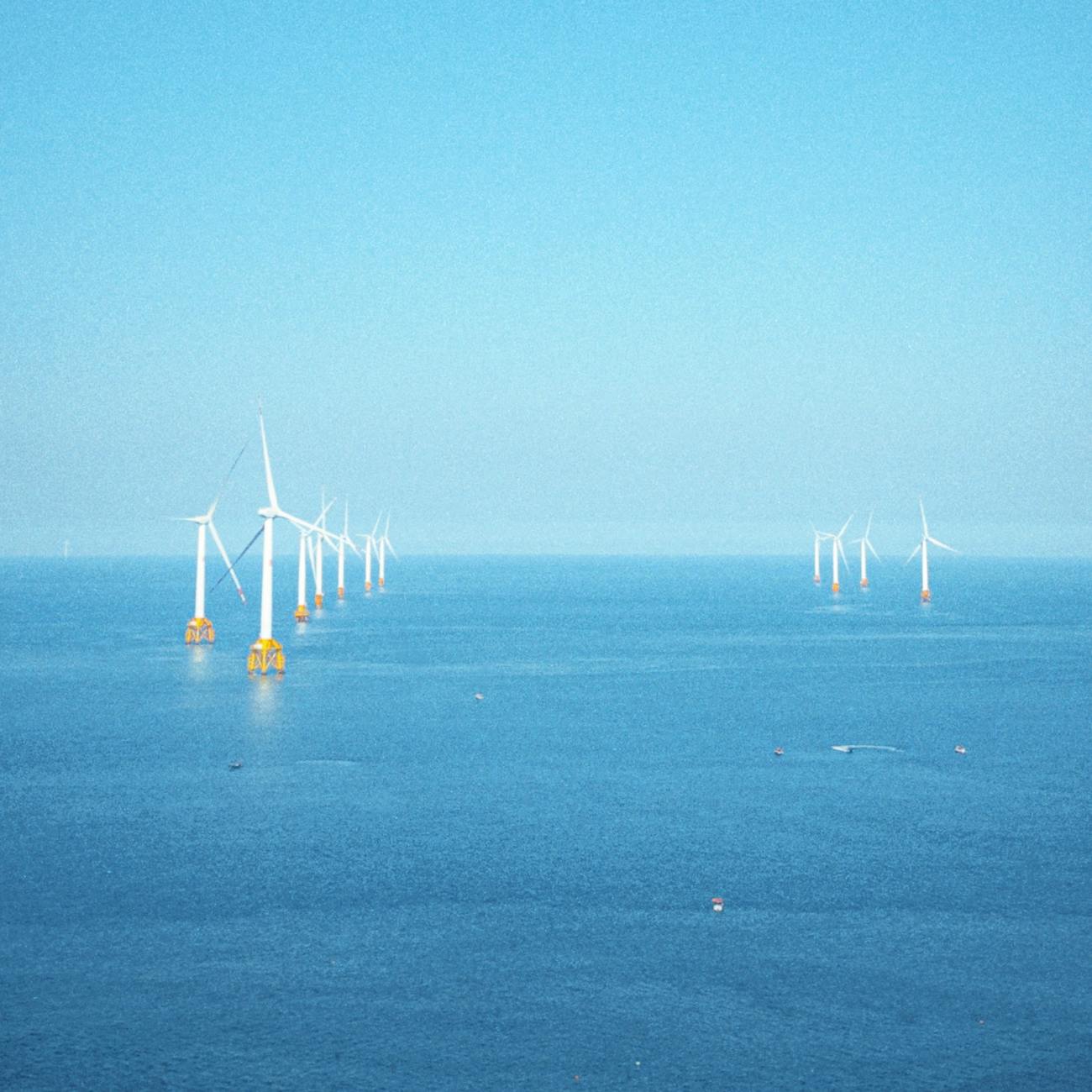
Energy Policy and Regulations are crucial components of the Certified Specialist Programme in Renewable Energy Project Feasibility. Understanding the key terms and vocabulary in this field is essential for success in the program and in the renewable energy industry. Here are some of the most important terms and concepts:
1. Renewable Energy: Energy obtained from resources that are naturally replenished, such as sunlight, wind, rain, and geothermal heat. 2. Non-Renewable Energy: Energy obtained from resources that cannot be replenished within a human lifespan, such as coal, oil, and natural gas. 3. Energy Policy: A course of action or principle adopted or proposed by a government organization or agency regarding the management, production, and distribution of energy. 4. Regulation: A rule or directive made and maintained by an authority, used to govern or manage a given activity or process. 5. Renewable Energy Certificate (REC): A tradable commodity that represents proof that 1 megawatt-hour (MWh) of renewable energy was generated and fed into the grid. 6. Feed-in Tariff (FIT): A policy mechanism designed to accelerate investment in renewable energy technologies by offering long-term contracts to renewable energy producers at a fixed rate. 7. Net Metering: A billing arrangement that allows customers with their own generation of electricity to receive credit for the electricity they produce and deliver to the grid. 8. Power Purchase Agreement (PPA): A long-term contract between an electricity generator and a buyer, specifying the terms and conditions for the sale of electricity. 9. Renewable Portfolio Standard (RPS): A regulation that requires electric utilities to supply a certain percentage of their electricity from renewable energy sources. 10. Energy Storage: The capture of energy produced at one time for use at a later time. 11. Distributed Generation (DG): The generation of electricity by a small-scale power producer, typically located close to where the electricity is used. 12. Grid Parity: The point at which the cost of renewable energy equals the cost of traditional energy sources. 13. Carbon Footprint: The total amount of greenhouse gases produced to directly and indirectly support human activities, usually expressed in equivalent tons of carbon dioxide (CO2). 14. Greenhouse Gases (GHGs): Gases in Earth's atmosphere that trap heat, leading to an increase in the average global temperature. 15. Emissions Trading: A market-based approach to controlling pollution by providing economic incentives for reducing emissions. 16. Clean Energy: Energy generated from sources that do not release significant amounts of greenhouse gases or other pollutants into the atmosphere. 17. Energy Efficiency: Using less energy to perform the same task, thus reducing energy waste. 18. Demand-side Management (DSM): The practice of managing the amount of electricity consumed by end-users in order to reduce peak demand. 19. Energy Service Company (ESCO): A company that provides energy management and efficiency services, including audits, retrofitting, and maintenance. 20. Smart Grid: An electrical grid that uses digital communications technology to detect and respond to local changes in usage and generation.
Energy policy and regulations play a critical role in shaping the renewable energy industry. By understanding these key terms and concepts, you will be better prepared to navigate the complex landscape of renewable energy project feasibility and make informed decisions about the future of energy.
Here are some practical applications and challenges related to these terms:
* Renewable Energy Certificates (RECs) can be used to demonstrate compliance with renewable energy mandates and to support the growth of the renewable energy industry. However, the value of RECs can vary widely depending on the region and the type of renewable energy source. * Feed-in tariffs (FITs) have been successful in many countries in promoting the adoption of renewable energy technologies. However, they can be costly for utilities and governments, and may lead to overproduction of renewable energy. * Net metering policies can make it easier for individuals and businesses to install their own renewable energy systems, but they can also lead to disputes over the value of the electricity generated. * Power purchase agreements (PPAs) can provide a stable source of revenue for renewable energy developers, but they can also be complex and require significant negotiation and legal expertise. * Renewable portfolio standards (RPSs) can drive the adoption of renewable energy technologies, but they can also be difficult to enforce and may lead to unintended consequences, such as increased energy prices. * Energy storage technologies can help to balance the grid and support the integration of renewable energy, but they can also be expensive and have limited capacity. * Distributed generation (DG) can provide local benefits, such as reduced transmission losses and increased energy independence, but it can also lead to conflicts over the distribution of costs and benefits. * Grid parity is an important milestone for the renewable energy industry, but it can be difficult to achieve in practice due to a variety of factors, including technology costs, incentives, and market structures. * Reducing the carbon footprint is a key goal of renewable energy policies, but it can be challenging to measure and verify the carbon emissions reductions associated with renewable energy projects. * Emissions trading schemes can provide economic incentives for reducing greenhouse gas emissions, but they can also be complex and subject to manipulation. * Clean energy technologies can provide a range of benefits, including reduced air pollution and improved energy security, but they can also be expensive and face technical and regulatory challenges. * Energy efficiency can provide significant energy savings and reduce greenhouse gas emissions, but it can also be difficult to achieve in practice due to a variety of factors, including behavioral barriers and market failures. * Demand-side management (DSM) can help to reduce peak demand and support the integration of renewable energy, but it can also be challenging to implement due to a variety of factors, including customer resistance and regulatory barriers. * Energy service companies (ESCOs) can provide a range of services to support energy efficiency and renewable energy projects, but they can also be expensive and may face challenges in demonstrating their value. * Smart grids can provide a range of benefits, including increased efficiency and reliability, but they can also be expensive and face technical and regulatory challenges.
In conclusion, energy policy and regulations are critical components of the renewable energy industry. By understanding the key terms and concepts in this field, you will be better prepared to navigate the complex landscape of renewable energy project feasibility and make informed decisions about the future of energy. Whether you are a policy maker, a developer, or a consumer, the choices you make about energy will have a significant impact on the environment, the economy, and society as a whole.
Key takeaways
- Understanding the key terms and vocabulary in this field is essential for success in the program and in the renewable energy industry.
- Feed-in Tariff (FIT): A policy mechanism designed to accelerate investment in renewable energy technologies by offering long-term contracts to renewable energy producers at a fixed rate.
- By understanding these key terms and concepts, you will be better prepared to navigate the complex landscape of renewable energy project feasibility and make informed decisions about the future of energy.
- * Demand-side management (DSM) can help to reduce peak demand and support the integration of renewable energy, but it can also be challenging to implement due to a variety of factors, including customer resistance and regulatory barriers.
- By understanding the key terms and concepts in this field, you will be better prepared to navigate the complex landscape of renewable energy project feasibility and make informed decisions about the future of energy.