
Renewable Energy Technologies
Renewable Energy Technologies (RETs) are energy generation methods that utilize naturally replenished resources, such as sunlight, wind, and geothermal heat. These technologies present a sustainable alternative to traditional energy sources…
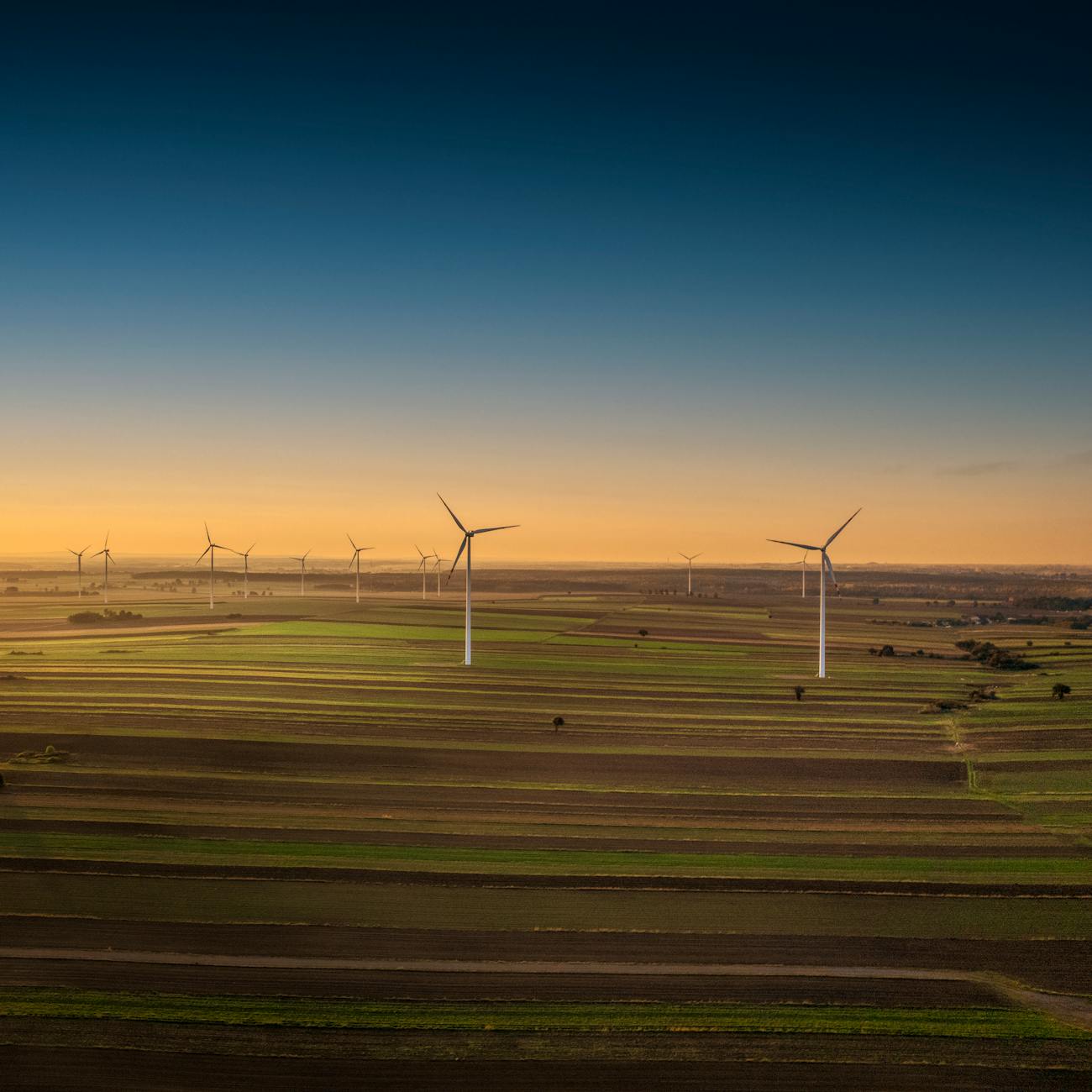
Renewable Energy Technologies (RETs) are energy generation methods that utilize naturally replenished resources, such as sunlight, wind, and geothermal heat. These technologies present a sustainable alternative to traditional energy sources, which often rely on finite fossil fuel reserves. Here we will discuss the key terms and vocabulary associated with RETs, as relevant to the Certified Specialist Programme in Renewable Energy Project Feasibility.
1. Photovoltaics (PV): This technology directly converts sunlight into electricity using semiconductor materials. Common applications include solar panels installed on rooftops or in large solar farms. 2. Concentrated Solar Power (CSP): Unlike PV, CSP systems use mirrors to concentrate sunlight onto a central point, generating heat that drives a steam turbine to produce electricity. 3. Wind Energy: Wind turbines convert the kinetic energy of the wind into mechanical energy, which is then transformed into electricity. 4. Hydropower: Hydropower plants harness the energy of flowing or falling water to generate electricity, typically using a turbine connected to a generator. 5. Geothermal Energy: Geothermal power plants exploit the Earth's internal heat to produce electricity. This heat can be extracted through geothermal reservoirs or from hot dry rocks. 6. Ocean Energy: Ocean energy technologies capture the energy from ocean waves, tides, and thermal gradients, converting it into electricity. 7. Biomass Energy: Biomass refers to organic matter used as fuel to generate electricity, heat, or transportation fuels. Common biomass sources include agricultural waste, wood chips, and municipal solid waste. 8. Energy Storage: Energy storage systems, such as batteries, store excess energy produced by RETs for later use, ensuring a consistent energy supply. 9. Grid Connected Systems: RETs can be connected to the electric grid, allowing excess energy to be distributed and sold to utility companies. 10. Off-grid Systems: These systems are not connected to the electric grid, instead relying solely on RETs to meet energy demands. 11. Levelized Cost of Energy (LCOE): LCOE is a metric used to compare the cost-effectiveness of different energy generation technologies, taking into account capital, operations, maintenance, and fuel costs over the system's lifetime. 12. Feed-in Tariffs (FITs): FITs are incentive programs that offer long-term contracts to renewable energy producers, guaranteeing a fixed price for the electricity they sell to the grid. 13. Net Metering: Net metering enables customers with grid-connected RETs to receive credits for excess energy they produce and feed back into the grid. 14. Power Purchase Agreement (PPA): A PPA is a contract between a renewable energy developer and a utility company or consumer, in which the developer agrees to sell electricity to the buyer at a predetermined price. 15. Capacity Factor: The capacity factor is the ratio of actual electricity production to the maximum possible output of a RET over a specific period. 16. Energy Payback Period (EPP): EPP refers to the time it takes for a RET to generate as much energy as was required to produce, install, and maintain it. 17. Carbon Footprint: The carbon footprint is the total amount of greenhouse gas emissions associated with a product, process, or organization. 18. Embodied Energy: Embodied energy refers to the energy consumed during the entire lifecycle of a product or material, including raw material extraction, manufacturing, transportation, and disposal. 19. Energy Efficiency: Energy efficiency refers to the reduction of energy use without compromising the performance, comfort, or productivity of a system, process, or appliance. 20. Renewable Portfolio Standards (RPS): RPS policies mandate that utility companies generate a specified percentage of their electricity from renewable energy sources.
Practical Applications:
RETs can be integrated into various sectors, such as residential, commercial, and industrial. For instance, a homeowner may install rooftop solar panels or a small wind turbine to generate electricity, reducing their dependence on the grid. A commercial building might incorporate a geothermal heating and cooling system, while an industrial facility may utilize biomass to generate heat and power.
Challenges:
Despite their benefits, RETs face several challenges, including:
1. Intermittency: Many RETs, such as solar and wind, are subject to fluctuations in resource availability. 2. High Upfront Costs: RETs often have high capital costs, which can impede their adoption. 3. Land Use: Large-scale RET installations, such as solar farms and wind turbines, can require significant land area. 4. Grid Integration: Integrating RETs into the existing electric grid can present technical challenges.
In conclusion, RETs offer a sustainable and environmentally friendly alternative to traditional energy sources. Understanding the key terms and concepts associated with these technologies is crucial for professionals working in the field of renewable energy project feasibility. By addressing challenges and capitalizing on their potential, RETs can contribute significantly to global efforts to reduce greenhouse gas emissions and transition to a low-carbon economy.
Key takeaways
- Here we will discuss the key terms and vocabulary associated with RETs, as relevant to the Certified Specialist Programme in Renewable Energy Project Feasibility.
- Levelized Cost of Energy (LCOE): LCOE is a metric used to compare the cost-effectiveness of different energy generation technologies, taking into account capital, operations, maintenance, and fuel costs over the system's lifetime.
- A commercial building might incorporate a geothermal heating and cooling system, while an industrial facility may utilize biomass to generate heat and power.
- Land Use: Large-scale RET installations, such as solar farms and wind turbines, can require significant land area.
- By addressing challenges and capitalizing on their potential, RETs can contribute significantly to global efforts to reduce greenhouse gas emissions and transition to a low-carbon economy.