
Art Authentication and Attribution
Art Authentication and Attribution are critical components of the art world. They help establish the authenticity and provenance of a work of art, ensuring its value and historical significance. In this explanation, we will discuss key term…
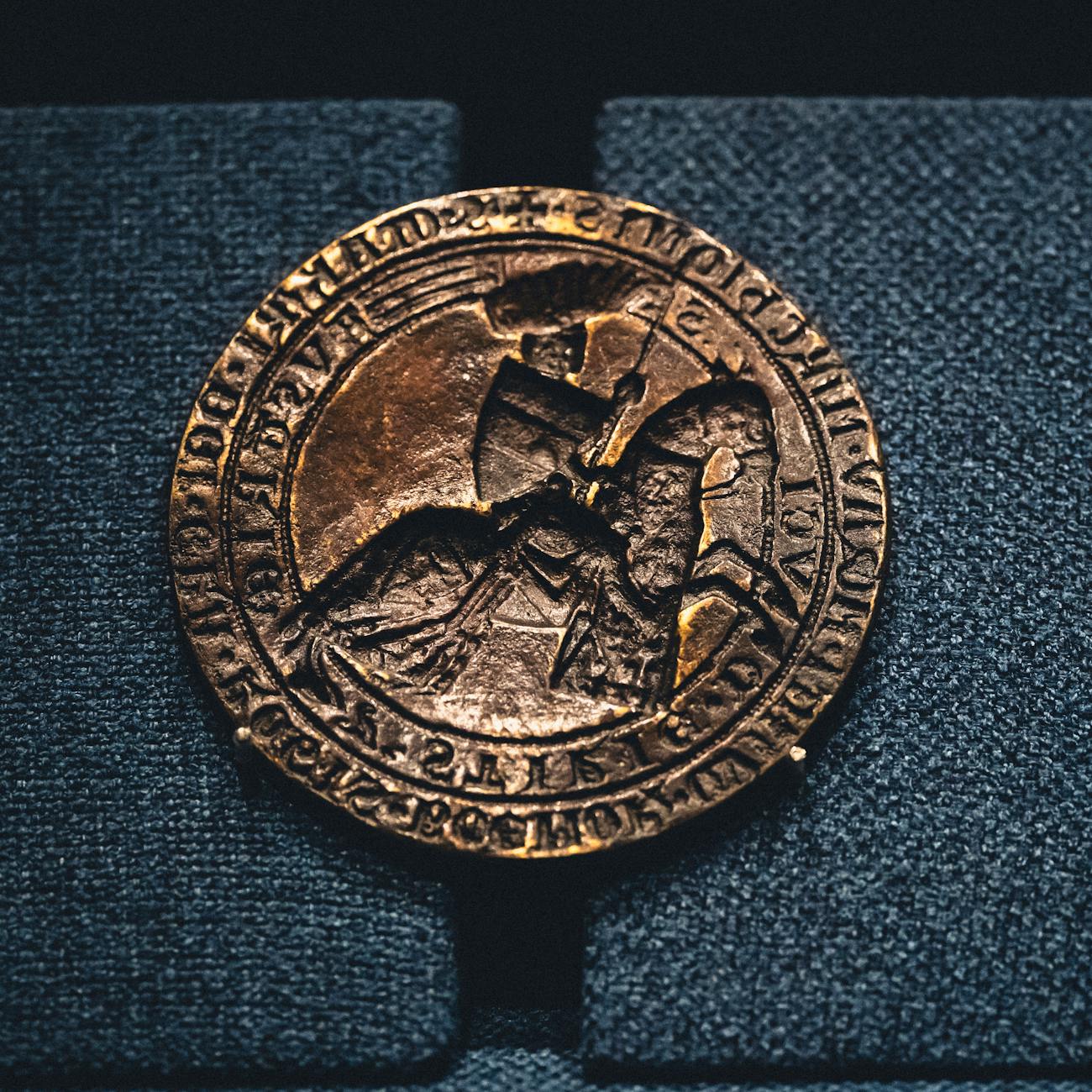
Art Authentication and Attribution are critical components of the art world. They help establish the authenticity and provenance of a work of art, ensuring its value and historical significance. In this explanation, we will discuss key terms and vocabulary related to Art Authentication and Attribution in the context of the Professional Certificate in Art Law.
Artwork: A work of art is a creative expression that can take various forms, including paintings, sculptures, photographs, and prints. Artworks are unique creations that often have historical, cultural, and monetary value.
Artist: An artist is an individual who creates art. They can be painters, sculptors, photographers, or any other type of creative professional who produces art.
Authenticity: Authenticity refers to the genuineness of an artwork. It is the quality of being authentic, true, or real. Authenticity is crucial in the art world as it determines the value and significance of a work of art.
Provenance: Provenance refers to the history of ownership and custody of an artwork. It includes details about who owned the artwork, when, and where it was created, and any subsequent sales or exhibitions. Provenance is essential in establishing the authenticity and value of a work of art.
Attribution: Attribution is the process of identifying the artist who created a work of art. It involves analyzing the style, technique, and materials used in the artwork to determine its creator.
Expertise: Expertise refers to the knowledge and skills of an individual or organization in a particular area. In the context of Art Authentication and Attribution, expertise refers to the ability to authenticate and attribute artworks accurately.
Authentication: Authentication is the process of verifying the authenticity of a work of art. It involves examining the artwork's physical and historical characteristics to determine its genuineness.
Authentication Board: An Authentication Board is a group of experts who are responsible for authenticating works of art. They use their expertise to examine the artwork and determine its authenticity.
Connoisseurship: Connoisseurship is the knowledge and appreciation of art. It involves understanding the style, technique, and historical context of artworks to attribute them to the correct artist.
Forensic Science: Forensic science is the application of scientific methods and techniques to legal investigations. In the context of Art Authentication and Attribution, forensic science can be used to analyze the materials and techniques used in an artwork to determine its authenticity.
Scientific Analysis: Scientific analysis is the examination of an artwork using scientific methods and techniques. It can include tests such as radiocarbon dating, infrared reflectography, and X-ray fluorescence spectroscopy.
Radiocarbon Dating: Radiocarbon dating is a scientific technique used to determine the age of organic materials, such as wood or canvas. It works by measuring the amount of carbon-14 present in the material.
Infrared Reflectography: Infrared reflectography is a scientific technique used to examine the layers of paint in a painting. It involves shining infrared light on the painting and analyzing the reflected light to reveal underdrawings or changes made by the artist.
X-Ray Fluorescence Spectroscopy: X-ray fluorescence spectroscopy is a scientific technique used to analyze the composition of materials used in an artwork. It involves bombarding the material with X-rays and analyzing the resulting fluorescence to determine the elements present.
Style: Style refers to the distinctive manner in which an artist creates art. It includes the use of color, brushwork, composition, and subject matter.
Technique: Technique refers to the methods and processes used by an artist to create art. It includes the use of tools, materials, and procedures.
Materials: Materials refer to the substances used by an artist to create art. They can include paint, canvas, wood, stone, or any other substance used in the creation of an artwork.
Challenges: Challenges in Art Authentication and Attribution include forgeries, misattributions, and the lack of historical records. Forgeries are intentional attempts to deceive by creating fake artworks. Misattributions occur when an artwork is incorrectly attributed to an artist. The lack of historical records can make it difficult to establish the provenance and authenticity of a work of art.
Practical Applications: Art Authentication and Attribution are crucial in the art world, particularly when it comes to buying and selling art. Collectors, dealers, and auction houses rely on the expertise of authentication boards and connoisseurs to determine the authenticity and value of artworks.
Authentication boards and connoisseurs use a combination of connoisseurship, scientific analysis, and historical research to authenticate and attribute artworks. Connoisseurship involves examining the style, technique, and materials used in the artwork to determine its creator. Scientific analysis involves using techniques such as radiocarbon dating, infrared reflectography, and X-ray fluorescence spectroscopy to examine the materials and techniques used in the artwork. Historical research involves examining the provenance and historical context of the artwork to establish its authenticity.
Challenges in Art Authentication and Attribution include forgeries, misattributions, and the lack of historical records. Forgeries are intentional attempts to deceive by creating fake artworks. Misattributions occur when an artwork is incorrectly attributed to an artist. The lack of historical records can make it difficult to establish the provenance and authenticity of a work of art.
To overcome these challenges, authentication boards and connoisseurs use a variety of techniques and methods. For example, they may use scientific analysis to detect forgeries or misattributions. They may also use historical records and provenance research to establish the authenticity of a work of art.
In the context of the Professional Certificate in Art Law, understanding Art Authentication and Attribution is essential for professionals working in the art world. It helps them to identify and prevent forgeries, misattributions, and other issues that can impact the value and significance of a work of art. It also helps them to understand the legal and ethical implications of Art Authentication and Attribution.
In conclusion, Art Authentication and Attribution are critical components of the art world. They involve the examination of an artwork's physical and historical characteristics to determine its authenticity and creator. Authentication boards, connoisseurs, and forensic scientists use a combination of connoisseurship, scientific analysis, and historical research to authenticate and attribute artworks. Challenges in Art Authentication and Attribution include forgeries, misattributions, and the lack of historical records. Understanding Art Authentication and Attribution is essential for professionals working in the art world, particularly those involved in buying, selling, and preserving art.
Key takeaways
- In this explanation, we will discuss key terms and vocabulary related to Art Authentication and Attribution in the context of the Professional Certificate in Art Law.
- Artwork: A work of art is a creative expression that can take various forms, including paintings, sculptures, photographs, and prints.
- They can be painters, sculptors, photographers, or any other type of creative professional who produces art.
- Authenticity is crucial in the art world as it determines the value and significance of a work of art.
- It includes details about who owned the artwork, when, and where it was created, and any subsequent sales or exhibitions.
- It involves analyzing the style, technique, and materials used in the artwork to determine its creator.
- In the context of Art Authentication and Attribution, expertise refers to the ability to authenticate and attribute artworks accurately.