
Artists' Resale Rights
Artists' Resale Right (ARR), also known as droit de suite, is a legal provision that grants artists and their heirs a percentage of the sale price every time their work is resold publicly, for the duration of the artist's life and for a cer…
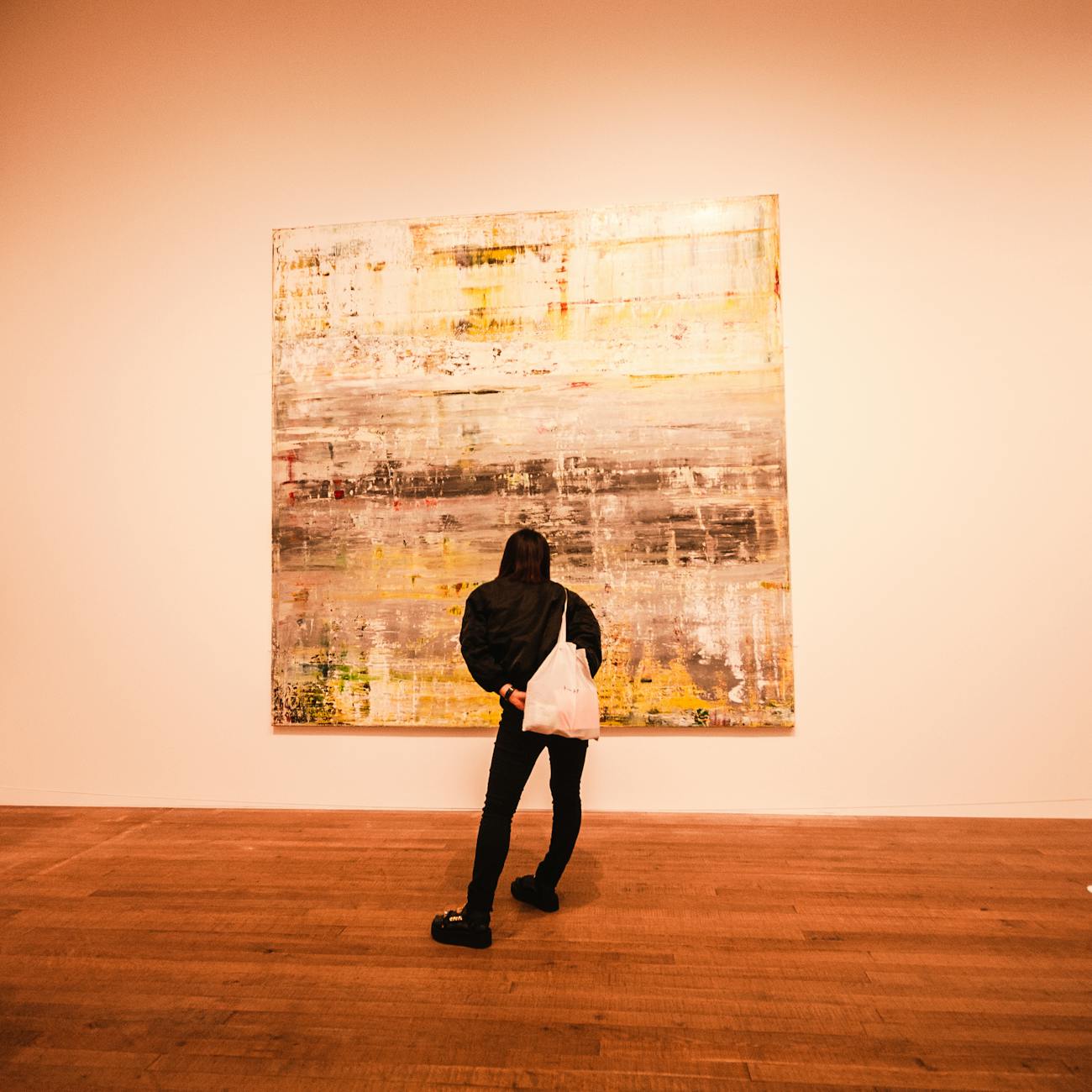
Artists' Resale Right (ARR), also known as droit de suite, is a legal provision that grants artists and their heirs a percentage of the sale price every time their work is resold publicly, for the duration of the artist's life and for a certain period after their death. This right aims to ensure that artists, especially visual artists, receive a fair share of the economic value created by the appreciation of their works in the art market.
In the context of the Professional Certificate in Art Law, understanding ARR requires familiarity with several key terms and concepts, such as:
1. **Public sale**: A sale that takes place through an auction house, gallery, or art dealer, as opposed to a private transaction between individuals. 2. **Original work of art**: A unique or limited edition creation, such as a painting, sculpture, or print, that is signed and numbered by the artist. 3. **Author**: The artist who created the original work of art. 4. **Beneficiaries**: The author's heirs or legal successors who are entitled to receive ARR royalties after the author's death. 5. **Collecting societies**: Organizations that manage and distribute ARR royalties on behalf of artists and their beneficiaries. 6. **Resale price**: The price paid for the original work of art in a public sale, not including taxes, commissions, or other fees. 7. **Royalty rate**: The percentage of the resale price that the artist or their beneficiaries are entitled to receive, which varies depending on the jurisdiction and the value of the work.
ARR is an essential concept in art law for several reasons. First, it recognizes the moral and economic rights of artists in their creations, as established by the Berne Convention for the Protection of Literary and Artistic Works and other international treaties. Second, it compensates artists for the increased value of their works over time, which may be due to their reputation, skill, or market demand. Third, it provides a financial incentive for artists to continue creating and innovating, as they can potentially benefit from the long-term success of their works.
However, ARR also raises several challenges and controversies, such as:
1. **Burden on the art market**: ARR may increase transaction costs and administrative burdens for auction houses, galleries, and dealers, who may pass on these costs to buyers and sellers in the form of higher prices or lower offers. 2. **Complexity of calculation**: ARR royalties depend on various factors, such as the resale price, the royalty rate, and the artist's country of origin, which may lead to disputes and errors in the calculation and payment of royalties. 3. **Limited scope of application**: ARR only applies to public sales of original works of art, which may exclude many types of artworks, such as photographs, digital art, or multiples, as well as private sales or online platforms. 4. **Inequality between artists**: ARR may benefit established or high-value artists more than emerging or low-value artists, as the former are more likely to have their works resold and appreciated in value over time. 5. **Conflicts with other legal provisions**: ARR may conflict with other legal provisions, such as copyright laws, tax laws, or cultural heritage laws, which may affect the artists' rights, the collectors' interests, or the public's access to art.
In conclusion, Artists' Resale Right is a key term and concept in art law that involves various stakeholders, such as artists, collectors, dealers, and collecting societies, as well as legal and economic issues, such as moral and economic rights, transaction costs, calculation methods, scope of application, and conflicts with other provisions. Understanding ARR requires familiarity with several key terms and concepts, as well as awareness of its challenges and controversies. By doing so, art professionals and enthusiasts can promote fairness, transparency, and sustainability in the art market and beyond.
Key takeaways
- This right aims to ensure that artists, especially visual artists, receive a fair share of the economic value created by the appreciation of their works in the art market.
- **Royalty rate**: The percentage of the resale price that the artist or their beneficiaries are entitled to receive, which varies depending on the jurisdiction and the value of the work.
- First, it recognizes the moral and economic rights of artists in their creations, as established by the Berne Convention for the Protection of Literary and Artistic Works and other international treaties.
- **Complexity of calculation**: ARR royalties depend on various factors, such as the resale price, the royalty rate, and the artist's country of origin, which may lead to disputes and errors in the calculation and payment of royalties.
- Understanding ARR requires familiarity with several key terms and concepts, as well as awareness of its challenges and controversies.