
Research Methods in Inclusive Fashion Design
Research Methods in Inclusive Fashion Design is a critical area of study in the Postgraduate Certificate in Inclusive Fashion Design program. This explanation will cover key terms and vocabulary that students are likely to encounter in thei…
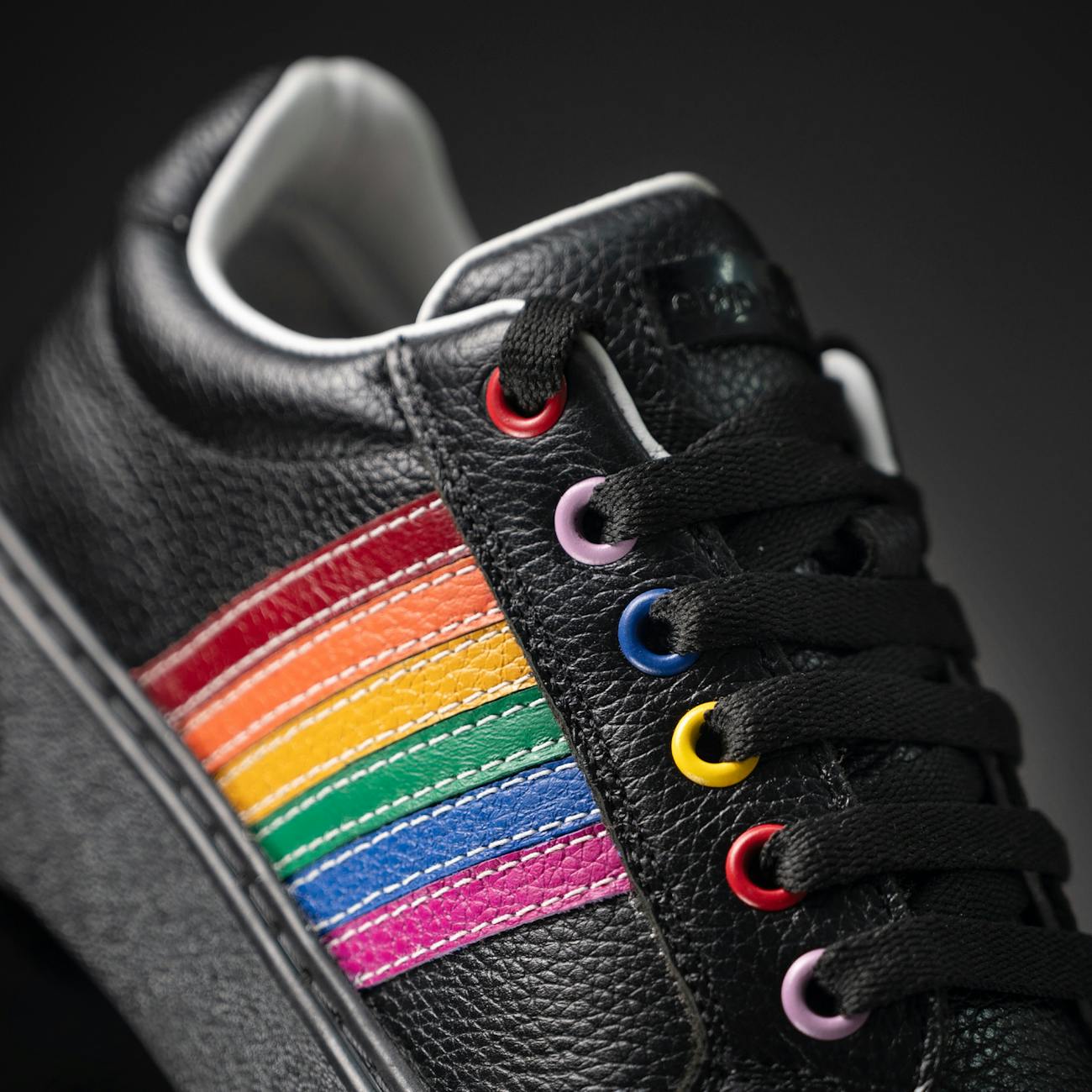
Research Methods in Inclusive Fashion Design is a critical area of study in the Postgraduate Certificate in Inclusive Fashion Design program. This explanation will cover key terms and vocabulary that students are likely to encounter in their studies.
1. Research Methods
Research methods are systematic procedures and techniques used to collect and analyze data to answer research questions. These methods can be quantitative, qualitative, or mixed methods, depending on the nature of the research question and the data required.
2. Quantitative Research
Quantitative research is a research method that involves collecting numerical data and analyzing it using statistical methods. Quantitative research is used to identify patterns, trends, and relationships in data and is often used to test hypotheses.
3. Qualitative Research
Qualitative research is a research method that involves collecting non-numerical data, such as interviews, observations, and focus groups. Qualitative research is used to understand the meaning, experiences, and perceptions of participants and is often used to generate hypotheses or theories.
4. Mixed Methods Research
Mixed methods research is a research method that combines quantitative and qualitative research methods. Mixed methods research is used to provide a more comprehensive understanding of a research question by collecting and analyzing both numerical and non-numerical data.
5. Inclusive Fashion Design
Inclusive fashion design is a design approach that considers the needs, preferences, and abilities of all users, regardless of their age, size, ability, or background. Inclusive fashion design aims to create clothing and accessories that are accessible, functional, and aesthetically pleasing to a diverse range of users.
6. User-Centered Design
User-centered design is a design approach that focuses on the needs, preferences, and abilities of users throughout the design process. User-centered design involves understanding user needs and preferences, prototyping and testing designs, and iterating on designs based on user feedback.
7. Co-Design
Co-design is a design approach that involves users in the design process as equal partners with designers. Co-design aims to create designs that are more relevant and meaningful to users by involving them in the design process from the beginning.
8. Participatory Action Research
Participatory action research is a research method that involves users in the research process as active participants. Participatory action research aims to create knowledge that is relevant and meaningful to users by involving them in the research process from the beginning.
9. Accessibility
Accessibility is the design of products, environments, and services that are usable by people with disabilities. Accessibility involves considering the needs, preferences, and abilities of people with disabilities in the design process.
10. Universal Design
Universal design is a design approach that aims to create products, environments, and services that are usable by all people, to the greatest extent possible, without the need for adaptation or specialized design. Universal design involves considering the needs, preferences, and abilities of all users in the design process.
11. Assistive Technology
Assistive technology is any device, software, or equipment that is used to increase, maintain, or improve the functional capabilities of people with disabilities. Assistive technology can include things like wheelchairs, hearing aids, and communication devices.
12. Adaptive Fashion
Adaptive fashion is a type of fashion design that is specifically designed for people with disabilities. Adaptive fashion involves modifying clothing and accessories to make them easier to put on and take off, more comfortable to wear, and more functional for people with disabilities.
13. Ergonomics
Ergonomics is the study of the relationship between people and their work environments. Ergonomics involves designing products, environments, and systems that are safe, comfortable, and efficient for people to use.
14. Human Factors
Human factors is a related field to ergonomics that focuses on the interaction between people and technology. Human factors involves designing technology that is safe, efficient, and easy to use for people.
15. Usability Testing
Usability testing is a method of evaluating the usability of a product, environment, or system by testing it with representative users. Usability testing involves observing users as they interact with the product, environment, or system and gathering feedback to improve the design.
16. Heuristic Evaluation
Heuristic evaluation is a method of evaluating the usability of a product, environment, or system by applying a set of heuristics or guidelines. Heuristic evaluation involves evaluating the product, environment, or system against the heuristics and identifying areas for improvement.
17. Cognitive Walkthrough
Cognitive walkthrough is a method of evaluating the usability of a product, environment, or system by simulating the thought processes of a user. Cognitive walkthrough involves creating a scenario and walking through the steps a user would take to complete a task, identifying any areas of confusion or difficulty.
18. Design Thinking
Design thinking is a problem-solving approach that involves empathizing with users, defining the problem, ideating solutions, prototyping, and testing. Design thinking is a user-centered approach that aims to create innovative and user-friendly solutions.
19. Ethnography
Ethnography is a research method that involves observing and participating in the culture and behavior of a group of people. Ethnography is used to understand the cultural context of a research question and to generate hypotheses or theories.
20. Case Study
Case study is a research method that involves studying a single case or a small number of cases in depth. Case studies are used to understand complex phenomena and to generate hypotheses or theories.
21. Action Research
Action research is a research method that involves taking action to improve a situation and studying the effects of that action. Action research is used to create knowledge that is relevant and meaningful to practitioners and to improve practice.
22. Grounded Theory
Grounded theory is a research method that involves generating a theory or explanation based on data collected from participants. Grounded theory is used to understand social phenomena and to generate hypotheses or theories.
23. Survey Research
Survey research is a research method that involves collecting data from a large number of participants using a standardized questionnaire. Survey research is used to understand attitudes, behaviors, and opinions.
24. Experimental Research
Experimental research is a research method that involves manipulating one or more variables and measuring the effect on a dependent variable. Experimental research is used to establish cause-and-effect relationships.
25. Quasi-Experimental Research
Quasi-experimental research is a research method that involves manipulating one or more variables and measuring the effect on a dependent variable, but without randomly assigning participants to conditions. Quasi-experimental research is used when random assignment is not possible or ethical.
In conclusion, this explanation has covered key terms and vocabulary related to Research Methods in Inclusive Fashion Design in the Postgraduate Certificate in Inclusive Fashion Design. Understanding these terms and concepts is essential for students to conduct rigorous and relevant research in the field of inclusive fashion design. By applying these research methods and approaches, students can create designs that are accessible, functional, and aesthetically pleasing to a diverse range of users.
Key takeaways
- Research Methods in Inclusive Fashion Design is a critical area of study in the Postgraduate Certificate in Inclusive Fashion Design program.
- These methods can be quantitative, qualitative, or mixed methods, depending on the nature of the research question and the data required.
- Quantitative research is a research method that involves collecting numerical data and analyzing it using statistical methods.
- Qualitative research is used to understand the meaning, experiences, and perceptions of participants and is often used to generate hypotheses or theories.
- Mixed methods research is used to provide a more comprehensive understanding of a research question by collecting and analyzing both numerical and non-numerical data.
- Inclusive fashion design is a design approach that considers the needs, preferences, and abilities of all users, regardless of their age, size, ability, or background.
- User-centered design involves understanding user needs and preferences, prototyping and testing designs, and iterating on designs based on user feedback.