
Cultural Diversity in Fashion Design
Cultural diversity in fashion design is an essential aspect of inclusive fashion design, which recognizes and values the unique styles, traditions, and identities of people from different cultural backgrounds. Here are some key terms and vo…
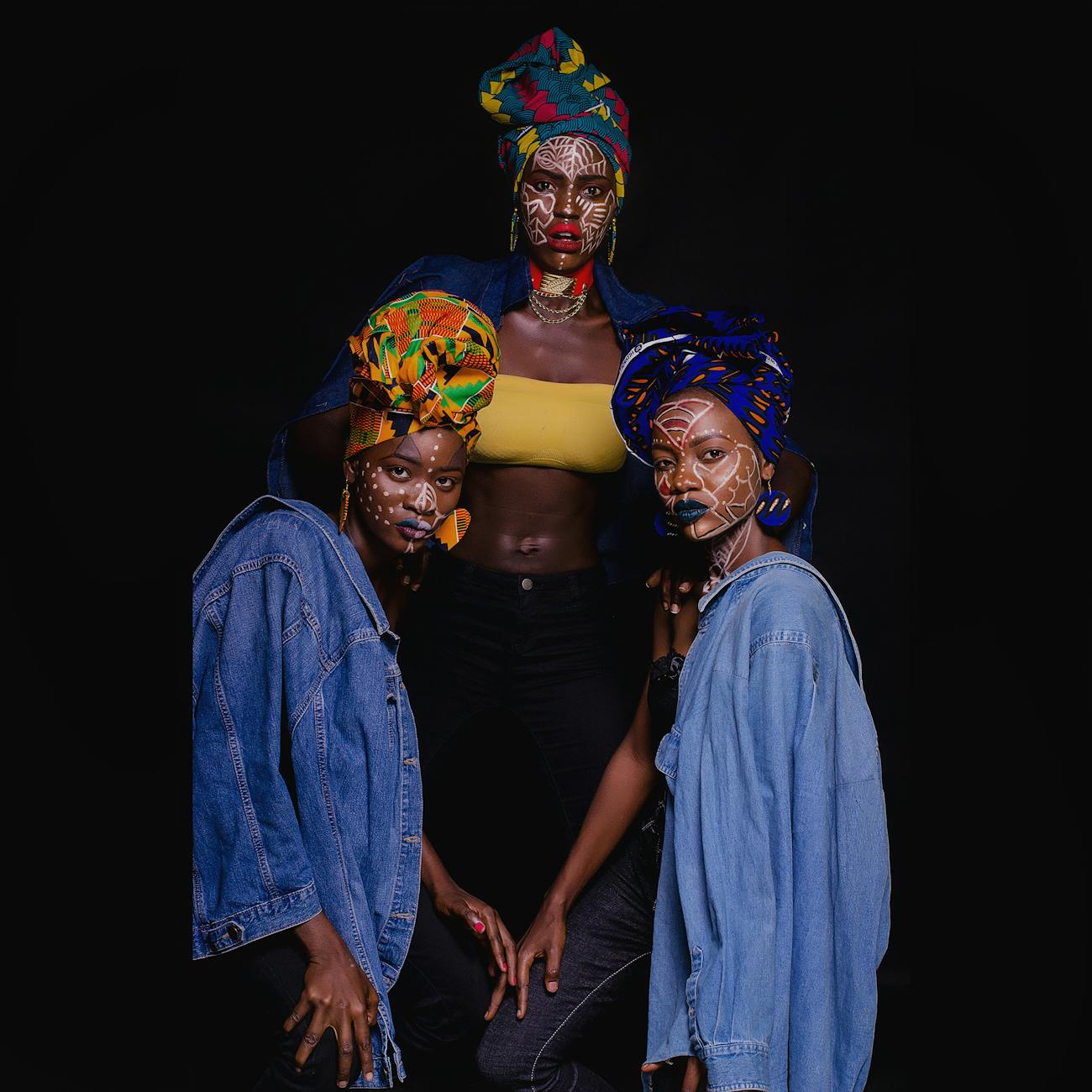
Cultural diversity in fashion design is an essential aspect of inclusive fashion design, which recognizes and values the unique styles, traditions, and identities of people from different cultural backgrounds. Here are some key terms and vocabulary related to cultural diversity in fashion design:
1. Cultural Appropriation: Cultural appropriation refers to the adoption or imitation of elements of one culture by members of another culture, often without understanding or respect for their original meaning or significance. In fashion design, cultural appropriation can occur when designers use traditional cultural symbols, motifs, or clothing items without proper attribution or permission, often leading to the exploitation and marginalization of the communities they originate from. Examples include the use of Native American headdresses as fashion accessories or the commodification of Chinese cheongsam dresses as "exotic" garments. 2. Cultural Sensitivity: Cultural sensitivity is the awareness and respect for the cultural differences and practices of others, and the ability to communicate and interact with people from different backgrounds in a way that is respectful and inclusive. In fashion design, cultural sensitivity involves being aware of the cultural significance of certain clothing items or symbols and avoiding the use of them in a way that is insensitive or disrespectful. For example, using a religious symbol as a design element without proper context or permission can be considered culturally insensitive. 3. Cultural Authenticity: Cultural authenticity refers to the preservation and celebration of traditional cultural practices and values, and the resistance to external influences that may dilute or distort them. In fashion design, cultural authenticity can be expressed through the use of traditional textiles, techniques, and designs that reflect the cultural heritage and identity of a particular community. Examples include the use of African wax prints, Native American beadwork, or Japanese shibori dyeing techniques. 4. Cultural Appreciation: Cultural appreciation is the recognition and celebration of the diversity and richness of different cultures, and the willingness to learn and engage with them in a respectful and positive way. In fashion design, cultural appreciation involves seeking out and promoting the work of designers from diverse backgrounds, using traditional cultural elements in a way that is respectful and authentic, and supporting cultural exchange and collaboration. 5. Cultural Exchange: Cultural exchange refers to the mutual sharing and learning of cultural practices, values, and traditions between people from different backgrounds. In fashion design, cultural exchange can occur through collaborations between designers from different cultures, the use of traditional cultural elements in contemporary designs, or the promotion of cultural diversity in the fashion industry. 6. Cultural Identity: Cultural identity refers to the sense of belonging and connection to a particular culture or community, based on shared values, beliefs, practices, and traditions. In fashion design, cultural identity can be expressed through the use of traditional clothing items, textiles, or designs that reflect the cultural heritage and identity of a particular community. 7. Cultural Diversity: Cultural diversity refers to the existence and recognition of different cultures, languages, religions, and traditions within a society or community. In fashion design, cultural diversity can be expressed through the use of diverse models, designers, and clothing items that reflect the richness and diversity of different cultures. 8. Cultural Sustainability: Cultural sustainability refers to the preservation and promotion of traditional cultural practices, values, and knowledge, in a way that is socially, economically, and environmentally sustainable. In fashion design, cultural sustainability can be expressed through the use of traditional textiles, techniques, and designs that are produced in a way that is respectful to the environment and the communities they originate from. 9. Cultural Inclusivity: Cultural inclusivity refers to the active inclusion and participation of people from diverse cultural backgrounds in the fashion industry, at all levels and in all aspects. In fashion design, cultural inclusivity can be expressed through the use of diverse models, designers, and clothing items that reflect the richness and diversity of different cultures, and the promotion of cultural exchange and collaboration. 10. Cultural Intellectual Property: Cultural intellectual property refers to the legal protection of traditional cultural expressions, such as designs, symbols, and motifs, against unauthorized use or exploitation. In fashion design, cultural intellectual property can be protected through trademarks, patents, or copyrights, and the use of traditional cultural elements should be done with proper attribution and permission.
In conclusion, cultural diversity in fashion design is an essential aspect of inclusive fashion design, which recognizes and values the unique styles, traditions, and identities of people from different cultural backgrounds. Understanding and respecting cultural differences and practices is crucial for fashion designers who want to create authentic, meaningful, and sustainable designs that reflect the diversity and richness of different cultures. By promoting cultural exchange, collaboration, and inclusivity, fashion designers can contribute to a more diverse, equitable, and sustainable fashion industry.
Key takeaways
- Cultural diversity in fashion design is an essential aspect of inclusive fashion design, which recognizes and values the unique styles, traditions, and identities of people from different cultural backgrounds.
- In fashion design, cultural sustainability can be expressed through the use of traditional textiles, techniques, and designs that are produced in a way that is respectful to the environment and the communities they originate from.
- Understanding and respecting cultural differences and practices is crucial for fashion designers who want to create authentic, meaningful, and sustainable designs that reflect the diversity and richness of different cultures.