
Body Positivity and Representation in Fashion
Body Positivity and Representation in Fashion are critical components of inclusive fashion design. These concepts promote the acceptance and celebration of diverse bodies, shapes, sizes, and abilities. This explanation delves into the key t…
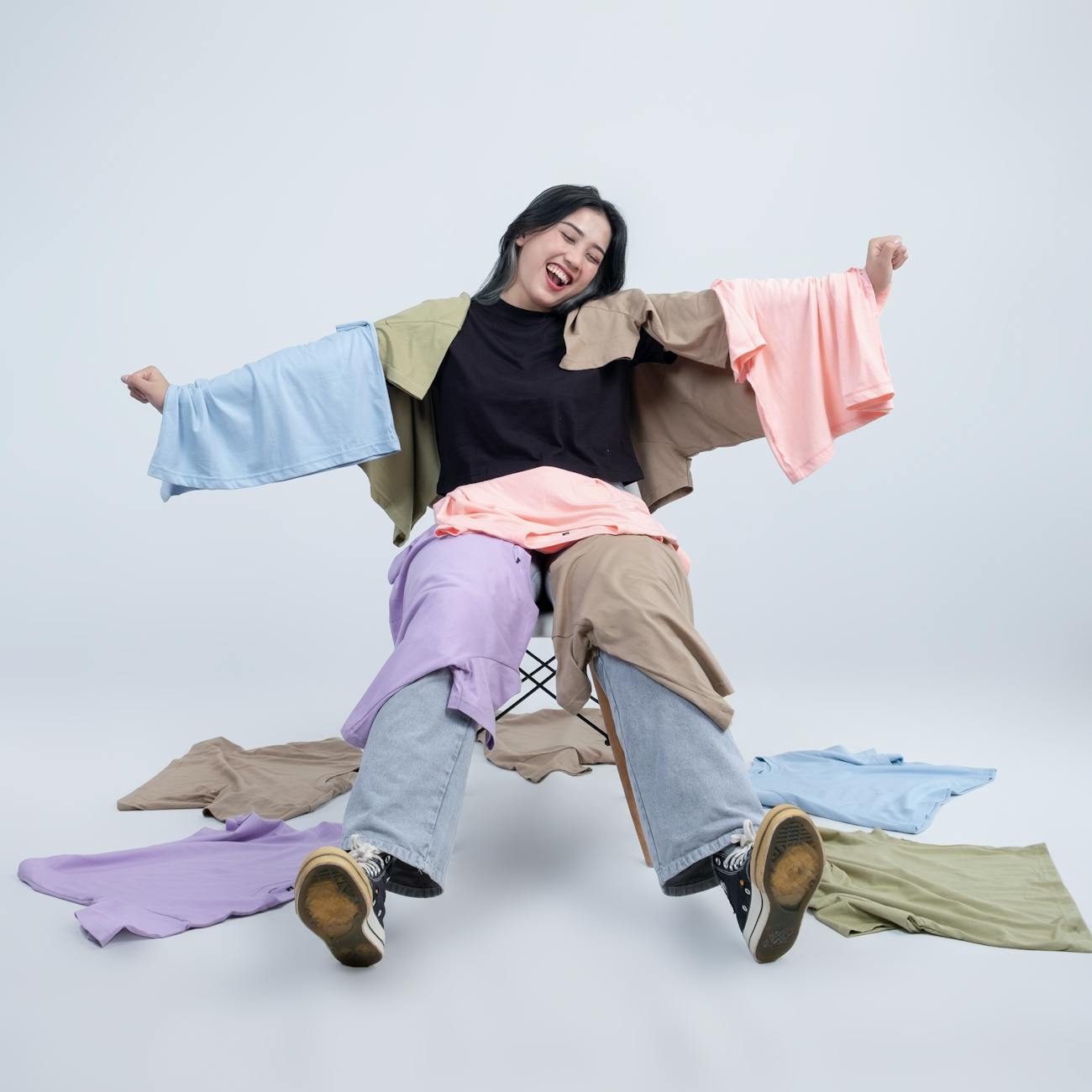
Body Positivity and Representation in Fashion are critical components of inclusive fashion design. These concepts promote the acceptance and celebration of diverse bodies, shapes, sizes, and abilities. This explanation delves into the key terms and vocabulary related to Body Positivity and Representation in Fashion in the context of the Postgraduate Certificate in Inclusive Fashion Design.
Body Positivity: Body Positivity is a social movement that encourages people to have a positive body image and accept their bodies as they are, regardless of their size, shape, or ability. The movement aims to challenge societal norms and beauty standards that promote thinness and able-bodiedness as the ideal.
Representation: Representation refers to the inclusion and accurate portrayal of diverse bodies, shapes, sizes, and abilities in the fashion industry. Representation can take many forms, including models, advertising campaigns, fashion designs, and fashion shows.
Inclusive Fashion Design: Inclusive Fashion Design is the practice of creating fashion that is accessible, functional, and appealing to people of all sizes, shapes, and abilities. Inclusive fashion design considers the needs and preferences of diverse consumers and seeks to create garments that fit and flatter a range of bodies.
Diverse Bodies: Diverse bodies refer to bodies that do not conform to societal norms and beauty standards. Diverse bodies come in all shapes, sizes, and abilities, and may include plus-size bodies, petite bodies, tall bodies, short bodies, disabled bodies, and aging bodies.
Size Inclusivity: Size inclusivity refers to the practice of including people of all sizes in fashion design and marketing. Size inclusivity challenges the fashion industry's traditional focus on thinness and promotes the inclusion of diverse body types in fashion.
Body Image: Body image refers to how a person perceives and feels about their body. Body image can be influenced by many factors, including societal norms, media representations, and personal experiences.
Intersectionality: Intersectionality is a framework that considers how multiple forms of discrimination and oppression intersect and overlap. In the context of fashion, intersectionality recognizes that people experience discrimination and oppression based on their race, gender, size, ability, and other factors.
Tokenism: Tokenism is the practice of including one or a few diverse individuals in a group or campaign to create the appearance of diversity, without addressing systemic issues of exclusion and marginalization. Tokenism can be harmful because it creates the illusion of diversity without addressing the underlying issues that perpetuate exclusion.
Adaptive Fashion: Adaptive fashion refers to fashion designed for people with disabilities or mobility issues. Adaptive fashion includes features such as magnetic closures, adjustable hems, and wheelchair-friendly designs.
Fashion Activism: Fashion activism refers to the use of fashion as a tool for social change. Fashion activism can take many forms, including using fashion to promote body positivity, challenging beauty standards, and advocating for size inclusivity.
Examples and Practical Applications:
* Using diverse models in advertising campaigns and fashion shows * Creating fashion designs that accommodate a range of body types and abilities * Challenging traditional beauty standards by promoting diverse body types and abilities * Incorporating adaptive features into fashion designs for people with disabilities or mobility issues * Using fashion as a platform for activism and social change
Challenges:
* Overcoming societal norms and beauty standards that promote thinness and able-bodiedness as the ideal * Addressing systemic issues of exclusion and marginalization in the fashion industry * Ensuring that diversity and inclusion are not tokenistic, but rather genuine and meaningful * Balancing the need for diversity and inclusivity with the need for functional and appealing fashion designs
In conclusion, Body Positivity and Representation in Fashion are critical components of inclusive fashion design. By using the key terms and vocabulary outlined in this explanation, fashion designers and industry professionals can create fashion that is accessible, functional, and appealing to people of all sizes, shapes, and abilities. Through the use of diverse models, adaptive fashion designs, and fashion activism, the fashion industry can challenge traditional beauty standards and promote a more inclusive and diverse fashion industry.
Key takeaways
- This explanation delves into the key terms and vocabulary related to Body Positivity and Representation in Fashion in the context of the Postgraduate Certificate in Inclusive Fashion Design.
- Body Positivity: Body Positivity is a social movement that encourages people to have a positive body image and accept their bodies as they are, regardless of their size, shape, or ability.
- Representation: Representation refers to the inclusion and accurate portrayal of diverse bodies, shapes, sizes, and abilities in the fashion industry.
- Inclusive Fashion Design: Inclusive Fashion Design is the practice of creating fashion that is accessible, functional, and appealing to people of all sizes, shapes, and abilities.
- Diverse bodies come in all shapes, sizes, and abilities, and may include plus-size bodies, petite bodies, tall bodies, short bodies, disabled bodies, and aging bodies.
- Size inclusivity challenges the fashion industry's traditional focus on thinness and promotes the inclusion of diverse body types in fashion.
- Body image can be influenced by many factors, including societal norms, media representations, and personal experiences.