
Ethical and Sustainable Practices in Inclusive Fashion
In the context of inclusive fashion, designers must consider the diverse needs of consumers, including those with disabilities, varying body types, and different cultural backgrounds. This requires a deep understanding of ethics and sustain…
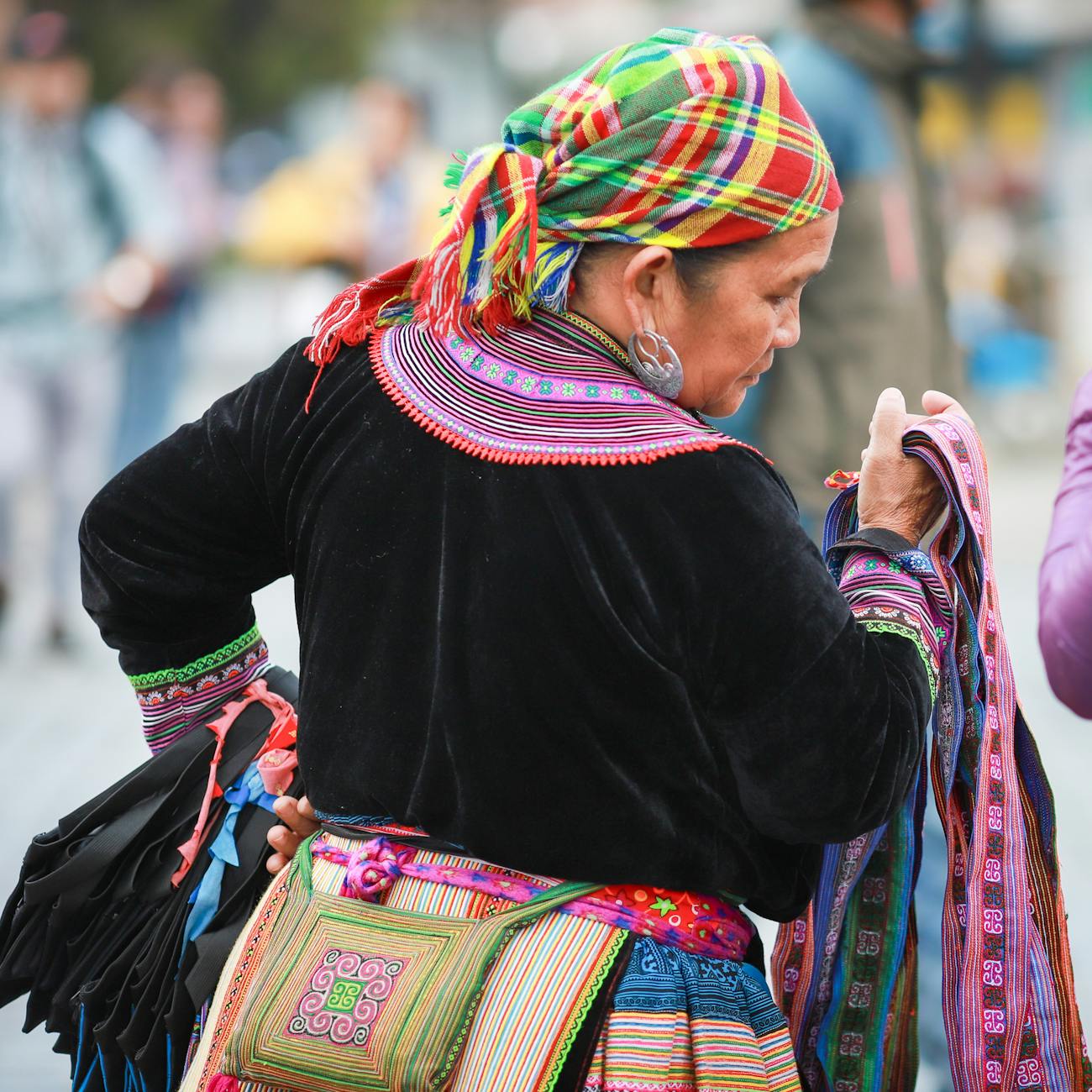
In the context of inclusive fashion, designers must consider the diverse needs of consumers, including those with disabilities, varying body types, and different cultural backgrounds. This requires a deep understanding of ethics and sustainability in the design process, from concept to production. Sustainable practices in fashion involve reducing waste, using eco-friendly materials, and promoting fair labor conditions. Inclusive fashion designers must also be aware of the social and environmental impact of their designs, considering factors such as accessibility, affordability, and cultural sensitivity.
The fashion industry has traditionally been criticized for its lack of diversity and inclusion, with many designers catering to a limited range of body types and abilities. However, there is a growing movement towards inclusive fashion, with designers recognizing the importance of creating clothing that is accessible and appealing to a broader range of consumers. This includes designing for people with disabilities, such as clothing with adaptive features, like magnetic closures or adjustable hemlines. Inclusive fashion designers must also consider the needs of consumers from diverse cultural backgrounds, taking into account different cultural norms and values related to dress and appearance.
One of the key challenges in inclusive fashion is balancing aesthetics with functionality. Designers must create clothing that is not only visually appealing but also meets the practical needs of consumers with diverse abilities and requirements. This can involve using assistive technologies, such as 3D printing or computer-aided design, to create customized clothing that meets the specific needs of individual consumers. Inclusive fashion designers must also be aware of the social and cultural context in which their designs will be worn, considering factors such as social norms, cultural values, and personal identity.
Sustainable practices are also essential in inclusive fashion, as the fashion industry is one of the largest polluters in the world. Designers must consider the environmental impact of their designs, from the sourcing of materials to the production and distribution of clothing. This can involve using recycled or upcycled materials, reducing waste, and promoting fair labor conditions. Inclusive fashion designers must also be aware of the social impact of their designs, considering factors such as labor rights, fair trade, and community development.
The concept of universal design is also relevant in inclusive fashion, as it involves designing products that are accessible and usable by everyone, regardless of age, ability, or cultural background. Universal design principles can be applied to fashion design, considering factors such as simplicity, intuitiveness, and flexibility. This can involve designing clothing with adjustable features, such as adjustable hemlines or cuffs, or using simple and intuitive fastening systems.
Inclusive fashion designers must also be aware of the business case for inclusion, as it can have a positive impact on the bottom line. By catering to a broader range of consumers, designers can increase their market share and revenue. Additionally, sustainable and inclusive practices can enhance a brand's reputation and credibility, attracting consumers who value ethics and sustainability. However, there are also challenges in implementing inclusive and sustainable practices in fashion, including higher production costs, limited availability of eco-friendly materials, and the need for significant changes to traditional design and production processes.
The use of technology is also essential in inclusive fashion, as it can facilitate the design and production of clothing that meets the diverse needs of consumers. This can involve using 3D printing, computer-aided design, or other digital tools to create customized clothing. Technology can also enable remote participation and collaboration, allowing designers to work with consumers and stakeholders from diverse backgrounds and locations. However, there are also challenges in using technology in inclusive fashion, including the need for significant investment in infrastructure and training, as well as the potential for digital divides and exclusion.
The concept of co-creation is also relevant in inclusive fashion, as it involves collaborating with consumers and stakeholders to design and produce clothing that meets their diverse needs. Co-creation can involve participatory design processes, where consumers are actively involved in the design and production of clothing. This can help to ensure that clothing is accessible and usable by everyone, regardless of age, ability, or cultural background. Co-creation can also facilitate the development of sustainable and inclusive business models, where consumers are empowered to make informed choices about the clothing they purchase.
Inclusive fashion designers must also be aware of the policy and regulatory context in which they operate, considering factors such as labor laws, environmental regulations, and consumer protection legislation. This can involve complying with standards and guidelines for accessibility and sustainability, as well as participating in industry initiatives and collaborations to promote inclusion and sustainability. However, there are also challenges in navigating the policy and regulatory context, including the need for significant resources and expertise, as well as the potential for conflicting priorities and interests.
The concept of social responsibility is also essential in inclusive fashion, as it involves considering the social and environmental impact of design and production processes. Social responsibility can involve philanthropic initiatives, such as donating to charities or community organizations, as well as strategic partnerships and collaborations to promote inclusion and sustainability. However, there are also challenges in implementing social responsibility initiatives, including the need for significant resources and expertise, as well as the potential for conflicting priorities and interests.
Inclusive fashion designers must also be aware of the educational and training needs of consumers and stakeholders, considering factors such as literacy and numeracy skills, as well as cultural and linguistic diversity. Educational and training initiatives can involve workshops and seminars, as well as online resources and guides. However, there are also challenges in providing educational and training initiatives, including the need for significant resources and expertise, as well as the potential for digital divides and exclusion.
The concept of community engagement is also essential in inclusive fashion, as it involves collaborating with consumers and stakeholders to design and produce clothing that meets their diverse needs. Community engagement can involve participatory design processes, where consumers are actively involved in the design and production of clothing. Community engagement can also facilitate the development of sustainable and inclusive business models, where consumers are empowered to make informed choices about the clothing they purchase.
Inclusive fashion designers must also be aware of the research and development needs of consumers and stakeholders, considering factors such as emerging trends and technologies, as well as innovation and entrepreneurship. Research and development initiatives can involve collaborations with universities and research institutions, as well as industry partnerships and initiatives. However, there are also challenges in providing research and development initiatives, including the need for significant resources and expertise, as well as the potential for conflicting priorities and interests.
The concept of stakeholder engagement is also essential in inclusive fashion, as it involves collaborating with consumers and stakeholders to design and produce clothing that meets their diverse needs. Stakeholder engagement can involve participatory design processes, where consumers are actively involved in the design and production of clothing. Stakeholder engagement can also facilitate the development of sustainable and inclusive business models, where consumers are empowered to make informed choices about the clothing they purchase.
Inclusive fashion designers must also be aware of the global context in which they operate, considering factors such as globalization and international trade, as well as cultural and linguistic diversity. The global context can involve collaborations with international partners and stakeholders, as well as compliance with global standards and regulations. However, there are also challenges in navigating the global context, including the need for significant resources and expertise, as well as the potential for conflicting priorities and interests.
The concept of systems thinking is also essential in inclusive fashion, as it involves considering the interconnectedness of design and production processes, as well as the social and environmental impact of the fashion industry. Systems thinking can involve holistic approaches to design and production, considering factors such as material sourcing, production processes, and waste management. Systems thinking can also facilitate the development of sustainable and inclusive business models, where consumers are empowered to make informed choices about the clothing they purchase.
Inclusive fashion designers must also be aware of the communication and feedback needs of consumers and stakeholders, considering factors such as clear and concise language, as well as accessible and usable communication channels. Communication and feedback initiatives can involve surveys and focus groups, as well as social media and online forums. However, there are also challenges in providing communication and feedback initiatives, including the need for significant resources and expertise, as well as the potential for conflicting priorities and interests.
The concept of partnership building is also essential in inclusive fashion, as it involves collaborating with consumers and stakeholders to design and produce clothing that meets their diverse needs. Partnership building can involve strategic partnerships and collaborations, as well as community engagement and stakeholder engagement. Partnership building can also facilitate the development of sustainable and inclusive business models, where consumers are empowered to make informed choices about the clothing they purchase.
Inclusive fashion designers must also be aware of the evaluation and monitoring needs of consumers and stakeholders, considering factors such as impact assessment and outcome evaluation. Evaluation and monitoring initiatives can involve data collection and analysis, as well as reporting and accountability mechanisms. However, there are also challenges in providing evaluation and monitoring initiatives, including the need for significant resources and expertise, as well as the potential for conflicting priorities and interests.
The concept of capacity building is also essential in inclusive fashion, as it involves developing the skills and knowledge of designers, producers, and consumers to create clothing that is accessible and usable by everyone. Capacity building can involve training and education initiatives, as well as mentoring and coaching programs. Capacity building can also facilitate the development of sustainable and inclusive business models, where consumers are empowered to make informed choices about the clothing they purchase.
Inclusive fashion designers must also be aware of the advocacy and activism needs of consumers and stakeholders, considering factors such as human rights and social justice. Advocacy and activism initiatives can involve campaigns and protests, as well as lobbying and policy reform. However, there are also challenges in providing advocacy and activism initiatives, including the need for significant resources and expertise, as well as the potential for conflicting priorities and interests.
The concept of networking and collaboration is also essential in inclusive fashion, as it involves building relationships and partnerships with consumers, stakeholders, and other organizations. Networking and collaboration can involve conferences and workshops, as well as online forums and social media platforms. Networking and collaboration can also facilitate the development of sustainable and inclusive business models, where consumers are empowered to make informed choices about the clothing they purchase.
Inclusive fashion designers must also be aware of the funding and resource needs of consumers and stakeholders, considering factors such as grants and donations, as well as investments and loans. Funding and resource initiatives can involve applications and proposals, as well as reporting and accountability mechanisms. However, there are also challenges in providing funding and resource initiatives, including the need for significant resources and expertise, as well as the potential for conflicting priorities and interests.
The concept of policy and regulation is also essential in inclusive fashion, as it involves developing and implementing policies and regulations that promote inclusion and sustainability. Policy and regulation can involve legislation and enforcement, as well as guidelines and standards. Policy and regulation can also facilitate the development of sustainable and inclusive business models, where consumers are empowered to make informed choices about the clothing they purchase.
Inclusive fashion designers must also be aware of the technology and innovation needs of consumers and stakeholders, considering factors such as emerging trends and technologies, as well as research and development. Technology and innovation initiatives can involve prototyping and testing, as well as launching and scaling new products and services. However, there are also challenges in providing technology and innovation initiatives, including the need for significant resources and expertise, as well as the potential for conflicting priorities and interests.
The concept of education and training is also essential in inclusive fashion, as it involves developing the skills and knowledge of designers, producers, and consumers to create clothing that is accessible and usable by everyone. Education and training can involve workshops and seminars, as well as online courses and resources. Education and training can also facilitate the development of sustainable and inclusive business models, where consumers are empowered to make informed choices about the clothing they purchase.
Inclusive fashion designers must also be aware of the marketing and communication needs of consumers and stakeholders, considering factors such as branding and advertising, as well as social media and public relations. Marketing and communication initiatives can involve campaigns and promotions, as well as events and activations. However, there are also challenges in providing marketing and communication initiatives, including the need for significant resources and expertise, as well as the potential for conflicting priorities and interests.
The concept of leadership and governance is also essential in inclusive fashion, as it involves developing and implementing strategies and policies that promote inclusion and sustainability. Leadership and governance can involve vision and mission, as well as goals and objectives. Leadership and governance can also facilitate the development of sustainable and inclusive business models, where consumers are empowered to make informed choices about the clothing they purchase.
Inclusive fashion designers must also be aware of the accountability and transparency needs of consumers and stakeholders, considering factors such as reporting and disclosure, as well as auditing and evaluation. Accountability and transparency initiatives can involve standards and guidelines, as well as certification and accreditation. However, there are also challenges in providing accountability and transparency initiatives, including the need for significant resources and expertise, as well as the potential for conflicting priorities and interests.
The concept of stewardship and responsibility is also essential in inclusive fashion, as it involves taking care and responsibility for the social and environmental impact of the fashion industry. Stewardship and responsibility can involve conservation and sustainability, as well as ethics and integrity. Stewardship and responsibility can also facilitate the development of sustainable and inclusive business models, where consumers are empowered to make informed choices about the clothing they purchase.
Inclusive fashion designers must also be aware of the participation and engagement needs of consumers and stakeholders, considering factors such as involvement and participation, as well as empowerment and enablement. Participation and engagement initiatives can involve co-creation and co-design, as well as community engagement and stakeholder engagement. However, there are also challenges in providing participation and engagement initiatives, including the need for significant resources and expertise, as well as the potential for conflicting priorities and interests.
The concept of inclusivity and diversity is also essential in inclusive fashion, as it involves promoting diversity and inclusion in all aspects of the fashion industry. Inclusivity and diversity can involve representation and visibility, as well as equity and justice. Inclusivity and diversity can also facilitate the development of sustainable and inclusive business models, where consumers are empowered to make informed choices about the clothing they purchase.
Inclusive fashion designers must also be aware of the accessibility and usability needs of consumers and stakeholders, considering factors such as physical and sensory accessibility, as well as cognitive and emotional accessibility. Accessibility and usability initiatives can involve design and development, as well as testing and evaluation. However, there are also challenges in providing accessibility and usability initiatives, including the need for significant resources and expertise, as well as the potential for conflicting priorities and interests.
The concept of sustainability and responsibility is also essential in inclusive fashion, as it involves taking care and responsibility for the social and environmental impact of the fashion industry. Sustainability and responsibility can involve conservation and sustainability, as well as ethics and integrity. Sustainability and responsibility can also facilitate the development of sustainable and inclusive business models, where consumers are empowered to make informed choices about the clothing they purchase.
Inclusive fashion designers must also be aware of the education and awareness needs of consumers and stakeholders, considering factors such as knowledge and understanding, as well as attitudes and behaviors. Education and awareness initiatives can involve training and education, as well as campaigns and promotions. However, there are also challenges in providing education and awareness initiatives, including the need for significant resources and expertise, as well as the potential for conflicting priorities and interests.
The concept of community and social impact is also essential in inclusive fashion, as it involves promoting social and community development, as well as human rights and social justice. Community and social impact can involve partnerships and collaborations, as well as donations and fundraising. Community and social impact can also facilitate the development of sustainable and inclusive business models, where consumers are empowered to make informed choices about the clothing they purchase.
Inclusive fashion designers must also be aware of the environmental and sustainability needs of consumers and stakeholders, considering factors such as climate change and environmental degradation, as well as conservation and sustainability. Environmental and sustainability initiatives can involve design and development, as well as testing and evaluation. However, there are also challenges in providing environmental and sustainability initiatives, including the need for significant resources and expertise, as well as the potential for conflicting priorities and interests.
The concept of equality and justice is also essential in inclusive fashion, as it involves promoting equality and justice in all aspects of the fashion industry. Equality and justice can involve representation and visibility, as well as equity and justice. Equality and justice can also facilitate the development of sustainable and inclusive business models, where consumers are empowered to make informed choices about the clothing they purchase.
Inclusive fashion designers must also be aware of the human rights and social justice needs of consumers and stakeholders, considering factors such as human dignity and human rights, as well as social justice and human security. Human rights and social justice initiatives can involve advocacy and activism, as well as partnerships and collaborations. However, there are also challenges in providing human rights and social justice initiatives, including the need for significant resources and expertise, as well as the potential for conflicting priorities and interests.
The concept of transparency and accountability is also essential in inclusive fashion, as it involves promoting transparency and accountability in all aspects of the fashion industry. Transparency and accountability can involve reporting and disclosure, as well as auditing and evaluation. Transparency and accountability can also facilitate the development of sustainable and inclusive business models, where consumers are empowered to make informed choices about the clothing they purchase.
Inclusive fashion designers must also be aware of the stakeholder engagement needs of consumers and stakeholders, considering factors such as communication and participation, as well as empowerment and enablement. Stakeholder engagement initiatives can involve co-creation and co-design, as well as community engagement and stakeholder engagement. However, there are also challenges in providing stakeholder engagement initiatives, including the need for significant resources and expertise, as well as the potential for conflicting priorities and interests.
The concept of innovation and entrepreneurship is also essential in inclusive fashion, as it involves promoting innovation and entrepreneurship in all aspects of the fashion industry. Innovation and entrepreneurship can involve design and development, as well as testing and evaluation. Innovation and entrepreneurship can also facilitate the development of sustainable and inclusive business models, where consumers are empowered to make informed choices about the clothing they purchase.
Key takeaways
- In the context of inclusive fashion, designers must consider the diverse needs of consumers, including those with disabilities, varying body types, and different cultural backgrounds.
- Inclusive fashion designers must also consider the needs of consumers from diverse cultural backgrounds, taking into account different cultural norms and values related to dress and appearance.
- Inclusive fashion designers must also be aware of the social and cultural context in which their designs will be worn, considering factors such as social norms, cultural values, and personal identity.
- Inclusive fashion designers must also be aware of the social impact of their designs, considering factors such as labor rights, fair trade, and community development.
- The concept of universal design is also relevant in inclusive fashion, as it involves designing products that are accessible and usable by everyone, regardless of age, ability, or cultural background.
- Additionally, sustainable and inclusive practices can enhance a brand's reputation and credibility, attracting consumers who value ethics and sustainability.
- Technology can also enable remote participation and collaboration, allowing designers to work with consumers and stakeholders from diverse backgrounds and locations.