
Advanced Catalytic Processes
Catalyst is the central component that accelerates chemical reactions without being consumed. In petroleum refining, catalysts are engineered to promote cracking, hydrogenation, dehydrogenation, and isomerization under high temperature and …
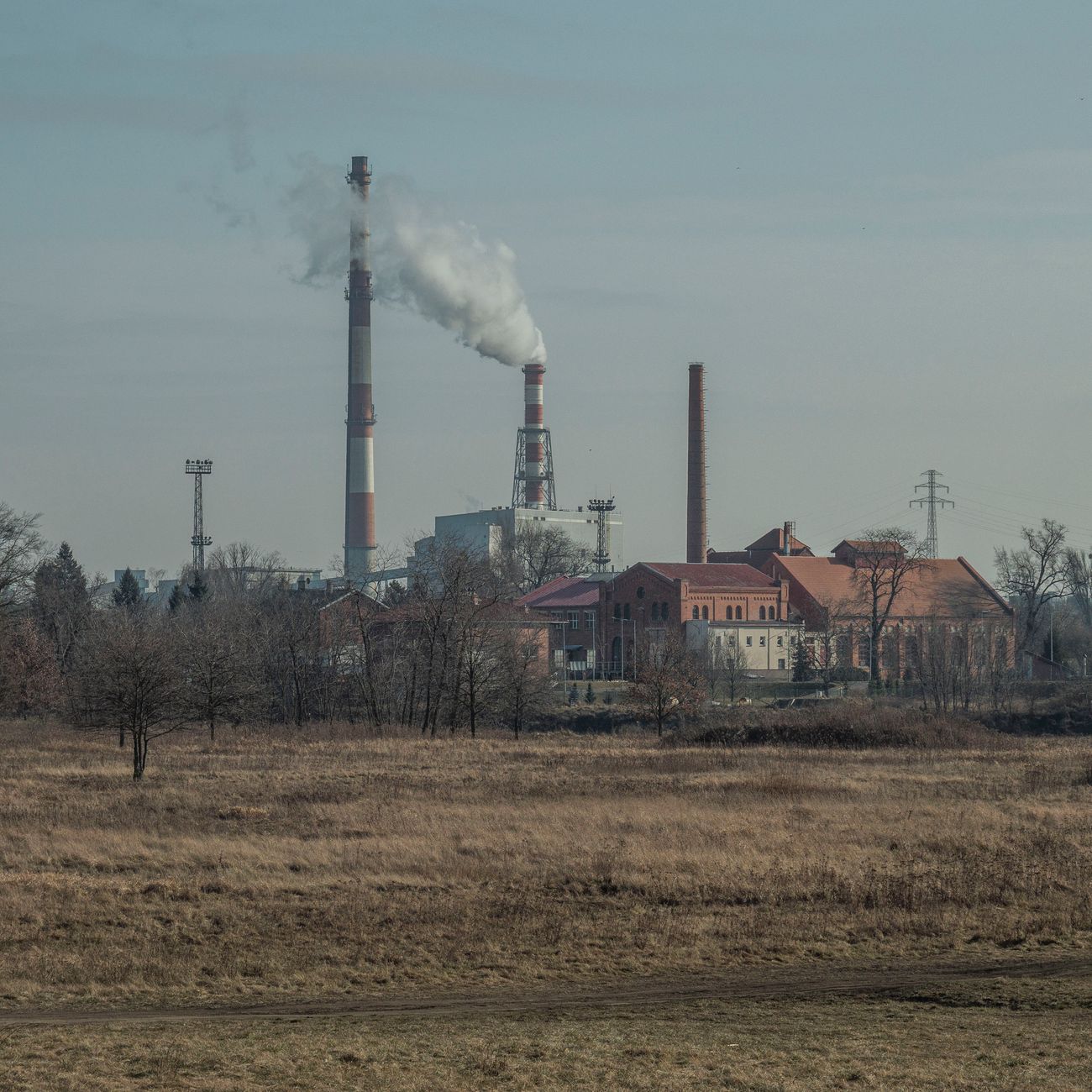
Catalyst is the central component that accelerates chemical reactions without being consumed. In petroleum refining, catalysts are engineered to promote cracking, hydrogenation, dehydrogenation, and isomerization under high temperature and pressure. A typical example is the hydrocracking catalyst composed of a metallic function (usually nickel, molybdenum or cobalt) dispersed on a porous acidic support such as alumina or silica‑alumina. The metallic sites provide hydrogenation activity, while the acidic support creates Brønsted acid sites that facilitate carbon‑carbon bond scission. Practical application of this dual‑function catalyst is the conversion of heavy vacuum gas oil into middle‑distillate kerosene and diesel. A major challenge is maintaining a stable balance between metal dispersion and acid strength, because excessive acidity can lead to undesired coke formation, while insufficient metal dispersion reduces hydrogenation efficiency and increases the risk of catalyst deactivation.
Active site refers to the specific region on the catalyst surface where reactant molecules adsorb, react, and desorb. In zeolitic catalysts, active sites are often the tetrahedral aluminum atoms that generate a negative framework charge balanced by protons, creating strong acid sites. In metal catalysts, active sites are the exposed metal atoms or clusters that can bind hydrogen. For instance, in a platinum‑on‑alumina reforming catalyst, the platinum atoms serve as hydrogenation/dehydrogenation sites, while the alumina provides a high surface area scaffold. The density and accessibility of active sites directly influence the turnover frequency (TOF), a metric that quantifies the number of reactant molecules converted per active site per unit time. Engineers monitor TOF to assess catalyst performance and to design reactors that maximize utilization of the limited active site population.
Support materials are inert or mildly active solids that provide mechanical strength, high surface area, and thermal stability for the active phase. Common supports include silica, alumina, zeolites, and magnesium oxide. The choice of support determines the dispersion of the metal particles, the acidity or basicity of the catalyst, and the resistance to sintering at high temperatures. For example, a magnesium‑aluminate spinel support offers excellent resistance to sulfur poisoning, making it suitable for hydrotreating catalysts used on sour crude streams. However, the high lattice energy of spinel can limit metal dispersion, thereby reducing the number of accessible active sites. Overcoming this trade‑off often requires the use of promoters such as phosphorus or alkali metals to modify the surface properties without compromising structural integrity.
Zeolite is a crystalline aluminosilicate with a uniform pore structure that provides shape‑selective catalysis. Zeolites such as Y‑type (FAU) and ZSM‑5 (MFI) are widely employed in fluid catalytic cracking (FCC) and hydrocracking. The uniform channels of a zeolite allow only molecules of a certain size and shape to diffuse, thereby influencing product distribution. In FCC, a USY zeolite with a high silica‑to‑alumina ratio is exchanged with rare‑earth ions to enhance thermal stability and to reduce coke formation. The resulting catalyst can convert heavy vacuum gas oil into gasoline fractions with high octane numbers. A practical challenge with zeolites is their susceptibility to framework collapse under severe steaming conditions, which leads to loss of acidity and catalytic activity. Regeneration protocols often involve controlled oxidative treatments to burn off coke while preserving the crystalline structure.
Metal dispersion describes the distribution of metal atoms or particles on the support surface. High dispersion means that metal atoms are spread out as small clusters or even isolated atoms, maximizing the number of active sites per unit mass of metal. Techniques such as impregnation, ion exchange, and co‑precipitation are used to achieve optimal dispersion. In a molybdenum‑based hydrodesulfurization catalyst, a high degree of dispersion on a γ‑alumina support enables efficient hydrogenation of sulfur compounds, reducing the sulfur content of diesel to below 10 ppm. However, high dispersion can also increase the risk of metal sintering during high‑temperature operation, which leads to particle growth, loss of surface area, and reduced activity. Advanced synthesis methods, such as atomic layer deposition or template‑assisted synthesis, are being explored to maintain dispersion under harsh reaction conditions.
Turnover frequency (TOF) is a kinetic parameter that expresses the number of substrate molecules converted per active site per unit time, typically expressed in s⁻¹. TOF provides a normalized measure of catalyst efficiency independent of catalyst loading. For a reforming catalyst, a high TOF for dehydrogenation of n‑hexane to hexene indicates that each platinum site is rapidly converting feedstocks, which translates into higher productivity per reactor volume. TOF can be determined experimentally through micro‑reactor studies where the number of active sites is quantified by techniques such as temperature‑programmed reduction (TPR) or CO chemisorption. The main challenge in applying TOF data to industrial scale is that the actual reactor environment includes mass‑transfer limitations, temperature gradients, and catalyst aging, all of which can depress the observed TOF relative to laboratory measurements.
Selectivity measures the proportion of desired product formed relative to total products. In catalytic cracking, selectivity toward gasoline versus light gases is a critical performance indicator. For instance, a well‑optimized FCC catalyst may achieve a gasoline selectivity of 70 % while minimizing the formation of olefinic gases that are less valuable. Selectivity is governed by the nature of the active sites, the pore architecture, and the operating conditions such as temperature, pressure, and residence time. Adjusting the silica‑to‑alumina ratio of a zeolite can shift acidity, thereby tuning selectivity. A practical difficulty is that improving selectivity often comes at the expense of conversion; higher conversion typically leads to more over‑cracking, generating lighter fractions. Process engineers must therefore balance conversion and selectivity to meet product specifications while maintaining economic viability.
Deactivation refers to the loss of catalytic activity over time due to physical or chemical changes. The most common deactivation mechanisms in petroleum refining are coke deposition, sintering, poisoning, and structural collapse. Coke, a carbonaceous residue, forms on the surface of acid sites during high‑temperature cracking, blocking access to reactants. In a hydrocracking unit, coke can be burned off during regeneration cycles, but repeated oxidation can weaken the support and cause attrition. Sintering involves the agglomeration of metal particles at elevated temperatures, reducing metal dispersion and active site density. Poisoning occurs when impurity elements such as nickel, vanadium, or chlorine bind irreversibly to active sites, rendering them inactive. Managing deactivation requires careful feedstock pretreatment, catalyst formulation with poison‑resistant promoters, and optimized regeneration protocols that minimize thermal stress while fully removing coke.
Poisoning is a specific form of deactivation caused by the adsorption of contaminant species that block or alter active sites. Sulfur‑containing compounds, for example, can poison hydrogenation sites on a reforming catalyst, reducing its ability to dehydrogenate n‑paraffins. Likewise, nitrogen compounds can coordinate to metal centers, forming strong metal‑nitrogen bonds that are difficult to break. In hydrotreating, the presence of vanadium in heavy crude can lead to rapid loss of activity because vanadium preferentially deposits on the metal surface, forming vanadium oxides that are resistant to reduction. Mitigation strategies include feedstock desulfurization, the addition of zinc or copper promoters that preferentially bind poisons, and the use of multi‑layer catalyst designs where a protective outer layer shields the inner active phase.
Regeneration is the process of restoring catalyst activity after deactivation, most commonly by oxidatively removing coke. In an FCC regenerator, spent catalyst is exposed to a hot stream of combustion gases (typically air) at temperatures around 600–650 °C. The coke burns off, releasing heat that is recovered for steam generation. The regenerated catalyst is then returned to the reactor for another cracking cycle. A critical challenge during regeneration is controlling the temperature to avoid overheating, which can cause support sintering or the volatilization of metal components. Advanced regeneration schemes employ staged air injection, catalyst cooling zones, and real‑time temperature monitoring to maintain catalyst integrity. In hydroprocessing, regeneration may also involve reduction steps to re‑activate metal sites after oxidative coke removal, requiring careful coordination of reduction gas composition and temperature.
Hydrocracking is a catalytic process that combines hydrogenation and cracking to convert heavy hydrocarbons into lighter, more valuable products. The reaction occurs over a bifunctional catalyst possessing both metal (hydrogenation) and acidic (cracking) functions. Typical feedstocks include vacuum gas oil, heavy vacuum gas oil, and residual oils. The metal component, often nickel‑molybdenum or cobalt‑molybdenum, saturates cracked fragments, preventing the formation of unsaturated species that could lead to coke. The acidic support, usually a high‑silica zeolite, promotes the scission of C–C bonds. Hydrocracking yields high‑quality diesel and jet fuel with low sulfur and aromatics. Operational challenges include the need for high hydrogen partial pressures (up to 10 MPa), careful temperature control (300–380 °C), and management of catalyst life due to metal leaching and coke buildup.
Hydrotreating (or hydrodesulfurization, hydrodenitrogenation, and hydrodearomatization) is a hydrogen‑rich catalytic process aimed at removing heteroatoms and unsaturation from petroleum streams. The catalyst typically consists of a molybdenum or tungsten sulfide phase promoted by cobalt or nickel, supported on high‑surface‑area alumina. The metal sulfide performs hydrogenation of sulfur‑, nitrogen‑, and aromatic compounds, converting them into saturated hydrocarbons and releasing H₂S or NH₃ gases. For example, a diesel hydrotreating unit can reduce sulfur content from 500 ppm to below 10 ppm, meeting stringent environmental regulations. Key challenges include catalyst poisoning by trace metals, the need for high hydrogen recycle ratios to maintain hydrogen availability, and the management of exothermic heat release which can lead to hot spots and catalyst degradation if not properly controlled.
Reforming is a catalytic process that upgrades n‑paraffins into high‑octane aromatics and isoparaffins, thereby producing reformate suitable for gasoline blending. The catalyst is typically a platinum‑on‑chlorinated alumina support, sometimes with a small amount of rhenium to improve stability. Platinum provides dehydrogenation activity, while the chloride promoter enhances acidity and suppresses coke formation. The process operates at 500–540 °C and moderate pressures (1–2 MPa) with a hydrogen-rich environment to prevent coking. The primary reactions include dehydrogenation of n‑hexane to hexene, cyclization of hexene to cyclohexane, and aromatization to benzene, toluene, and xylenes. A practical difficulty is the rapid deactivation of platinum by sulfur and nitrogen contaminants; therefore, feedstock must be pre‑treated to low levels of heteroatoms, and catalyst regeneration must be carefully managed to avoid sintering of platinum particles.
Isomerization converts straight‑chain alkanes into their branched isomers, increasing the octane number of gasoline. Catalysts for isomerization are generally bifunctional, containing a metallic hydrogenation function (often platinum or rhenium) and an acidic support (such as chlorinated alumina or zeolite). The hydrogenation step saturates any olefinic intermediates, while the acid sites facilitate skeletal rearrangement. For instance, an isomerization unit can transform n‑butane into isobutane, which is subsequently used in alkylation to produce high‑octane gasoline components. Operational challenges include maintaining a low temperature (typically 200–350 °C) to avoid cracking, controlling the hydrogen to hydrocarbon ratio to prevent coke, and protecting the catalyst from sulfur poisoning, which can block acid sites and reduce isomerization activity.
Cracking is the cleavage of large hydrocarbon molecules into smaller fragments. In petroleum refining, the two dominant cracking technologies are fluid catalytic cracking (FCC) and thermal cracking (visbreaking). FCC utilizes a powdered catalyst that circulates between a riser reactor and a regenerator, providing rapid contact with the feed at temperatures of 500–540 °C. The acid sites in the zeolite promote carbocation mechanisms that lead to a broad distribution of gasoline‑range products. Thermal cracking, by contrast, relies on high temperatures (450–520 °C) and pressures without a catalyst, producing a higher proportion of olefins and lighter gases. A key challenge in cracking is controlling product distribution: Excessive severity leads to undesirable gas and coke, while insufficient severity reduces conversion. Process optimization involves adjusting catalyst composition, reactor residence time, and temperature profiles to meet target yields.
Fluid catalytic cracking (FCC) is a cornerstone process for converting heavy gas oils into gasoline, olefins, and light gases. The FCC catalyst typically consists of a Y‑type zeolite (USY) providing strong acidity, a matrix of silica‑alumina for mechanical strength, and a binder that may contain recycled catalyst particles. The catalyst is fluidized by the upward flow of feed, creating a short contact time (seconds) that favors rapid cracking. After reaction, the spent catalyst is transferred to a regenerator where coke is burned off, restoring the acidic sites. The regenerated catalyst is then recirculated to the reactor. The FCC unit is highly flexible, allowing adjustments in feedstock type, catalyst composition, and operating conditions to produce varying proportions of gasoline, LPG, and aromatics. Challenges include managing catalyst attrition, minimizing metal contamination from the feed (e.G., Nickel and vanadium), and controlling the formation of nitrogen oxides during regeneration, which can lead to environmental compliance issues.
Hydroprocessing is an umbrella term that covers both hydrocracking and hydrotreating, encompassing any catalytic operation that uses hydrogen to modify hydrocarbon structures. The common denominator is the presence of a metal sulfide active phase and a hydrogen feed. Hydroprocessing units are typically integrated downstream of distillation columns to upgrade heavy fractions and to meet product specifications for sulfur, nitrogen, and aromatics. The design of hydroprocessing reactors must address heat removal due to the exothermic nature of hydrogenation reactions, ensuring uniform temperature distribution to avoid hot spots that can cause catalyst sintering. Additionally, the hydrogen recycle loop must be carefully sized to maintain sufficient hydrogen partial pressure while minimizing energy consumption. A persistent challenge is the trade‑off between catalyst cost (high‑performance noble metal catalysts are expensive) and the need for long catalyst life, especially when processing sour or high‑metal feeds.
Hydrogenation is the addition of hydrogen atoms to unsaturated bonds, converting alkenes to alkanes, aromatics to cycloalkanes, and heteroatom‑containing compounds to saturated species. In catalytic refining, hydrogenation stabilizes cracked fragments, suppresses coke formation, and enables the removal of sulfur and nitrogen through subsequent hydrodesulfurization or hydrodenitrogenation steps. The reaction proceeds on metal sites such as platinum, palladium, or nickel, where hydrogen dissociates into atomic hydrogen that migrates to the adsorbed hydrocarbon. The rate of hydrogenation is influenced by metal particle size, metal‑support interaction, and the presence of promoters like phosphorus that can modify the electronic structure of the metal. An operational challenge is the control of hydrogen availability; insufficient hydrogen can lead to partial hydrogenation, generating reactive intermediates that promote coke formation, while excess hydrogen can dilute the feed and increase operating costs.
Dehydrogenation is the inverse of hydrogenation, removing hydrogen from saturated hydrocarbons to form alkenes or aromatics. This endothermic reaction is essential in reforming and dehydroaromatization processes. Platinum catalysts facilitate dehydrogenation of n‑paraffins, while the presence of acid sites promotes subsequent cyclization and aromatization. Because dehydrogenation generates unsaturated species that are prone to polymerization, a simultaneous hydrogenation step is often incorporated to control coke. For example, in a reforming unit, the dehydrogenation of n‑hexane to hexene is immediately followed by hydrogenation of the resulting olefin to prevent coke growth. Managing the balance between dehydrogenation and hydrogenation is a key design consideration to achieve high aromatics yield while maintaining catalyst stability.
Acidity in catalytic materials refers to the presence of Brønsted or Lewis acid sites that can protonate or accept electron pairs from hydrocarbon molecules. Brønsted acidity, typically associated with protons attached to framework oxygens in zeolites, is responsible for carbocation formation that drives cracking and isomerization. Lewis acidity, often linked to coordinatively unsaturated metal ions, can aid in adsorption and activation of heteroatom‑containing compounds. The strength and concentration of acid sites are quantified by techniques such as temperature‑programmed desorption of ammonia (NH₃‑TPD) or pyridine adsorption infrared spectroscopy. Adjusting the silica‑to‑alumina ratio in a zeolite, or adding a chloride promoter, are common methods to tune acidity. Excessive acidity, however, can accelerate coke formation, while insufficient acidity reduces conversion. Therefore, catalyst designers must carefully balance acidity to meet specific reaction goals.
Basicity is the counterpart to acidity, describing the presence of sites that can donate electron pairs. In refining, basic supports such as magnesium oxide or hydrotalcite are employed to neutralize acidic contaminants and to stabilize metal sulfide phases. For example, a hydrodesulfurization catalyst may use a magnesium‑aluminate mixed oxide support that provides basic sites to anchor molybdenum sulfide, enhancing dispersion and resistance to sintering. Basicity also influences the adsorption of nitrogen compounds, which preferentially bind to acidic sites; a basic support can therefore reduce nitrogen poisoning. The challenge lies in maintaining a suitable balance between basic and acidic functions, especially in bifunctional catalysts where both types of sites are required for optimal performance.
Sintering is the thermally induced agglomeration of metal particles, leading to a reduction in surface area and active site density. In high‑temperature processes such as FCC and hydrocracking, sintering is a major cause of catalyst deactivation. The driving force for sintering is the reduction of surface energy, which is mitigated by strong metal‑support interactions and by the presence of promoters that inhibit particle migration. For instance, adding rare‑earth oxides to a zeolite framework can create stronger anchoring points for metal particles, slowing sintering. Advanced synthesis methods such as core‑shell structures, where a metal core is encapsulated by a thin oxide shell, also help to prevent sintering while preserving catalytic activity. Monitoring sintering involves techniques like X‑ray diffraction (XRD) to detect particle growth and transmission electron microscopy (TEM) for direct imaging.
Coke is a carbonaceous deposit formed from the polymerization and condensation of heavy hydrocarbon fragments on catalyst surfaces. Coke formation is especially prevalent on acidic sites during high‑temperature cracking, where reactive intermediates such as poly‑aromatic hydrocarbons polymerize. Coke blocks active sites, reduces pore volume, and can lead to pressure drop in fixed‑bed reactors. In FCC, coke is intentionally generated as part of the cracking process and subsequently removed in the regenerator. In hydroprocessing, coke is undesirable and must be minimized through careful control of temperature, hydrogen partial pressure, and feedstock quality. Strategies to reduce coke include the use of steam‑rebalance to dilute reactive species, addition of hydrogen donors such as cyclohexane, and the incorporation of mild‑acidic supports that limit excessive polymerization.
Steam‑rebalance is a technique used in hydrocracking to control the concentration of reactive intermediates by introducing steam into the reactor. The steam dilutes the hydrocarbon vapor phase, reducing the probability of intermolecular collisions that lead to coke precursors. Additionally, steam can promote the removal of light gases, shifting equilibrium toward desired cracked products. The practice improves catalyst life by lowering coke deposition rates, but it also increases the energy demand for steam generation. Proper design of the steam injection system, including the location and rate of steam addition, is essential to achieve the desired balance between coke suppression and process economics.
Hydrogen recycle is a critical loop in hydroprocessing plants that recovers unreacted hydrogen from the product stream and returns it to the reactor. The recycle stream is typically compressed, cooled, and purified using pressure swing adsorption (PSA) or membrane separation to remove contaminants such as H₂S and NH₃. Efficient hydrogen recycle reduces the need for fresh hydrogen production, which is energy‑intensive, and maintains the high hydrogen partial pressure required for effective hydrogenation and desulfurization. A challenge is the management of hydrogen sulfide concentrations, which can lead to corrosion in downstream equipment if not adequately removed. Moreover, the recycle compressor must be sized to handle the large volumetric flow rates associated with high‑pressure hydroprocessing, while minimizing parasitic energy consumption.
Pressure drop in a catalyst bed is the loss of pressure as the fluid flows through the packed material. Excessive pressure drop can limit feed throughput, increase energy consumption for pumping, and cause uneven flow distribution that leads to channeling and uneven catalyst utilization. In fixed‑bed hydrocracking reactors, pressure drop is influenced by catalyst particle size, bed porosity, and coke buildup. Regular monitoring of pressure drop, combined with periodic catalyst replacement or regeneration, helps to maintain optimal reactor performance. Computational fluid dynamics (CFD) models are increasingly used to predict pressure drop and to design catalyst shapes that minimize resistance while preserving activity.
Mass transfer limitations arise when the rate of reactant diffusion to the active site is slower than the intrinsic chemical reaction rate. In porous catalysts, internal diffusion through the pore network can become a bottleneck, especially for large molecules that experience steric hindrance. The Thiele modulus is a dimensionless number that quantifies the relative importance of reaction rate versus diffusion. When the modulus is high, external mass transfer resistance dominates, and increasing temperature or catalyst loading yields diminishing returns. Practical mitigation includes designing catalysts with larger mesopores, using hierarchical zeolites that combine micro‑ and mesoporosity, and optimizing particle size to reduce diffusion path lengths. Addressing mass transfer limitations is essential for achieving the high conversions expected from modern refinery catalysts.
Heat transfer limitations occur when the exothermic or endothermic nature of a reaction leads to temperature gradients within the catalyst bed. In FCC, the rapid exothermic cracking generates hot spots that can accelerate coke formation and cause catalyst sintering. Conversely, in hydrocracking, the endothermic hydrogenation consumes heat, potentially leading to temperature drops that reduce conversion. Effective heat management strategies involve the use of internal heat exchangers, staged injection of hot or cold streams, and the selection of catalyst particles with high thermal conductivity. Additionally, reactor designs such as riser‑downer configurations in FCC promote rapid mixing and heat removal, while fluidized‑bed reactors provide uniform temperature distribution due to the high mobility of the catalyst particles.
Feedstock quality significantly influences catalyst selection and operating conditions. Heavy sour crudes contain high levels of sulfur, nitrogen, metals, and asphaltenes, all of which can poison catalysts or increase coke formation. For example, vanadium and nickel tend to deposit on metal sites, reducing hydrogenation activity, while high sulfur content can lead to rapid sulfide formation on the catalyst surface, altering its acidity. To mitigate these effects, refineries may employ pre‑treatment steps such as demetallization, desulfurization, and deasphalting, or they may select catalysts with built-in resistance, such as rare‑earth exchanged zeolites or metal‑free acid catalysts. Understanding the composition of the feedstock enables the design of robust catalytic processes that maintain performance over extended operating periods.
Metal loading denotes the amount of active metal (expressed as weight percent) deposited on the catalyst support. Higher metal loading generally increases the number of hydrogenation sites, enhancing reactions such as hydrodesulfurization. However, excessive loading can promote particle agglomeration, reducing dispersion and leading to sintering. The optimal metal loading is therefore a compromise between activity and stability. For instance, a typical hydrocracking catalyst may contain 5–10 wt % molybdenum combined with 1–3 wt % nickel, achieving a balance that provides sufficient hydrogenation while preserving catalyst longevity. Precise control of metal loading is achieved through techniques such as incipient wetness impregnation, where the support is saturated with a metal precursor solution, followed by calcination and reduction steps.
Promoter is an additive element or compound that enhances catalyst performance without being the primary active component. Common promoters in petroleum refining include phosphorus, cerium, rare‑earth oxides, and alkali metals. Phosphorus can improve the dispersion of metal sulfides and increase resistance to sulfur poisoning, while cerium oxide can act as an oxygen buffer, facilitating coke oxidation during regeneration. Alkali metals, when introduced in small amounts, can modify the acidity of zeolites, reducing coke formation and improving selectivity toward desired products. The selection and concentration of promoters must be carefully optimized, as excessive promoter levels can block active sites or alter the catalyst’s structural integrity.
Regeneration cycle refers to the sequence of operations that restore catalyst activity after a period of use. In FCC, a typical regeneration cycle consists of catalyst discharge from the reactor, coke combustion in the regenerator, catalyst cooling, and re‑introduction into the riser. The cycle time is on the order of minutes, allowing continuous operation. In hydroprocessing, regeneration may be less frequent, occurring after several weeks of operation, and involves oxidative treatment followed by reduction to re‑activate metal sulfide sites. The design of the regeneration system must consider the thermal shock experienced by the catalyst, the removal of ash or metal contaminants, and the control of emissions such as NOₓ and SOₓ. Efficient regeneration extends catalyst life and reduces operating costs.
Environmental compliance is an overarching concern for catalytic processes, as many reactions generate pollutants such as sulfur oxides, nitrogen oxides, and particulate matter. Technologies such as selective catalytic reduction (SCR) for NOₓ, flue‑gas desulfurization for SOₓ, and advanced particulate filters are integrated with refinery units to meet regulatory limits. Catalysts themselves can be engineered to produce fewer by‑products; for example, low‑coke zeolites and mild‑acidic supports reduce the formation of poly‑aromatic compounds that would otherwise be emitted as hazardous air pollutants. Continuous monitoring of emissions, combined with real‑time adjustments to catalyst feed and operating conditions, is essential for maintaining compliance and avoiding penalties.
Process integration involves the coordinated design of multiple unit operations to maximize energy efficiency, product yield, and overall profitability. In a refinery, hydrocracking, hydrotreating, and reforming units are often linked through hydrogen loops, heat exchangers, and shared utilities. For instance, the heat generated in the FCC regenerator can be recovered to provide steam for the hydrocracking reactor, reducing the need for external fuel. Similarly, the hydrogen produced in a reformer can be recycled to a hydrotreating unit, decreasing the demand for external hydrogen production. Effective process integration requires a deep understanding of catalyst behavior, reaction thermodynamics, and equipment constraints, enabling the design of synergistic flows that enhance overall refinery performance.
Computational modeling has become an indispensable tool for catalyst development and process optimization. Molecular dynamics and density functional theory (DFT) calculations allow researchers to explore reaction pathways at the atomic level, predicting activation energies and identifying active site configurations. Kinetic Monte Carlo simulations extend these insights to reactor‑scale phenomena, capturing the interplay between surface reactions, diffusion, and temperature gradients. In practice, a refinery engineer may use a microkinetic model calibrated with experimental data to predict the conversion and selectivity of a new hydrocracking catalyst under various operating conditions. The challenges associated with computational modeling include the need for accurate force fields, the high computational cost of large‑scale simulations, and the translation of atomistic results into practical design parameters.
Advanced characterization techniques such as synchrotron X‑ray absorption spectroscopy (XAS), electron energy loss spectroscopy (EELS), and in‑situ Raman spectroscopy provide detailed information on catalyst structure, oxidation state, and reaction intermediates under realistic conditions. For example, XAS can track the evolution of molybdenum sulfide species during hydrodesulfurization, revealing the formation of active edge sites. In‑situ Raman spectroscopy can monitor coke formation on zeolite surfaces in real time, enabling the development of regeneration strategies that target specific carbon species. These techniques help to bridge the gap between laboratory studies and industrial performance, guiding the rational design of catalysts with improved stability and activity.
Life‑cycle assessment (LCA) evaluates the environmental impact of catalytic processes from raw material extraction through catalyst disposal. An LCA of a hydrocracking unit would consider the energy required for hydrogen production, the emissions associated with catalyst manufacturing (including rare‑earth mining), and the waste generated during catalyst regeneration. By quantifying greenhouse gas emissions, water usage, and resource depletion, LCA informs decisions on catalyst selection, process configuration, and waste management. Implementing LCA findings can lead to the adoption of more sustainable catalysts, such as those based on abundant transition metals rather than precious metals, and the optimization of hydrogen recycling to reduce overall carbon footprint.
Catalyst regeneration economics are a critical factor in refinery profitability. The cost of catalyst makeup, the energy consumption of the regenerator, and the downtime associated with catalyst handling all contribute to the overall expense. A well‑designed regeneration system can achieve coke burn‑off efficiencies above 95 % while limiting the temperature excursions that cause sintering. Additionally, the use of low‑cost, high‑activity promoters can extend catalyst life, reducing the frequency of replacement. Economic models that incorporate catalyst cost, downtime, and product yield enable refineries to compare the long‑term benefits of investing in advanced catalyst formulations versus operating with conventional, less expensive catalysts that require more frequent regeneration.
Safety considerations are paramount in catalytic processes involving high temperatures, pressures, and hydrogen. Hydrogen is flammable and can form explosive mixtures with air; therefore, leak detection, proper ventilation, and inerting procedures are essential. The regenerator in an FCC unit operates at temperatures where coke combustion can generate hot gases that pose burn hazards. Moreover, the presence of metal sulfides can lead to the release of toxic H₂S during catalyst handling. Safety protocols include the use of gas detectors, automatic shutdown systems, and protective equipment for personnel. Training programs that emphasize the specific hazards of each catalytic unit help to maintain a safe operating environment.
Scale‑up challenges arise when translating laboratory catalyst performance to full‑scale refinery units. Factors such as heat and mass transfer limitations, catalyst attrition, and variations in feedstock composition become more pronounced at larger scales. For example, a catalyst that exhibits excellent activity in a laboratory fixed‑bed reactor may suffer from rapid deactivation in an industrial fluidized‑bed due to increased mechanical stress and higher coke loading rates. Pilot‑plant testing, coupled with detailed modeling, is essential to identify and mitigate these scale‑up issues. Adjustments in catalyst formulation, such as the incorporation of stronger binders or the optimization of particle size distribution, are often required to achieve comparable performance at commercial scale.
Emerging technologies such as nanostructured catalysts, single‑atom catalysts, and bio‑derived supports are being investigated for advanced refining applications. Nanostructured catalysts offer high surface area and tunable pore architectures, enabling precise control over diffusion pathways. Single‑atom catalysts, where isolated metal atoms are anchored on a support, promise maximal atom efficiency and unique selectivity profiles, though they present challenges in stability under the harsh conditions of refinery processes. Bio‑derived supports, such as carbonized cellulose or lignin, provide sustainable alternatives to conventional inorganic supports, potentially reducing the environmental impact of catalyst production. These emerging approaches aim to enhance activity, selectivity, and durability while addressing sustainability goals.
Process optimization utilizes advanced control strategies, including model predictive control (MPC) and real‑time optimization (RTO), to continuously adjust operating variables such as temperature, pressure, hydrogen flow, and feed composition. By integrating sensor data with predictive models of catalyst behavior, the control system can anticipate deactivation trends, adjust hydrogen recycle rates, and modulate regeneration cycles to maintain target product specifications. The benefits include higher yields, reduced energy consumption, and extended catalyst life. However, the implementation of sophisticated control algorithms requires reliable instrumentation, robust data handling, and skilled operators capable of interpreting the advanced control outputs.
Economic indicators such as gross refining margin, return on investment, and payback period are directly influenced by catalyst performance. A catalyst that delivers higher conversion and selectivity reduces feedstock consumption and increases the volume of high‑value products, thereby improving the gross refining margin. Conversely, frequent catalyst replacement or excessive regeneration costs can erode profitability. Financial analysis that incorporates catalyst cost, operating expenses, and product pricing enables decision‑makers to select the most economically viable catalyst technologies for a given market scenario.
Regulatory trends continue to push the industry toward lower emissions and higher fuel quality. Upcoming standards for ultra‑low sulfur diesel (ULSD) and renewable fuel integration demand catalysts that can efficiently process bio‑derived feedstocks, which often contain higher oxygen content and different contaminant profiles compared to conventional crude. Catalysts with enhanced tolerance to oxygenates, such as those containing robust acid sites that resist deactivation by water, are becoming increasingly important. Anticipating regulatory changes and aligning catalyst development with future fuel specifications ensures that refineries remain competitive and compliant.
Training and knowledge transfer are essential for the successful implementation of advanced catalytic processes. Operators must understand the fundamentals of catalyst chemistry, the signs of deactivation, and the procedures for safe regeneration. Continuous professional development programs, including hands‑on workshops and simulation‑based training, help to maintain a skilled workforce capable of managing complex catalytic units. Knowledge repositories that document best practices, troubleshooting guides, and performance data support the ongoing improvement of refinery operations.
Future directions in advanced catalytic processes include the integration of renewable hydrogen, the deployment of digital twins for real‑time catalyst health monitoring, and the development of catalysts that enable direct conversion of heavy residues into specialty chemicals.
Key takeaways
- A typical example is the hydrocracking catalyst composed of a metallic function (usually nickel, molybdenum or cobalt) dispersed on a porous acidic support such as alumina or silica‑alumina.
- The density and accessibility of active sites directly influence the turnover frequency (TOF), a metric that quantifies the number of reactant molecules converted per active site per unit time.
- Overcoming this trade‑off often requires the use of promoters such as phosphorus or alkali metals to modify the surface properties without compromising structural integrity.
- A practical challenge with zeolites is their susceptibility to framework collapse under severe steaming conditions, which leads to loss of acidity and catalytic activity.
- In a molybdenum‑based hydrodesulfurization catalyst, a high degree of dispersion on a γ‑alumina support enables efficient hydrogenation of sulfur compounds, reducing the sulfur content of diesel to below 10 ppm.
- TOF can be determined experimentally through micro‑reactor studies where the number of active sites is quantified by techniques such as temperature‑programmed reduction (TPR) or CO chemisorption.
- A practical difficulty is that improving selectivity often comes at the expense of conversion; higher conversion typically leads to more over‑cracking, generating lighter fractions.