
Laytime And Dispatch
Laytime is the period of time agreed between the shipowner and the charterer during which cargo operations may be performed without incurring additional charges. It is a core concept in charter parties and determines the window in which loa…
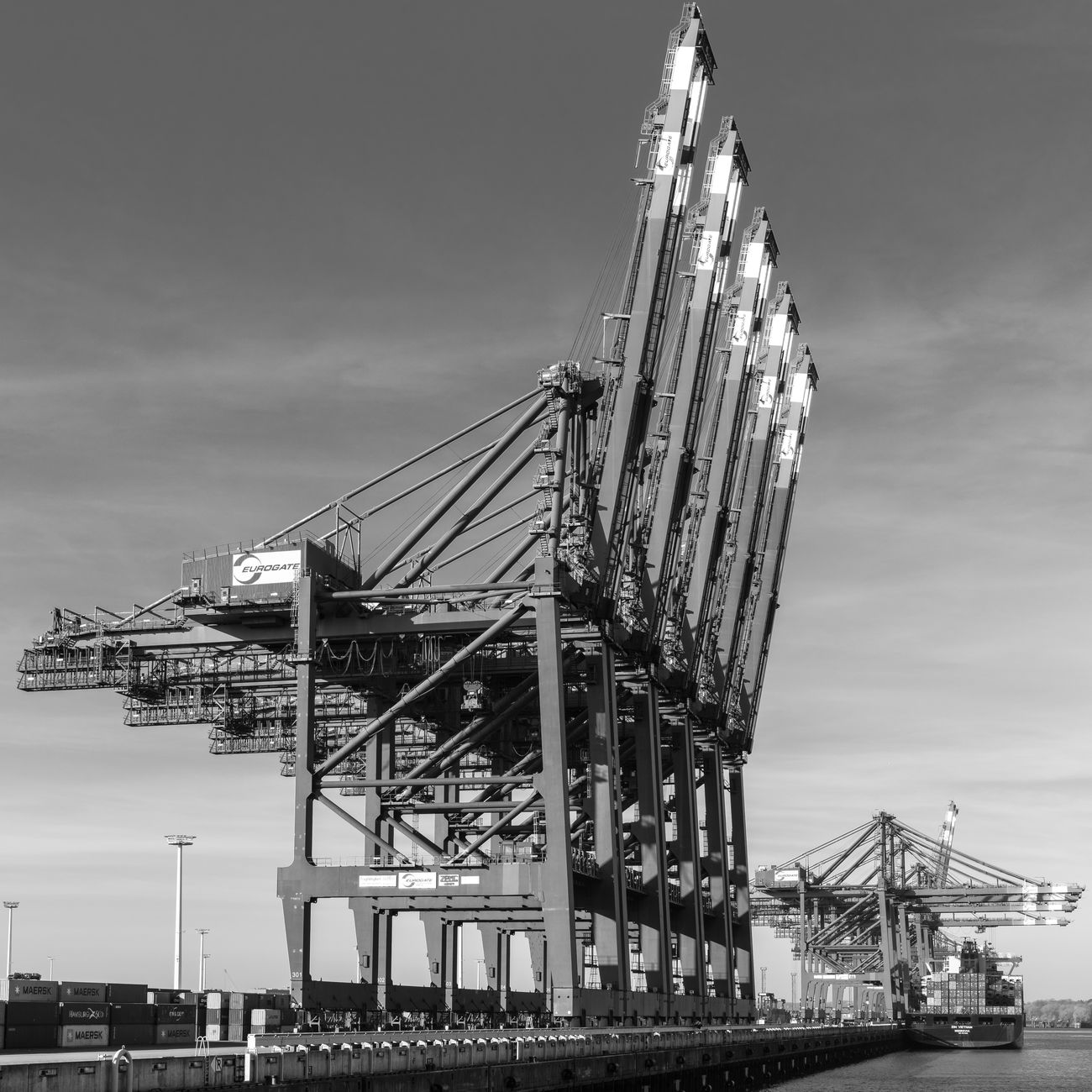
Laytime is the period of time agreed between the shipowner and the charterer during which cargo operations may be performed without incurring additional charges. It is a core concept in charter parties and determines the window in which loading or discharging must be completed. The calculation of laytime begins only after a valid Notice of Readiness (NOR) has been tendered and accepted, and it ends when the cargo operations are finished, or when the agreed maximum time is reached. Laytime may be expressed in days, hours, or a combination, and it can be measured on a calendar or weather basis.
Dispatch is the reward paid by the shipowner to the charterer when the cargo operations are completed in less time than the allotted laytime. The amount of dispatch is usually calculated at a rate that is half of the demurrage rate, but the parties may agree on any proportion. Dispatch encourages efficient cargo handling and provides an incentive for the charterer to organise the loading or unloading process promptly. For example, if the agreed laytime is 72 hours and the cargo is discharged in 60 hours, the 12‑hour surplus may be compensated as dispatch.
Demurrage is the monetary penalty payable by the charterer to the shipowner for exceeding the agreed laytime. Demurrage rates are typically expressed per day or per hour and are intended to compensate the shipowner for the loss of opportunity to employ the vessel elsewhere. The demurrage clause in a charter party will set out the rate, the method of calculation, and any caps or limits. A typical clause might state that demurrage is payable at US$15,000 per day, calculated on a pro‑rated basis for any fraction of a day.
Notice of Readiness (NOR) is a formal declaration by the ship’s master that the vessel has arrived at the designated port, is at the berth or anchor, and is ready to commence cargo operations. The NOR must satisfy the conditions stipulated in the charter party, such as the vessel being fully equipped, having all required documentation, and being in a condition to load or discharge. The timing of the NOR is critical because laytime does not commence until the NOR is deemed effective. An early NOR may be rejected, while a delayed NOR can lead to loss of laytime for the charterer.
Commencement of Laytime is the moment when the clock starts ticking on the agreed period for cargo operations. This moment is triggered by a valid NOR and may be further conditioned by the provision of a “clean” berth, the availability of cargo, or the readiness of stevedores. In many charter parties, the clause reads “Laytime shall commence upon receipt of a valid NOR.” If the NOR is tendered on a day when the port is closed for holidays, the commencement may be postponed to the next working day, depending on the agreed basis of measurement.
Weather Working Day and Calendar Working Day are two common methods of measuring laytime. A calendar day includes every 24‑hour period, regardless of weather conditions or port closures. In contrast, a weather working day excludes periods when weather conditions prevent safe cargo operations, such as heavy seas, high winds, or extreme temperatures. The charter party will specify which basis applies. For instance, a contract may state “Laytime shall be measured on a weather working day basis,” meaning that any interruption caused by adverse weather does not count against the allotted laytime.
Time Clause is the part of a charter party that sets out the calculation method for laytime, including the start and end points, the measurement basis, and the handling of interruptions. The time clause may also define “allowed delays,” which are periods that do not count towards laytime, such as customs inspections, pilotage, or waiting for cargo. A typical time clause might read: “Laytime shall be measured in calendar days, with the following exceptions: (A) delays caused by weather, (b) delays due to port authority instructions, and (c) delays for cargo preparation.”
Rate Clause defines the monetary rates applicable to demurrage and dispatch. It may also set out any adjustments for overtime, overtime penalties, or reduced rates for partial days. The rate clause is often linked to the time clause, ensuring consistency in the calculation of charges. For example, a rate clause could state: “Demurrage shall be payable at US$20,000 per day, pro‑rated for any part of a day, and dispatch shall be payable at 50 % of the demurrage rate.”
Laytime Clause is a broader provision that incorporates the time clause, rate clause, and any special conditions relating to the allocation of laytime between loading and discharging. It may also address “reverse laytime,” where the charterer is entitled to a credit if cargo operations finish early. The laytime clause is the centerpiece of the charter party and must be drafted with precision to avoid disputes. An example of a comprehensive laytime clause could read: “The vessel shall be provided with 120 hours of laytime for loading, measured on a weather working day basis. Demurrage shall be payable at US$15,000 per day, and dispatch shall be payable at half the demurrage rate for any surplus laytime.”
Demurrage Clause is the specific portion of the charter party that outlines the consequences of exceeding laytime. It details the rate, the method of calculation, any caps, and the process for invoicing. The demurrage clause may also provide for “liquidated damages” if the parties wish to fix a predetermined amount that is enforceable as a penalty. A typical demurrage clause might read: “If laytime is exceeded, the charterer shall pay demurrage at US$18,000 per day, calculated on a pro‑rated basis, with a maximum liability of US$500,000.”
Dispatch Clause mirrors the demurrage clause but works in the opposite direction, rewarding the charterer for saving time. It will specify the percentage of the demurrage rate that will be paid as dispatch, the method of calculation, and any thresholds. An example dispatch clause could state: “For any laytime saved, the charterer shall receive dispatch at 50 % of the demurrage rate, payable on a pro‑rated basis for each hour saved.”
Port Authority refers to the governmental or semi‑governmental body that controls the operations of a harbor. The port authority may impose restrictions that affect laytime, such as berth allocation, pilotage requirements, or security checks. The charter party may allocate responsibility for port authority delays to either the owner or the charterer. For instance, a clause may read: “Delays caused by the port authority shall be excluded from laytime, provided that the charterer receives written notice of the delay.”
Pilotage is the service of a licensed maritime pilot who assists the vessel in navigating the port’s waters. Pilotage is often mandatory and can be a source of delay if the pilot is unavailable or if weather conditions prevent safe boarding. The charter party may treat pilotage as an “allowed delay,” meaning it does not count against laytime, or it may allocate the cost and responsibility for pilotage to the charterer. A practical example is: “Pilotage shall be provided by the port authority; any waiting time for pilot availability shall be excluded from laytime.”
Stevedores are the workers or companies responsible for loading and unloading cargo. Their efficiency, equipment availability, and coordination with the vessel’s crew directly impact the consumption of laytime. The charter party may stipulate that the charterer must engage competent stevedores and that any inefficiency on their part will be counted as a laytime‑consuming delay. An example clause could read: “The charterer shall ensure that stevedores are ready to commence cargo operations within one hour of the NOR; any failure to do so shall be deemed a laytime‑consuming delay.”
Berth is the specific location in a port where a vessel is moored for cargo operations. The availability of a suitable berth, its size, and its facilities affect the speed of loading or discharging. A charter party may include a clause that requires the charterer to secure a berth that meets the vessel’s draft and equipment needs. If the berth is inadequate, the shipowner may claim “loss of laytime” or seek additional compensation. For example: “The charterer shall provide a berth suitable for a vessel of 30,000 DWT; any deficiency shall be considered a laytime‑consuming delay.”
Draft is the vertical distance between the waterline and the bottom of the hull (keel). A vessel’s draft determines the depth of water required for safe navigation and berthing. Draft restrictions can cause delays if the port’s depth is insufficient, especially during low tide. The charter party may allocate responsibility for draft‑related delays to the charterer, who must arrange for tidal assistance or a suitable berth. A clause may read: “If the vessel’s draft exceeds the port’s depth at the time of arrival, the charterer shall bear any additional laytime incurred.”
Customs Clearance is the process by which cargo is inspected and approved for import or export by the relevant customs authority. Delays in customs clearance can affect laytime, especially if the cargo cannot be moved onto or off the vessel. The charter party may treat customs inspections as an allowed delay, provided that the charterer has complied with all documentation requirements. An example: “Customs inspections shall be excluded from laytime, provided that the charterer supplies all required paperwork within 24 hours of arrival.”
Ballast Operations involve the loading or discharge of ballast water to maintain vessel stability. While ballast operations are typically performed before cargo loading begins, they may be required during cargo operations if the vessel’s stability changes. The charter party may specify that ballast operations are not counted as laytime, or that they must be completed within a specified window. A practical clause might read: “Ballast water shall be taken on or discharged before the commencement of cargo operations; any ballast work performed thereafter shall be excluded from laytime.”
Weather Delay is a period during which cargo operations cannot proceed safely due to adverse weather conditions such as storms, high winds, fog, or extreme temperatures. When laytime is measured on a weather working day basis, weather delays are excluded from laytime calculations. However, the charter party may require that the party claiming a weather delay provide a weather report or a port authority notice as evidence. For example: “Weather delay shall be excluded from laytime, provided that a meteorological report confirming the conditions is submitted within 12 hours of the delay.”
Port Holiday refers to days when the port is officially closed for operations, often for national holidays or scheduled maintenance. If laytime is measured on a calendar day basis, a port holiday still counts as a day of laytime; if measured on a weather working day basis, the holiday may be excluded, depending on the charter party wording. A clause may read: “Port holidays shall be excluded from laytime if the time clause specifies a weather working day basis.”
Free Time is a period granted to the charterer during which certain services, such as pilotage, towage, or port fees, may be utilized without additional charge. Free time is often linked to the laytime calculation; for instance, the charterer may have 24 hours of free pilotage time after the NOR. Any usage beyond the free time may be billed to the charterer and may also be counted as a laytime‑consuming delay. An illustrative clause could be: “The charterer shall have 12 hours of free pilotage; any additional pilotage shall be at the charterer’s expense and shall be excluded from laytime.”
Notice of Delay is a formal communication, usually in writing, from the party experiencing a delay (often the charterer) to the other party, informing them of the cause, expected duration, and impact on laytime. The notice is essential for preserving rights under the charter party, especially when claiming exempted delays. A typical requirement may be: “The charterer shall give written notice of any delay within 24 hours of its occurrence, specifying the cause and anticipated length of the delay.”
Laytime Accounting is the process of tracking the consumption of laytime, recording any allowed delays, and calculating any surplus or deficit. This accounting is usually performed by a surveyor or a designated clerk who prepares a “laytime statement” that details the start time, end time, interruptions, and the net laytime used. Accurate laytime accounting is critical to avoid disputes over demurrage or dispatch. An example of a laytime statement might include entries such as: “NOR tendered 08:00 On 12 May; cargo commenced 10:30; Weather delay 02:00–04:00; Total laytime used 68 hours.”
Surveyor is an independent professional appointed by either party, or jointly, to verify the accuracy of laytime calculations, inspect cargo operations, and certify the condition of the vessel before and after the charter. The surveyor’s report forms part of the documentary evidence in any dispute. The charter party may specify that the surveyor’s report is binding on both parties. For instance: “A surveyor appointed by the charterer shall certify the commencement and completion of cargo operations; the surveyor’s report shall be final and binding.”
Pro‑Rata Calculation is a method of apportioning demurrage or dispatch charges based on fractions of a day or hour. When laytime is exceeded by a fraction of a day, the demurrage is typically calculated on a pro‑rated basis, meaning that the daily rate is divided by 24 to obtain an hourly rate, which is then multiplied by the number of excess hours. For example, if the demurrage rate is US$15,000 per day and the excess is 6 hours, the demurrage payable would be US$3,750.
Maximum Liability is a cap placed on the amount of demurrage that the charterer may be required to pay. This cap is negotiated to limit the financial exposure of the charterer in case of prolonged delays. The clause may read: “The total demurrage payable shall not exceed US$1,000,000, regardless of the amount of laytime exceeded.”
Minimum Dispatch is a floor amount that must be paid to the charterer even if the surplus laytime is very small. This provision ensures that the charterer receives a reasonable reward for efficiency. A clause could state: “Dispatch shall be payable at 50 % of the demurrage rate, with a minimum payment of US$5,000 for any surplus laytime.”
Reverse Laytime is a concept where the charterer is entitled to a credit if cargo operations finish earlier than the agreed laytime, effectively the same as dispatch but sometimes expressed in contractual language to emphasise the credit nature. The reverse laytime clause may specify that the credit is calculated on the same rate as demurrage, but at a reduced percentage. For example: “For each hour of laytime saved, the charterer shall receive a credit equal to 40 % of the demurrage rate.”
Time Charter is a type of charter party where the charterer hires the vessel for a specified period, paying a daily hire rate, and assumes responsibility for cargo operations, including laytime. In a time charter, the owner provides the vessel, while the charterer arranges the cargo and manages laytime, demurrage, and dispatch. The time charterer must therefore be familiar with laytime clauses and the associated risks. An illustrative clause may read: “The vessel shall be hired on a time charter basis for 180 days, with laytime for cargo operations to be agreed separately for each voyage.”
Voyage Charter is a charter party where the charterer hires the vessel for a single voyage, paying a freight rate based on the cargo quantity. In a voyage charter, the responsibility for laytime, demurrage, and dispatch typically rests with the shipowner, who must ensure that the vessel is ready to load and discharge within the agreed laytime. The charterer’s main concern is the timely delivery of cargo, while the owner’s concern is to minimise demurrage exposure. A typical clause could read: “The vessel shall be employed for the carriage of 30,000 metric tonnes of grain from Port A to Port B, with laytime of 96 hours.”
Freight Rate is the amount paid by the charterer to the shipowner for the carriage of cargo, expressed per ton or per metric tonne. While freight rates are separate from laytime considerations, they influence the overall economics of a voyage. A higher freight rate may offset potential demurrage costs, whereas a low freight rate may make demurrage a significant financial burden. For example, a freight rate of US$25 per tonne on a 30,000‑tonne cargo yields US$750,000 in freight revenue, which must be weighed against potential demurrage liabilities.
Charterer is the party that hires the vessel, either on a time charter or a voyage charter basis. The charterer is responsible for arranging cargo, securing stevedores, and managing laytime. In many cases, the charterer also bears the costs of pilotage, towage, and port fees, unless otherwise specified. Understanding the charterer’s obligations in laytime calculations is essential for both parties to avoid disputes.
Shipowner is the party that owns the vessel and provides it for hire. The shipowner’s primary obligations include delivering a seaworthy vessel, ensuring compliance with safety regulations, and providing a crew capable of handling cargo operations. The shipowner may also be responsible for certain port costs, depending on the charter party. In laytime disputes, the shipowner may claim loss of laytime if the charterer fails to provide a valid NOR or if the charterer’s stevedores are inefficient.
Clause Interpretation is the process by which courts or arbitrators determine the meaning of ambiguous or disputed charter party provisions. The principle of *contra proferentem* may be applied, meaning that ambiguous terms are interpreted against the party that drafted them. Therefore, precise drafting of laytime, demurrage, and dispatch clauses is crucial. For example, if a clause states “Laytime shall commence upon receipt of NOR,” but does not define “receipt,” a tribunal may interpret receipt as the moment the NOR is physically delivered, not when it is read.
Force Majeure is an event beyond the control of either party, such as war, natural disaster, or a pandemic, which may excuse performance under the charter party. The force majeure clause may specify that laytime is suspended during the event, and that demurrage will not accrue. However, the parties must usually provide evidence of the event and its impact. An illustrative clause could read: “In the event of force majeure, laytime shall be suspended, and neither party shall be liable for demurrage or dispatch.”
Port State Control (PSC) inspections are carried out by the authorities of the port state to verify compliance with international conventions. A PSC detention can cause significant delays, affecting laytime. The charter party may allocate such delays to the shipowner, as they relate to vessel compliance, or to the charterer, if the delay is caused by the charterer’s failure to provide required documentation. A clause could state: “Delays caused by PSC inspections shall be excluded from laytime, provided that the shipowner is responsible for remedying any deficiencies.”
Inspection Clause requires that the cargo or vessel be inspected by a third‑party surveyor before loading or after discharge. The time taken for inspection may be counted as laytime unless the clause specifically exempts it. For example, a clause might read: “Inspection of cargo shall be carried out by a recognized surveyor; the time spent on inspection shall be excluded from laytime.”
Berthing Delay occurs when the vessel is ready to berth but must wait for a suitable spot due to congestion, priority of other vessels, or inadequate infrastructure. The charter party may treat berthing delay as an allowed delay, especially if the delay is caused by the port authority. A typical clause could be: “Berthing delay caused by the port authority shall be excluded from laytime, provided that the charterer receives a written notice of the delay.”
Turnaround Time is the total period from the vessel’s arrival at the port to its departure, encompassing all activities such as loading, discharging, bunkering, and paperwork. Turnaround time is closely linked to laytime, as excessive turnaround can lead to demurrage. Efficient management of turnaround time often involves detailed planning of stevedore schedules, equipment availability, and coordination with customs. For instance, a vessel with a 72‑hour laytime allocation should aim for a turnaround time of no more than 70 hours to allow a buffer for minor delays.
Port Congestion refers to a situation where the number of vessels awaiting berths exceeds the port’s capacity, leading to waiting periods for anchorage or berthing. Congestion can be a major source of laytime‑consuming delays. The charter party may contain a clause that exempts congestion delays if the charterer can demonstrate that the congestion was beyond reasonable control. An example clause may read: “Port congestion shall be excluded from laytime, provided that the charterer furnishes evidence of the congestion and its impact.”
Documentary Requirements include the submission of various certificates, bills of lading, manifests, and customs documentation before cargo operations can commence. Failure to meet documentary requirements can cause delays that may be counted against laytime. The charter party may allocate responsibility for documentary compliance to the charterer. A clause could state: “The charterer shall provide all required documents within 24 hours of arrival; any delay caused by missing documents shall be a laytime‑consuming delay.”
Ballast Water Management regulations require vessels to treat ballast water to prevent the transfer of invasive species. Compliance with ballast water treatment may require additional time before cargo loading. The charter party may stipulate that ballast water treatment is the shipowner’s responsibility and that any delay caused by treatment shall be excluded from laytime. For example: “Ballast water treatment shall be completed before cargo operations; any delay arising from treatment shall be excluded from laytime.”
Ship’s Survey is a technical inspection of the vessel’s condition, often required before a charter commences. The survey may affect the vessel’s readiness and, consequently, the timing of the NOR. If the survey reveals deficiencies that must be rectified before loading, the charter party may treat the corrective work as an allowed delay. A clause might read: “If a ship’s survey is required, the time taken to satisfy survey recommendations shall be excluded from laytime.”
Stevedoring Contract is an agreement between the charterer and the stevedoring company that outlines the scope of work, equipment provision, and payment terms. The stevedoring contract often includes performance guarantees that align with the laytime clause. Failure to meet the performance guarantee may result in laytime‑consuming delays, for which the charterer may be liable. An illustrative clause could be: “The stevedoring contract shall contain a guarantee of completion of cargo operations within the agreed laytime; any failure shall be deemed a laytime‑consuming delay.”
Port Fees encompass charges for pilotage, towage, berthage, and other services provided by the port. The allocation of port fees can affect the financial exposure of the charterer or the shipowner. Some charter parties assign all port fees to the charterer, while others split the costs. The relationship between port fees and laytime is indirect but important, as high fees may incentivise faster operations to reduce overall costs. A clause may read: “All port fees shall be payable by the charterer, who shall also be responsible for any laytime‑consuming delays caused by fee disputes.”
Time Zone Considerations are crucial when calculating laytime, especially for voyages that cross multiple time zones. The charter party should specify the time zone to be used for all timing events, such as the NOR, cargo start, and cargo completion. Failure to standardise the time zone can lead to disputes over the exact amount of laytime used. A typical provision might be: “All times shall be expressed in Greenwich Mean Time (GMT).”
Electronic NOR is a modern practice where the master sends a digital notice of readiness via email or a maritime communication system. The charter party may recognise electronic NOR as valid, provided that the message meets certain criteria, such as receipt acknowledgment. The clause may read: “An electronic NOR shall be deemed valid if transmitted through the designated system and acknowledged by the charterer within two hours.”
Laytime Statement is a formal document that summarises the consumption of laytime, listing the start time, end time, allowed delays, and any surplus or deficit. The statement is usually prepared by the surveyor or a designated clerk and forms the basis for invoicing demurrage or dispatch. The charter party may require that the laytime statement be signed by both parties within a specified period, for example: “The laytime statement shall be signed by both parties within 48 hours of cargo completion.”
Dispute Resolution Clause outlines the method for resolving disagreements over laytime, demurrage, or dispatch. Common mechanisms include arbitration under the London Maritime Arbitration Society, mediation, or litigation in a specified jurisdiction. The clause may also specify the governing law, such as English law. An example clause could read: “Any dispute arising from laytime calculations shall be referred to arbitration in London under the rules of the LMAA, and the award shall be final and binding.”
Partial Laytime occurs when a charter party provides separate laytime allowances for loading and discharging, and one of the operations finishes early while the other continues. The parties may agree to pool the unused laytime from one operation to offset the other, or they may treat each segment independently. A clause may state: “Any unused loading laytime shall be available to offset discharging laytime, provided that the charterer notifies the shipowner in writing.”
Re‑laytime is a concept where, after an initial period of laytime has been exhausted, additional laytime is granted for a subsequent cargo operation. This may happen in multi‑cargo voyages where the vessel loads different cargoes at different ports. The charter party must specify the conditions under which re‑laytime is granted, such as the completion of a prior cargo operation within a certain timeframe. An example clause could read: “If the vessel completes the first cargo loading within the allotted laytime, a second laytime of 48 hours shall be granted for the subsequent cargo loading.”
Laytime Calculation Example – Suppose a voyage charter provides 120 hours of laytime measured on a calendar day basis. The master issues a NOR at 06:00 On 10 May. Cargo operations commence at 08:00 On 10 May and finish at 14:00 On 12 May. During the operation, there is a weather delay from 12:00 To 16:00 On 11 May, which is excluded because the contract uses a weather working day basis. The total time from commencement to completion is 54 hours. Subtracting the 4 hour weather delay leaves 50 hours of effective laytime used. Since the allowed laytime is 120 hours, the charterer has a surplus of 70 hours, which qualifies for dispatch. At a demurrage rate of US$20,000 per day (US$833.33 Per hour), the dispatch payable at 50 % of the demurrage rate would be 70 hours × US$416.67 = US$29,167.
Demurrage Calculation Example – In a time charter, the agreed laytime is 96 hours. The NOR is tendered at 09:00 On 01 June, and cargo operations begin at 11:00 On the same day. Due to a customs inspection, the cargo cannot be completed until 20:00 On 04 June, resulting in a total of 115 hours of operation. The customs delay of 8 hours is allowed under the charter party, leaving 107 hours of laytime used. The excess over the agreed 96 hours is 11 hours. At a demurrage rate of US$15,000 per day (US$625 per hour), the demurrage payable is 11 hours × US$625 = US$6,875.
Challenges in Laytime Management – One of the most common challenges is the accurate identification of allowed delays. Parties must maintain detailed records, including timestamps, weather reports, and correspondence, to substantiate claims. Another difficulty is the interpretation of ambiguous clauses, especially when the contract does not clearly define terms such as “receipt of NOR” or “ready to load.” In such cases, the parties may resort to expert testimony or arbitration. Additionally, differing time zones and daylight‑saving adjustments can create confusion if the contract does not specify the reference time.
Practical Tips for Charterers – Charterers should ensure that all documentation is prepared well in advance of arrival to avoid documentary delays. They should also engage reputable stevedores with a proven track record of meeting tight laytime windows. Monitoring weather forecasts and coordinating with the port authority to secure a suitable berth can minimise weather and berthing delays. Finally, maintaining a clear line of communication with the shipowner and promptly issuing notices of delay will preserve the right to claim allowed delays.
Practical Tips for Shipowners – Shipowners should verify that the vessel meets all technical requirements, including ballast water treatment and survey compliance, before tendering the NOR. They should also confirm that the port’s depth and facilities can accommodate the vessel’s draft. Providing the master with a copy of the charter party’s laytime clause and ensuring that the crew understands the timing requirements will reduce the risk of inadvertent laytime consumption. In the event of a dispute, shipowners should retain all communications, including emails and port authority notices, as evidence.
Case Study – Weather Delay Dispute – In a recent arbitration, a charterer claimed that a three‑day weather delay should be excluded from laytime because the contract stipulated a weather working day basis. The shipowner argued that the weather reports submitted by the charterer were insufficient and that the vessel could have continued operations under the conditions. The arbitrators examined the meteorological data, the port authority’s advisory notices, and the master’s logbook. They concluded that the weather conditions met the definition of “adverse” in the contract, and therefore the three‑day period was correctly excluded. The charterer was awarded dispatch for the surplus laytime, while the shipowner’s claim for demurrage was dismissed.
Case Study – Port Congestion Claim – A vessel arrived at a major hub and was forced to wait six hours for a berth due to congestion. The charter party contained a clause stating that “port congestion shall be excluded from laytime if the charterer provides written notice within 24 hours.” The charterer failed to issue the notice promptly, and the shipowner subsequently invoiced demurrage for the six‑hour delay. The dispute was resolved through mediation, where the parties agreed to split the demurrage cost, recognising that the charterer’s failure to notify was a procedural breach, but the congestion itself was beyond control.
Impact of Digitalisation – The adoption of electronic NORs, automated laytime tracking systems, and blockchain‑based cargo documentation is transforming laytime management. Electronic NORs provide instant verification of receipt and can reduce disputes over the timing of the notice. Automated laytime tracking software can log start and finish times, capture allowed delays, and generate laytime statements in real time. Blockchain technology can create immutable records of cargo handover and inspection, offering a reliable source of evidence in demurrage disputes. However, parties must ensure that their contracts expressly recognise these digital tools, otherwise the courts may revert to traditional evidence standards.
Regulatory Considerations – International regulations such as the International Maritime Organization’s (IMO) SOLAS Convention and MARPOL Annexes impose safety and environmental obligations that can affect laytime. For example, compliance with the IMO’s ballast water management convention may require additional time for treatment, which must be accounted for in the laytime clause. Similarly, cargo safety regulations may mandate specific handling procedures that can extend loading or discharging times. The charter party should anticipate these regulatory requirements and incorporate appropriate allowances.
Negotiation Strategies – When drafting the laytime clause, both parties should seek to clarify the start and end points, the measurement basis, and the list of allowed delays. It is advisable to include a “catch‑all” provision that allows for the exclusion of any delay that is not the fault of the party using laytime. For example: “Any delay not attributable to the charterer’s negligence shall be excluded from laytime.” Additionally, parties may negotiate a “demurrage cap” to limit exposure and a “minimum dispatch” to guarantee a reward for efficiency. Including a “force majeure” provision that suspends laytime during extraordinary events can also protect both parties.
Documentation Checklist for Laytime – While the use of bullet points is prohibited, the following items should be listed in narrative form: The copy of the charter party, the master’s logbook, the electronic or paper NOR, weather reports for the period of operation, port authority notices, pilotage and towage records, stevedore performance reports, customs clearance documents, and any correspondence relating to delays. Maintaining a comprehensive file will facilitate accurate laytime accounting and provide a solid evidentiary basis in case of dispute.
Common Pitfalls – One frequent mistake is the failure to recognise that the NOR may be deemed ineffective if the vessel is not truly ready to load, for example because cargo is not yet available or the berth is unsuitable. Another pitfall is the misapplication of the measurement basis; using calendar days when the contract specifies weather working days will lead to incorrect demurrage calculations. Finally, neglecting to issue timely notices of delay can forfeit the right to claim allowed delays, resulting in unnecessary demurrage.
Role of the Surveyor in Dispute Prevention – Engaging a surveyor at the outset of cargo operations can help prevent disputes by providing an independent verification of the start and finish times. The surveyor can also document any interruptions, such as weather or equipment failures, and issue a contemporaneous report. This report, when signed by both parties, becomes a powerful piece of evidence that can settle potential disagreements before they reach arbitration.
Key takeaways
- The calculation of laytime begins only after a valid Notice of Readiness (NOR) has been tendered and accepted, and it ends when the cargo operations are finished, or when the agreed maximum time is reached.
- Dispatch is the reward paid by the shipowner to the charterer when the cargo operations are completed in less time than the allotted laytime.
- Demurrage rates are typically expressed per day or per hour and are intended to compensate the shipowner for the loss of opportunity to employ the vessel elsewhere.
- Notice of Readiness (NOR) is a formal declaration by the ship’s master that the vessel has arrived at the designated port, is at the berth or anchor, and is ready to commence cargo operations.
- ” If the NOR is tendered on a day when the port is closed for holidays, the commencement may be postponed to the next working day, depending on the agreed basis of measurement.
- For instance, a contract may state “Laytime shall be measured on a weather working day basis,” meaning that any interruption caused by adverse weather does not count against the allotted laytime.
- A typical time clause might read: “Laytime shall be measured in calendar days, with the following exceptions: (A) delays caused by weather, (b) delays due to port authority instructions, and (c) delays for cargo preparation.