
Energy Management and Efficiency
Energy Management and Efficiency are critical components of modern power plant engineering management. These concepts involve the optimization of energy use and the reduction of energy waste in power plants, leading to significant cost savi…
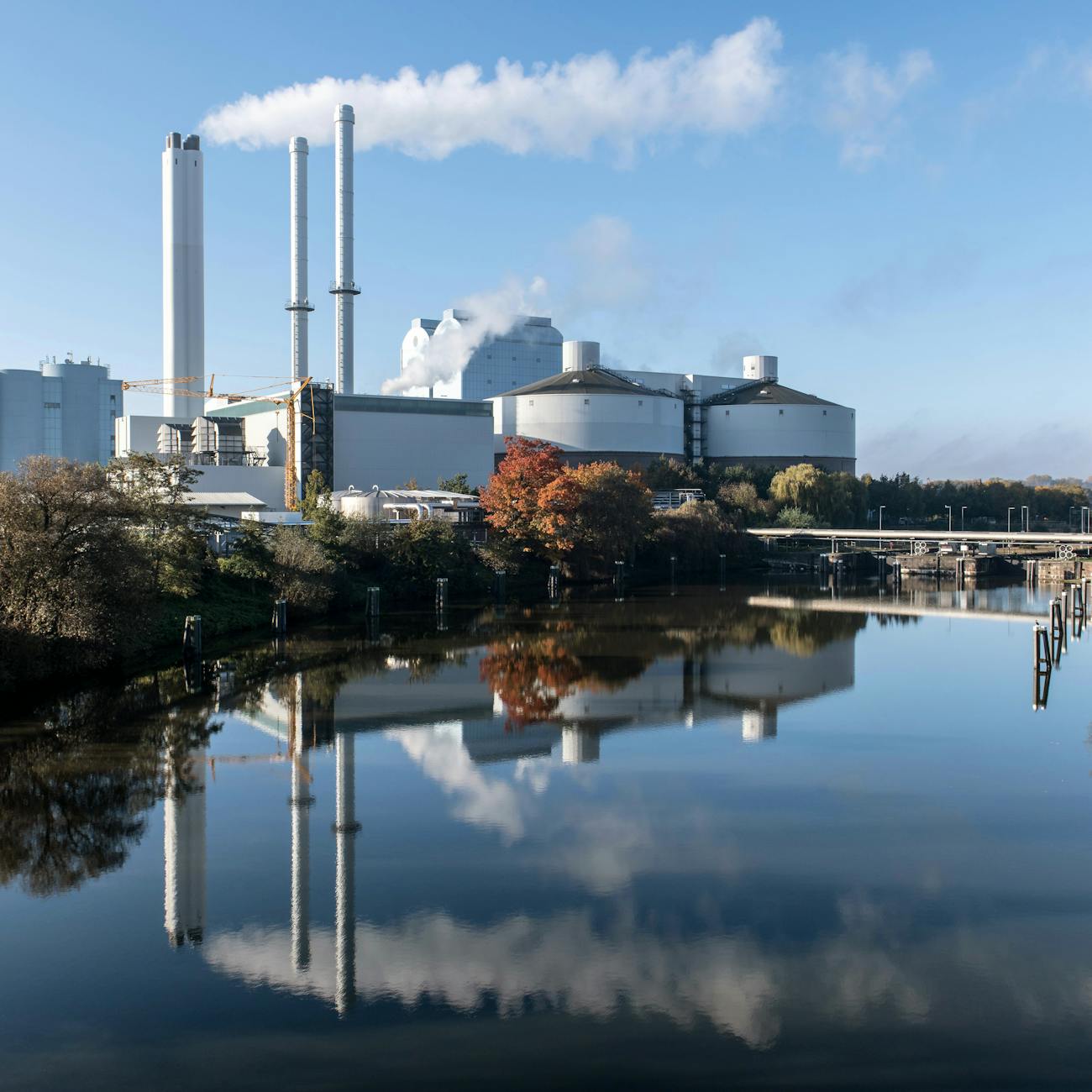
Energy Management and Efficiency are critical components of modern power plant engineering management. These concepts involve the optimization of energy use and the reduction of energy waste in power plants, leading to significant cost savings, increased reliability, and a more sustainable energy future. In this explanation, we will explore key terms and vocabulary related to Energy Management and Efficiency in the context of power plant engineering management.
1. Energy Management System (EMS): An EMS is a system that monitors, controls, and optimizes energy use in a power plant. It involves the integration of various systems, including building management systems, power management systems, and electrical distribution systems, to provide a comprehensive view of energy use and identify opportunities for improvement. 2. Energy Efficiency: Energy efficiency refers to the use of less energy to perform the same task or function. In the context of power plants, energy efficiency can be achieved through the use of more efficient equipment, better process control, and the optimization of energy use. 3. Energy Conservation: Energy conservation involves reducing energy use by turning off equipment or reducing energy-intensive activities. In contrast to energy efficiency, which involves using energy more efficiently, energy conservation involves using less energy overall. 4. Energy Audit: An energy audit is a comprehensive assessment of energy use in a power plant. It involves the collection and analysis of data on energy use, the identification of energy-saving opportunities, and the development of a plan to implement energy-saving measures. 5. Power Factor: Power factor is a measure of the efficiency of electrical power transmission. It is defined as the ratio of real power (measured in watts) to apparent power (measured in volt-amperes). A power factor of 1.0 indicates that all the electrical power being transmitted is being used effectively, while a power factor of less than 1.0 indicates that some of the electrical power is being lost due to inefficiencies in the transmission system. 6. Demand Response: Demand response is a program that encourages energy users to reduce their energy use during peak demand periods. In exchange for reducing their energy use, participants in demand response programs may receive financial incentives or other benefits. 7. Combined Heat and Power (CHP): CHP is a highly efficient energy generation system that captures and utilizes the heat produced during the generation of electricity. By capturing and using this heat, CHP systems can achieve overall energy efficiencies of up to 80%, compared to traditional energy generation systems, which typically have efficiencies of around 30-40%. 8. ISO 50001: ISO 50001 is an international standard for energy management systems. It provides a framework for organizations to develop, implement, and maintain energy management systems that enable them to achieve their energy-related objectives and improve their energy performance. 9. Energy Management Information System (EMIS): An EMIS is a software tool that helps organizations manage their energy use and performance. It typically includes features such as data collection and analysis, reporting, and alerting. 10. Energy Service Company (ESCO): An ESCO is a company that provides energy management services to organizations. These services may include energy audits, the implementation of energy-saving measures, and the financing of energy-saving projects. 11. Renewable Energy: Renewable energy is energy derived from natural resources that can be replenished over time, such as solar, wind, hydro, and geothermal energy. Renewable energy is becoming increasingly important as the world seeks to reduce its dependence on fossil fuels and mitigate the impacts of climate change. 12. Carbon Footprint: A carbon footprint is the total amount of greenhouse gas emissions associated with a product, service, or organization. It is typically expressed in terms of carbon dioxide equivalents and includes emissions from all stages of the product or service lifecycle, from raw material extraction to end-of-life disposal. 13. Energy Star: Energy Star is a U.S. Environmental Protection Agency (EPA) program that promotes energy-efficient products and practices. Products that earn the Energy Star label have been certified to meet strict energy efficiency guidelines set by the EPA. 14. Building Energy Management System (BEMS): A BEMS is a system that monitors, controls, and optimizes energy use in buildings. It typically includes features such as HVAC control, lighting control, and energy metering. 15. Submetering: Submetering is the practice of measuring energy use at the circuit level within a building or facility. It provides detailed energy use data that can be used to identify energy-saving opportunities and optimize energy use. 16. Energy Dashboard: An energy dashboard is a visual display of energy use data that provides real-time feedback to energy users. It is typically used in conjunction with an EMIS or BEMS to help users understand their energy use and identify opportunities for improvement. 17. Life-Cycle Cost Analysis (LCCA): LCCA is a method for evaluating the total cost of ownership of a product or system over its entire lifecycle. It takes into account not only the initial purchase cost but also ongoing maintenance, energy, and disposal costs. 18. Monitoring-Based Commissioning (MBCx): MBCx is a process for optimizing building performance through the continuous monitoring and adjustment of building systems. It involves the use of sensors and data analytics to identify energy-saving opportunities and ensure that building systems are operating at peak efficiency. 19. ISO 14001: ISO 14001 is an international standard for environmental management systems. It provides a framework for organizations to develop, implement, and maintain environmental management systems that enable them to achieve their environmental objectives and improve their environmental performance. 20. Cap and Trade: Cap and trade is a market-based approach to reducing greenhouse gas emissions. It involves setting a cap on emissions and allowing companies to trade emission allowances within that cap. Companies that reduce their emissions below their allocated cap can sell their excess allowances to other companies that exceed their cap.
Challenge:
To apply the concepts of Energy Management and Efficiency in a real-world setting, consider the following challenge:
1. Conduct an energy audit of a building or facility. 2. Identify energy-saving opportunities and calculate the potential energy and cost savings. 3. Develop a plan to implement energy-saving measures. 4. Monitor and evaluate the effectiveness of the energy-saving measures. 5. Continuously optimize energy use through the use of an EMIS or BEMS.
Example:
For example, consider a large commercial office building with an annual energy bill of $1 million. An energy audit of the building identified the following energy-saving opportunities:
1. Installing energy-efficient lighting and HVAC controls, which would reduce energy use by 20%. 2. Implementing a demand response program, which would reduce energy use during peak demand periods and provide financial incentives. 3. Installing submetering and an energy dashboard to provide real-time feedback to building occupants and encourage energy-efficient behaviors.
By implementing these energy-saving measures, the building could reduce its energy use by 30%, resulting in annual energy cost savings of $300,000. The payback period for the energy-saving measures would be less than two years, making it a financially viable investment.
Conclusion:
Energy Management and Efficiency are critical components of modern power plant engineering management. By understanding key terms and vocabulary related to these concepts, power plant engineers and managers can optimize energy use, reduce energy waste, and achieve significant cost savings. From Energy Management Systems to Cap and Trade, there are many tools and approaches available to help organizations manage their energy use and improve their energy performance. By continuously monitoring and optimizing energy use, organizations can contribute to a more sustainable energy future.
Key takeaways
- These concepts involve the optimization of energy use and the reduction of energy waste in power plants, leading to significant cost savings, increased reliability, and a more sustainable energy future.
- It involves the integration of various systems, including building management systems, power management systems, and electrical distribution systems, to provide a comprehensive view of energy use and identify opportunities for improvement.
- Identify energy-saving opportunities and calculate the potential energy and cost savings.
- For example, consider a large commercial office building with an annual energy bill of $1 million.
- Installing submetering and an energy dashboard to provide real-time feedback to building occupants and encourage energy-efficient behaviors.
- By implementing these energy-saving measures, the building could reduce its energy use by 30%, resulting in annual energy cost savings of $300,000.
- By understanding key terms and vocabulary related to these concepts, power plant engineers and managers can optimize energy use, reduce energy waste, and achieve significant cost savings.