
Risk Assessment and Management
Risk assessment and management are crucial components of professional certificate programs in power plant engineering management. These concepts involve identifying, evaluating, and prioritizing risks to minimize their impact on the safety,…
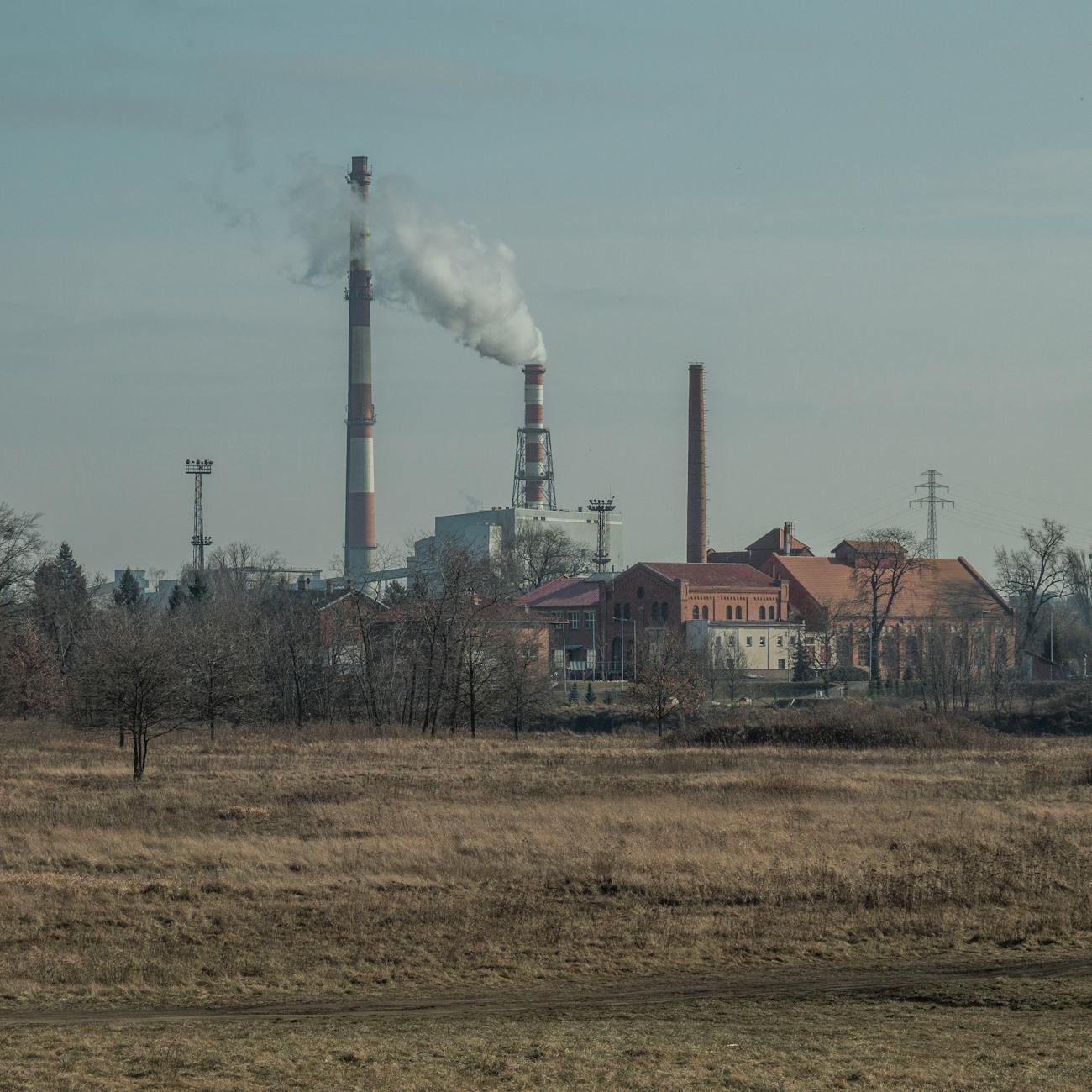
Risk assessment and management are crucial components of professional certificate programs in power plant engineering management. These concepts involve identifying, evaluating, and prioritizing risks to minimize their impact on the safety, reliability, and financial performance of power plants. The following explanation covers key terms and vocabulary related to risk assessment and management in power plant engineering management.
Risk: A risk is an uncertain event or condition that, if it occurs, may have a positive or negative effect on one or more objectives. Risks can be internal or external, and they can have various causes and consequences. In power plant engineering management, risks can include equipment failure, safety incidents, regulatory non-compliance, and financial losses.
Risk Assessment: Risk assessment is the process of identifying, analyzing, and evaluating risks to determine their likelihood and consequences. Risk assessment typically involves three steps: hazard identification, risk analysis, and risk evaluation.
Hazard Identification: Hazard identification is the process of identifying potential sources of harm or adverse effects in a power plant. Hazards can include equipment failure, human error, natural disasters, and cyber threats. Hazard identification involves reviewing plant designs, operating procedures, maintenance practices, and historical data to identify potential hazards.
Risk Analysis: Risk analysis is the process of estimating the likelihood and consequences of identified hazards. Risk analysis involves quantifying the frequency and severity of potential risks and estimating their impact on plant safety, reliability, and financial performance. Risk analysis tools include fault tree analysis, event tree analysis, and hazard and operability studies (HAZOPs).
Risk Evaluation: Risk evaluation is the process of comparing the estimated risks against predefined criteria to determine their significance. Risk evaluation involves prioritizing risks based on their likelihood and consequences and determining the appropriate risk management strategies.
Risk Management: Risk management is the process of selecting and implementing risk management strategies to minimize the impact of identified risks on power plant operations. Risk management strategies can include risk avoidance, risk reduction, risk sharing, and risk retention.
Risk Avoidance: Risk avoidance is the strategy of eliminating or avoiding the source of the risk. Risk avoidance may involve modifying plant designs, operating procedures, or maintenance practices to eliminate the hazard or reducing the frequency or severity of the risk.
Risk Reduction: Risk reduction is the strategy of reducing the likelihood or consequences of the risk. Risk reduction may involve implementing additional safeguards, improving maintenance practices, or implementing training programs to reduce human error.
Risk Sharing: Risk sharing is the strategy of transferring some or all of the risk to another party. Risk sharing may involve purchasing insurance, outsourcing maintenance or operations, or forming partnerships with other organizations.
Risk Retention: Risk retention is the strategy of accepting some or all of the risk. Risk retention may involve self-insurance, setting aside reserves, or implementing risk management programs to mitigate the impact of the risk.
ALARP Principle: The ALARP principle stands for "as low as reasonably practicable." The ALARP principle is a risk management strategy that involves reducing risks to a level that is as low as reasonably practicable, taking into account economic, social, and environmental factors. The ALARP principle is often used in power plant engineering management to balance safety, reliability, and financial performance.
Safety Culture: Safety culture refers to the attitudes, values, and behaviors that influence safety in a power plant. A strong safety culture is essential for minimizing risks and ensuring plant safety. A strong safety culture involves a commitment to safety from all levels of the organization, open communication, and a focus on continuous improvement.
Reliability-Centered Maintenance: Reliability-centered maintenance (RCM) is a maintenance strategy that focuses on identifying and prioritizing maintenance activities based on their impact on plant reliability and safety. RCM involves analyzing plant systems and equipment to identify potential failure modes and implementing maintenance activities to prevent or mitigate those failures.
Cybersecurity: Cybersecurity is the practice of protecting power plant systems and networks from unauthorized access, use, disclosure, disruption, modification, or destruction. Cybersecurity threats can include malware, phishing attacks, and insider threats. Cybersecurity measures can include firewalls, intrusion detection systems, and security awareness training.
Challenges: Power plant engineering management faces various challenges related to risk assessment and management. These challenges include:
* Complex and interconnected systems that increase the likelihood and consequences of risks. * Aging infrastructure that requires ongoing maintenance and upgrades. * Regulatory requirements that can be complex and difficult to interpret. * Limited resources, including budget, staff, and time. * Changing technology and industry trends that require ongoing learning and adaptation.
Conclusion: Risk assessment and management are critical components of power plant engineering management. Understanding key terms and vocabulary related to risk assessment and management can help power plant professionals minimize risks and ensure plant safety, reliability, and financial performance. By implementing effective risk management strategies, power plant professionals can balance safety, reliability, and financial performance and meet the challenges of a complex and dynamic industry.
Key takeaways
- These concepts involve identifying, evaluating, and prioritizing risks to minimize their impact on the safety, reliability, and financial performance of power plants.
- In power plant engineering management, risks can include equipment failure, safety incidents, regulatory non-compliance, and financial losses.
- Risk Assessment: Risk assessment is the process of identifying, analyzing, and evaluating risks to determine their likelihood and consequences.
- Hazard identification involves reviewing plant designs, operating procedures, maintenance practices, and historical data to identify potential hazards.
- Risk analysis involves quantifying the frequency and severity of potential risks and estimating their impact on plant safety, reliability, and financial performance.
- Risk evaluation involves prioritizing risks based on their likelihood and consequences and determining the appropriate risk management strategies.
- Risk Management: Risk management is the process of selecting and implementing risk management strategies to minimize the impact of identified risks on power plant operations.