
Risk Management in Construction Projects
Risk management in construction projects involves identifying, assessing, and mitigating potential risks that could impact the project's objectives, timeline, budget, and quality. Effective risk management is crucial to ensure the successfu…
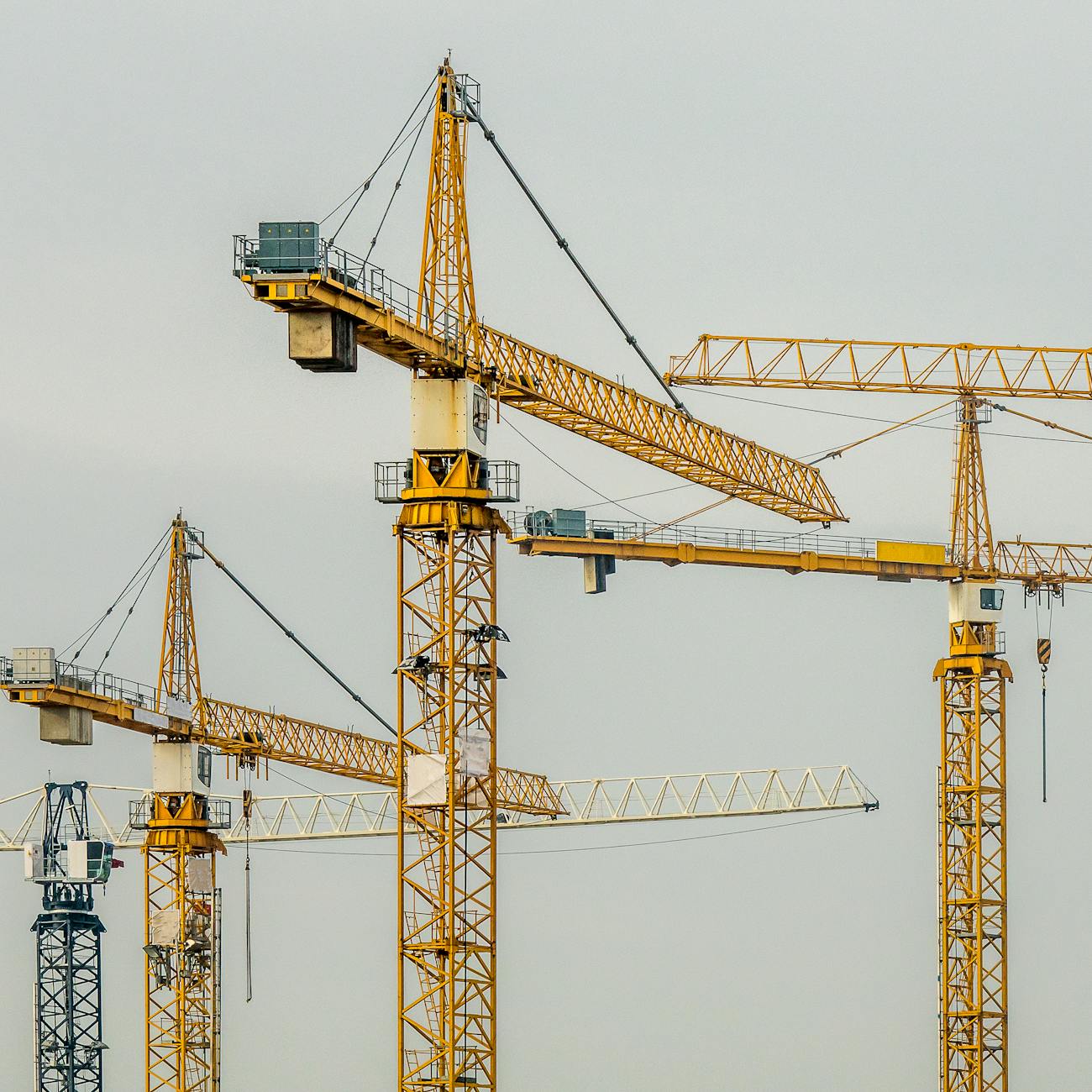
Risk management in construction projects involves identifying, assessing, and mitigating potential risks that could impact the project's objectives, timeline, budget, and quality. Effective risk management is crucial to ensure the successful completion of a construction project. One of the key terms in risk management is risk itself, which refers to an uncertain event or circumstance that, if it occurs, has a potential impact on the project. Risks can be positive or negative, and they can arise from various sources, including the project's internal and external environment.
Construction projects are inherently complex and involve numerous stakeholders, including contractors, subcontractors, architects, engineers, and clients. Each stakeholder has its own interests, objectives, and expectations, which can sometimes conflict with those of other stakeholders. Effective communication and coordination among stakeholders are essential to identify and manage risks. The project manager plays a critical role in risk management, as they are responsible for identifying, assessing, and mitigating risks, as well as communicating with stakeholders and ensuring that the project is completed on time, within budget, and to the required quality standards.
Another important term in risk management is hazard, which refers to a situation or condition that has the potential to cause harm or damage to people, the environment, or property. Hazards can be physical, such as a poorly designed structure, or non-physical, such as a contractual dispute. Hazards can be identified through various techniques, including site inspections, review of design and construction documents, and analysis of historical data and industry trends.
The process of risk management involves several steps, including risk identification, risk assessment, risk analysis, risk evaluation, and risk mitigation. Risk identification involves identifying potential risks that could impact the project. This can be done through various techniques, such as brainstorming sessions, checklists, and reviews of historical data and industry trends. Once risks have been identified, they need to be assessed and analyzed to determine their likelihood and potential impact on the project.
Risk assessment involves evaluating the likelihood and potential impact of each identified risk. This can be done using various techniques, such as probability analysis and impact analysis. Probability analysis involves evaluating the likelihood of each risk occurring, while impact analysis involves evaluating the potential consequences of each risk. The results of the risk assessment are typically presented in a risk matrix, which is a table that plots the likelihood of each risk against its potential impact.
Risk analysis involves evaluating the results of the risk assessment to determine the overall risk profile of the project. This involves evaluating the likelihood and potential impact of each risk, as well as the effectiveness of existing controls and mitigation measures. The results of the risk analysis are used to prioritize risks and develop strategies for mitigating them. Risk evaluation involves comparing the results of the risk analysis with the project's risk tolerance, which is the level of risk that the project stakeholders are willing to accept.
Risk mitigation involves developing and implementing strategies to reduce or eliminate risks. This can include avoiding the risk, transferring the risk to another party, mitigating the risk through controls or other measures, or accepting the risk. The choice of risk mitigation strategy depends on the nature of the risk, the project's risk tolerance, and the availability of resources. Effective risk mitigation requires monitoring and review of the risk mitigation strategies to ensure that they are working effectively.
Construction projects are subject to various types of risks, including design risks, construction risks, operational risks, and financial risks. Design risks arise from errors or omissions in the design of the project, such as inadequate structural design or insufficient provision for mechanical and electrical systems. Construction risks arise from errors or omissions during the construction process, such as poor workmanship or inadequate site management. Operational risks arise from the project's operational phase, such as maintenance and repair costs, and financial risks arise from the project's financial performance, such as cash flow problems or cost overruns.
One of the key challenges in risk management is uncertainty, which refers to the lack of complete or accurate information about a risk. Uncertainty can arise from various sources, including limited data, incomplete information, or unreliable sources. To manage uncertainty, project managers use various techniques, such as sensitivity analysis and scenario planning. Sensitivity analysis involves evaluating the impact of changes in assumptions or variables on the project's risk profile, while scenario planning involves developing scenarios that reflect different possible outcomes or events.
Another challenge in risk management is complexity, which refers to the intricate relationships between different components or systems within the project. Complexity can arise from various sources, including interdependencies between different systems or components, non-linear relationships between variables, or emergent behavior that arises from the interactions between different components or systems. To manage complexity, project managers use various techniques, such as system thinking and network analysis. System thinking involves evaluating the project as a whole, rather than focusing on individual components or systems, while network analysis involves evaluating the relationships between different components or systems.
Effective risk management requires collaboration and communication among stakeholders. This involves sharing information, coordinating activities, and working together to identify and mitigate risks. Collaboration and communication can be facilitated through various means, such as meetings, reports, and electronic communication tools. The project manager plays a critical role in facilitating collaboration and communication among stakeholders, as they are responsible for ensuring that all stakeholders are informed and engaged throughout the project.
In addition to collaboration and communication, effective risk management requires continuous monitoring and review. This involves regularly reviewing the project's risk profile, updating the risk register, and implementing new risk mitigation strategies as needed. Continuous monitoring and review help to ensure that the project remains on track, and that risks are identified and mitigated in a timely and effective manner.
The use of technology can also facilitate risk management in construction projects. Various software tools and platforms are available to support risk management, such as risk management software, project management software, and collaboration tools. These tools can help to streamline risk management processes, improve communication and collaboration among stakeholders, and provide real-time visibility into the project's risk profile.
In conclusion, risk management is a critical component of construction projects, and it involves identifying, assessing, and mitigating potential risks that could impact the project's objectives, timeline, budget, and quality. Effective risk management requires collaboration and communication among stakeholders, continuous monitoring and review, and the use of technology to facilitate risk management processes. By understanding the key terms and concepts in risk management, construction professionals can better navigate the complex and ever-changing landscape of construction projects, and ensure that their projects are completed on time, within budget, and to the required quality standards.
Construction projects involve various stakeholders, including clients, contractors, subcontractors, architects, and engineers. Each stakeholder has its own interests, objectives, and expectations, which can sometimes conflict with those of other stakeholders. Effective risk management requires an understanding of the different stakeholders and their roles and responsibilities in the project.
The client is the party that commissions the construction project, and they are typically responsible for defining the project's objectives, budget, and timeline. The client may also be responsible for providing input on the project's design and construction, and for ensuring that the project meets their needs and expectations. The contractor is the party that is responsible for constructing the project, and they are typically responsible for managing the construction process, hiring subcontractors, and ensuring that the project is completed on time and within budget.
The subcontractor is a party that is hired by the contractor to perform specific tasks or services, such as electrical or plumbing work. Subcontractors are typically responsible for managing their own work, hiring their own employees, and ensuring that their work meets the required standards. The architect is the party that is responsible for designing the project, and they are typically responsible for creating the project's design documents, such as blueprints and specifications. The engineer is the party that is responsible for ensuring that the project's design is structurally sound and meets the required building codes and standards.
Effective risk management requires an understanding of the different stakeholders and their roles and responsibilities in the project. It also requires an understanding of the potential risks that can arise from each stakeholder, such as design risks from the architect, construction risks from the contractor, and operational risks from the client. By understanding the different stakeholders and their potential risks, construction professionals can develop effective risk management strategies that mitigate these risks and ensure that the project is completed on time, within budget, and to the required quality standards.
The use of contracts is another important aspect of risk management in construction projects. Contracts are agreements between two or more parties that outline the terms and conditions of the project, including the scope of work, payment terms, and timelines. Contracts can help to mitigate risks by providing a clear understanding of the parties' roles and responsibilities, as well as the consequences of non-performance or default.
There are various types of contracts that are used in construction projects, including fixed-price contracts, cost-plus contracts, and time-and-materials contracts. Fixed-price contracts involve a fixed payment for a specific scope of work, while cost-plus contracts involve a payment that is based on the actual costs incurred, plus a fee or profit margin. Time-and-materials contracts involve a payment that is based on the actual time and materials used to complete the work.
The choice of contract type depends on the nature of the project, the level of risk, and the parties' preferences. Fixed-price contracts can provide a high level of certainty and predictability, but they can also be inflexible and may not account for changes or unexpected events. Cost-plus contracts can provide a high level of flexibility, but they can also be uncertain and may not provide a clear understanding of the final cost.
The use of insurance is another important aspect of risk management in construction projects. Insurance can provide financial protection against unexpected events or losses, such as damage to the project site, injury to workers, or defects in materials or workmanship. There are various types of insurance that are used in construction projects, including liability insurance, property insurance, and workers' compensation insurance.
Liability insurance provides protection against claims for damages or injuries caused by the project, while property insurance provides protection against damage to the project site or materials. Workers' compensation insurance provides protection against injuries or illnesses suffered by workers on the project site. The choice of insurance type and coverage depends on the nature of the project, the level of risk, and the parties' preferences.
In addition to contracts and insurance, effective risk management in construction projects requires a proactive approach to identifying and mitigating risks. This involves regularly reviewing the project's risk profile, updating the risk register, and implementing new risk mitigation strategies as needed. A proactive approach to risk management can help to mitigate risks, reduce uncertainty, and ensure that the project is completed on time, within budget, and to the required quality standards.
The use of checklists and templates can also facilitate risk management in construction projects. Checklists can provide a systematic approach to identifying and mitigating risks, while templates can provide a standardized format for documenting and tracking risks. Checklists and templates can be developed based on industry best practices, regulatory requirements, and project-specific needs.
Effective risk management in construction projects also requires training and awareness among stakeholders. This involves providing stakeholders with the necessary knowledge and skills to identify and mitigate risks, as well as promoting a culture of risk awareness and proactive risk management. Training and awareness can be provided through various means, such as workshops, seminars, and online courses.
The use of lessons learned from previous projects can also facilitate risk management in construction projects. Lessons learned can provide valuable insights into the types of risks that can arise, the effectiveness of different risk mitigation strategies, and the importance of proactive risk management. Lessons learned can be documented and shared among stakeholders to promote a culture of risk awareness and proactive risk management.
In construction projects, stakeholder management is critical to ensure the successful completion of the project. Stakeholder management involves identifying, analyzing, and responding to the needs and expectations of stakeholders. Stakeholders can include clients, contractors, subcontractors, architects, engineers, and regulatory authorities.
Effective stakeholder management requires communication and engagement with stakeholders. This involves providing stakeholders with timely and accurate information, as well as soliciting their input and feedback. Stakeholder management can help to mitigate risks, build trust, and ensure that the project meets the needs and expectations of stakeholders.
The use of project management tools and techniques can also facilitate risk management in construction projects. Project management tools and techniques can provide a systematic approach to planning, organizing, and controlling the project. This can help to mitigate risks, reduce uncertainty, and ensure that the project is completed on time, within budget, and to the required quality standards.
Project management tools and techniques can include project scheduling, budgeting, and resource allocation. Project scheduling involves developing a detailed schedule for the project, including milestones and deadlines. Budgeting involves establishing a budget for the project, including costs for labor, materials, and equipment. Resource allocation involves assigning resources, such as labor and equipment, to specific tasks and activities.
Effective risk management in construction projects requires a holistic approach that considers the project as a whole. This involves evaluating the project's risk profile, identifying and mitigating risks, and ensuring that the project is completed on time, within budget, and to the required quality standards. A holistic approach to risk management can help to mitigate risks, reduce uncertainty, and ensure that the project meets the needs and expectations of stakeholders.
The use of Lean principles and agile methodologies can also facilitate risk management in construction projects. Lean principles involve eliminating waste, reducing variability, and improving flow. Agile methodologies involve iterative and incremental development, flexible planning, and continuous improvement.
Lean principles and agile methodologies can help to mitigate risks, reduce uncertainty, and improve the overall efficiency and effectiveness of the project. This can involve streamlining processes, reducing waste, and improving communication and collaboration among stakeholders.
In construction projects, sustainability is also an important consideration. Sustainability involves minimizing the project's environmental impact, reducing waste, and promoting social responsibility. Sustainability can help to mitigate risks, reduce uncertainty, and ensure that the project meets the needs and expectations of stakeholders.
Sustainability can involve energy efficiency, water conservation, and materials management. Energy efficiency can involve using energy-efficient systems and materials, while water conservation can involve reducing water consumption and promoting water efficiency. Materials management can involve reducing waste, promoting recycling, and using sustainable materials.
The use of Building Information Modeling (BIM) can also facilitate risk management in construction projects. BIM involves creating a digital model of the project, including architectural, engineering, and construction data. BIM can help to mitigate risks, reduce uncertainty, and improve the overall efficiency and effectiveness of the project.
BIM can involve 3D modeling, 4D scheduling, and 5D cost estimation. 3D modeling can involve creating a detailed digital model of the project, while 4D scheduling can involve simulating the construction process and identifying potential risks and conflicts. 5D cost estimation can involve estimating the project's costs and identifying potential cost risks.
Effective risk management in construction projects requires a strategic approach that considers the project's overall goals and objectives. This involves evaluating the project's risk profile, identifying and mitigating risks, and ensuring that the project is completed on time, within budget, and to the required quality standards.
A strategic approach to risk management can help to mitigate risks, reduce uncertainty, and ensure that the project meets the needs and expectations of stakeholders. This can involve aligning risk management with the project's overall strategy, integrating risk management with other project management processes, and monitoring and reviewing the project's risk profile on a regular basis.
The use of artificial intelligence (AI) and machine learning (ML) can also facilitate risk management in construction projects. AI and ML can involve using algorithms and data analytics to identify and mitigate risks, as well as predict potential risks and conflicts.
AI and ML can help to mitigate risks, reduce uncertainty, and improve the overall efficiency and effectiveness of the project. This can involve predictive analytics, real-time monitoring, and automated decision-making.
In construction projects, cybersecurity is also an important consideration. Cybersecurity involves protecting the project's data and systems from cyber threats, such as hacking and data breaches. Cybersecurity can help to mitigate risks, reduce uncertainty, and ensure that the project meets the needs and expectations of stakeholders.
Cybersecurity can involve firewalls, encryption, and access controls. Firewalls can involve blocking unauthorized access to the project's systems and data, while encryption can involve protecting data in transit and at rest. Access controls can involve restricting access to authorized personnel and systems.
The use of cloud computing can also facilitate risk management in construction projects. Cloud computing involves using remote servers and data centers to store and process data, rather than local servers and data centers. Cloud computing can help to mitigate risks, reduce uncertainty, and improve the overall efficiency and effectiveness of the project.
Cloud computing can involve scalability, flexibility, and cost savings. Scalability can involve quickly scaling up or down to meet changing project needs, while flexibility can involve accessing data and systems from anywhere, at any time. Cost savings can involve reducing the need for local servers and data centers, as well as minimizing the need for IT personnel and support.
Effective risk management in construction projects requires a collaborative approach that involves all stakeholders. This involves sharing information, coordinating activities, and working together to identify and mitigate risks.
A collaborative approach to risk management can help to mitigate risks, reduce uncertainty, and ensure that the project meets the needs and expectations of stakeholders. This can involve communication, coordination, and cooperation among stakeholders.
The use of virtual and augmented reality can also facilitate risk management in construction projects. Virtual and augmented reality can involve using digital models and simulations to identify and mitigate risks, as well as predict potential risks and conflicts.
Virtual and augmented reality can help to mitigate risks, reduce uncertainty, and improve the overall efficiency and effectiveness of the project. This can involve simulating construction processes, visualizing project data, and predicting potential risks and conflicts.
In construction projects, resilience is also an important consideration. Resilience involves the ability to absorb and recover from unexpected events and disruptions, such as natural disasters or economic downturns. Resilience can help to mitigate risks, reduce uncertainty, and ensure that the project meets the needs and expectations of stakeholders.
Resilience can involve flexibility, adaptability, and robustness. Flexibility can involve quickly adapting to changing project needs and circumstances, while adaptability can involve responding to unexpected events and disruptions. Robustness can involve designing and constructing the project to withstand unexpected events and disruptions.
The use of disaster recovery and business continuity planning can also facilitate risk management in construction projects. Disaster recovery and business continuity planning involve developing plans and procedures to respond to and recover from unexpected events and disruptions.
Disaster recovery and business continuity planning can help to mitigate risks, reduce uncertainty, and ensure that the project meets the needs and expectations of stakeholders. This can involve identifying critical systems and processes, developing backup and recovery plans, and testing and exercising plans and procedures.
Effective risk management in construction projects requires a proactive approach that involves anticipating and mitigating potential risks, rather than simply reacting to them. A proactive approach to risk management can help to mitigate risks, reduce uncertainty, and ensure that the project meets the needs and expectations of stakeholders.
A proactive approach to risk management can involve identifying potential risks, assessing their likelihood and impact, and developing strategies to mitigate or manage them. This can involve monitoring and reviewing the project's risk profile on a regular basis, as well as updating and
The use of blockchain technology can also facilitate risk management in construction projects. Blockchain technology involves using a distributed ledger to record and verify transactions, as well as track and manage data and information.
Blockchain technology can help to mitigate risks, reduce uncertainty, and improve the overall efficiency and effectiveness of the project. This can involve increasing transparency and accountability, reducing the risk of errors and disputes, and improving the overall quality and reliability of the project.
Effective risk management in construction projects requires a comprehensive approach that considers all aspects of the project, including design, construction, operations, and maintenance. A comprehensive approach to risk management can help to mitigate risks, reduce uncertainty, and ensure that the project meets the needs and expectations of stakeholders.
A comprehensive approach to risk management can involve integrating risk management with other project management processes, such as planning, scheduling, and budgeting. This can involve identifying and assessing risks, developing and implementing risk mitigation strategies, and monitoring and reviewing the project's risk profile on a regular basis.
The use of geospatial technology can also facilitate risk management in construction projects. Geospatial technology involves using geographic information systems (GIS) and other spatial technologies to analyze and manage spatial data and information.
Geospatial technology can help to mitigate risks, reduce uncertainty, and improve the overall efficiency and effectiveness of the project. This can involve mapping and analyzing spatial data, identifying and assessing risks, and developing and implementing risk mitigation strategies.
Effective risk management in construction projects requires a dynamic approach that involves continuously monitoring and adapting to changing project circumstances and risks. A dynamic approach to risk management can help to mitigate risks, reduce uncertainty, and ensure that the project meets the needs and expectations of stakeholders.
A dynamic approach to risk management can involve monitoring and reviewing the project's risk profile on a regular basis, as well as updating and refining risk management plans and procedures as needed. This can involve identifying and assessing new risks, developing and implementing new risk mitigation strategies, and evaluating and improving the overall effectiveness of the risk management process.
The use of intelligent systems and machine learning algorithms can also facilitate risk management in construction projects. Intelligent systems and machine learning algorithms can involve using data analytics and artificial intelligence to identify and mitigate risks, as well as predict potential risks and conflicts.
Intelligent systems and machine learning algorithms can help to mitigate risks, reduce uncertainty, and improve the overall efficiency and effectiveness of the project. This can involve analyzing and interpreting data, identifying and assessing risks, and developing and implementing risk mitigation strategies.
Effective risk management in construction projects requires a flexible approach that involves adapting to changing project circumstances and risks. A flexible approach to risk management can help to mitigate risks, reduce uncertainty, and ensure that the project meets the needs and expectations of stakeholders.
A flexible approach to risk management can involve monitoring and reviewing the project's risk profile on a regular basis, as well as updating and refining risk management plans and procedures as needed. This can involve identifying and assessing new risks, developing and implementing new risk mitigation strategies, and evaluating and improving the overall effectiveness of the risk management process.
The use of real-time data and analytics can also facilitate risk management in construction projects. Real-time data and analytics can involve using sensors, drones, and other technologies to collect and analyze data, as well as predict potential risks and conflicts.
Real-time data and analytics can help to mitigate risks, reduce uncertainty, and improve the overall efficiency and effectiveness of the project. This can involve monitoring and reviewing the project's risk profile in real-time, as well as identifying and assessing risks, and developing and implementing risk mitigation strategies.
Effective risk management in construction projects requires a strategic approach that involves aligning risk management with the project's overall goals and objectives. A strategic approach to risk management can help to mitigate risks, reduce uncertainty, and ensure that the project meets the needs and expectations of stakeholders.
A strategic approach to risk management can involve integrating risk management with other project management processes, such as planning, scheduling, and budgeting. This can involve identifying and assessing risks, developing and implementing risk mitigation strategies, and monitoring and reviewing the project's risk profile on a regular basis.
The use of expert systems and decision support systems can also facilitate risk management in construction projects. Expert systems and decision support systems can involve using artificial intelligence and data analytics to identify and mitigate risks, as well as predict potential risks and conflicts.
Expert systems and decision support systems can help to mitigate risks, reduce uncertainty, and improve the overall efficiency and effectiveness of the project. This can involve analyzing and interpreting data, identifying and assessing risks, and developing and implementing risk mitigation strategies.
Effective risk management in construction projects requires a comprehensive approach that considers all aspects of the project, including design, construction, operations, and maintenance. A comprehensive approach to risk management can help to mitigate risks, reduce uncertainty, and ensure that the project meets the needs and expectations of stakeholders.
A comprehensive approach to risk management can involve integrating risk management with other project management processes, such as planning, scheduling, and budgeting. This can involve identifying and assessing risks, developing and implementing risk mitigation strategies, and monitoring and reviewing the project's risk profile on a regular basis.
The use of collaborative tools and technologies can also facilitate risk management in construction projects. Collaborative tools and technologies can involve using cloud-based platforms, social media, and other digital tools to facilitate communication, coordination, and cooperation among stakeholders.
Collaborative tools and technologies can help to mitigate risks, reduce uncertainty, and improve the overall efficiency and effectiveness of the project. This can involve facilitating communication and coordination among stakeholders, enabling real-time collaboration and decision-making, and enhancing the overall quality and reliability of the project.
Effective risk management in construction projects requires a proactive approach that involves anticipating and mitigating potential risks, rather than simply reacting to them. A proactive approach to risk management can help to mitigate risks, reduce uncertainty, and ensure that the project meets the needs and expectations of stakeholders.
A proactive approach to risk management can involve identifying and assessing potential risks, developing and implementing risk mitigation strategies, and monitoring and reviewing the project's risk profile on a regular basis. This can involve using data analytics and artificial intelligence to predict potential risks and conflicts, as well as facilitating communication and coordination among stakeholders.
The use of innovative technologies and methods can also facilitate risk management in construction projects. Innovative technologies and methods can involve using new and emerging technologies, such as drones, robots, and 3D printing, to improve the overall efficiency and effectiveness of the project.
Innovative technologies and methods can help to mitigate risks, reduce uncertainty, and improve the overall quality and reliability of the project. This can involve improving construction processes and techniques, enhancing the overall quality and reliability of the project, and reducing the risk of errors and defects.
Effective risk management in construction projects requires a flexible approach that involves adapting to changing project circumstances and risks. A flexible approach to risk management can help to mitigate risks, reduce uncertainty, and ensure that the project meets the needs and expectations of stakeholders.
A flexible approach to risk management can involve monitoring and reviewing the project's risk profile on a regular basis, as well as updating and refining risk management plans and procedures as needed. This can involve identifying and assessing new risks, developing and implementing new risk mitigation strategies, and evaluating and improving the overall effectiveness of the risk management process.
The use of real-time data and analytics can also facilitate risk management in construction projects. Real-time data and analytics can involve using sensors, drones, and other technologies to collect and analyze data, as well as predict potential risks and conflicts.
Real-time data and analytics can help to mitigate risks, reduce uncertainty, and improve the overall efficiency and effectiveness of the project. This can involve monitoring and reviewing the project's risk profile in real-time, as well as identifying and assessing risks, and developing and implementing risk mitigation strategies.
Effective risk management in construction projects requires a strategic approach that involves aligning risk management with the project's overall goals and objectives. A strategic approach to risk management can help to mitigate risks, reduce uncertainty, and ensure that the project meets the needs and expectations of stakeholders.
A strategic approach to risk management can involve integrating risk management with other project management processes, such as planning, scheduling, and budgeting. This can involve identifying and assessing risks, developing and implementing risk mitigation strategies, and monitoring and reviewing the project's risk profile on a regular basis.
The use of expert systems and decision support systems can also facilitate risk management in construction projects. Expert systems and decision support systems can involve using artificial intelligence and data analytics to identify and mitigate risks, as well as predict potential risks and conflicts.
Expert systems and decision support systems can help to mitigate risks, reduce uncertainty, and improve the overall efficiency and effectiveness of the project. This can involve analyzing and interpreting data, identifying and assessing risks, and developing and implementing risk mitigation strategies.
Effective risk management in construction projects requires a comprehensive approach that considers all aspects of the project, including design, construction, operations, and maintenance. A comprehensive approach to risk management can help to mitigate risks, reduce uncertainty, and ensure that the project meets the needs and expectations of stakeholders.
A comprehensive approach to risk management can involve integrating risk management with other project management processes, such as planning, scheduling, and budgeting. This can involve identifying and assessing risks, developing and implementing risk mitigation strategies, and monitoring and reviewing the project's risk profile on a regular basis.
The use of collaborative tools and technologies can also facilitate risk management in construction projects. Collaborative tools and technologies can involve using cloud-based platforms, social media, and other digital tools to facilitate communication, coordination, and cooperation among stakeholders.
Collaborative tools and technologies can help to mitigate risks, reduce uncertainty, and improve the overall efficiency and effectiveness of the project. This can involve facilitating communication and coordination among stakeholders, enabling real-time collaboration and decision-making, and enhancing the overall quality and reliability of the project.
Effective risk management in construction projects requires a proactive approach that involves anticipating and mitigating potential risks, rather than simply reacting to them. A proactive approach to risk management can help to mitigate risks, reduce uncertainty, and ensure that the project meets the needs and expectations of stakeholders.
A proactive approach to risk management can involve identifying and assessing potential risks, developing and implementing risk mitigation strategies, and monitoring and reviewing the project's risk profile on a regular basis. This can involve using data analytics and artificial intelligence to predict potential risks and conflicts, as well as facilitating communication and coordination among stakeholders.
The use of innovative technologies and methods can also facilitate risk management in construction projects. Innovative technologies and methods can involve using new and emerging technologies, such as drones, robots, and 3D printing, to improve the overall efficiency and effectiveness of the project.
Innovative technologies and methods can help to mitigate risks, reduce uncertainty, and improve the overall quality and reliability of the project. This
Key takeaways
- Risk management in construction projects involves identifying, assessing, and mitigating potential risks that could impact the project's objectives, timeline, budget, and quality.
- Construction projects are inherently complex and involve numerous stakeholders, including contractors, subcontractors, architects, engineers, and clients.
- Hazards can be identified through various techniques, including site inspections, review of design and construction documents, and analysis of historical data and industry trends.
- The process of risk management involves several steps, including risk identification, risk assessment, risk analysis, risk evaluation, and risk mitigation.
- The results of the risk assessment are typically presented in a risk matrix, which is a table that plots the likelihood of each risk against its potential impact.
- Risk evaluation involves comparing the results of the risk analysis with the project's risk tolerance, which is the level of risk that the project stakeholders are willing to accept.
- This can include avoiding the risk, transferring the risk to another party, mitigating the risk through controls or other measures, or accepting the risk.