
Dispute Resolution in Construction
Dispute resolution in construction is a complex and multifaceted field that involves various legal concepts, procedural rules, and technical expertise. It is essential to understand the key terms and vocabulary used in this field to effecti…
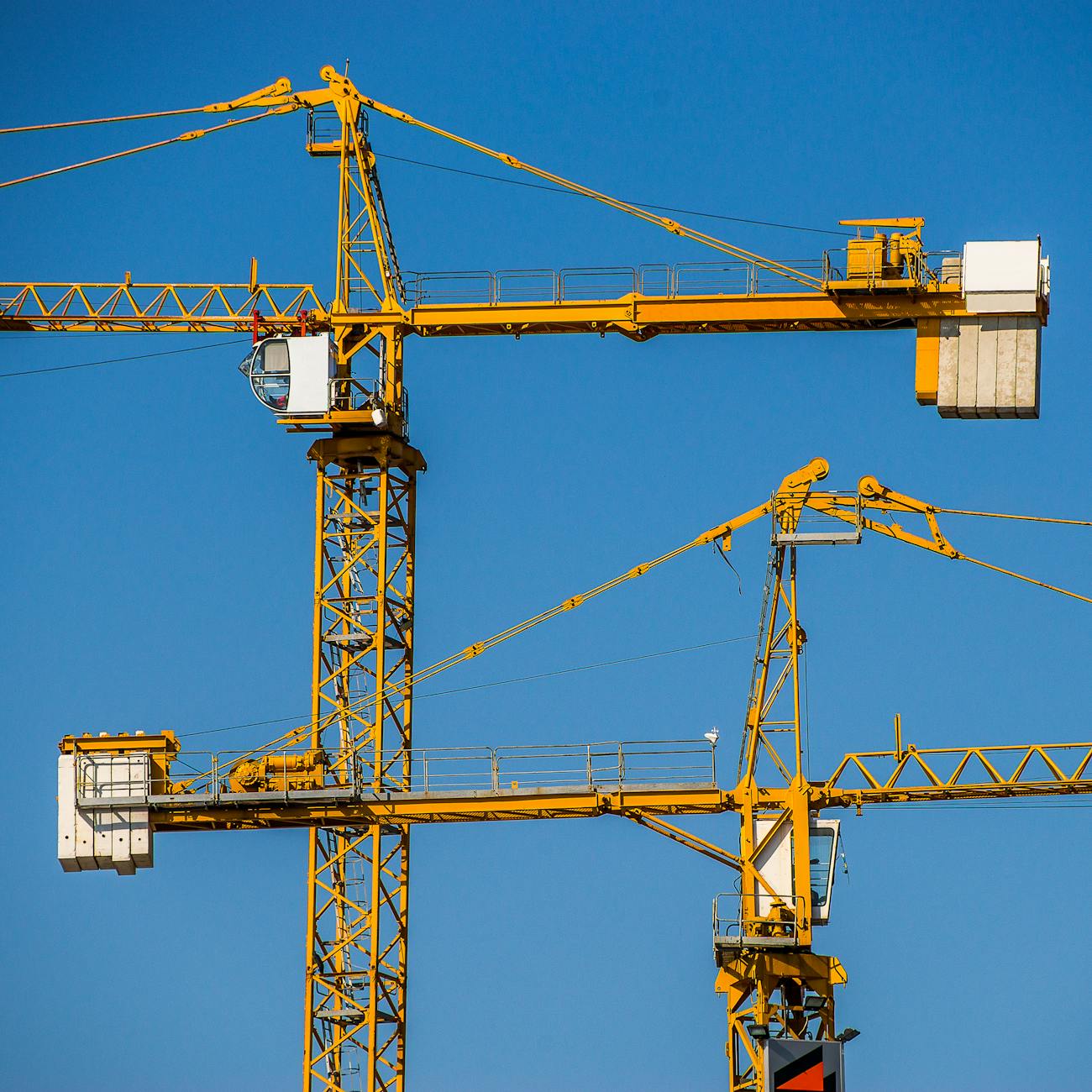
Dispute resolution in construction is a complex and multifaceted field that involves various legal concepts, procedural rules, and technical expertise. It is essential to understand the key terms and vocabulary used in this field to effectively navigate and resolve disputes that may arise during construction projects.
The construction industry is prone to disputes due to its complex nature, involving multiple stakeholders, technical issues, and financial risks. Disputes can arise from various sources, including contractual issues, design and engineering problems, delay and cost overruns, and quality and defect issues. To resolve these disputes, various dispute resolution methods are employed, including negotiation, mediation, arbitration, and litigation.
In the context of construction law, contract administration is critical in preventing and resolving disputes. A well-drafted contract can help to avoid disputes by clearly outlining the rights and obligations of the parties involved. However, even with a well-drafted contract, disputes can still arise, and it is essential to have a dispute resolution mechanism in place to resolve them efficiently and effectively.
One of the key terms used in dispute resolution in construction is alternative dispute resolution (ADR). ADR refers to the use of non-judicial methods to resolve disputes, such as mediation, arbitration, and negotiation. ADR is often preferred over litigation because it is faster, cheaper, and less formal. However, ADR may not always be appropriate for every dispute, and the choice of method will depend on the circumstances of the case.
Another important concept in dispute resolution in construction is adjudication. Adjudication is a statutory process that allows parties to refer a dispute to an adjudicator for a binding decision. Adjudication is often used in construction projects to resolve payment and time disputes. The adjudicator will review the evidence and make a decision based on the facts of the case. The decision is binding on the parties, but it can be challenged in court if there are grounds to do so.
In addition to adjudication, arbitration is another popular method of dispute resolution in construction. Arbitration involves the appointment of an arbitrator to hear the dispute and make a binding award. The arbitrator will review the evidence and make a decision based on the facts of the case. The award is final and binding on the parties, and it can only be challenged in limited circumstances.
Meditation is another useful method of dispute resolution in construction. Mediation involves the appointment of a mediator to facilitate negotiations between the parties. The mediator will help the parties to communicate and negotiate a settlement of the dispute. Mediation is often preferred because it is less formal and less expensive than arbitration or litigation.
The use of expert opinions is also common in dispute resolution in construction. Expert opinions can be used to provide independent and objective advice on technical issues. Experts can be appointed to provide reports on specific issues, such as delay and cost overruns, or defects and quality issues. The use of expert opinions can help to resolve disputes by providing clear and objective advice on the issues in dispute.
In construction projects, it is essential to have a clear and comprehensive contract that outlines the rights and obligations of the parties. The contract should include provisions for dispute resolution, such as adjudication, arbitration, or mediation. The contract should also include provisions for payment, time, and quality, as these are common areas of dispute in construction projects.
The use of building information modeling (BIM) is becoming increasingly common in construction projects. BIM involves the use of digital models to design, construct, and manage construction projects. BIM can help to reduce the risk of disputes by providing clear and accurate information about the project. However, the use of BIM also raises new challenges, such as the need for standardization and interoperability between different software systems.
The role of project managers is critical in preventing and resolving disputes in construction projects. Project managers should have strong communication and negotiation skills to manage the project and resolve any disputes that may arise. Project managers should also have a good understanding of the contract and the law that applies to the project.
The use of dispute boards is also common in construction projects. Dispute boards are independent panels that are appointed to hear and resolve disputes as they arise. Dispute boards can be effective in resolving disputes because they can provide quick and inexpensive resolution of disputes. However, the use of dispute boards also requires careful planning and implementation to ensure that they are effective in resolving disputes.
In addition to the methods mentioned above, negotiation is also an important method of dispute resolution in construction. Negotiation involves the parties talking to each other to resolve the dispute. Negotiation can be effective because it allows the parties to communicate and find a mutually acceptable solution. However, negotiation can also be challenging because it requires the parties to be willing to compromise and find a middle ground.
The use of technology is also becoming increasingly important in dispute resolution in construction. Technology can be used to facilitate communication and collaboration between the parties. For example, video conferencing can be used to facilitate meetings and discussions between the parties. Technology can also be used to analyze and present evidence in a clear and concise manner.
In construction projects, it is essential to have a clear and comprehensive record of the project. This includes documents such as contracts, agreements, and correspondence. The record should also include photographs and videos of the project as it progresses. Having a clear and comprehensive record can help to resolve disputes by providing clear and objective evidence of the facts of the case.
The use of delay and disruption analysis is also common in dispute resolution in construction. Delay and disruption analysis involves the use of techniques such as critical path method (CPM) and program evaluation and review technique (PERT) to analyze and quantify delays and disruptions to the project. The use of delay and disruption analysis can help to resolve disputes by providing clear and objective evidence of the cause and effect of delays and disruptions to the project.
In addition to the methods mentioned above, expert determination is also used in dispute resolution in construction. Expert determination involves the appointment of an independent expert to investigate and report on a specific issue or dispute. The expert will review the evidence and make a binding decision on the issue or dispute. The use of expert determination can be effective in resolving disputes because it provides an independent and objective opinion on the issue or dispute.
The role of insurance is also important in dispute resolution in construction. Insurance can provide financial protection to the parties in the event of a dispute. For example, professional indemnity insurance can provide cover for negligence or breach of contract. The use of insurance can help to resolve disputes by providing a financial safety net for the parties.
In construction projects, it is essential to have a clear and comprehensive understanding of the law that applies to the project. This includes knowledge of the contract and the terms and conditions that apply to the project. The law that applies to the project will depend on the jurisdiction in which the project is located. For example, in the United Kingdom, the Housing Grants, Construction and Regeneration Act 1996 applies to construction projects.
The use of international contracts is also common in construction projects. International contracts involve parties from different countries and are subject to the laws of multiple jurisdictions. The use of international contracts can be complex and challenging because it requires an understanding of the laws and regulations of multiple countries.
In conclusion to this section, the use of dispute resolution methods such as adjudication, arbitration, mediation, and negotiation can be effective in resolving disputes in construction projects. The choice of method will depend on the circumstances of the case and the needs of the parties. It is essential to have a clear and comprehensive understanding of the contract and the law that applies to the project to resolve disputes effectively.
The use of technology such as building information modeling (BIM) and video conferencing can also be useful in resolving disputes in construction projects. The use of delay and disruption analysis and expert determination can also be effective in resolving disputes.
It is also essential to have a clear and comprehensive record of the project to resolve disputes. The record should include documents such as contracts, agreements, and correspondence, as well as photographs and videos of the project as it progresses.
The role of insurance is also important in dispute resolution in construction. Insurance can provide financial protection to the parties in the event of a dispute. The use of international contracts can be complex and challenging because it requires an understanding of the laws and regulations of multiple countries.
Overall, the use of dispute resolution methods and technology can be effective in resolving disputes in construction projects. It is essential to have a clear and comprehensive understanding of the contract and the law that applies to the project to resolve disputes effectively. The use of delay and disruption analysis and expert determination can also be effective in resolving disputes.
The role of project managers is critical in preventing and resolving disputes in construction projects. Project managers should have strong communication and negotiation skills to manage the project and resolve any disputes that may arise. Project managers should also have a good understanding of the contract and the law that applies to the project.
In addition to the methods mentioned above, the use of dispute boards can also be effective in resolving disputes in construction projects. Dispute boards are independent panels that are appointed to hear and resolve disputes as they arise. Dispute boards can be effective in resolving disputes because they can provide quick and inexpensive resolution of disputes.
The use of alternative dispute resolution (ADR) methods such as mediation and arbitration can also be effective in resolving disputes in construction projects. ADR methods can be faster and less expensive than litigation, and can provide a more flexible and informal approach to dispute resolution.
Overall, the use of dispute resolution methods and technology can be effective in resolving disputes in construction projects. It is essential to have a clear and comprehensive understanding of the contract and the law that applies to the project to resolve disputes effectively. The use of delay and disruption analysis and expert determination can also be effective in resolving disputes.
The role of insurance is also important in dispute resolution in construction. Insurance can provide financial protection to the parties in the event of a dispute. The use of international contracts can be complex and challenging because it requires an understanding of the laws and regulations of multiple countries.
The use of building information modeling (BIM) can also be useful in resolving disputes in construction projects. BIM involves the use of digital models to design, construct, and manage construction projects. BIM can help to reduce the risk of disputes by providing clear and accurate information about the project.
In addition to the methods mentioned above, the use of expert opinions can also be effective in resolving disputes in construction projects. Expert opinions can be used to provide independent and objective advice on technical issues. Experts can be appointed to provide reports on specific issues, such as delay and cost overruns, or defects and quality issues.
The role of project managers is critical in preventing and resolving disputes in construction projects. Project managers should have strong communication and negotiation skills to manage the project and resolve any disputes that may arise. Project managers should also have a good understanding of the contract and the law that applies to the project.
The use of dispute resolution methods and technology can be effective in resolving disputes in construction projects. It is essential to have a clear and comprehensive understanding of the contract and the law that applies to the project to resolve disputes effectively. The use of delay and disruption analysis and expert determination can also be effective in resolving disputes.
The role of insurance is also important in dispute resolution in construction. Insurance can provide financial protection to the parties in the event of a dispute. The use of international contracts can be complex and challenging because it requires an understanding of the laws and regulations of multiple countries.
The use of building information modeling (BIM) can also be useful in resolving disputes in construction projects. BIM involves the use of digital models to design, construct, and manage construction projects. BIM can help to reduce the risk of disputes by providing clear and accurate information about the project.
In addition to the methods mentioned above, the use of expert opinions can also be effective in resolving disputes in construction projects. Expert opinions can be used to provide independent and objective advice on technical issues. Experts can be appointed to provide reports on specific issues, such as delay and cost overruns, or defects and quality issues.
The role of project managers is critical in preventing and resolving disputes in construction projects. Project managers should have strong communication and negotiation skills to manage the project and resolve any disputes that may arise. Project managers should also have a good understanding of the contract and the law that applies to the project.
The use of dispute resolution methods and technology can be effective in resolving disputes in construction projects. It is essential to have a clear and comprehensive understanding of the contract and the law that applies to the project to resolve disputes effectively. The use of delay and disruption analysis and expert determination can also be effective in resolving disputes.
The role of insurance is also important in dispute resolution in construction. Insurance can provide financial protection to the parties in the event of a dispute. The use of international contracts can be complex and challenging because it requires an understanding of the laws and regulations of multiple countries.
The use of building information modeling (BIM) can also be useful in resolving disputes in construction projects. BIM involves the use of digital models to design, construct, and manage construction projects. BIM can help to reduce the risk of disputes by providing clear and accurate information about the project.
In addition to the methods mentioned above, the use of expert opinions can also be effective in resolving disputes in construction projects. Expert opinions can be used to provide independent and objective advice on technical issues. Experts can be appointed to provide reports on specific issues, such as delay and cost overruns, or defects and quality issues.
The role of project managers is critical in preventing and resolving disputes in construction projects. Project managers should have strong communication and negotiation skills to manage the project and resolve any disputes that may arise. Project managers should also have a good understanding of the contract and the law that applies to the project.
The use of dispute resolution methods and technology can be effective in resolving disputes in construction projects. It is essential to have a clear and comprehensive understanding of the contract and the law that applies to the project to resolve disputes effectively. The use of delay and disruption analysis and expert determination can also be effective in resolving disputes.
The role of insurance is also important in dispute resolution in construction. Insurance can provide financial protection to the parties in the event of a dispute. The use of international contracts can be complex and challenging because it requires an understanding of the laws and regulations of multiple countries.
The use of building information modeling (BIM) can also be useful in resolving disputes in construction projects. BIM involves the use of digital models to design, construct, and manage construction projects. BIM can help to reduce the risk of disputes by providing clear and accurate information about the project.
In addition to the methods mentioned above, the use of expert opinions can also be effective in resolving disputes in construction projects. Expert opinions can be used to provide independent and objective advice on technical issues. Experts can be appointed to provide reports on specific issues, such as delay and cost overruns, or defects and quality issues.
The role of project managers is critical in preventing and resolving disputes in construction projects. Project managers should have strong communication and negotiation skills
Key takeaways
- Dispute resolution in construction is a complex and multifaceted field that involves various legal concepts, procedural rules, and technical expertise.
- Disputes can arise from various sources, including contractual issues, design and engineering problems, delay and cost overruns, and quality and defect issues.
- However, even with a well-drafted contract, disputes can still arise, and it is essential to have a dispute resolution mechanism in place to resolve them efficiently and effectively.
- However, ADR may not always be appropriate for every dispute, and the choice of method will depend on the circumstances of the case.
- Adjudication is a statutory process that allows parties to refer a dispute to an adjudicator for a binding decision.
- The award is final and binding on the parties, and it can only be challenged in limited circumstances.
- Mediation is often preferred because it is less formal and less expensive than arbitration or litigation.