
Construction Contracts and Procurement
Construction contracts and procurement involve a complex set of processes, terms, and vocabulary that are essential for the successful delivery of construction projects. Understanding these terms and concepts is crucial for professionals wo…
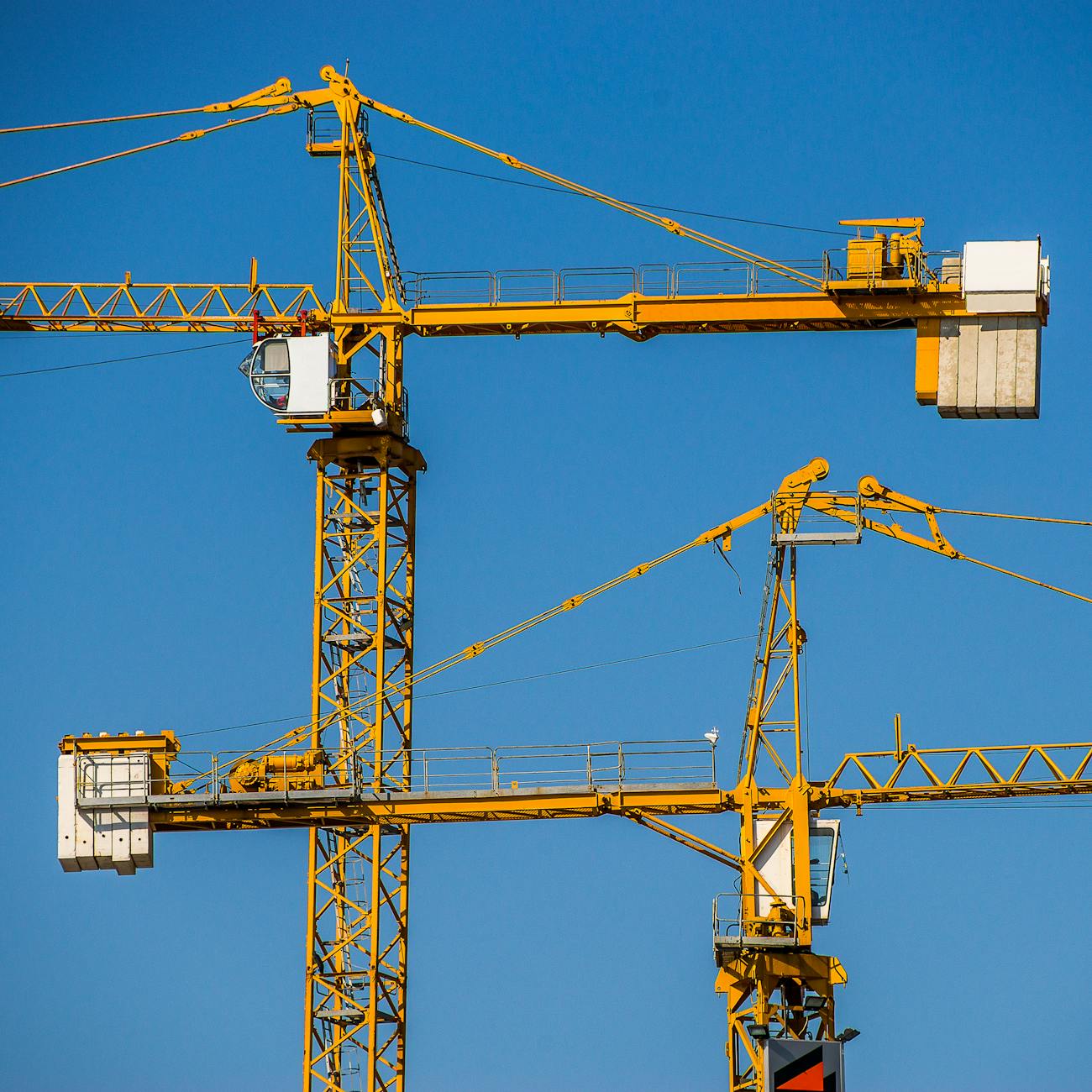
Construction contracts and procurement involve a complex set of processes, terms, and vocabulary that are essential for the successful delivery of construction projects. Understanding these terms and concepts is crucial for professionals working in the construction industry, including contractors, architects, engineers, and project managers. One of the key terms in construction contracts is privity of contract, which refers to the relationship between the parties to a contract. In construction contracts, privity of contract is important because it determines the rights and obligations of the parties involved.
Another important term is consideration, which is the benefit or value that one party receives from another party in exchange for a promise or performance. In construction contracts, consideration is essential because it forms the basis of the contractual agreement between the parties. For example, a contractor may agree to build a house for a client in exchange for a certain amount of money, which is the consideration for the contract.
Construction contracts also involve various types of procurement methods, including traditional, design-and-build, and management contracting. Each of these methods has its own advantages and disadvantages, and the choice of procurement method depends on the specific needs and requirements of the project. For instance, the traditional procurement method involves a separate contract between the client and the designer, and another contract between the client and the contractor. This method is often used for simple projects where the design is straightforward and the risks are low.
In contrast, the design-and-build procurement method involves a single contract between the client and the contractor, who is responsible for both the design and construction of the project. This method is often used for complex projects where the design is innovative and the risks are high. The management contracting procurement method involves a contract between the client and a management contractor, who is responsible for managing the construction process and coordinating the work of various subcontractors. This method is often used for large and complex projects where the client wants to maintain control over the construction process.
Construction contracts also involve various types of payment terms, including lump sum, measurement, and cost-plus contracts. A lump sum contract involves a fixed price for the entire project, which is often used for simple projects where the scope of work is well-defined. A measurement contract involves payment based on the quantity of work completed, which is often used for projects where the scope of work is uncertain. A cost-plus contract involves payment based on the actual cost of the work plus a fee, which is often used for complex projects where the scope of work is uncertain and the risks are high.
Another important term in construction contracts is variation, which refers to a change to the original scope of work. Variations can be caused by various factors, including changes in the design, unexpected site conditions, or changes in the client's requirements. Construction contracts often include provisions for variations, including the procedures for requesting and approving variations, and the methods for valuing and paying for variations. For example, a contract may include a provision that requires the contractor to notify the client of any variations within a certain timeframe, and to provide a detailed description of the variation and its impact on the project.
Construction contracts also involve various types of risks, including design risks, construction risks, and operational risks. Design risks refer to the risks associated with the design of the project, including the risk of errors or omissions in the design. Construction risks refer to the risks associated with the construction process, including the risk of accidents, delays, or cost overruns. Operational risks refer to the risks associated with the operation and maintenance of the project, including the risk of equipment failure or maintenance costs. Construction contracts often include provisions for allocating and managing risks, including the use of indemnity clauses and limitation of liability clauses.
Indemnity clauses require one party to compensate another party for losses or damages suffered as a result of a specific event or circumstance. For example, a contract may include an indemnity clause that requires the contractor to indemnify the client against any losses or damages resulting from the contractor's negligence or breach of contract. Limitation of liability clauses limit the amount of damages that one party can claim against another party in the event of a breach of contract. For example, a contract may include a limitation of liability clause that limits the client's liability for damages to a certain amount or percentage of the contract price.
Construction contracts also involve various types of dispute resolution mechanisms, including negotiation, mediation, arbitration, and litigation. Negotiation involves direct discussions between the parties to resolve a dispute, and is often the fastest and most cost-effective method of dispute resolution. Mediation involves the use of a neutral third party to facilitate discussions between the parties and help them reach a resolution. Arbitration involves the use of a neutral third party to make a binding decision on a dispute, and is often used for disputes that are too complex or technical to be resolved through negotiation or mediation. Litigation involves the use of the courts to resolve a dispute, and is often the most time-consuming and expensive method of dispute resolution.
In addition to these terms and concepts, construction contracts and procurement involve various types of documentation, including contracts, specifications, drawings, and schedules. Contracts are the primary document that outlines the terms and conditions of the agreement between the parties. Specifications are detailed descriptions of the materials, equipment, and workmanship required for the project. Drawings are graphical representations of the project, including plans, elevations, and sections. Schedules are timelines that outline the sequence and duration of the work, and are often used to coordinate the work of multiple contractors and subcontractors.
Construction contracts and procurement also involve various types of stakeholders, including clients, contractors, architects, engineers, and project managers. Each of these stakeholders has their own interests and objectives, and plays a critical role in the success of the project. Clients are the owners or sponsors of the project, and are responsible for defining the project requirements and budget. Contractors are the parties responsible for constructing the project, and are often specialized in specific trades or disciplines. Architects and engineers are the designers of the project, and are responsible for creating the plans and specifications. Project managers are the parties responsible for coordinating and managing the construction process, and are often employed by the client or contractor.
The procurement process for construction projects typically involves several stages, including planning, design, tendering, and contract award. The planning stage involves defining the project requirements and budget, and identifying the procurement method and contract strategy. The design stage involves creating the plans and specifications for the project, and is often undertaken by the architect or engineer. The tendering stage involves inviting contractors to submit bids for the project, and evaluating the bids to select the successful contractor. The contract award stage involves awarding the contract to the successful contractor, and negotiating the final terms and conditions of the contract.
Construction contracts and procurement also involve various types of payment mechanisms, including progress payments, final payments, and retention payments. Progress payments are payments made to the contractor at regular intervals during the construction process, and are often based on the percentage of work completed. Final payments are payments made to the contractor upon completion of the project, and are often subject to the satisfaction of certain conditions or defects. Retention payments are payments withheld from the contractor until the project is complete and any defects or deficiencies have been rectified.
The use of information technology in construction contracts and procurement is becoming increasingly common, and involves the use of digital tools and platforms to manage and coordinate the construction process. Examples of information technology used in construction include building information modeling (BIM), project management software, and collaboration platforms. BIM involves the use of digital models to create and manage the design and construction of the project, and can help to improve coordination and reduce errors. Project management software involves the use of digital tools to manage and coordinate the construction process, including scheduling, budgeting, and risk management. Collaboration platforms involve the use of digital tools to facilitate communication and coordination between stakeholders, including contractors, architects, engineers, and project managers.
Construction contracts and procurement also involve various types of regulatory requirements, including building codes, zoning regulations, and environmental regulations. Building codes are regulations that govern the design and construction of buildings, and are often enforced by local authorities. Zoning regulations are regulations that govern the use of land and the location of buildings, and are often enforced by local authorities. Environmental regulations are regulations that govern the impact of construction on the environment, including regulations related to noise, pollution, and waste management.
In addition to these terms and concepts, construction contracts and procurement involve various types of insurance and security mechanisms, including professional indemnity insurance, public liability insurance, and performance bonds. Professional indemnity insurance is insurance that protects professionals, such as architects and engineers, against claims for negligence or breach of contract. Public liability insurance is insurance that protects contractors and clients against claims for damage or injury to third parties. Performance bonds are bonds that guarantee the performance of the contractor, and are often required for large and complex projects.
The use of alternative dispute resolution mechanisms in construction contracts and procurement is becoming increasingly common, and involves the use of methods such as mediation, arbitration, and adjudication to resolve disputes. Mediation involves the use of a neutral third party to facilitate discussions between the parties and help them reach a resolution. Arbitration involves the use of a neutral third party to make a binding decision on a dispute. Adjudication involves the use of a neutral third party to make a binding decision on a dispute, and is often used for disputes related to payment and defects.
Construction contracts and procurement also involve various types of termination mechanisms, including termination for convenience, termination for default, and termination for force majeure. Termination for convenience involves the termination of the contract by one party, often the client, without cause or reason. Termination for default involves the termination of the contract by one party, often the client, due to the failure of the other party to perform their obligations. Termination for force majeure involves the termination of the contract due to unforeseen events or circumstances, such as natural disasters or wars.
The enforcement of construction contracts and procurement involves the use of various mechanisms, including litigation, arbitration, and adjudication. Litigation involves the use of the courts to enforce the contract, and is often the most time-consuming and expensive method of enforcement. Arbitration involves the use of a neutral third party to make a binding decision on a dispute, and is often used for disputes related to payment and defects. Adjudication involves the use of a neutral third party to make a binding decision on a dispute, and is often used for disputes related to payment and defects.
In addition to these terms and concepts, construction contracts and procurement involve various types of best practices, including project management, risk management, and quality management. Project management involves the use of techniques and tools to plan, coordinate, and control the construction process. Risk management involves the use of techniques and tools to identify, assess, and mitigate risks, including design risks, construction risks, and operational risks. Quality management involves the use of techniques and tools to ensure that the construction project meets the required standards and specifications, including the use of quality control measures and quality assurance procedures.
The use of international standards and guidelines in construction contracts and procurement is becoming increasingly common, and involves the use of standards and guidelines developed by international organizations, such as the International Organization for Standardization (ISO) and the World Bank. These standards and guidelines provide a framework for construction contracts and procurement, and can help to improve the efficiency and effectiveness of the construction process.
Construction contracts and procurement also involve various types of local regulations and requirements, including building codes, zoning regulations, and environmental regulations. Building codes are regulations that govern the design and construction of buildings, and are often enforced by local authorities. Zoning regulations are regulations that govern the use of land and the location of buildings, and are often enforced by local authorities. Environmental regulations are regulations that govern the impact of construction on the environment, including regulations related to noise, pollution, and waste management.
The management of construction contracts and procurement involves the use of various techniques and tools, including project management, risk management, and quality management. Project management involves the use of techniques and tools to plan, coordinate, and control the construction process. Risk management involves the use of techniques and tools to identify, assess, and mitigate risks, including design risks, construction risks, and operational risks. Quality management involves the use of techniques and tools to ensure that the construction project meets the required standards and specifications, including the use of quality control measures and quality assurance procedures.
In addition to these terms and concepts, construction contracts and procurement involve various types of training and development programs, including programs for contractors, architects, engineers, and project managers. These programs can help to improve the skills and knowledge of professionals working in the construction industry, and can help to improve the efficiency and effectiveness of the construction process.
The use of technology in construction contracts and procurement is becoming increasingly common, and involves the use of digital tools and platforms to manage and coordinate the construction process. Examples of technology used in construction include building information modeling (BIM), project management software, and collaboration platforms. BIM involves the use of digital models to create and manage the design and construction of the project, and can help to improve coordination and reduce errors. Project management software involves the use of digital tools to manage and coordinate the construction process, including scheduling, budgeting, and risk management. Collaboration platforms involve the use of digital tools to facilitate communication and coordination between stakeholders, including contractors, architects, engineers, and project managers.
Construction contracts and procurement also involve various types of sustainability considerations, including environmental sustainability, social sustainability, and economic sustainability. Environmental sustainability involves the use of techniques and materials to minimize the impact of construction on the environment, including the use of energy-efficient materials and waste reduction measures. Social sustainability involves the use of techniques and materials to improve the social impact of construction, including the use of local labor and materials. Economic sustainability involves the use of techniques and materials to improve the economic impact of construction, including the use of cost-effective materials and construction methods.
The future of construction contracts and procurement is likely to involve the use of new and innovative technologies, including digital platforms, artificial intelligence, and blockchain. Digital platforms involve the use of online platforms to manage and coordinate the construction process, including the use of project management software and collaboration platforms. Artificial intelligence involves the use of machine learning algorithms to analyze data and make predictions, including the use of predictive analytics to identify potential risks and opportunities. Blockchain involves the use of distributed ledger technology to create a secure and transparent record of transactions, including the use of smart contracts to automate the payment process.
In addition to these terms and concepts, construction contracts and procurement involve various types of challenges and opportunities, including the challenge of managing complex projects, the opportunity of using new technologies, and the challenge of ensuring sustainability. The challenge of managing complex projects involves the use of techniques and tools to plan, coordinate, and control the construction process, including the use of project management software and collaboration platforms. The opportunity of using new technologies involves the use of digital tools and platforms to improve the efficiency and effectiveness of the construction process, including the use of building information modeling (BIM) and artificial intelligence. The challenge of ensuring sustainability involves the use of techniques and materials to minimize the impact of construction on the environment, including the use of energy-efficient materials and waste reduction measures.
The use of global standards and guidelines in construction contracts and procurement is becoming increasingly common, and involves the use of standards and guidelines developed by international organizations, such as the International Organization for Standardization (ISO) and the World Bank. These standards and guidelines provide a framework for construction contracts and procurement, and can help to improve the efficiency and effectiveness of the construction process.
Construction contracts and procurement also involve various types of local content requirements, including the use of local labor, materials, and services. Local content requirements involve the use of local resources and materials to support the local economy, and can help to improve the social and economic impact of construction. The use of local labor involves the employment of local workers, including skilled and unskilled labor. The use of local materials involves the use of materials sourced from local suppliers, including materials such as cement, steel, and timber. The use of local services involves the use of services provided by local companies, including services such as transportation, accommodation, and catering.
The implementation of construction contracts and procurement involves the use of various techniques and tools, including project management, risk management, and quality management. Project management involves the use of techniques and tools to plan, coordinate, and control the construction process. Risk management involves the use of techniques and tools to identify, assess, and mitigate risks, including design risks, construction risks, and operational risks. Quality management involves the use of techniques and tools to ensure that the construction project meets the required standards and specifications, including the use of quality control measures and quality assurance procedures.
In addition to these terms and concepts, construction contracts and procurement involve various types of monitoring and evaluation mechanisms, including the use of key performance indicators (KPIs) and benchmarking. KPIs involve the use of metrics to measure the performance of the construction project, including metrics such as time, cost, and quality. Benchmarking involves the use of comparative analysis to evaluate the performance of the construction project, including the use of industry benchmarks and best practices.
The use of dispute resolution mechanisms in construction contracts and procurement is becoming increasingly common, and involves the use of methods such as mediation, arbitration, and adjudication to resolve disputes. Mediation involves the use of a neutral third party to facilitate discussions between the parties and help them reach a resolution. Arbitration involves the use of a neutral third party to make a binding decision on a dispute. Adjudication involves the use of a neutral third party to make a binding decision on a dispute, and is often used for disputes related to payment and defects.
Construction contracts and procurement also involve various types of training and development programs, including programs for contractors, architects, engineers, and project managers. These programs can help to improve the skills and knowledge of professionals working in the construction industry, and can help to improve the efficiency and effectiveness of the construction process.
The application of construction contracts and procurement involves the use of various techniques and tools, including project management, risk management, and quality management. Project management involves the use of techniques and tools to plan, coordinate, and control the construction process. Risk management involves the use of techniques and tools to identify, assess, and mitigate risks, including design risks, construction risks, and operational risks. Quality management involves the use of techniques and tools to ensure that the construction project meets the required standards and specifications, including the use of quality control measures and quality assurance procedures.
In addition to these terms and concepts, construction contracts and procurement involve various types of best practices, including the use of project management software, collaboration platforms, and building information modeling (BIM). Project management software involves the use of digital tools to manage and coordinate the construction process, including scheduling, budgeting, and risk management. Collaboration platforms involve the use of digital tools to facilitate communication and coordination between stakeholders, including contractors, architects, engineers, and project managers. BIM involves the use of digital models to create and manage the design and construction of the project, and can help to improve coordination and reduce errors.
Key takeaways
- Understanding these terms and concepts is crucial for professionals working in the construction industry, including contractors, architects, engineers, and project managers.
- Another important term is consideration, which is the benefit or value that one party receives from another party in exchange for a promise or performance.
- For instance, the traditional procurement method involves a separate contract between the client and the designer, and another contract between the client and the contractor.
- The management contracting procurement method involves a contract between the client and a management contractor, who is responsible for managing the construction process and coordinating the work of various subcontractors.
- A cost-plus contract involves payment based on the actual cost of the work plus a fee, which is often used for complex projects where the scope of work is uncertain and the risks are high.
- For example, a contract may include a provision that requires the contractor to notify the client of any variations within a certain timeframe, and to provide a detailed description of the variation and its impact on the project.
- Construction contracts often include provisions for allocating and managing risks, including the use of indemnity clauses and limitation of liability clauses.