
Communication and Conflict Resolution in Farm Succession
Succession planning in the context of agriculture refers to the deliberate process by which a farm‑owner prepares for the transfer of ownership, management, and operational responsibilities to the next generation or to an alternative succes…
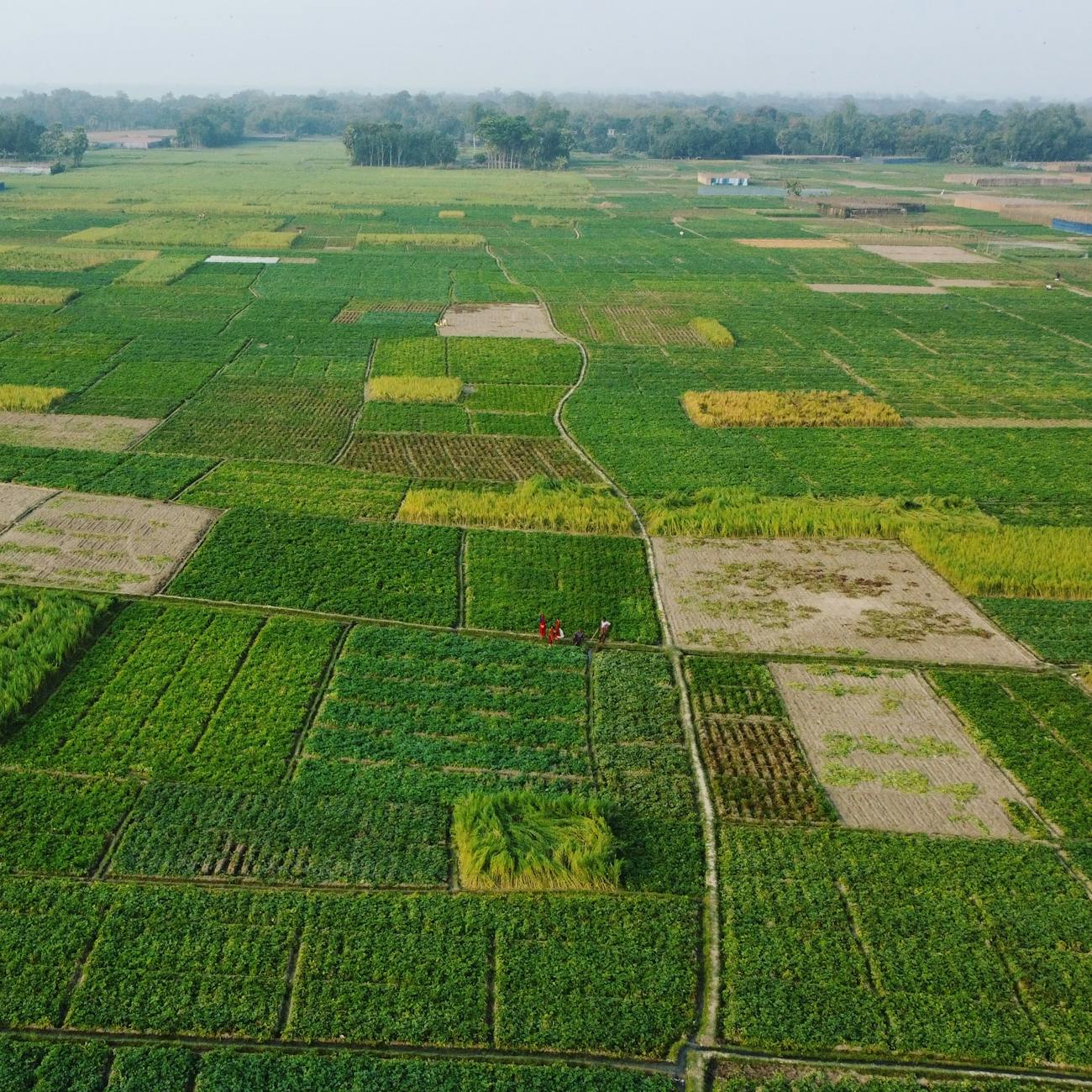
Succession planning in the context of agriculture refers to the deliberate process by which a farm‑owner prepares for the transfer of ownership, management, and operational responsibilities to the next generation or to an alternative successor. This term encapsulates a series of strategic decisions, legal arrangements, and relational dynamics that together determine the long‑term viability of the farm enterprise. In practice, succession planning is not a single event but a continuum that begins many years before the actual transfer of assets. It involves the articulation of goals, the identification of potential successors, the development of requisite skills, and the establishment of governance structures that can accommodate both family and business imperatives.
Stakeholder analysis is a foundational tool used to map out all individuals and groups who have a vested interest in the farm’s future. Typical stakeholders in a UK farm succession scenario include the incumbent farmer, children or other relatives, non‑family managers, employees, lenders, suppliers, customers, and local community organisations. Conducting a stakeholder analysis involves identifying each party’s interests, influence, and level of involvement. For example, a senior sibling who wishes to remain on the farm may have high emotional investment but limited decision‑making authority, whereas an external agribusiness consultant may possess specialised knowledge but lower emotional attachment. Understanding these nuances enables the design of communication strategies that address both relational and transactional concerns.
Active listening is a communication technique that requires the listener to give full attention to the speaker, reflect back the content, and confirm understanding before responding. In a family farm setting, active listening can de‑escalate tensions that arise when multiple heirs express divergent visions for the farm’s direction. A practical application might involve a family meeting where the father articulates his desire to maintain traditional livestock practices, while his daughter expresses interest in diversification into renewable energy. By paraphrasing each viewpoint—“So you are saying that preserving the herd is important to you, and you also see value in exploring solar installations”—the facilitator demonstrates respect for each perspective, laying the groundwork for collaborative problem‑solving.
Emotional intelligence (EI) refers to the capacity to recognise, understand, and manage one’s own emotions, as well as to empathise with the emotions of others. High EI is particularly valuable in farm succession because the process often triggers strong feelings of identity, loyalty, loss, and hope. A farmer with well‑developed EI might notice that a son’s silence during a discussion signals anxiety about taking over the farm’s debt obligations. By acknowledging the emotion—“I sense that the financial responsibilities are weighing on you”—the farmer can open a dialogue that addresses the underlying concern rather than allowing it to manifest as passive resistance.
Conflict styles describe the typical ways individuals respond to disagreement. The classic taxonomy includes competing, collaborating, compromising, avoiding, and accommodating. In a multigenerational farm context, older members may gravitate toward the competing style, asserting authority based on experience, while younger members may prefer collaborating, seeking joint solutions that integrate innovation with tradition. Recognising each party’s default style helps a mediator to tailor interventions. For instance, when a brother adopts an avoiding stance to sidestep a contentious land‑use discussion, a facilitator might gently encourage him to articulate his concerns, thereby preventing the issue from festering.
Interest‑based negotiation shifts the focus from positions (what each party says they want) to underlying interests (why they want it). This approach is essential when heirs argue over the division of farm assets. A position might be “I want a 50 % share of the arable land,” whereas the interest could be “I need sufficient acreage to sustain my cropping operation and secure a livelihood.” By uncovering the deeper need, parties can explore alternative solutions such as leasing arrangements, profit‑sharing agreements, or joint ventures that satisfy both parties’ objectives without resorting to a rigid split.
Family governance structures establish the rules, processes, and decision‑making mechanisms that guide family interactions around the farm. Common elements include a family council, a farm board, and a written family constitution. The family council provides a forum for regular communication, while the farm board, often comprising external advisors, offers strategic oversight. A family constitution may codify values, succession timelines, and conflict‑resolution protocols. Implementing a clear governance framework reduces ambiguity and creates a predictable environment in which disputes can be addressed systematically.
Communication channels denote the formal and informal pathways through which information travels. In farm succession, formal channels might consist of scheduled family meetings, written reports, and legal documents, whereas informal channels include casual conversations over meals, phone calls, and social media interactions. Selecting appropriate channels for different types of messages is crucial. Sensitive financial information, for instance, should be conveyed through formal written communication to ensure clarity and auditability, while emotional updates about health or personal aspirations may be better suited to informal, face‑to‑face exchanges.
Information asymmetry occurs when one party possesses more or better information than another, creating an imbalance that can breed mistrust. In the UK agricultural sector, farm owners often have detailed knowledge of soil health, historic yields, and contractual obligations that heirs may lack. To mitigate information asymmetry, owners can adopt transparent disclosure practices, such as sharing comprehensive farm accounts, agronomic assessments, and risk analyses. Providing heirs with access to the same data enables them to make informed decisions and reduces the perception that decisions are being made unilaterally.
Intergenerational dialogue is a structured conversation that encourages multiple generations to share perspectives, values, and aspirations. A typical intergenerational dialogue might involve three phases: listening, reflecting, and planning. In the listening phase, senior members recount the farm’s heritage and lessons learned; in the reflecting phase, younger members articulate how contemporary challenges—such as climate change or market volatility—shape their vision; in the planning phase, the group co‑creates a roadmap that integrates legacy and innovation. This process not only surfaces hidden concerns but also builds mutual respect and a shared sense of purpose.
Role clarity ensures that each participant understands their responsibilities, authority, and expectations within the succession process. Ambiguity about who is responsible for day‑to‑day operations versus strategic planning often leads to conflict. For example, a daughter may assume she will manage herd health while her brother believes he will handle financial planning. Clarifying roles through a written role‑description matrix—detailing tasks, reporting lines, and performance criteria—prevents overlap and fosters accountability.
Decision‑making hierarchy defines the levels at which decisions are made and who has the authority to approve them. In a farm succession context, routine operational decisions (e.g., fertiliser applications) may be delegated to farm managers, whereas strategic decisions (e.g., diversification into agritourism) may require consensus among family members or approval by a governing board. Establishing a clear hierarchy reduces bottlenecks and ensures that decisions are made by the appropriate expertise level, thereby limiting disputes over procedural authority.
Cultural competence refers to the ability to understand, respect, and effectively interact with people from diverse cultural backgrounds. Even within a UK farm family, cultural differences can arise from varied educational experiences, regional identities, or exposure to global markets. A culturally competent approach acknowledges these differences and adapts communication styles accordingly. For instance, a family member who studied abroad may prefer data‑driven discussions, whereas another who grew up on the farm may value storytelling and oral tradition. Tailoring messages to each style enhances comprehension and reduces misinterpretation.
Trust building is an ongoing process that involves consistency, reliability, and openness. Trust is the bedrock upon which successful conflict resolution rests. Practical trust‑building activities include joint farm walks, collaborative problem‑solving workshops, and the sharing of personal narratives about motivations for staying in agriculture. When a farmer consistently follows through on commitments—such as delivering promised training sessions—family members develop confidence in the process and are more willing to engage in open dialogue.
Power dynamics describe the distribution of influence among participants. In farm succession, power often resides with the incumbent owner, who controls both the land and the capital. However, power can shift as heirs acquire expertise, financial resources, or external support. Recognising shifting power dynamics is essential for equitable communication. A facilitator might balance the conversation by giving equal speaking time to each participant, thereby preventing the dominant voice from monopolising the discussion.
Boundary management involves establishing clear limits between personal and business relationships. In a family farm, the overlap of roles can blur lines—for example, a sibling who is also a farm worker may feel uncomfortable raising performance concerns. Implementing policies that separate personal grievances from professional feedback—such as scheduled performance reviews—helps maintain professionalism while preserving family harmony.
Conflict triggers are events or circumstances that ignite disagreement. Common triggers in farm succession include perceived inequities in asset distribution, disagreements over farm direction, and uncertainty about debt responsibility. Identifying triggers early allows for proactive mitigation. If a trigger is identified as “lack of clarity on succession timeline,” the family can address it by drafting a detailed succession schedule that outlines key milestones, thereby reducing speculation and anxiety.
Resolution strategies encompass the methods used to address and settle disputes. These range from informal negotiation and mediation to formal arbitration and litigation. In most farm succession scenarios, parties prefer collaborative strategies that preserve relationships. Mediation, for instance, brings in a neutral third‑party facilitator who assists the family in exploring options without imposing a binding decision. If mediation fails, arbitration may be invoked, where an arbitrator issues a decision that is legally enforceable but typically less adversarial than court proceedings.
Third‑party arbitrator is an independent expert appointed to resolve conflicts when internal mechanisms have been exhausted. The arbitrator’s role is to review evidence, hear arguments, and render a decision based on the applicable law and the parties’ agreements. In the UK agricultural context, arbitrators often possess both legal expertise and a background in agribusiness, enabling them to appreciate the technical nuances of farm operations while maintaining impartiality. Engaging an arbitrator can expedite dispute resolution and minimise the emotional toll of protracted litigation.
Family constitution is a written document that codifies the family’s values, vision, succession principles, and conflict‑resolution procedures. It serves as a reference point that guides behaviour and decision‑making across generations. A well‑crafted constitution may include clauses on asset allocation, governance structures, communication protocols, and mechanisms for revisiting the document as circumstances evolve. By formalising expectations, the constitution reduces ambiguity and provides a legal framework that can be enforced if necessary.
Negotiation tactics are the specific approaches used to influence outcomes during discussions. Common tactics include anchoring (setting an initial reference point), framing (presenting information in a particular light), and building rapport (establishing a personal connection). In farm succession, an heir might anchor the conversation by proposing a 30 % share of net farm income, thereby establishing a baseline for subsequent bargaining. Skilled negotiators also employ “principled negotiation,” which emphasises objective criteria—such as market valuations or industry benchmarks—to justify proposals, thereby reducing perceptions of bias.
Conflict resolution framework outlines the stages through which disputes progress, from identification to closure. A typical framework includes: (1) early detection, (2) clarification of issues, (3) exploration of interests, (4) generation of options, (5) agreement on solutions, and (6) implementation and monitoring. Applying this framework to a disagreement over the sale of a peripheral parcel of land ensures that each step is systematically addressed, preventing premature decisions that could later be contested.
Facilitation skills enable a neutral party to guide group discussions, ensure balanced participation, and keep the conversation focused on objectives. Effective facilitators use techniques such as agenda setting, time‑boxing, and summarising key points. In a farm succession workshop, a facilitator might begin by outlining the agenda—review of financial statements, discussion of succession timelines, and brainstorming of diversification ideas—then allocate specific time slots to each item to maintain momentum and avoid digressions.
Communication audit is a systematic review of how information flows within the family and the farm business. The audit assesses the effectiveness of existing channels, identifies gaps, and recommends improvements. For example, an audit may reveal that critical updates about regulatory changes are communicated verbally, leading to inconsistent understanding among heirs. The audit’s recommendation could be to adopt a shared digital platform where all regulatory notices are posted, ensuring uniform access and reducing the risk of miscommunication.
Feedback loops are mechanisms that allow information to circulate back to the originator, facilitating continuous improvement. In farm succession, feedback loops might involve post‑meeting surveys where participants rate the clarity of discussions, or regular check‑ins where the successor reports progress on agreed‑upon goals. By institutionalising feedback, the family creates a culture of learning and adaptation, which is essential for navigating the dynamic agricultural environment.
Conflict mapping visualises the relationships, interests, and power structures that contribute to a dispute. A conflict map may depict nodes representing family members, external advisors, and financial institutions, with lines indicating alliances, antagonisms, or dependencies. Creating a conflict map helps participants see the broader context, identify hidden alliances, and understand how a single issue—such as the allocation of grazing rights—may be linked to multiple underlying concerns, including legacy, income stability, and personal identity.
Negotiated settlement is an agreement reached voluntarily by the parties, often documented in a legally binding contract. In farm succession, a negotiated settlement might involve a buy‑out clause where one heir purchases the share of another, funded through a combination of farm profits and external financing. The settlement should detail payment schedules, interest rates, and covenants that protect the farm’s operational integrity, thereby providing certainty for both parties.
Alternative dispute resolution (ADR) encompasses methods such as mediation, arbitration, and collaborative law that aim to resolve conflicts outside of court. ADR is particularly valuable in farm succession because it preserves relationships, reduces legal costs, and allows for flexible, tailored solutions. For instance, a collaborative law approach brings together lawyers, accountants, and mediators who work jointly with the family to craft a settlement that respects both the emotional and financial dimensions of the dispute.
Legal instruments are formal documents that codify rights, obligations, and processes. In the context of farm succession, key legal instruments include wills, trusts, tenancy agreements, and shareholder agreements. A trust can be used to hold farm assets, providing tax efficiencies and continuity, while a tenancy agreement may outline the terms under which a successor can occupy and operate the farm without immediate transfer of ownership. Understanding the interplay of these instruments is essential for creating a robust succession plan that withstands legal scrutiny.
Tax considerations are a critical component of succession planning, as inheritance tax, capital gains tax, and income tax can significantly affect the feasibility of asset transfer. Effective communication about tax implications ensures that heirs are aware of potential liabilities and can plan accordingly. For example, the use of agricultural relief—available for qualifying farm property—can reduce inheritance tax exposure, but only if the relief criteria are met and documented properly. Discussing these details early prevents unexpected financial burdens that could derail the succession.
Risk assessment evaluates the potential threats to the farm’s continuity during and after the succession process. Risks may include market volatility, climate change impacts, regulatory shifts, and interpersonal conflict. Conducting a risk assessment involves identifying hazards, estimating likelihood, and estimating impact. The results inform mitigation strategies, such as diversifying income streams, investing in climate‑resilient infrastructure, or establishing conflict‑resolution protocols. Communicating the findings of a risk assessment to all stakeholders fosters a shared understanding of the challenges ahead.
Strategic communication aligns messaging with the long‑term objectives of the succession plan. It involves crafting narratives that convey the farm’s vision, values, and goals in a coherent manner. For example, a strategic communication campaign might highlight the farm’s commitment to sustainable practices as a core value that will guide future investment decisions. By consistently reinforcing this narrative across meetings, newsletters, and digital platforms, the family builds a unified identity that supports collective action.
Change management addresses the human dimensions of transitioning to new ownership or operational models. It recognises that change can provoke resistance, anxiety, and uncertainty. Effective change management incorporates communication plans, training programmes, and support mechanisms. In a farm succession scenario, change management may involve organising workshops on new technologies for the incoming generation, while simultaneously providing counseling services for senior members coping with the emotional aspects of relinquishing control.
Stakeholder engagement is the proactive process of involving relevant parties in decision‑making, ensuring that their views are heard and integrated where appropriate. Engagement can be formal—through advisory committees—or informal—through regular family gatherings. Successful stakeholder engagement requires transparency, responsiveness, and the demonstration that input has tangible impact. For instance, incorporating a son’s suggestion to adopt precision farming tools into the farm’s strategic plan signals that his expertise is valued, thereby strengthening his commitment to the succession outcome.
Communication plan outlines the who, what, when, where, and how of information dissemination. A comprehensive plan for farm succession might schedule quarterly family council meetings, monthly newsletters to external advisors, and ad‑hoc briefings to lenders when major financial decisions arise. The plan also specifies the preferred media—such as printed reports for older members and digital dashboards for tech‑savvy heirs—ensuring that each audience receives information in a format that maximises comprehension.
Negotiation preparation involves gathering data, defining objectives, and anticipating counter‑arguments before entering discussions. Preparation equips participants with factual evidence—such as farm valuation reports, market forecasts, and cash‑flow analyses—that can substantiate their positions. For example, an heir seeking a larger share of the farm’s cash‑flow might prepare a detailed projection showing how their proposed diversification into niche crops could increase overall profitability, thereby strengthening their bargaining position.
Conflict resolution policy is a documented set of procedures that dictate how disputes are identified, escalated, and resolved. The policy may stipulate stages such as informal discussion, mediated negotiation, and, if necessary, arbitration. Embedding the policy within the family constitution or governance charter ensures that all members are aware of the agreed pathway and reduces the likelihood of ad‑hoc, emotionally driven reactions. The policy should also define timelines for each stage, promoting timely resolution.
Power mapping visualises the distribution of authority, influence, and resources among stakeholders. By creating a power map, families can recognise where decision‑making authority resides and identify potential power imbalances. For instance, a power map may reveal that an external investor holds significant financial leverage, which could affect succession decisions. Acknowledging this influence enables the family to address concerns proactively, perhaps by negotiating protective clauses in financing agreements.
Facilitated dialogue is a structured conversation led by a neutral facilitator who ensures that each participant has an equal opportunity to speak and that the discussion remains goal‑oriented. Facilitated dialogue is especially useful when emotions run high, as the facilitator can intervene to reframe heated statements into constructive expressions of interest. For example, a heated exchange about the future of dairy operations can be reframed as “What outcomes are each of us hoping to achieve with the dairy segment?” thereby moving the conversation from blame to solution‑seeking.
Conflict resolution skills encompass a range of competencies, including active listening, empathy, problem‑solving, and negotiation. Developing these skills can be achieved through training workshops, role‑playing exercises, and mentorship programmes. A farm may organise a conflict‑resolution training day where participants practice de‑escalation techniques using realistic scenarios—such as a dispute over the allocation of grazing land—thereby building confidence in handling real‑world disagreements.
Succession timeline delineates the chronological milestones leading to the transfer of ownership and management. It typically includes phases such as early planning, skill development, gradual responsibility transfer, and final legal conveyance. Communicating the timeline to all stakeholders prevents speculation and aligns expectations. For example, a timeline that specifies a three‑year gradual handover, with the successor assuming full operational control in the final year, provides clarity and allows for appropriate training and mentorship.
Governance charter is a formal document that outlines the structure, roles, responsibilities, and decision‑making processes of the family’s governance bodies. The charter may define the composition of the family council, the frequency of meetings, voting procedures, and conflict‑resolution mechanisms. By codifying these elements, the charter promotes consistency, reduces ambiguity, and provides a reference point when disputes arise.
Leadership development focuses on cultivating the skills, attitudes, and behaviours required for effective farm management. In succession planning, leadership development programmes may include mentorship from the incumbent farmer, formal education in agribusiness, and experiential learning through delegated responsibilities. Communicating the progress of leadership development to the broader family reinforces confidence in the successor’s readiness and helps mitigate concerns about competency gaps.
Stakeholder communication matrix is a tool that matches each stakeholder group with the appropriate communication method, frequency, and responsible party. For example, the matrix may assign quarterly financial updates to lenders, monthly operational briefings to farm staff, and annual vision workshops to the extended family. By systematically aligning communication efforts with stakeholder needs, the matrix ensures that critical information reaches the right audience at the right time, reducing the risk of misinformation.
Conflict de‑escalation techniques are specific actions used to calm heightened emotions and prevent disputes from spiralling. Techniques include taking a break, employing neutral language, and focusing on shared goals. In a farm succession meeting where a disagreement over livestock numbers becomes heated, a facilitator might suggest a short pause, allowing participants to regroup and reflect, before reconvening with a focus on the common objective of farm profitability.
Negotiation etiquette refers to the behavioural norms that promote respect and professionalism during discussions. Etiquette includes punctuality, active listening, avoiding interruptions, and acknowledging the other party’s contributions. Adhering to etiquette fosters a collaborative atmosphere and reduces the likelihood of personal attacks that can damage relationships. For instance, summarising an opponent’s point before presenting a counter‑argument demonstrates respect and encourages constructive dialogue.
Communication barriers are obstacles that impede the effective exchange of information. Common barriers in farm succession include jargon, generational language gaps, emotional defensiveness, and physical distance (e.g., heirs living off‑farm). Overcoming these barriers may involve simplifying technical language, using visual aids, establishing ground rules for emotional expression, and leveraging technology such as video conferencing to bridge geographic gaps.
Conflict resolution framework (re‑emphasised) can be adapted to different dispute types. For factual disputes—such as disagreements over financial figures—the framework may rely heavily on data verification and expert testimony. For value‑based disputes—such as differing visions for farm sustainability—the framework may prioritise facilitated dialogue and values clarification. Tailoring the framework to the nature of the conflict enhances its effectiveness.
Negotiation leverage is the power a party holds to influence the outcome based on resources, alternatives, or information. In farm succession, leverage may stem from control of critical assets (e.g., the only tractor), access to financing, or expertise in a niche market. Understanding one’s leverage and that of the other parties enables more strategic positioning. For example, a successor who has secured a partnership with a renewable‑energy firm may leverage that relationship to negotiate a larger share of farm land for solar development.
Conflict resolution training can be delivered through a blend of classroom instruction, case studies, and on‑the‑job coaching. Training programmes may cover topics such as emotional regulation, negotiation tactics, and legal aspects of dispute resolution. Incorporating real farm scenarios—such as a disagreement over the allocation of a wetland area—makes the training relevant and immediately applicable.
Family business literature provides a rich source of theories and models that can inform communication and conflict‑resolution practices. Key works include the “Three‑Circle Model” (family, ownership, and business), which helps map the overlapping roles and interests of each family member. By applying this model, participants can visualise where conflicts are likely to arise—often at the intersection of family expectations and business realities—and develop targeted interventions.
Succession communication strategy integrates all the elements discussed—stakeholder analysis, governance structures, conflict‑resolution policies, and communication channels—into a cohesive plan. The strategy should be documented, regularly reviewed, and updated as circumstances evolve. Effective implementation of the strategy ensures that the succession process proceeds smoothly, with minimal disruption to farm operations and family relationships.
Conflict resolution documentation is essential for creating an audit trail of decisions, agreements, and actions taken. Documentation may include meeting minutes, signed agreements, mediation reports, and arbitration awards. Maintaining comprehensive records protects the farm from future disputes, provides clarity for new generations, and satisfies legal and regulatory requirements. For example, a written mediation agreement that outlines the terms of a land‑use compromise can be referenced in future planning discussions, preventing re‑litigation of the same issue.
Communication style assessment helps individuals understand their preferred ways of conveying and receiving information. Instruments such as the Myers‑Briggs Type Indicator or DISC profiles can reveal whether a family member tends toward direct, analytical communication or prefers a more relational, supportive approach. Sharing assessment results within the family encourages empathy and allows members to adapt their communication to better suit each other’s preferences.
Conflict resolution protocol establishes a step‑by‑step procedure for handling disputes as they arise. A typical protocol might include: (1) immediate informal discussion, (2) escalation to a family council if unresolved, (3) engagement of a professional mediator, and (4), if necessary, arbitration. The protocol should also define roles—such as who initiates each step—and timeframes to ensure timely resolution.
Negotiation preparation checklist is a practical tool that lists essential items to gather before entering discussions. Items may include: (a) current farm financial statements, (b) market valuations, (c) legal documents (wills, trusts), (d) stakeholder interest statements, (e) risk assessment reports, and (f) negotiation objectives. Using a checklist reduces the likelihood of overlooking critical information that could weaken bargaining power.
Conflict resolution culture is the set of shared attitudes, behaviours, and expectations that shape how a family deals with disagreement. Cultivating a positive conflict‑resolution culture involves normalising open dialogue, rewarding collaborative problem‑solving, and treating conflict as an opportunity for growth rather than a threat. Over time, this culture becomes embedded in the farm’s identity and contributes to smoother succession transitions.
Leadership succession communication must address both the practical handover of responsibilities and the emotional aspects of relinquishing authority. Communicating the succession plan in a transparent, phased manner—starting with a public announcement, followed by private briefings with each stakeholder group—helps manage expectations and reduces uncertainty. Providing a clear roadmap of responsibilities, timelines, and support mechanisms reassures all parties that the transition will be orderly and sustainable.
Conflict resolution case study can illustrate the application of the concepts discussed. Consider a farm where two siblings disagree over whether to sell a marginal parcel of land. The father, acting as mediator, conducts a facilitated dialogue, uses active listening to uncover each sibling’s underlying interests (one seeks cash for debt repayment, the other wishes to preserve the land for heritage reasons), and introduces a compromise—selling the parcel with a portion of the proceeds reinvested in a joint venture that honours the heritage goal. The resolution is documented in a written agreement, and the family constitution is updated to include a clause on future land‑sale decisions. This case demonstrates how communication, negotiation, and conflict‑resolution tools converge to produce a mutually acceptable outcome.
Negotiation outcome evaluation involves assessing whether the agreement achieved the desired objectives, complied with legal requirements, and preserved relationships. Evaluation criteria may include financial impact, alignment with strategic goals, satisfaction levels of each party, and the durability of the solution. Conducting a post‑negotiation review allows the family to identify lessons learned, refine future negotiation tactics, and adjust the succession plan as needed.
Conflict resolution feedback mechanism provides a structured way for participants to express their views on the process and its outcomes. Feedback can be collected through anonymous surveys, debrief sessions, or reflective journals. Analysing feedback helps identify strengths—such as effective facilitation—and areas for improvement—such as the need for clearer timelines. Incorporating feedback into subsequent conflict‑resolution cycles fosters continuous improvement.
Communication risk register is a tool that lists potential communication‑related risks, assesses their likelihood and impact, and defines mitigation actions. Risks might include misinterpretation of financial data, accidental disclosure of confidential information, or failure to reach a key stakeholder. By maintaining a risk register, the family can proactively address communication vulnerabilities, assign responsibility for monitoring, and implement contingency plans.
Negotiation ethics underscores the importance of honesty, fairness, and respect for the other party’s legitimate interests. Ethical negotiation builds trust and reduces the likelihood of future disputes. In farm succession, adhering to ethical standards means disclosing all relevant financial information, avoiding manipulative tactics, and honouring previously agreed‑upon principles such as the family’s commitment to sustainability.
Conflict resolution workshop can be designed to bring together all relevant parties for intensive, hands‑on learning. A typical workshop agenda may include: (1) introduction to conflict‑resolution theory, (2) role‑play exercises based on realistic farm scenarios, (3) facilitated group discussion of emerging issues, (4) development of a customised conflict‑resolution policy, and (5) action‑planning for implementation. Workshops provide a safe environment for practising skills and for aligning expectations.
Communication audit findings often reveal gaps that can be addressed through targeted interventions. For instance, an audit may uncover that younger heirs feel excluded from strategic discussions because meetings are scheduled at times that conflict with their external commitments. The recommended remedy could be to adopt a rotating meeting schedule or to provide detailed meeting minutes in advance, allowing them to prepare and contribute meaningfully.
Conflict resolution authority designates who has the power to enforce agreements, approve settlements, or escalate disputes. This authority may reside with the family council, an external arbitrator, or a designated senior family member. Clearly defining the authority prevents power struggles and ensures that once a resolution is reached, it can be implemented without further contestation.
Negotiation support team consists of professionals who assist parties throughout the negotiation process. The team may include a legal advisor, an agribusiness consultant, a financial analyst, and a mediator. Each member brings specialised expertise that strengthens the party’s position and facilitates informed decision‑making. For example, a financial analyst can provide cash‑flow projections that underpin a successor’s request for a larger equity stake.
Conflict resolution best practices synthesize the most effective approaches based on research and experience. Key best practices include: (1) early identification of potential disputes, (2) transparent communication of expectations, (3) use of neutral third parties when needed, (4) documentation of all agreements, (5) regular review of governance structures, and (6) continuous development of communication and negotiation skills. Embedding these practices into the farm’s operational culture enhances resilience and prepares the family for future transitions.
Negotiation preparation timeline maps out the chronological steps leading up to a negotiation session. The timeline may start six months before the meeting with the collection of financial data, followed by three months of stakeholder consultations, one month of draft agreement development, and two weeks of rehearsal and role‑play. Adhering to a preparation timeline ensures that all necessary inputs are gathered, that parties have time to reflect on their interests, and that the negotiation proceeds efficiently.
Conflict resolution cost‑benefit analysis evaluates the financial implications of different resolution approaches. For example, mediation may cost a few thousand pounds but could save tens of thousands in legal fees and preserve the family relationship, whereas litigation could be substantially more expensive and damage the farm’s reputation. Conducting a cost‑benefit analysis helps families choose the most appropriate and economical resolution pathway.
Communication protocol for emergencies outlines how urgent information—such as a disease outbreak or a severe weather event—should be disseminated to all relevant parties. The protocol specifies the primary contact, preferred communication medium (e.g., SMS, phone call), and the sequence of notifications. Having a clear emergency communication protocol ensures swift response, protects farm assets, and reduces the potential for panic‑induced conflict.
Negotiation scenario planning involves creating multiple possible futures and preparing responses for each. Scenario planning helps parties anticipate how external factors—such as policy changes, market shifts, or climate events—might affect the succession outcome. By rehearsing different scenarios, the family can develop flexible strategies that accommodate uncertainty and maintain alignment with long‑term goals.
Conflict resolution monitoring tracks the implementation of agreements and the effectiveness of the resolution over time. Monitoring may include periodic check‑ins, performance metrics, and compliance audits. For instance, after a land‑sale agreement is reached, the family might monitor the use of proceeds, ensuring that the agreed‑upon reinvestment into farm infrastructure occurs as scheduled. Monitoring reinforces accountability and provides early warning of any emerging issues.
Communication transparency is the principle of openness in sharing information, intentions, and rationales. Transparency builds trust, reduces speculation, and aligns expectations. In the context of farm succession, transparency might involve publishing a summary of the farm’s valuation methodology, explaining the basis for asset allocation decisions, and openly discussing the timeline for legal transfers. When all parties understand the “why” behind decisions, resistance diminishes.
Negotiation agenda setting is the process of defining the topics, order, and objectives for a negotiation meeting. A well‑structured agenda helps keep discussions focused, ensures that all critical issues are addressed, and provides a roadmap for participants. For example, an agenda for a succession meeting could list: (1) review of farm financial performance, (2) discussion of successor’s role and responsibilities, (3) asset allocation proposals, (4) risk‑management considerations, and (5) next steps. Distributing the agenda in advance allows participants to prepare and contributes to a more productive negotiation.
Conflict resolution culture assessment measures the extent to which an organization embraces constructive conflict management. Assessment tools may include surveys, interviews, and observation of meeting dynamics. Results can highlight strengths—such as a willingness to discuss difficult topics—and weaknesses—such as a tendency to avoid confrontation. Using the assessment findings, families can design interventions (e.g., training, policy revisions) to shift the culture toward more proactive conflict resolution.
Negotiation power dynamics matrix visualises the relative strength of each party across dimensions such as financial resources, expertise, and stakeholder support. By mapping these dimensions, participants can identify areas where they may need to bolster their position (e.g., acquiring additional knowledge) or where they can leverage existing strengths (e.g., strong relationships with lenders). Understanding the power dynamics informs strategic choices, such as whether to pursue collaborative negotiation or to assert a more competitive stance.
Conflict resolution reporting structure defines how information about disputes and their outcomes flows within the organization. A clear reporting structure ensures that senior leadership is aware of significant conflicts, that lessons learned are disseminated, and that appropriate oversight is applied. For instance, a conflict resolution report might be submitted to the family council after each mediated negotiation, summarising the issue, the process followed, the resolution reached, and any follow‑up actions required.
Negotiation fallback position (also known as a BATNA—Best Alternative to a Negotiated Agreement) represents the course of action a party will take if negotiations fail. Knowing one’s BATNA strengthens bargaining power because it provides a benchmark against which any proposed agreement can be measured. In farm succession, a successor’s BATNA might be to seek external financing to purchase the farm outright, whereas the incumbent’s BATNA could be to retain full ownership and continue operating the farm independently. Assessing BATNAs helps parties gauge the urgency of reaching an agreement.
Conflict resolution escalation pathway outlines the steps for moving a dispute to higher levels of authority when lower‑level attempts fail. The pathway may progress from informal discussion, to family council mediation, to professional mediation, and finally to arbitration or litigation. Clearly defining the escalation pathway prevents ad‑hoc escalation, reduces emotional escalation, and ensures that each level is given an opportunity to resolve the issue before moving upward.
Negotiation communication style alignment encourages parties to adapt their communication approach to match the preferences of their counterpart, thereby enhancing mutual understanding. For instance, if one heir prefers data‑driven arguments while another values narrative storytelling, negotiators can blend both styles
Key takeaways
- It involves the articulation of goals, the identification of potential successors, the development of requisite skills, and the establishment of governance structures that can accommodate both family and business imperatives.
- Typical stakeholders in a UK farm succession scenario include the incumbent farmer, children or other relatives, non‑family managers, employees, lenders, suppliers, customers, and local community organisations.
- A practical application might involve a family meeting where the father articulates his desire to maintain traditional livestock practices, while his daughter expresses interest in diversification into renewable energy.
- By acknowledging the emotion—“I sense that the financial responsibilities are weighing on you”—the farmer can open a dialogue that addresses the underlying concern rather than allowing it to manifest as passive resistance.
- For instance, when a brother adopts an avoiding stance to sidestep a contentious land‑use discussion, a facilitator might gently encourage him to articulate his concerns, thereby preventing the issue from festering.
- ” By uncovering the deeper need, parties can explore alternative solutions such as leasing arrangements, profit‑sharing agreements, or joint ventures that satisfy both parties’ objectives without resorting to a rigid split.
- The family council provides a forum for regular communication, while the farm board, often comprising external advisors, offers strategic oversight.