
Transition Planning and Implementation for Farm Succession
Farm succession refers to the process by which ownership, management and control of a farm are transferred from one generation to the next. It encompasses legal, financial, operational and relational dimensions. In practice a farmer may wis…
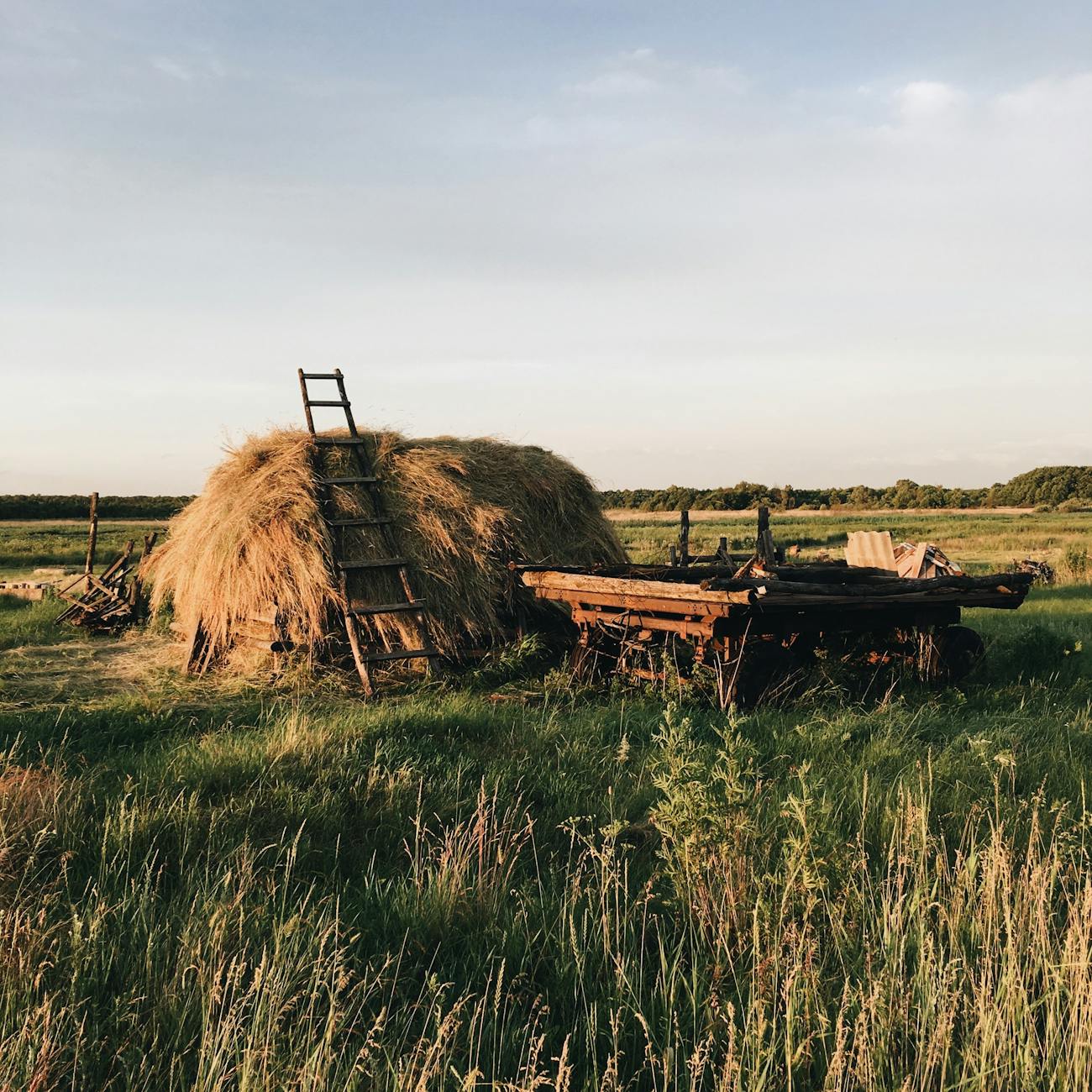
Farm succession refers to the process by which ownership, management and control of a farm are transferred from one generation to the next. It encompasses legal, financial, operational and relational dimensions. In practice a farmer may wish to hand the enterprise to a child, a sibling, or an external manager. The term is distinct from simple inheritance because it involves the continuity of agricultural production, the preservation of family values and the maintenance of land stewardship. A common challenge is aligning the aspirations of the outgoing farmer with those of the incoming generation while meeting tax obligations and ensuring the farm remains viable.
Transition plan is a documented roadmap that outlines the steps required to achieve a successful farm succession. It includes timelines, responsibilities, financial arrangements and risk mitigation strategies. For example a five‑year transition plan might schedule the gradual transfer of livestock ownership, the delegation of daily management tasks, and the restructuring of debt. The practical application of a transition plan lies in its ability to provide clarity to all parties, reduce uncertainty and avoid last‑minute decisions that could jeopardise the business. A frequent obstacle is the tendency to overlook the need for regular review, leading to outdated assumptions as market conditions evolve.
Estate planning is the broader legal framework that determines how a farmer’s assets will be distributed after death. It incorporates wills, trusts, powers of attorney and tax planning measures. In the context of farm succession estate planning ensures that the farm’s land, equipment and livestock are passed on in a tax‑efficient manner. A practical illustration is the use of a family trust to hold the farm’s assets, allowing income to be distributed to beneficiaries while retaining control within the family. Challenges often arise from the complexity of tax legislation, the need for professional advice and the potential for family disagreement over asset allocation.
Agricultural tenancy describes the legal agreement by which land is leased for farming purposes. Tenancies can be fixed‑term, periodic or secure, each with distinct rights and obligations. Understanding tenancy arrangements is essential for succession because the incoming farmer may need to assume the lease or negotiate a new agreement. For instance a tenant farmer who wishes to pass the tenancy to a child must ensure the lease allows for assignment and that the landlord consents. Difficulties include landlord resistance, restrictions on lease term extensions and the impact of agricultural policy changes on rent reviews.
Freehold denotes outright ownership of land and any attached buildings, without the constraints of a lease. Freehold ownership simplifies succession because the land can be transferred directly through a deed of conveyance. However, freehold farms often carry significant inheritance tax liabilities, requiring careful mitigation. A practical solution is to gradually gift portions of the freehold during the farmer’s lifetime, taking advantage of annual gift exemptions. The challenge lies in balancing the immediate reduction of the estate value against the loss of control over the land.
Leasehold is the opposite of freehold; it involves a leasehold interest in land that is owned by a landlord. Leasehold farms may be subject to rent reviews, ground rent payments and conditions that affect succession. For example a 99‑year lease may contain a clause that requires the lease to be renewed after 50 years, creating uncertainty for the successor. Managing leasehold succession often requires negotiation with the landlord, appraisal of the lease’s market value and possibly securing a lease‑extension loan. The principal difficulty is that leasehold interests are generally less valuable than freehold, which can affect the overall wealth transfer.
Business valuation is the process of determining the monetary worth of a farm as an operating enterprise. Valuation methods include market comparison, income capitalization and asset‑based approaches. Accurate valuation is crucial for tax planning, financing and equitable distribution among heirs. For instance an income‑based valuation might calculate the net farm income, apply a capitalization rate and derive a present value. Practical challenges include fluctuating commodity prices, the difficulty of quantifying non‑financial assets such as goodwill, and the need for an independent, qualified valuer to ensure credibility with HM Revenue & Customs.
Asset refers to any resource owned by the farm that has economic value. Assets encompass land, buildings, livestock, machinery, crops, intellectual property and financial instruments. In succession planning each asset must be identified, appraised and allocated. A practical example is the creation of an asset register that lists each piece of equipment, its purchase date, depreciation schedule and current market value. The main challenge is keeping the register up to date, especially for assets that depreciate quickly or are subject to seasonal variation.
Liabilities are the financial obligations owed by the farm, such as loans, mortgages, supplier credit and tax arrears. Understanding liabilities is essential for succession because they affect cash flow, borrowing capacity and the net value of the business. A common practice is to conduct a liability audit, categorising debts by interest rate, repayment schedule and security. For example a mortgage secured on the farm’s land may need to be refinanced to facilitate the transfer of ownership. The difficulty often lies in negotiating with lenders to release personal guarantees or to restructure debt without compromising the farm’s operational stability.
Inheritance tax (IHT) is a levy imposed on the value of an estate at death, with thresholds and rates set by the UK government. For farm families, IHT can represent a substantial cost that threatens the continuity of the farm. Mitigation strategies include the use of agricultural property relief (APR), business property relief (BPR), and lifetime gifts. A practical illustration is the farmer’s decision to gift a percentage of the farm’s equity each year, thereby reducing the eventual IHT bill. The challenge is that gifts may be subject to the seven‑year “tax charge” if the donor dies within that period, requiring careful timing and professional advice.
Capital gains tax (CGT) is charged on the profit realized when an asset is disposed of for more than its base cost. In farm succession, CGT may arise when land or equipment is transferred, especially if the transfer is not covered by reliefs. For example, the transfer of a parcel of land to a child may trigger CGT unless it qualifies for APR, which can reduce the chargeable gain by up to 100 %. Practical measures include ensuring that the land is used for agricultural purposes at the time of transfer and maintaining accurate records of historical acquisition costs. The main difficulty is that the rules governing APR are complex and subject to change, necessitating ongoing monitoring.
Gift relief allows the donor to receive a reduction in CGT when gifting assets that have been owned for at least one year. The relief is particularly relevant for farm succession because it can lower the tax burden on the transfer of livestock or machinery. For instance gifting a herd of cattle that has appreciated in value may qualify for a 50 % CGT reduction. The practical application involves documenting the date of acquisition, the date of the gift and obtaining a professional valuation at the time of transfer. The challenge is that gift relief does not apply to assets that have been held for less than a year, limiting its usefulness for rapid succession.
Agricultural property relief (APR) provides up to 100 % relief from IHT on the agricultural value of land, provided the land is used for farming at the time of death or transfer. APR is a cornerstone of tax‑efficient farm succession. A practical example is a farmer who retains ownership of the land until death, allowing the heirs to inherit the land with little or no IHT liability. However, APR only applies to the agricultural value, not the market value, which can create a gap if the land is also valuable for development. The challenge is that the criteria for APR are stringent; the land must be “agriculturally occupied” and the farmer must meet certain residency requirements.
Family farm denotes a farm that is owned, operated and often lived on by members of the same family across generations. The concept carries emotional, cultural and identity dimensions that go beyond pure economics. In succession planning, the family farm context influences decision‑making, as the desire to preserve family heritage may conflict with commercial rationality. A practical illustration is a family that decides to retain a small parcel of land for hobby farming while selling the main enterprise to a larger agribusiness. The key challenge is managing inter‑generational expectations, addressing potential conflicts and ensuring that the family’s values are reflected in the succession strategy.
Next generation refers to the younger family members who are likely to assume leadership of the farm. Their skills, interests and commitment are critical determinants of succession success. A common practice is to involve the next generation early in farm operations through apprenticeships, formal training and gradual responsibility transfer. For example a 20‑year‑old may start by managing a specific livestock unit, learning budgeting and marketing before taking on broader duties. The challenge lies in balancing the need for experience with the desire to avoid “entitlement” attitudes that may undermine the outgoing farmer’s authority.
Heir is a legal term describing an individual entitled to inherit under the rules of succession, either by will or by intestacy. In farm succession, heirs may include children, spouses, siblings or even non‑family members designated in a will. The distinction between heir and beneficiary is important because heirs have a fixed legal claim, whereas beneficiaries may be appointed at the discretion of the testator. A practical scenario is a farmer who names a daughter as the primary heir but also establishes a charitable trust for a portion of the estate. The difficulty often arises when multiple heirs have competing interests, leading to disputes that can delay or derail the succession.
Beneficiary is a person or entity designated to receive assets or income from a trust, will or insurance policy. Beneficiaries can be heirs, but they can also be non‑heirs such as a charitable organisation or a business partner. In farm succession planning, beneficiaries are used to structure the distribution of assets in a tax‑efficient manner. For example a farmer may set up a discretionary trust that names the children as beneficiaries, allowing the trustee to allocate income according to need and tax considerations. The challenge is ensuring that the trust deed is drafted clearly to avoid ambiguity about beneficiary rights and to comply with tax regulations.
Trust is a legal arrangement in which a settlor transfers assets to a trustee for the benefit of one or more beneficiaries. Trusts are frequently employed in farm succession to separate legal ownership from beneficial enjoyment, to protect assets from creditors, and to provide continuity beyond the life of any individual. A typical model is a family farming trust that holds the land, while the farming business operates as a limited company owned by the trust. Practical benefits include smoother transfer of shares, protection against divorce settlements and potential tax advantages. However, trusts are complex, incur ongoing administration costs, and must be carefully structured to avoid unintended tax consequences.
Will is a legal document that sets out how a person’s estate should be distributed after death. In the context of farm succession, a will can specify the transfer of farm assets, the appointment of executors, and any conditions attached to inheritance. A practical example is a will that stipulates that the farm will pass to the eldest child only if they achieve a farming qualification within two years. The main challenge is that a will alone may not be sufficient to mitigate inheritance tax, especially if the estate exceeds the nil‑rate band; additional instruments such as trusts or gifts may be required.
Deed of family arrangement (DFA) is a legally binding agreement among family members that sets out how an estate is to be divided, often used to avoid probate. DFAs are particularly useful in farm succession where the parties wish to keep the farm intact while providing for multiple heirs. For example a father may execute a DFA that transfers the farm’s freehold to his eldest son, while allocating cash assets to other children. The practical advantage is that the DFA can be executed quickly, reducing administrative delays. Challenges include the need for all parties to agree, the potential for future disputes, and ensuring that the DFA complies with tax legislation.
Farm business plan is a comprehensive document that outlines the farm’s objectives, strategies, financial forecasts and operational plans. In succession planning, the business plan is updated to reflect the new management structure, investment needs and risk profile of the successor. For instance, a transition plan may incorporate a revised business plan that projects cash flow under the new manager’s leadership, identifies capital investment required for modernization, and sets performance targets. The difficulty often lies in obtaining realistic forecasts, especially when market conditions are volatile, and in securing buy‑in from the successor who may have different strategic priorities.
Continuity planning involves developing strategies to maintain farm operations during periods of change, such as the departure of a senior farmer or the arrival of a new manager. It includes contingency arrangements for staffing, supply chain, finance and compliance. A practical measure is to draft a continuity plan that designates an interim manager, outlines emergency financing options, and lists critical contacts. The challenge is that continuity planning requires foresight and resources that may be deprioritised during busy farming seasons, leading to gaps that become evident only when a crisis occurs.
Governance refers to the structures, policies and processes by which decisions are made and accountability is enforced within the farm enterprise. Good governance is essential for succession because it clarifies roles, reduces ambiguity and promotes transparency. An example is the establishment of a farm board that includes family members, external advisors and possibly independent directors. This board can oversee strategic decisions, monitor performance and resolve disputes. The main challenge is balancing family involvement with professional independence, especially when family dynamics are complex.
Advisory board is a group of external experts who provide strategic advice, mentorship and industry insight to the farm’s leadership. In a succession context, an advisory board can support the incoming farmer by offering experience, networking opportunities and objective feedback. A practical illustration is a board comprising an agricultural economist, a solicitor, a bank loan officer and a peer farmer who meets quarterly to review the farm’s financial health and strategic direction. The difficulty may be securing commitment from busy professionals and ensuring that advice is tailored to the specific farm’s context rather than generic.
Advisory services encompass the professional assistance provided by accountants, solicitors, valuers, agronomists and other specialists. Engaging advisory services early in the succession process can identify tax efficiencies, valuation issues and operational improvements. For example an accountant may perform a cash‑flow forecast that highlights a funding gap, prompting the farmer to explore grant options. The challenge is the cost of these services, which can be significant for smaller farms, and the need to coordinate multiple advisors to avoid conflicting recommendations.
Farm records are the systematic documentation of all farm activities, including production data, financial transactions, livestock movements, pesticide applications and compliance paperwork. Robust record‑keeping is vital for succession because it provides the successor with an accurate picture of the farm’s performance and helps satisfy regulatory requirements. A practical step is to implement a digital farm management system that centralises data and allows for easy export to accountants and advisers. The primary challenge is the time required to maintain accurate records, especially for farmers who are accustomed to manual logs or who lack digital literacy.
Land registration is the process by which ownership and interests in land are recorded with HM Land Registry. Accurate land registration is essential for succession because it provides legal certainty and facilitates the transfer of title. For example, a farmer wishing to transfer a parcel of land to a child must ensure that the title is up to date, free of encumbrances and correctly reflects any covenants. Practical difficulties include the cost of registration, the time taken to correct historical errors, and the need to reconcile title deeds with modern mapping systems.
Lease renewal is the negotiation and execution of a new lease term when an existing agricultural tenancy expires. Lease renewal is a critical issue in succession where the incoming farmer may be a tenant rather than an owner. A practical approach is to engage a solicitor early to review the existing lease, identify renewal clauses, and commence negotiations with the landlord well before the expiry date. The challenge is that landlords may be unwilling to extend leases at favourable rates, or may impose conditions that limit the successor’s flexibility.
Tenancy agreement is the legal contract that sets out the rights and obligations of a tenant and landlord. In succession, the tenancy agreement may need to be assigned or novated to the new farmer. For example a 30‑year tenancy may contain a “first‑right of renewal” clause that can be exercised by the successor. Practical considerations include ensuring that the successor meets any fitness or financial criteria set out in the agreement, and that the landlord consents to the transfer. Challenges can arise from restrictive covenants, rent review mechanisms and the need for landlord approval, which can delay the succession timeline.
Farm management encompasses the day‑to‑day operational decisions that affect production, finances and labour. Effective farm management is a prerequisite for a smooth transition, as the successor must be competent in areas such as budgeting, crop planning, livestock health and risk management. A practical method for developing management skills is to assign the successor responsibility for a specific enterprise (e.g., arable crops) while the incumbent provides mentorship. The difficulty often lies in the “learning curve” where the successor may make costly mistakes, highlighting the need for a supportive environment and staged responsibility transfer.
Operational succession focuses on the handover of practical responsibilities rather than legal ownership. It includes the transfer of knowledge, routines, supplier relationships and staff oversight. For instance, the outgoing farmer may gradually reduce involvement in daily herd health checks, allowing the successor to assume those duties. The advantage of operational succession is that it preserves continuity of production, minimising disruption. However, challenges include the potential for resistance from long‑standing staff, differing management styles, and the risk that the successor’s approach may conflict with established practices.
Leadership development is the systematic nurturing of the successor’s ability to guide, motivate and make strategic decisions for the farm. It often involves formal training, coaching and exposure to external business environments. A practical example is enrolling the successor in a farm management course, arranging mentorship with a successful farmer, and assigning them to lead a cross‑functional project such as a sustainability initiative. The main challenge is balancing leadership development activities with the need for hands‑on experience, especially when the successor is still learning the technical aspects of farming.
Mentoring is a relationship in which an experienced individual (the mentor) provides guidance, support and feedback to a less experienced person (the mentee). In farm succession, the outgoing farmer often serves as mentor to the incoming manager. A practical arrangement could involve weekly debriefs, shadowing opportunities and the sharing of decision‑making rationales. The benefit is accelerated learning and the preservation of tacit knowledge. The difficulty may be the mentor’s reluctance to relinquish control, leading to micromanagement that hampers the mentee’s confidence.
Training includes formal education, on‑the‑job learning and certification programmes that equip the successor with the technical and business skills needed for modern farming. Examples range from agricultural science degrees to short courses on precision agriculture, health and safety, and financial management. Implementing a training plan ensures that skill gaps are identified and addressed before full responsibility is transferred. Challenges include the cost of tuition, time away from farm duties, and the risk that training content may become outdated in fast‑moving sectors such as technology.
Financial modelling is the construction of quantitative representations of the farm’s financial performance under various scenarios. Models can project cash flow, profitability, debt service and tax liabilities, helping to assess the viability of succession options. A practical application is building a model that compares the impact of a direct asset transfer versus a share sale to a family company, incorporating assumptions about market prices, interest rates and tax reliefs. The challenge is the need for accurate data, appropriate assumptions and the expertise to interpret model outputs meaningfully.
Cash flow refers to the movement of money into and out of the farm over a given period. Understanding cash flow is fundamental for succession because the successor must be able to meet operating expenses, service debt and fund any required investments. A practical tool is a monthly cash‑flow forecast that tracks income from crops, livestock, subsidies and other sources against expenses such as feed, fuel, wages and loan repayments. The difficulty often lies in the volatility of agricultural income, which can be affected by weather, market prices and policy changes, making cash‑flow planning a moving target.
Debt restructuring involves renegotiating the terms of existing loans to improve repayment conditions, extend maturities, or reduce interest rates. In succession, debt restructuring can free up cash for the transfer of ownership or for investment in the farm’s future. For example a farmer may refinance a high‑interest bank loan into a longer‑term agricultural loan with a lower rate, aligning repayments with the successor’s projected cash flow. Challenges include the willingness of lenders to modify agreements, potential early‑repayment penalties, and the need for a solid business case to justify the restructuring.
Funding options encompass the various sources of capital available to support succession, including bank loans, government grants, private equity, and family loans. Selecting the appropriate funding mix is crucial to ensure that the successor can meet acquisition costs without over‑leveraging the farm. A practical example is combining a low‑interest Rural Development Programme loan with a family loan that carries no interest, thereby reducing the overall cost of capital. The challenge is navigating complex eligibility criteria, application processes, and ensuring that the repayment schedule aligns with the farm’s cash‑flow profile.
Grants are non‑repayable funds offered by government bodies, agencies or charitable organisations to support specific activities such as sustainability, diversification or technology adoption. Grants can reduce the financial burden of succession by subsidising capital investment or training costs. For instance the UK Government’s “Farming Futures” grant may fund the purchase of precision‑agriculture equipment for the successor. The practical difficulty is that grants are often competitive, require detailed proposals, and may have strings attached that influence farm operations.
Rural development programmes are policy initiatives designed to boost the economic and social vitality of countryside areas. They often provide financial support, technical assistance and market development opportunities. In succession planning, rural development schemes can be leveraged to enhance the farm’s resilience and attractiveness to the next generation. A practical application might involve applying for a “Diversification” grant to develop a farm shop, thereby creating an additional revenue stream for the successor. The challenge is aligning the scheme’s objectives with the farm’s long‑term strategy and meeting compliance requirements.
Agricultural scheme refers to specific government programmes that provide subsidies, payments or incentives for particular farming activities, such as the Basic Payment Scheme, agri‑environmental schemes, or cross‑compliance measures. Understanding the interaction between these schemes and succession planning is essential because eligibility can be affected by ownership changes. For example a change in ownership may trigger a reassessment of eligibility for a “Higher Tier” agri‑environmental scheme, potentially altering revenue streams. The difficulty lies in keeping abreast of scheme rules, deadlines and the administrative burden associated with applications.
Succession planning timeline is a chronological framework that outlines key milestones from the initial feasibility study through to the final transfer of ownership. It ensures that tasks are completed in a logical order and that sufficient lead time is allocated for complex activities such as valuation, tax planning and legal documentation. A typical timeline might span 5–10 years, with early years focused on skill development, mid‑years on financial structuring, and later years on legal transfer. The practical challenge is maintaining momentum over a long horizon, especially when immediate farm pressures dominate attention.
Milestones are specific, measurable points on the succession timeline that indicate progress. Examples include “Complete farm valuation”, “Finalize trust deed”, “Secure financing for share purchase”, and “Execute transfer of livestock ownership”. Milestones provide clarity, enable tracking, and help keep all stakeholders accountable. The difficulty can be that milestones may be overly optimistic or fail to account for external delays such as regulatory approvals or market fluctuations.
Risk assessment is the systematic identification and analysis of potential threats to the farm’s continuity, financial health and operational stability. In succession, risk assessment helps to anticipate obstacles such as market downturns, climate events, or family disputes. A practical tool is a risk matrix that rates each identified risk by likelihood and impact, then proposes mitigation actions. For instance, the risk of a severe drought could be mitigated by investing in irrigation infrastructure and diversifying crops. The challenge is that some risks, particularly those related to human relationships, are difficult to quantify and may be underestimated.
Contingency planning involves developing alternative courses of action to be implemented if identified risks materialise. It ensures that the farm can continue operating under adverse conditions. A practical example is having a backup financing arrangement with a secondary lender in case the primary loan is withdrawn during the succession process. The difficulty is that contingency plans require additional resources and may never be used, leading some stakeholders to view them as unnecessary overhead.
Communication strategy outlines how information about the succession will be shared with family members, staff, advisors, lenders and other stakeholders. Effective communication reduces speculation, builds trust and aligns expectations. A practical approach includes scheduled family meetings, written updates, and a clear point‑of‑contact for queries. The challenge is managing differing communication preferences, cultural sensitivities and the potential for information leaks that could affect market perception or staff morale.
Stakeholder analysis is the process of identifying all parties who have an interest in the farm’s succession, assessing their influence, and determining their needs and concerns. Stakeholders may include heirs, employees, suppliers, customers, neighbours, local authorities and community groups. A practical tool is a stakeholder map that plots each group’s level of interest against their power to affect the outcome. The benefit is that it helps prioritise engagement efforts. The challenge is that stakeholder interests can shift over time, requiring periodic reassessment.
Conflict resolution refers to the methods used to address and settle disagreements that arise during succession. Effective conflict resolution maintains family cohesion and prevents legal disputes that could jeopardise the farm. Techniques include open dialogue, mediation, and, if necessary, arbitration. A practical example is using a neutral third‑party mediator to facilitate discussions between siblings who disagree on the division of assets. The difficulty often lies in emotional attachment and entrenched positions, which can make rational negotiation challenging.
Mediation is a structured process in which an impartial mediator assists parties in reaching a mutually acceptable agreement. In farm succession, mediation can resolve disputes over asset allocation, management roles, or financial contributions. A practical scenario might involve two brothers contesting the share of the farm’s livestock; a mediator would help them explore options such as buying out one partner or creating a joint‑venture agreement. The benefit is that mediation is generally less costly and faster than litigation. However, its success depends on the willingness of parties to compromise.
Professional advisors encompass the team of specialists who provide expert guidance throughout the succession process. This team typically includes a solicitor, accountant, valuer, agronomist and possibly a business coach. Engaging a coordinated advisory team ensures that legal, tax, valuation and operational aspects are aligned. A practical step is to appoint a “succession coordinator” who manages the advisor network and schedules regular progress meetings. The challenge is that advisors may have differing perspectives, leading to conflicting recommendations that require careful synthesis.
Solicitor is a legal professional who advises on matters such as wills, trusts, property transfer, and regulatory compliance. In succession, the solicitor drafts legal documents, conducts due diligence, and ensures that the transfer complies with the law. A practical example is the solicitor preparing a deed of transfer for the farm’s freehold and reviewing the tenancy agreements for any necessary novation clauses. The difficulty can be the cost of high‑quality legal services and the need to select a solicitor with specific experience in agricultural law.
Accountant provides financial expertise, including tax planning, financial statements, and cash‑flow analysis. In farm succession, the accountant evaluates the tax implications of various transfer methods, prepares the necessary tax returns, and assists with budgeting for the successor. A practical task might be calculating the inheritance tax liability under different scenarios, such as gifting versus selling shares. The challenge is ensuring that the accountant is familiar with the specific tax reliefs available to farms, such as APR and BPR, and that they keep abreast of legislative changes.
Valuer (or farm appraiser) determines the market value of the farm’s land, buildings, livestock and other assets. Accurate valuation is essential for equitable division, tax compliance and financing. A practical application is commissioning a valuer to produce a report that separates agricultural value from development value, which is required for APR calculations. The challenge is that valuations can be subjective, depend on market conditions, and may differ between professionals, leading to disputes.
Surveyor specialises in measuring and mapping land, assessing boundaries, and identifying rights of way or easements. In succession, the surveyor ensures that the physical descriptions in legal documents match the reality on the ground. A practical example is a surveyor confirming the exact extent of a field that is to be transferred to a child, including any drainage infrastructure. The difficulty may be the cost of detailed surveys and the time required to resolve any boundary disputes that arise.
Agricultural economist analyses market trends, price forecasts, and the economic viability of farming enterprises. Their insight can shape the succession strategy by identifying profitable diversification options or forecasting commodity price movements. A practical use is commissioning an economist to model the impact of a shift from arable to mixed farming on revenue streams for the successor. Challenges include the inherent uncertainty of economic forecasts and the need to translate complex analysis into actionable decisions.
Farm appraiser is a professional who provides a holistic valuation of the farm as a business, incorporating not only assets but also goodwill, client relationships and brand value. This broader perspective is useful when the farm operates as a limited company or when intangible assets are significant. A practical scenario is valuing a farm that has a well‑known organic brand, which adds premium value beyond the physical assets. The difficulty is that appraisals of goodwill can be contentious and may require negotiation among heirs.
Insurance protects the farm against unforeseen losses, ranging from property damage to business interruption. In succession, insurance arrangements may need to be reviewed to ensure that the successor is adequately covered. A practical step is to update the farm’s property insurance policy to reflect the new owner’s name, and to consider adding key‑person insurance on the outgoing farmer if their expertise is vital. The challenge is balancing coverage levels with premium costs, and ensuring that policies are not limited by ownership clauses that could invalidate claims after transfer.
Business interruption insurance compensates for loss of income when farm operations are halted due to an insured event such as fire, flood or disease outbreak. For a successor, this coverage can provide a safety net during the early phase of management when cash flow may be tighter. A practical example is a policy that covers lost revenue from a crop failure caused by extreme weather, allowing the new farmer to meet loan repayments. The difficulty lies in policy exclusions, deductible amounts, and the need to accurately estimate potential losses for underwriting.
Pension planning is an integral part of succession, as the retiring farmer will need to secure income post‑retirement while ensuring that the farm’s capital remains sufficient for the successor. Options include defined‑benefit schemes, personal pensions, or drawing down from farm assets. A practical approach might involve the farmer contributing to a self‑invested personal pension (SIPP) that holds farm assets, allowing for tax‑advantaged growth while preserving the farm’s operational capital. The challenge is aligning pension withdrawals with the cash‑flow needs of both the retiring farmer and the successor.
Retirement planning extends beyond pensions to include lifestyle considerations, health care, and legacy goals. In farm succession, retirement planning must coordinate with the timing of asset transfer to avoid cash‑flow strains. A practical step is to develop a retirement budget that accounts for housing, travel and healthcare, and to compare it against the projected income from any retained farm assets. The difficulty often stems from uncertainty about future health costs and the desire to remain involved in farm activities, which can blur the line between retirement and active management.
Agricultural policy shapes the regulatory environment, subsidy eligibility and market conditions for farms. Changes in policy, such as post‑Brexit trade agreements or environmental regulations, can affect the attractiveness of succession. A practical example is the farmer reviewing the impact of the Environmental Land Management (ELM) scheme on future income, and incorporating those projections into the succession financial model. The challenge is that policy shifts can be abrupt, requiring the successor to adapt quickly to new compliance requirements and funding mechanisms.
Brexit impact refers to the consequences of the United Kingdom’s departure from the European Union on agriculture, including changes to trade, subsidies and labour availability. In succession planning, understanding Brexit impact is crucial for forecasting cash flow and assessing market risk. A practical illustration is analysing how reduced access to EU markets might affect the price of certain crops, and adjusting the farm’s diversification strategy accordingly. The difficulty is the ongoing uncertainty surrounding trade deals and regulatory alignment, which makes long‑term planning complex.
Market volatility describes the rapid and unpredictable fluctuations in commodity prices, input costs and demand. For a successor, market volatility can threaten profitability and the ability to service debt. A practical mitigation strategy is to use forward contracts, price hedging or diversification to smooth income streams. For example, a farmer might lock in a price for wheat through a futures contract to reduce exposure to price drops. The challenge is that hedging instruments can be costly and require financial expertise to manage effectively.
Climate change adaptation involves modifying farming practices to cope with altered weather patterns, increased frequency of extreme events and shifting growing seasons. Succession plans should embed adaptation measures to ensure long‑term viability. A practical step is investing in water‑storage infrastructure, selecting climate‑resilient crop varieties, and implementing soil‑carbon sequestration practices. The difficulty is the upfront capital required and uncertainty about the precise nature of future climate impacts on specific locations.
Sustainable farming is an approach that balances economic viability, environmental stewardship and social responsibility. Incorporating sustainability into succession can enhance the farm’s reputation, access to premiums and eligibility for eco‑schemes. A practical example is the successor adopting precision‑agriculture technologies to reduce fertilizer use, thereby qualifying for higher environmental payments. Challenges include the learning curve associated with new technologies, the need for capital investment, and potential resistance from stakeholders accustomed to conventional methods.
Organic certification is a formal process that verifies a farm’s compliance with organic standards, often providing market premiums. If the farm is certified organic, succession planning must address the continuity of certification, including record‑keeping and compliance. A practical measure is to ensure that the successor receives training on organic regulations and that the farm’s organic management plan is updated. The difficulty is maintaining strict adherence to standards during the transition, as any lapse could jeopardise certification and associated income.
Land use planning determines how land may be utilised, considering factors such as agricultural suitability, development potential and environmental constraints. In succession, land‑use planning influences the value of the farm and the feasibility of diversification projects. A practical example is conducting a land‑use assessment to identify portions of the estate that could support renewable energy installations, providing an additional revenue stream for the successor. The challenge is navigating planning permission processes, which can be lengthy and uncertain.
Zoning refers to statutory designations that restrict or permit certain types of development on land. Understanding zoning is essential for succession when the successor wishes to pursue non‑agricultural ventures such as agri‑tourism or renewable energy. A practical step is to review the local authority’s zoning map and engage with planning officers early to determine permissible uses. The difficulty may arise if zoning restrictions limit the intended diversification, requiring appeals
Key takeaways
- The term is distinct from simple inheritance because it involves the continuity of agricultural production, the preservation of family values and the maintenance of land stewardship.
- The practical application of a transition plan lies in its ability to provide clarity to all parties, reduce uncertainty and avoid last‑minute decisions that could jeopardise the business.
- A practical illustration is the use of a family trust to hold the farm’s assets, allowing income to be distributed to beneficiaries while retaining control within the family.
- Understanding tenancy arrangements is essential for succession because the incoming farmer may need to assume the lease or negotiate a new agreement.
- A practical solution is to gradually gift portions of the freehold during the farmer’s lifetime, taking advantage of annual gift exemptions.
- Managing leasehold succession often requires negotiation with the landlord, appraisal of the lease’s market value and possibly securing a lease‑extension loan.
- Practical challenges include fluctuating commodity prices, the difficulty of quantifying non‑financial assets such as goodwill, and the need for an independent, qualified valuer to ensure credibility with HM Revenue & Customs.