
Preparing the Next Generation for Farm Succession
Farm succession is the process by which ownership, control and management of a farm are transferred from one generation to the next. Understanding the terminology that underpins this process is essential for anyone preparing the next genera…
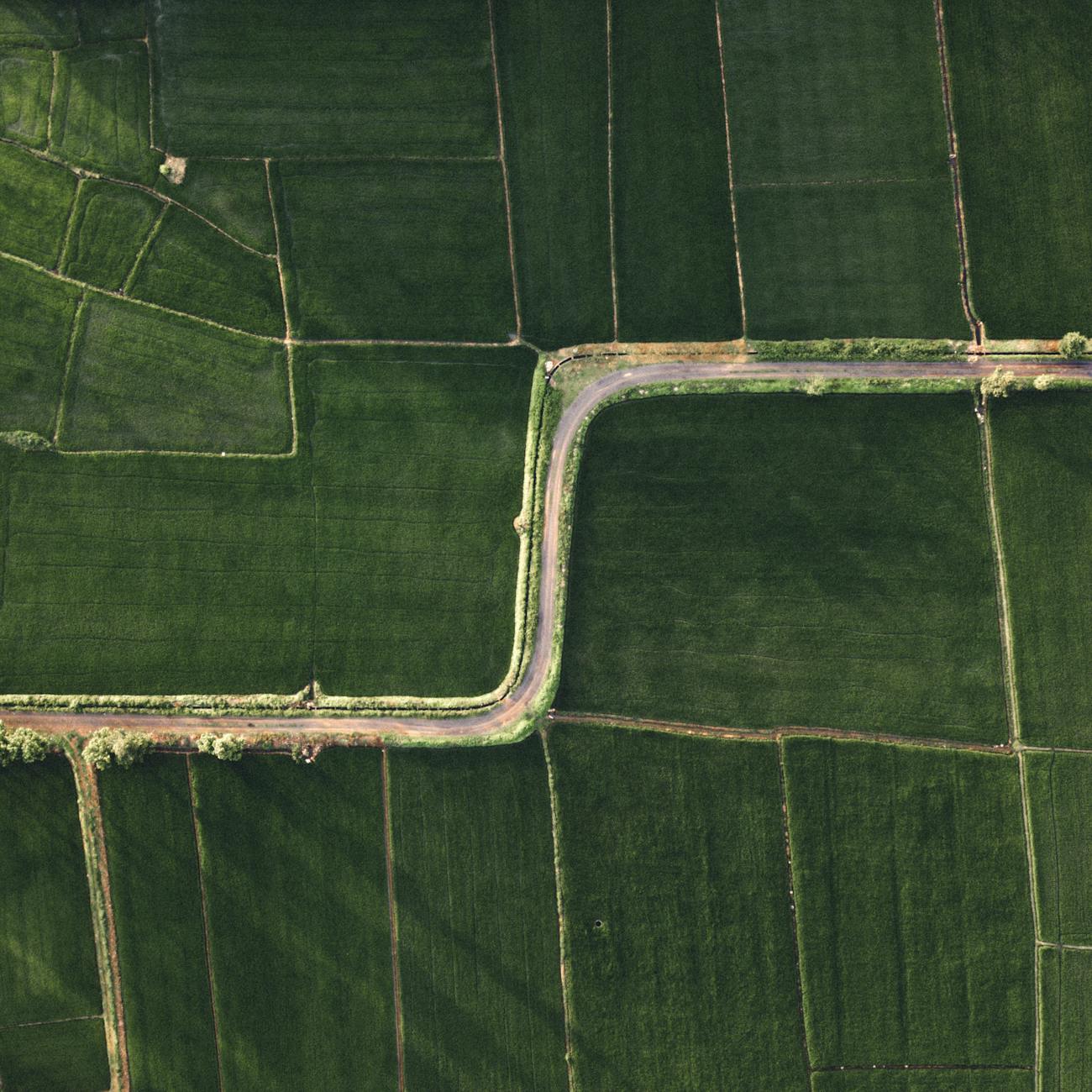
Farm succession is the process by which ownership, control and management of a farm are transferred from one generation to the next. Understanding the terminology that underpins this process is essential for anyone preparing the next generation for farm succession. The following glossary provides detailed explanations, practical examples and notes on the challenges associated with each term. The emphasis is on concepts that are most relevant to the United Kingdom farming context, but many of the ideas have broader applicability.
Succession Planning – A strategic approach that outlines how a farm will be transferred to the next generation, including timelines, financial arrangements and the roles of family members. In practice, a succession plan might set out that the eldest child will take over the dairy operation by the year the current owner turns 70, while younger siblings will receive cash payments derived from the sale of peripheral land. The challenge lies in balancing emotional expectations with realistic financial constraints, particularly when market conditions fluctuate.
Estate – The totality of assets, liabilities, land, buildings, equipment and financial holdings that belong to the farm owner at the time of death. For a family farm, the estate may comprise 500 hectares of arable land, a herd of 200 cattle, a range of machinery, and a portfolio of investment accounts. Accurate valuation of the estate is a prerequisite for tax planning and for determining the resources available for succession.
Will – A legal document that specifies how the estate will be distributed after death. A well‑drafted will can allocate specific parcels of land to individual heirs, set up trusts, or stipulate conditions for the continued operation of the farm business. A common pitfall is reliance on a generic will that does not address the unique nature of agricultural assets, leading to disputes or unintended tax liabilities.
Trust – A legal arrangement in which assets are held by a trustee for the benefit of one or more beneficiaries. Trusts are frequently used to protect farm land from fragmentation, to defer inheritance tax, or to manage the distribution of income over time. For instance, a “family farm trust” might hold the freehold of the farm, with the next generation acting as beneficiaries who receive rental income while the trustee (often a professional solicitor) oversees the asset. The complexity of trust law and the cost of administration can be barriers to their adoption.
Inheritance Tax – A tax levied on the value of an estate when the owner dies. In the UK, the standard rate is 40 % on assets above the nil‑rate band (currently £325,000). Agricultural property may qualify for relief, reducing the taxable value to the “farm value” rather than the market value. The challenge for succession planners is to maximise reliefs and exemptions while ensuring the farm remains viable for the successors.
Agricultural Property Relief (APR) – A relief that reduces the value of farm land and buildings for inheritance tax purposes to the “farm value,” which is often lower than market value. To qualify, the land must be used for agriculture and the owner must have been a “person engaged in farming” for at least two years before death. Misunderstanding APR can lead to unnecessary tax charges; for example, if a farmer sells a portion of land before death, the relief may be lost.
Gift Hold‑Over Relief – A tax relief that allows a living donor to transfer assets to a recipient without triggering an immediate capital gains tax charge. The recipient inherits the donor’s base cost, and any future gain is taxed when the recipient disposes of the asset. In succession planning, this relief can be used to transfer farm equipment or a parcel of land to a child while the donor is still alive, thus reducing the overall tax burden. The relief is only available for assets that qualify for APR, and careful timing is required.
Valuation – The process of determining the monetary worth of farm assets. Valuation can be performed for tax purposes, for sale or purchase negotiations, or for internal decision‑making. Professional valuers consider factors such as soil quality, market prices for crops, the condition of buildings, and the productivity of livestock. A common challenge is the “valuation gap” between the tax value (often lower due to APR) and the market value, which can affect the amount of cash needed to settle inheritance tax.
Freehold – Ownership of land and any buildings on it outright, without any time limit. Freehold farms are typically more straightforward to transfer than leasehold farms because there is no landlord‑tenant relationship to resolve. However, freehold owners must still consider the implications of APR and other tax reliefs. A difficulty may arise when a freeholder wishes to retain the land for personal use while transferring the business operations to the next generation.
Leasehold – The right to occupy and use land for a set period under a lease agreement. In the UK, many farms are operated under agricultural tenancies, which can be either fixed‑term or “farm business tenancies” (FBTs) that have specific statutory protections. Leasehold succession can be complex because the lease may contain break clauses, rent reviews, or conditions that affect the ability of successors to continue the farm. Negotiating a new lease or buying the freehold may be necessary steps in the succession process.
Farm Business Tenancy (FBT) – A type of tenancy introduced by the Agricultural Tenancies Act 1995 that provides greater security of tenure for tenants and more flexibility for landlords. FBTs are common in England and Wales and are often used for succession because they can be transferred to a new tenant with the landlord’s consent. The challenge is that landlords may impose rent increases or require improvements that the successor must finance.
Tenancy Succession – The process by which an agricultural tenancy is transferred from one tenant to another, usually a family member. Succession rights vary by region; for example, in Scotland, the “right of succession” is more limited than in England. A practical example is a tenant farmer who wishes to pass the tenancy to his daughter; he must notify the landlord and may need to meet certain criteria, such as demonstrating competence. Failure to follow the correct procedure can result in loss of the tenancy.
Farm Business Structure – The legal form under which the farm operates, such as a sole trader, partnership, limited company or limited liability partnership (LLP). The structure influences tax liabilities, liability exposure and succession options. For instance, a farm run as a limited company may allow shares to be transferred to children, facilitating a smoother succession, but it also introduces corporate tax considerations. Choosing the appropriate structure early can simplify future transfers.
Limited Company – A corporate entity with its own legal personality, limited liability for shareholders and the ability to own assets and incur debts. In a farm context, a limited company can hold the land, equipment and intellectual property, while the shareholders (often family members) receive dividends. This structure can provide tax efficiency and facilitate share transfers, but it requires compliance with company law, annual filing and possible double taxation on dividends.
Partnership – A business arrangement where two or more individuals share ownership, profits and liabilities. Farm partnerships can be useful for joint family ventures, allowing each partner to have a defined share of the assets. However, partnership agreements must be carefully drafted to address what happens on death, retirement or dispute. Without a clear agreement, the partnership may dissolve automatically, causing disruption.
Limited Liability Partnership (LLP) – A hybrid structure that combines the flexibility of a partnership with the limited liability of a company. LLPs are increasingly popular for farms that wish to protect individual partners from personal liability while maintaining management control. The succession challenge is similar to that of a partnership, but the LLP agreement can include provisions for the admission or removal of members, making it more adaptable.
Farm Diversification – The expansion of farm activities beyond traditional agriculture, such as agritourism, renewable energy, or specialty food production. Diversification can provide additional income streams to support succession, but it also adds complexity to the business model. For example, a farmer who installs a wind turbine may need to consider the ownership of the turbine, the revenue from feed‑in tariffs and the impact on the farm’s valuation. Succession planning must therefore address both the core farm and the diversified enterprises.
Asset Transfer – The movement of specific farm assets (e.g., livestock, machinery, land) from one party to another. In succession, asset transfer can be achieved through sale, gift, or trust. Each method has distinct tax implications. A sale may generate capital gains tax, while a gift may trigger inheritance tax if the donor dies within seven years. Careful timing and selection of the transfer method can optimise tax efficiency.
Capital Gains Tax (CGT) – A tax on the profit made when an asset is disposed of. For farms, CGT can be mitigated by reliefs such as “Business Asset Disposal Relief” (formerly Entrepreneurs’ Relief), which reduces the rate to 10 % on the first £1 million of gains. However, the asset must meet specific criteria, such as being used in a qualifying business for at least two years. Failure to meet these criteria may result in a higher CGT liability.
Business Asset Disposal Relief – A tax relief that reduces the CGT rate on qualifying business assets to 10 % up to a lifetime limit of £1 million. It can be a powerful tool for succession when a farmer sells part of the farm to fund the purchase of another parcel for the next generation. The relief is only available if the asset is held for at least two years and the seller is an “individual” or “personal company” involved in the business. The challenge is that the relief is time‑limited and may be exhausted if multiple disposals are made.
Gift – The transfer of an asset without consideration (i.e., without payment). Gifts are often used in succession planning to move assets to heirs during the donor’s lifetime, potentially avoiding inheritance tax if the donor survives for seven years after the gift. However, gifts can be subject to “gift tax” (i.e., they are treated as a disposal for CGT) and may affect the donor’s eligibility for certain reliefs. A practical example is a farmer gifting a plot of marginal land to a child, thereby reducing the size of the taxable estate.
Seven‑Year Rule – The period after a lifetime gift during which the donor’s death will cause the gift to be brought back into the estate for inheritance tax purposes, with a sliding scale of relief. If the donor dies within three years, the full value of the gift is taxed; between three and four years, a 20 % reduction applies; between four and five years, a 40 % reduction; and between five and seven years, a 60 % reduction. Understanding this rule helps plan the timing of gifts to minimise tax exposure.
Family Farm Trust – A specific type of trust designed to hold farm assets for the benefit of family members. The trust can provide continuity of ownership, protect assets from creditors, and allow for staged distribution of income. For example, a trust might hold the freehold land, while the farm business operates as a limited company owned by the trust’s beneficiaries. The main challenges are the cost of establishing the trust, ongoing administration, and ensuring compliance with both tax and trust law.
Deed of Gift – A legal instrument that records the intention to give an asset as a gift. The deed must be executed correctly to be enforceable and to ensure that tax authorities recognise the transfer. In farm succession, a deed of gift may be used to transfer a herd of cattle to a successor, specifying the date of transfer, the asset description and any conditions attached (e.g., that the herd must be kept on the farm). Inadequate documentation can lead to disputes or tax penalties.
Rural Payments Agency (RPA) – The government body that administers agricultural subsidies and rural development schemes in England. The RPA manages schemes such as the Basic Payment Scheme (BPS) and Countryside Stewardship. Succession planning must consider how payments will be transferred to the new farmer, as eligibility often depends on land ownership and farmer registration. Challenges include ensuring that the successor is registered correctly and that any “pay‑as‑you‑go” adjustments are accounted for.
Basic Payment Scheme (BPS) – A core agricultural subsidy that provides a fixed payment per hectare to eligible farmers. The BPS is tied to land ownership and farmer registration, which means that when land is transferred, the entitlement may also need to be transferred. A practical scenario is a father who owns 200 hectares and wishes to transfer 100 hectares to his son; the BPS payment for those 100 hectares must be re‑registered in the son’s name, usually within a specified timeframe. Failure to do so can result in loss of payments.
Countryside Stewardship – A scheme that provides payments to farmers for environmental management practices such as hedgerow planting, wildlife habitat creation and carbon sequestration. Succession planning must address whether the new farmer will continue the stewardship agreements, as breaking a contract can lead to repayment of subsidies. The challenge is aligning environmental commitments with the successor’s business objectives.
Farm Business Development Programme (FBDP) – A Rural Development Programme that offers grants and advice to improve farm profitability, diversify income and adopt innovative technologies. Engaging with the FBDP can support succession by providing capital for modernising equipment, training the next generation or developing new enterprises. Applicants must demonstrate a clear business plan, and the funding may be contingent on the successor’s involvement, adding a layer of strategic planning.
Young Farmer – An individual, typically under the age of 35, who is entering or already involved in farm management. Young farmers often face barriers such as limited access to finance, experience gaps and higher relative costs of entry. Succession planning can help mitigate these challenges by providing mentorship, staged ownership transfer, and access to training programmes. A case study might involve a 28‑year‑old who inherits a portion of the family farm but requires a loan to purchase additional livestock; the succession plan could include a “family loan” with favourable terms.
Apprenticeship – A structured training route that combines on‑the‑job learning with formal education. The UK government offers funding for agricultural apprenticeships, which can be a valuable tool for preparing the next generation. By enrolling a successor in an apprenticeship, the farm can develop the required skills while also accessing financial support. The challenge is aligning the apprenticeship schedule with the farm’s operational calendar and ensuring that the apprentice gains exposure to all aspects of the business.
Farm Advisory Service (FAS) – A service provided by organisations such as the National Farmers Union (NFU), Rural Development Programme and private consultants, offering advice on business planning, financial management and succession. Engaging a FAS early can identify potential tax liabilities, suggest optimal structures and provide impartial guidance. A common issue is that farmers may be reluctant to share sensitive financial data, limiting the effectiveness of the advice.
Enterprise Management Account (EMA) – An accounting system that records the financial performance of each farm enterprise (e.g., arable, livestock, agri‑tourism) separately. EMAs are crucial for succession because they allow the next generation to see the profitability of each component and make informed decisions about where to focus investment. Implementing EMAs can be challenging for farms that have historically used cash‑based bookkeeping.
Cash Flow Forecast – A projection of incoming and outgoing cash over a specific period, usually 12 months. Accurate cash flow forecasting is essential when planning succession, as it highlights periods of cash shortage that may affect the ability to purchase assets or pay inheritance tax. For example, a forecast may reveal that the farm will have a cash surplus in the winter months but a deficit during the sowing season, prompting the need for a line of credit to bridge the gap.
Liquidity – The ability of an asset to be converted into cash quickly without significant loss of value. In succession, liquidity is a key consideration because the estate may be illiquid, consisting mainly of land and livestock. Strategies to improve liquidity include selling non‑core assets, taking a farm loan, or using insurance policies that provide death benefits. The challenge is balancing the need for cash with the desire to retain productive assets.
Farm Loan – A borrowing arrangement specifically for agricultural purposes, often secured against land or equipment. Loans can be used to fund the purchase of land by the next generation, to refinance existing debt, or to provide cash for inheritance tax. The UK offers a range of loan products, from commercial bank facilities to government‑backed schemes such as the “Farm Business Loan.” Interest rates, repayment terms and security requirements must be carefully evaluated to avoid over‑leveraging the farm.
Insurance Policy – A contract that provides financial protection against specified risks. In succession, life insurance is commonly used to provide a lump‑sum payment on the death of the farm owner, which can cover inheritance tax and enable a smooth transfer of assets. Policies may be written in the name of the farm, the individual, or a trust. The challenge is selecting a policy with appropriate cover, premium affordability and tax efficiency.
Business Interruption Insurance – Coverage that compensates for loss of income due to events such as disease outbreaks, extreme weather or supply chain disruptions. While not directly a succession tool, this insurance can protect the farm’s cash flow during a transition period, ensuring that the successor can meet operational costs and tax obligations. The difficulty lies in accurately estimating the potential loss and choosing a policy that reflects the farm’s unique risk profile.
Family Agreement – A written document that records the expectations, responsibilities and financial arrangements among family members regarding the farm’s future. A family agreement may cover topics such as remuneration for the successor, the role of non‑farming siblings, and the handling of disputes. Although not legally binding in the same way as a contract, a well‑drafted agreement can reduce conflict and provide a clear framework for decision‑making. The main challenge is achieving consensus among all parties and updating the agreement as circumstances change.
Governance Structure – The system of rules, processes and bodies that direct and control the farm business. Formal governance may include a board of directors (for a limited company), a partnership agreement, or a family council. Establishing a governance structure helps delineate authority, improves transparency and prepares the farm for professional management. Implementing governance can be met with resistance from family members accustomed to informal decision‑making.
Exit Strategy – A plan that outlines how a farmer intends to leave the business, whether through sale, transfer, retirement or death. An exit strategy is a core component of succession planning because it sets out the timeline and financial expectations for the transition. For example, a farmer may decide to gradually reduce his shareholding over a ten‑year period, selling 10 % of the business each year to his children. The primary difficulty is forecasting market conditions and ensuring that the exit does not destabilise the farm’s operations.
Retirement Planning – The process of preparing for the financial and lifestyle changes associated with leaving the farm. Retirement planning includes estimating the income needed post‑retirement, evaluating pension options, and determining the role (if any) the retiring farmer will continue to play. A common scenario involves a farmer who wishes to retain a modest rental income from a portion of the land while the next generation runs the active business. Aligning retirement income with the farm’s cash flow can be complex, especially when income is variable.
Pension Scheme – A financial product that provides regular payments after retirement. Farmers may contribute to a personal pension, a stakeholder pension, or a scheme offered by a professional body such as the NFU. Pension contributions can be tax‑efficient, reducing current taxable income while building a retirement fund. However, pension benefits are generally not transferable to family members, so they must be considered alongside other succession tools.
Business Valuation Discount – A reduction applied to the market value of a farm when calculating its value for tax or inheritance purposes. Discounts may be granted for lack of marketability (illiquidity) or for minority interest (if the successor will own less than 50 % of the business). For instance, a 20 % discount for lack of marketability might be applied to a farm that cannot be readily sold. The challenge is obtaining an agreed‑upon discount, as HMRC may contest excessive discounts.
Minority Shareholder – An individual who owns less than 50 % of the equity in a company. In succession, minority shareholders may be children who receive a small share of the farm company. Protecting minority shareholders’ rights can be achieved through shareholders’ agreements that set out voting rights, dividend policies and exit provisions. Without such agreements, minority shareholders may be vulnerable to decisions made by majority owners.
Majority Shareholder – An individual who owns more than 50 % of the equity, thus controlling the company’s decisions. In many family farms, the parent retains majority control while gradually transferring minority shares to children. Managing the relationship between majority and minority shareholders is essential to avoid disputes, particularly when strategic decisions such as investment in diversification are on the table.
Share Transfer Agreement – A legal contract that records the terms under which shares in a farm company are transferred from one party to another. The agreement will set out the purchase price, any warranties, the date of transfer and any conditions precedent (e.g., obtaining board approval). A well‑drafted agreement can prevent future litigation and ensure compliance with company law. The difficulty lies in negotiating a price that reflects both market value and the family’s desire for affordability.
Buy‑Sell Agreement – A contractual arrangement that obliges one party to buy and another to sell a specified interest under predetermined conditions, often triggered by events such as death, retirement or dispute. In farm succession, a buy‑sell agreement might require the surviving sibling to purchase the departing sibling’s share at a fair market price, funded by a life insurance policy. This tool provides certainty but requires careful drafting to avoid disputes over valuation methods.
Life Insurance Policy – A contract that pays a lump‑sum benefit on the death of the insured. In succession planning, life insurance is frequently used to fund inheritance tax, provide liquidity for asset purchase, or support the family’s living standards. Policies can be written in the name of the individual, the farm, or a trust, each with distinct tax implications. Selecting the appropriate policy type and coverage amount is a critical decision that must align with the overall succession strategy.
Estate Freeze – A tax planning technique that locks in the current value of an asset for inheritance tax purposes, while future growth accrues to the next generation. In practice, an estate freeze may involve transferring shares of a farm company to a family trust and issuing new shares to the owner, thereby “freezing” the value of the original shares. The successor benefits from future appreciation without incurring additional inheritance tax. The complexity of an estate freeze requires specialist advice and careful compliance with tax legislation.
Deemed Disposition – A tax event that treats an asset as if it has been sold, even though no actual sale has taken place. Deemed dispositions arise in situations such as the transfer of assets to a trust or the conversion of a personal holding into a company share. The tax consequences can include capital gains tax, inheritance tax and stamp duty land tax. Understanding when a deemed disposition occurs is essential to avoid unexpected tax charges.
Stamp Duty Land Tax (SDLT) – A tax payable on the acquisition of land and property in England and Northern Ireland. When land is transferred as part of succession, SDLT may be payable unless an exemption applies (e.g., transfers between spouses or civil partners). The rate depends on the value of the land and the nature of the transaction. Planning for SDLT can involve structuring the transfer as a gift rather than a sale, or using a trust to mitigate the tax liability.
Capital Gains Tax Relief – Various provisions that reduce the CGT payable on the disposal of farm assets. Apart from Business Asset Disposal Relief, other reliefs include “Entrepreneur’s Relief” (now Business Asset Disposal Relief) and “Rollover Relief,” which allows the gain to be deferred if the proceeds are reinvested in qualifying assets. Effective use of CGT reliefs can preserve wealth for the next generation and improve the financial viability of the succession.
Rollover Relief – A CGT relief that defers the gain when the proceeds from a disposal are reinvested in a new asset used for the same purpose. In farm succession, Rollover Relief could be applied when a farmer sells a parcel of land and immediately purchases another parcel to maintain the farm’s operational size. The gained amount is added to the base cost of the new asset, reducing future CGT. The limitation is that the reinvestment must occur within a specified time frame (usually 12 months).
Family Trust Deed – The legal instrument that creates a family trust, setting out the trust’s purpose, beneficiaries, trustees and powers. In succession, the deed may specify that the trust holds the farm’s freehold, while the farm business is operated by a limited company owned by the trust’s beneficiaries. The deed must be carefully drafted to align with tax planning objectives and to ensure that trustees can act in the best interests of the beneficiaries. Errors in the deed can result in unintended tax consequences or loss of control.
Trustee – An individual or corporate entity appointed to manage the assets held in a trust according to the terms of the trust deed. Trustees have fiduciary duties to act prudently, impartially and in accordance with the trust’s purpose. In a farm succession context, trustees may be family members, professional advisors or a combination thereof. Selecting competent trustees is critical, as poor management can erode the farm’s value or lead to disputes.
Beneficiary – A person or entity entitled to receive benefits from a trust. Beneficiaries of a farm trust may include the children of the farm owner, a charitable organisation, or a spouse. The rights of beneficiaries can be limited (e.g., they may only receive income) or absolute (e.g., they may receive both income and capital). Clear definition of beneficiary rights helps prevent misunderstandings during succession.
Deed of Variation – A legal document that allows an heir to alter the terms of a will, usually to achieve a more tax‑efficient outcome. For example, an heir may agree to exchange a higher‑valued asset for a lower‑valued one, thereby reducing inheritance tax liability. The variation must be made within two years of death to be effective for tax purposes. The challenge is that all affected parties must consent, and the variation must be registered with the appropriate authorities.
Farm Business Plan – A written document that outlines the farm’s objectives, market analysis, operational plans, financial forecasts and risk management strategies. A robust business plan is a cornerstone of succession because it provides a roadmap for the next generation and can be used to secure financing. The plan should address both short‑term operational goals and long‑term succession milestones. Developing a realistic business plan often requires external expertise and iterative review.
Risk Management – The process of identifying, assessing and mitigating potential threats to the farm’s profitability and sustainability. In succession, risk management includes evaluating the impact of market volatility, climate change, disease outbreaks and regulatory changes on the future farm. Mitigation strategies may involve diversification, insurance, contractual arrangements and investment in resilient infrastructure. The difficulty lies in quantifying uncertain risks and allocating resources to address them without compromising core operations.
Climate Resilience – The capacity of the farm to adapt to and recover from climate‑related shocks such as drought, flooding or extreme temperature events. Incorporating climate resilience into succession planning ensures that the farm remains viable for future generations. Practical measures include adopting drought‑tolerant crop varieties, investing in water storage, and implementing regenerative soil practices. The challenge is balancing immediate financial constraints with long‑term investment in resilience.
Regenerative Agriculture – A set of farming practices that restore soil health, increase biodiversity and improve ecosystem services. By integrating regenerative techniques, a farm can enhance productivity, reduce input costs and create a stronger value proposition for the next generation. Examples include cover cropping, reduced tillage, and holistic grazing management. Transitioning to regenerative agriculture may require training, capital and a shift in mindset, all of which must be addressed in the succession plan.
Enterprise Resource Planning (ERP) System – A digital platform that integrates various business functions such as accounting, inventory, procurement and farm management. Implementing an ERP can improve data visibility, support decision‑making and provide a foundation for succession by documenting processes. However, ERP adoption can be costly and may encounter resistance from staff accustomed to manual methods. Selecting a farm‑focused ERP and providing adequate training are essential steps.
Digital Farm Management Tools – Software and applications that assist with precision agriculture, livestock tracking, weather forecasting and compliance reporting. Tools such as GPS‑guided machinery, drones for field mapping and herd monitoring sensors can increase efficiency and provide valuable data for the successor. The challenge is ensuring that the technology aligns with the farm’s scale and that the next generation possesses the digital literacy to exploit its benefits.
Mentoring Programme – A structured arrangement where an experienced farmer (often the retiring owner) provides guidance, knowledge transfer and support to the successor. Mentoring can be formalised through written objectives, regular meetings and performance reviews. Effective mentoring accelerates the learning curve, builds confidence and helps preserve the farm’s culture. Potential obstacles include time constraints, differing communication styles and reluctance to delegate authority.
Leadership Development – Activities designed to cultivate the skills required to lead a farm business, such as strategic thinking, people management and stakeholder engagement. Leadership development may involve formal courses, coaching, shadowing senior managers or participation in industry networks. Investing in leadership development prepares the next generation to navigate the complexities of modern farming, including regulatory compliance, market negotiation and sustainability reporting.
Conflict Resolution Mechanism – A set of agreed‑upon procedures for handling disputes among family members, shareholders or trustees. Mechanisms may include mediation, arbitration, or a family council vote. Having a clear conflict resolution process reduces the risk that disagreements derail the succession. The difficulty is ensuring that the mechanism is perceived as fair by all parties and that it is invoked before tensions become entrenched.
Family Council – A forum where family members discuss farm matters, review the succession plan, and make collective decisions. The council may meet quarterly and operate under a charter that defines membership, decision‑making authority and meeting protocols. A family council promotes transparency, encourages participation and can serve as a platform for addressing concerns. Establishing a council requires commitment and disciplined governance.
Shareholder Loan – A loan provided by shareholders (often family members) to the farm company, typically on favourable terms. Shareholder loans can be used to finance the purchase of land by the successor, to fund diversification projects or to bridge cash flow gaps. The loan must be documented with a written agreement, interest rate and repayment schedule to satisfy tax authorities. The risk is that unpaid loans may be recharacterised as equity, affecting the company’s balance sheet.
Equity Injection – The infusion of capital into the farm business in exchange for ownership shares. An equity injection can strengthen the farm’s balance sheet, reduce reliance on debt and provide the next generation with a stake in the enterprise. Sources of equity may include family members, external investors or venture capital for innovative agritech projects. The challenge is maintaining control while accepting external capital, and ensuring that any new shareholders align with the farm’s values.
Debt Restructuring – The process of renegotiating the terms of existing loans to achieve more favourable repayment schedules, lower interest rates or extended maturities. Debt restructuring can free up cash for succession‑related expenses, such as buying out a sibling’s share. However, lenders may require security or impose covenants, and restructuring may affect the farm’s credit rating.
Cash‑Rich Asset – An asset that can be readily converted into cash, such as livestock, machinery, or short‑term investments. In succession, identifying cash‑rich assets can provide the liquidity needed to settle inheritance tax or fund the purchase of additional land. The challenge is that selling these assets may impact farm operations, so timing and market conditions must be carefully considered.
Non‑Cash‑Rich Asset – An asset that is illiquid, such as land, timber or permanent infrastructure. Non‑cash‑rich assets dominate most farm estates and require special strategies for valuation and transfer. Techniques such as leasing, joint‑venture arrangements or partial sales can unlock value without outright disposal. Understanding the nature of non‑cash‑rich assets is fundamental to designing a realistic succession plan.
Farm Management Account – A financial statement that isolates the farm’s operating results from personal or unrelated activities. Management accounts provide insight into profitability, cost structure and cash flow, enabling the successor to make informed decisions. Preparing accurate management accounts may necessitate separating farm expenses from household expenses, a task that can be administratively demanding.
Personal Income Tax (PIT) – Tax on the individual’s earnings, including farm profits, dividends, and rental income. In succession, the tax position of the successor will change as they assume greater responsibility and potentially receive higher income. Planning for PIT involves estimating future earnings, considering tax‑efficient remuneration methods (e.g., salary versus dividend), and utilising allowances such as the personal allowance and dividend allowance.
Dividend – A distribution of a company’s profits to its shareholders. For a farm operating as a limited company, dividends can be a tax‑efficient way to remunerate the next generation, provided the company retains sufficient retained earnings. The dividend tax rates differ from income tax rates, and the timing of dividend payments must be aligned with cash flow considerations. Over‑reliance on dividends may limit the company’s ability to reinvest in capital projects.
Salary – Regular compensation paid to an employee, including the successor if they work in the farm business. Salaries are subject to PAYE (Pay As You Earn) tax and National Insurance contributions, but they also provide a predictable income and build pension entitlements. Choosing between salary and dividend involves evaluating tax efficiency, cash flow needs and long‑term benefits such as pension accrual.
National Insurance Contributions (NICs) – Contributions made by employees and employers to fund state benefits. In a farm succession scenario, the successor’s NICs will affect the overall cost of employing family members and the eligibility for certain benefits (e.g., state pension). Understanding NICs is essential for budgeting and for complying with employment legislation.
Employment Law – The body of regulations governing the relationship between employers and employees. When family members become employees, the farm must comply with employment law, including contracts, working hours, health and safety, and discrimination provisions. Failure to adhere to employment law can result in legal disputes and financial penalties, undermining the succession process.
Health and Safety Regulations – Legal requirements designed to protect workers from injury and illness. Farms are subject to the Health and Safety at Work Act 1974 and sector‑specific guidance such as the Farming Safety Code of Practice. Implementing robust health and safety measures protects the successor, reduces insurance premiums and demonstrates good governance. The challenge is integrating safety protocols into daily routines without impeding productivity.
Environmental Stewardship – The commitment to manage farm land in a way that protects ecosystems, water quality and biodiversity. Environmental stewardship is increasingly tied to funding streams, market access (e.g., “green” branding) and regulatory compliance. Succession planning should embed stewardship objectives, ensuring that the next generation can meet both environmental standards and commercial targets. Balancing short‑term profitability with long‑term ecological goals can be demanding.
Carbon Credit – A tradable permit representing the right to emit one tonne of CO₂ or an equivalent greenhouse gas. Farms that adopt carbon‑sequestration practices (e.g., agroforestry, peatland restoration) can generate carbon credits for sale. Incorporating carbon credit generation into the succession plan can provide an additional revenue source for the successor, but it requires measurement, verification and market engagement.
Agri‑Food Supply Chain – The network of producers, processors, distributors and retailers that move food from farm to consumer. Understanding the supply chain is vital for the successor to identify market opportunities, negotiate contracts and add value. For example, a successor may choose to sell directly to a local retailer, reducing reliance on intermediaries and increasing margins. The complexity of supply chain logistics, quality standards and certification can pose challenges.
Certification Scheme
Key takeaways
- The emphasis is on concepts that are most relevant to the United Kingdom farming context, but many of the ideas have broader applicability.
- In practice, a succession plan might set out that the eldest child will take over the dairy operation by the year the current owner turns 70, while younger siblings will receive cash payments derived from the sale of peripheral land.
- For a family farm, the estate may comprise 500 hectares of arable land, a herd of 200 cattle, a range of machinery, and a portfolio of investment accounts.
- A well‑drafted will can allocate specific parcels of land to individual heirs, set up trusts, or stipulate conditions for the continued operation of the farm business.
- For instance, a “family farm trust” might hold the freehold of the farm, with the next generation acting as beneficiaries who receive rental income while the trustee (often a professional solicitor) oversees the asset.
- The challenge for succession planners is to maximise reliefs and exemptions while ensuring the farm remains viable for the successors.
- Agricultural Property Relief (APR) – A relief that reduces the value of farm land and buildings for inheritance tax purposes to the “farm value,” which is often lower than market value.