
Water Quality Monitoring and Management
Water quality monitoring is the systematic collection, analysis, and interpretation of data that describe the physical, chemical, and biological characteristics of water bodies. In the context of ports, the focus is on assessing the health …
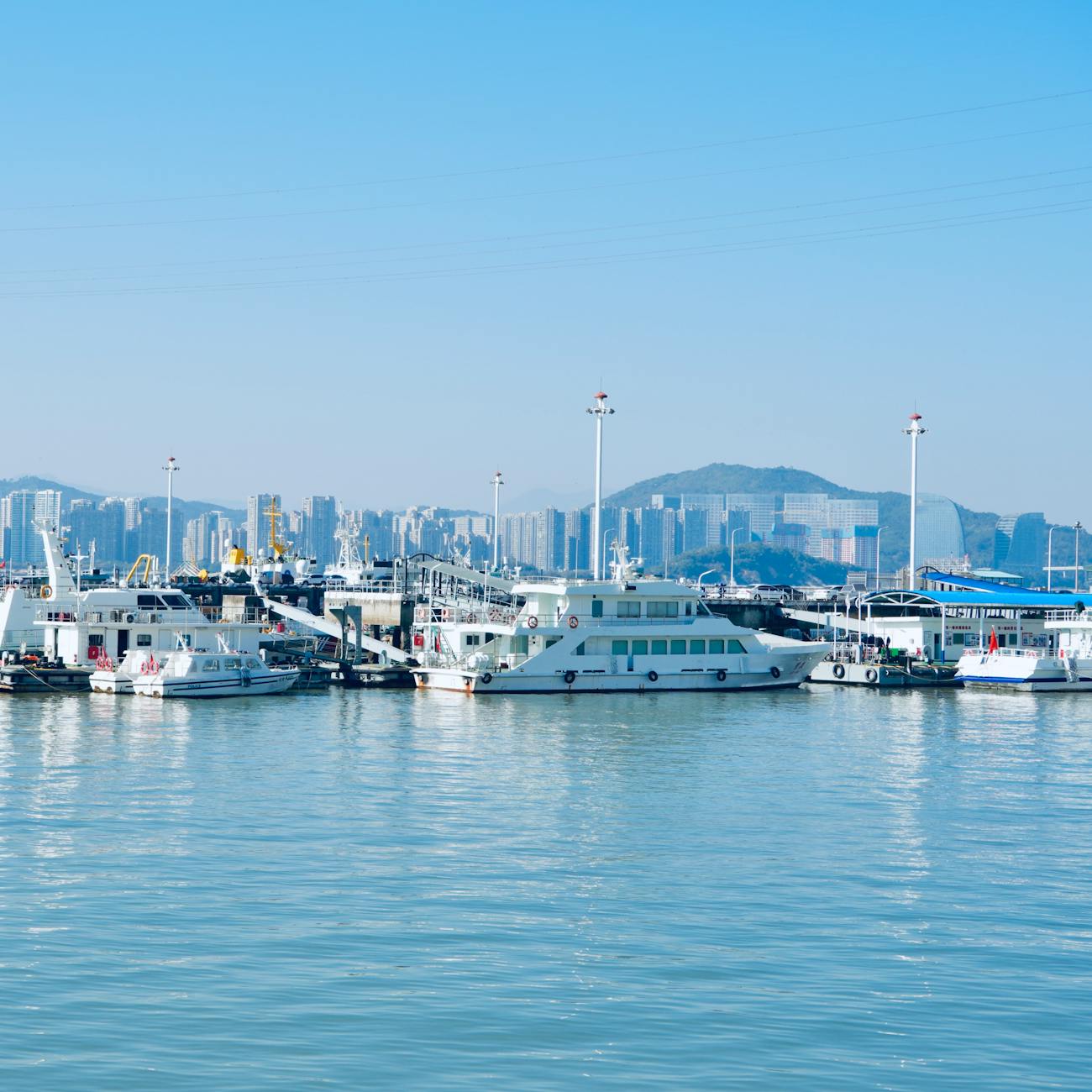
Water quality monitoring is the systematic collection, analysis, and interpretation of data that describe the physical, chemical, and biological characteristics of water bodies. In the context of ports, the focus is on assessing the health of coastal and estuarine waters that are directly influenced by shipping activities, cargo handling, dredging, and shoreline development. Understanding the terminology used in this field is essential for professionals who must design monitoring programs, interpret results, and implement management actions that protect marine ecosystems and comply with regulatory requirements.
Physical parameters provide the first line of insight into the condition of a water body. Temperature influences the solubility of gases, metabolic rates of organisms, and stratification patterns that affect nutrient distribution. For example, a sudden rise in surface water temperature during a summer heat wave can reduce dissolved oxygen levels, creating stress for fish and invertebrates. Salinity measures the concentration of dissolved salts, typically expressed in practical salinity units (PSU) or parts per thousand (‰). Ports that receive freshwater runoff from rivers may experience rapid salinity fluctuations, which can alter the composition of plankton communities and affect the suitability of habitats for marine species. Turbidity quantifies the cloudiness of water caused by suspended particles. High turbidity values, often measured in nephelometric turbidity units (NTU), can impair light penetration, reducing photosynthetic activity of submerged aquatic vegetation. In practice, a port may monitor turbidity during dredging operations to ensure that sediment resuspension does not exceed prescribed limits. Conductivity reflects the water’s ability to conduct electricity, which is directly related to the concentration of dissolved ions. Elevated conductivity can indicate inputs of industrial effluents or seawater intrusion into freshwater zones. Finally, total suspended solids (TSS) represent the mass of particles larger than 2 µm per unit volume and are commonly expressed in milligrams per litre (mg L⁻¹). Regular TSS measurements help track sediment loads associated with stormwater discharge and shoreline erosion.
Chemical parameters are central to water quality assessment because they reveal the presence of substances that can be toxic, eutrophic, or otherwise detrimental to aquatic life and human health. Dissolved oxygen (DO) is perhaps the most widely used indicator of water quality. It is measured in milligrams per litre (mg L⁻¹) and is essential for the respiration of aerobic organisms. Low DO levels, often termed hypoxia, can result from excessive organic matter decomposition, which consumes oxygen. In a port setting, high biochemical oxygen demand (BOD) values may signal the discharge of untreated sewage or industrial wastewater. BOD is measured over a five‑day incubation period at 20 °C and reflects the amount of oxygen required for microbial degradation of organic pollutants. Complementary to BOD, the chemical oxygen demand (COD) quantifies the total amount of oxygen needed to chemically oxidize both organic and inorganic substances, providing a broader view of pollutant load.
Nutrients are a major focus of monitoring because they drive eutrophication, a process that leads to excessive algal growth and subsequent oxygen depletion. The primary nutrients of concern are nitrogen and phosphorus. Ammonia (NH₃) and its ionised form ammonium (NH₄⁺) are measured as total ammonia nitrogen (TAN). Ammonia is toxic to fish at concentrations above certain thresholds, especially at higher pH values where the un‑ionised form predominates. Nitrate (NO₃⁻) and nitrite (NO₂⁻) form the dissolved inorganic nitrogen (DIN) pool, while total nitrogen (TN) includes organic nitrogen compounds. Elevated DIN can stimulate phytoplankton blooms, which may later decay and cause hypoxic events. Phosphorus is typically monitored as orthophosphate (PO₄³⁻), the most bioavailable form. Total phosphorus (TP) encompasses both dissolved and particulate forms. In port environments, runoff from fertilised green spaces and leakage from cargo containing phosphates can increase TP concentrations.
Heavy metals are another critical group of contaminants because of their persistence, bioaccumulation potential, and toxicity. Commonly monitored metals include lead (Pb), mercury (Hg), cadmium (Cd), zinc (Zn), and copper (Cu). These elements are often measured in micrograms per litre (µg L⁻¹) using techniques such as atomic absorption spectroscopy (AAS) or inductively coupled plasma mass spectrometry (ICP‑MS). For instance, a port located near a ship‑building yard may detect elevated copper levels owing to anti‑fouling paint leaching. The presence of mercury, even at low concentrations, is of particular concern because it can be transformed into methylmercury, a neurotoxic compound that bioaccumulates up the food chain.
Petroleum‑derived compounds are ubiquitous in maritime environments due to the handling of fuel oil, lubricants, and cargoes such as crude oil. Monitoring includes total petroleum hydrocarbons (TPH), which represent the sum of all hydrocarbon fractions, and more specific markers such as polycyclic aromatic hydrocarbons (PAHs). PAHs consist of fused aromatic rings and are known for their carcinogenic and mutagenic properties. Analytical methods often involve gas chromatography coupled with mass spectrometry (GC‑MS). A practical example is the routine analysis of water samples near a berth where oil transfer operations occur; spikes in TPH or PAH concentrations can trigger immediate containment and remediation actions.
Microbial indicators are essential for assessing the potential health risks associated with waterborne pathogens. The most widely used indicators are fecal coliforms and Escherichia coli (E. Coli), which reflect recent sewage contamination. These indicators are measured in colony‑forming units per 100 mL (CFU 100 mL⁻¹) using membrane filtration or defined‑substrate methods. A sudden increase in E. Coli counts after a heavy rain event may indicate combined sewer overflow (CSO) discharges entering the port’s waterway. In addition to bacterial indicators, viral pathogens such as norovirus and hepatitis A virus are increasingly monitored using molecular techniques like quantitative polymerase chain reaction (qPCR). Although these methods are more resource‑intensive, they provide early warning of disease outbreaks that could affect port workers and nearby communities.
Biological metrics complement chemical and physical data by reflecting the response of living organisms to environmental stressors. Macroinvertebrate assemblages are frequently used as bioindicators because many species have well‑documented tolerance ranges for pollutants. Sampling involves collecting benthic organisms with a grab sampler or a kick‑net, followed by identification to the family or genus level. The resulting data are analysed using indices such as the Biological Monitoring Working Party (BMWP) score or the Average Score Per Taxon (ASPT). High BMWP values generally indicate good water quality, while low values suggest degradation. Phytoplankton communities, characterised by the concentration of chlorophyll‑a, provide insight into primary productivity and nutrient status. Elevated chlorophyll‑a levels often precede harmful algal blooms (HABs), which can produce toxins harmful to marine life and humans. Monitoring HABs may involve microscopic identification of toxin‑producing genera such as Alexandrium or Karenia, as well as toxin quantification using enzyme‑linked immunosorbent assay (ELISA) or liquid chromatography‑tandem mass spectrometry (LC‑MS/MS).
The term total maximum daily load (TMDL) refers to a regulatory construct that defines the maximum amount of a pollutant that a water body can receive while still meeting water‑quality standards. TMDLs are derived from a combination of monitoring data, modelling, and stakeholder input. In a port context, a TMDL may be established for nutrients to control eutrophication in an adjacent estuary. The TMDL then informs the allocation of discharge permits, which specify the allowable pollutant concentrations for individual sources such as ship‑generated wastewater, stormwater outfalls, and industrial effluents.
Best management practices (BMPs) are operational or structural measures designed to reduce pollutant loads before they enter the water body. Examples include the installation of oil‑water separators in bilge pump systems, the use of vegetated swales to treat stormwater runoff, and the implementation of closed‑loop cooling systems that minimise thermal discharge. BMPs are often evaluated through pilot studies that compare water‑quality parameters before and after implementation, providing evidence of effectiveness and informing scaling decisions.
The concept of integrated water resources management (IWRM) emphasises the coordinated development and management of water, land, and related resources to maximise economic and social welfare without compromising ecosystem sustainability. IWRM promotes cross‑sector collaboration among port authorities, shipping companies, local municipalities, and environmental agencies. A practical illustration is the joint development of a watershed‑wide monitoring network that captures both upstream river inputs and downstream marine impacts, enabling comprehensive assessment of cumulative stressors.
Monitoring programmes rely on well‑defined sampling strategies to generate representative data. Grab sampling involves collecting a single water sample at a specific time and location, suitable for parameters that are relatively stable or for spot checks during incident response. In contrast, composite sampling aggregates multiple grab samples over a defined period (e.G., 24 Hours) to capture temporal variability, which is particularly useful for parameters such as BOD that are influenced by diurnal fluctuations. Automatic samplers can be programmed to collect samples at preset intervals or in response to trigger events such as a rise in turbidity, ensuring consistent data collection even when personnel are unavailable.
In‑situ sensors provide real‑time monitoring capabilities that are increasingly valuable for rapid decision‑making. Multi‑parameter sondes can measure temperature, conductivity, DO, pH, and turbidity simultaneously, transmitting data via telemetry to a central database. Emerging technologies such as optical dissolved oxygen sensors and fluorometric chlorophyll‑a probes offer improved accuracy and lower maintenance requirements compared to traditional electrochemical or pigment extraction methods. Remote sensing platforms, including satellite imagery and aerial drones, extend monitoring coverage to larger spatial scales. For example, satellite‑derived chlorophyll‑a maps can identify algal bloom hotspots across a port’s jurisdiction, prompting targeted field investigations.
The reliability of monitoring data hinges on robust quality assurance/quality control (QA/QC) procedures. Field blanks, duplicate samples, and spike recoveries are routinely employed to assess contamination, precision, and analytical accuracy. The detection limit (DL) and limit of quantification (LOQ)
Data management involves the establishment of data quality objectives (DQOs), which articulate the intended use of the data, acceptable levels of uncertainty, and necessary analytical precision. A well‑structured DQO framework guides the selection of sampling frequency, analytical methods, and statistical treatment, ensuring that the resulting dataset meets the needs of decision‑makers. Statistical tools such as trend analysis, principal component analysis (PCA), and non‑parametric tests are employed to detect significant changes over time, identify pollutant sources, and evaluate the effectiveness of management interventions.
Regulatory frameworks provide the legal basis for water‑quality protection. Internationally, the International Maritime Organization (IMO) regulates ship‑generated waste through the Marpol Annex V convention, which sets limits on oil‑containing discharges and requires the use of approved treatment systems. Nationally, environmental statutes often establish water‑quality standards that define acceptable concentrations for specific pollutants. Compliance with these standards is verified through regular monitoring and reporting, and non‑compliance can result in penalties, permit revocation, or mandated remediation.
The process of environmental impact assessment (EIA) integrates water‑quality considerations into the planning phase of port development projects. An EIA typically includes baseline monitoring to characterise existing conditions, predictive modelling to estimate potential impacts, and the identification of mitigation measures. For instance, before constructing a new container terminal, an EIA would evaluate how increased impervious surface area might elevate stormwater runoff volumes and pollutant loads, leading to recommendations such as the incorporation of permeable paving and retention basins.
Mitigation and remediation strategies are applied when monitoring reveals that water quality has deteriorated beyond acceptable limits. Constructed wetlands are engineered ecosystems that use vegetation, soil, and microbial processes to remove nutrients, suspended solids, and metals from runoff. Their design can be tailored to specific pollutant profiles, making them an effective BMP for ports located in nutrient‑sensitive coastal zones. Physical removal techniques, such as skimming of oil slicks or dredging of contaminated sediments, are employed when immediate reduction of pollutant mass is required. However, dredging itself can resuspend contaminants, so careful planning and the use of silt curtains are essential to minimise secondary impacts.
The concept of combined sewer overflow (CSO) illustrates the challenge of managing legacy infrastructure in rapidly urbanising port cities. During heavy rainfall, CSOs release untreated sewage mixed with stormwater directly into receiving waters, often causing spikes in fecal coliforms and nutrient concentrations. Mitigation options include the construction of additional storage capacity, the separation of sanitary and stormwater systems, and the implementation of real‑time control (RTC) systems that optimise flow routing based on forecasted weather events.
A growing concern for port sustainability is the management of ballast water, which can transport invasive species across ocean basins. The Ballast Water Management Convention mandates the treatment of ballast water to achieve a 99.9 % Reduction of viable organisms and a 99.9 % Reduction of viable zooplankton. Monitoring compliance involves sampling ballast water before and after treatment, followed by laboratory analysis using microscopy or molecular methods. Failure to meet the standards can lead to the introduction of non‑native species that disrupt local ecosystems and alter water‑quality dynamics.
The term non‑point source pollution refers to diffuse inputs that are not traceable to a single discharge point, such as runoff from paved surfaces, agricultural fields, and eroding shorelines. In ports, non‑point sources often dominate the nutrient and sediment load, particularly during storm events. Managing non‑point source pollution requires a landscape‑scale approach, incorporating green infrastructure elements like vegetated buffers, rain gardens, and permeable pavements that intercept and treat runoff before it reaches the water body.
Climate change adds an additional layer of complexity to water‑quality monitoring and management. Rising sea levels can alter salinity regimes, increase the frequency of saltwater intrusion into freshwater habitats, and exacerbate the impacts of storm surges on port infrastructure. Elevated atmospheric temperatures may promote more frequent and intense algal blooms, while changes in precipitation patterns can amplify both drought and flood conditions, affecting pollutant transport pathways. Adaptive management frameworks that incorporate climate projections into monitoring design are therefore essential for long‑term resilience.
Stakeholder engagement is a pivotal component of successful water‑quality programs. Port authorities must collaborate with shipping companies, local communities, environmental NGOs, and regulatory agencies to develop monitoring objectives that reflect shared values and priorities. Publicly accessible dashboards that visualise real‑time sensor data can foster transparency and trust, while participatory monitoring initiatives involving citizen scientists can supplement formal data collection and raise awareness.
One of the notable challenges in water‑quality monitoring is the need to balance analytical precision with operational feasibility. High‑resolution analytical techniques such as LC‑MS/MS provide unparalleled sensitivity for emerging contaminants like pharmaceuticals and personal care products, yet they require specialised laboratories, skilled personnel, and significant costs. Consequently, many ports adopt a tiered approach: Routine screening of core parameters using field‑deployable kits, supplemented by periodic in‑depth analyses of selected contaminants when trends or incidents warrant further investigation.
Another practical challenge is the temporal and spatial heterogeneity of water‑quality parameters. For instance, DO concentrations can vary dramatically over short distances due to stratification, while pollutant concentrations may spike at the onset of a storm and then decay rapidly. Designing a monitoring program that captures these dynamics involves selecting appropriate sampling frequencies, deploying sensor networks at strategic locations, and employing statistical methods that account for autocorrelation and variability.
Data integration across multiple monitoring platforms and agencies presents both an opportunity and a hurdle. Harmonising data formats, units, and quality standards enables the creation of comprehensive databases that support advanced analytics, such as machine‑learning models that predict pollutant spikes based on meteorological and operational variables. However, achieving interoperability often requires investment in data management infrastructure, the establishment of common protocols, and ongoing coordination among disparate stakeholders.
The concept of risk assessment is integral to translating monitoring data into actionable management decisions. Risk assessment frameworks combine exposure information (e.G., Contaminant concentrations, duration of exposure) with toxicity data (e.G., LC₅₀, NOEC values) to estimate the likelihood of adverse effects on target organisms or human health. In a port setting, a risk assessment might evaluate the potential impact of a chronic low‑level mercury exposure on local fish populations, informing the need for remediation or stricter discharge limits.
Finally, the principle of continuous improvement underpins the evolution of water‑quality monitoring and management. Regular review of monitoring outcomes, assessment of BMP effectiveness, and incorporation of new scientific knowledge ensure that port operations remain aligned with environmental objectives and regulatory expectations. By fostering a culture of learning and adaptation, ports can enhance their sustainability performance while safeguarding the health of the marine environment upon which they depend.
Key takeaways
- Understanding the terminology used in this field is essential for professionals who must design monitoring programs, interpret results, and implement management actions that protect marine ecosystems and comply with regulatory requirements.
- Ports that receive freshwater runoff from rivers may experience rapid salinity fluctuations, which can alter the composition of plankton communities and affect the suitability of habitats for marine species.
- Complementary to BOD, the chemical oxygen demand (COD) quantifies the total amount of oxygen needed to chemically oxidize both organic and inorganic substances, providing a broader view of pollutant load.
- Nitrate (NO₃⁻) and nitrite (NO₂⁻) form the dissolved inorganic nitrogen (DIN) pool, while total nitrogen (TN) includes organic nitrogen compounds.
- The presence of mercury, even at low concentrations, is of particular concern because it can be transformed into methylmercury, a neurotoxic compound that bioaccumulates up the food chain.
- A practical example is the routine analysis of water samples near a berth where oil transfer operations occur; spikes in TPH or PAH concentrations can trigger immediate containment and remediation actions.
- In addition to bacterial indicators, viral pathogens such as norovirus and hepatitis A virus are increasingly monitored using molecular techniques like quantitative polymerase chain reaction (qPCR).