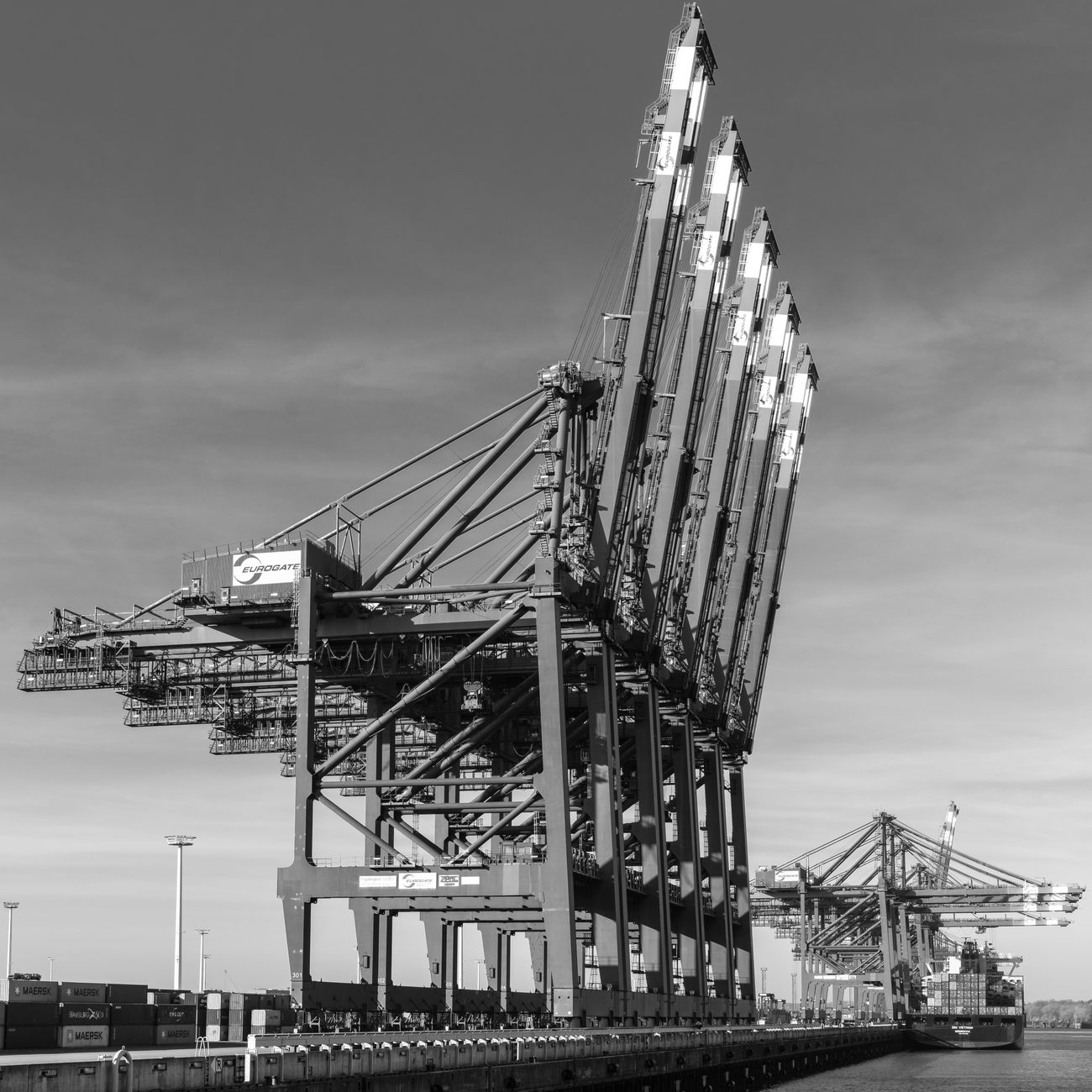
Waste Management and Recycling in Ports
Waste management and recycling in ports are critical components of port sustainability and environmental management, as they directly impact the environmental and health of port workers, surrounding communities, and the overall ecosystem . …
Waste management and recycling in ports are critical components of port sustainability and environmental management, as they directly impact the environmental and health of port workers, surrounding communities, and the overall ecosystem. Effective waste management and recycling practices in ports can significantly reduce the environmental footprint of port operations, minimize pollution, and promote sustainable development.
The management of waste in ports involves the collection, transportation, and disposal of various types of waste, including hazardous waste, non-hazardous waste, and recyclable materials. Port waste management also encompasses the implementation of waste reduction and waste minimization strategies, such as reducing packaging waste, promoting recycling, and encouraging the use of reusable containers.
One of the key challenges in port waste management is the identification and classification of different types of waste, as this determines the most appropriate method of disposal or recycling. For example, hazardous waste, such as chemicals and pesticides, requires specialized handling and disposal procedures to prevent environmental contamination and health risks.
In contrast, non-hazardous waste, such as paper and cardboard, can be recycled or composted to reduce the amount of waste sent to landfills. The implementation of effective waste management practices in ports also requires the collaboration and coordination of various stakeholders, including port authorities, terminal operators, and shipping lines.
Recycling in ports is another critical aspect of waste management, as it helps to conserves natural resources, reduces waste sent to landfills, and decreases the environmental impacts of port operations. Common recyclable materials in ports include metals, such as aluminum and steel, paper and cardboard, and plastics, such as PET and HDPE.
The recycling process in ports typically involves the collection and sorting of recyclable materials, followed by the processing and transforming of these materials into new products. For example, aluminum cans can be recycled into new aluminum products, such as beverage cans or automotive parts.
However, the implementation of effective recycling programs in ports can be challenging due to the complexity of port operations and the lack of standardization in waste management practices. Additionally, the cost of implementing and maintaining recycling programs can be a barrier for some ports, particularly smaller ports with limited resources.
To overcome these challenges, ports can adopt sustainable waste management and recycling practices, such as implementing waste-to-energy programs, promoting recycling and reusing of materials, and investing in new technologies and infrastructure. For example, some ports have implemented waste-to-energy programs, which involve the conversion of waste into energy, such as heat or electricity.
This approach can help to reduce the amount of waste sent to landfills and decrease the environmental impacts of port operations. Furthermore, ports can also benefit from collaborating with other ports and stakeholders to share best practices and knowledge on sustainable waste management and recycling.
The role of technology in port waste management and recycling cannot be overemphasized, as it has the potential to transform the way ports manage and recycle waste. For example, digital technologies, such as artificial intelligence and internet of things, can be used to monitor and track waste management practices in real-time, identify areas for improvement, and optimize waste collection and recycling routes.
Additionally, new technologies, such as biodegradable materials and advanced recycling technologies, can help to reduce the environmental impacts of port operations and increase the efficiency of waste management and recycling practices. However, the adoption of these technologies can be challenging due to the high cost of implementation and the need for significant investments in infrastructure and training.
The importance of regulatory frameworks in port waste management and recycling cannot be overstated, as they provide the foundation for effective waste management and recycling practices. Regulations and standards can help to ensure that ports comply with environmental and health regulations, reduce the risk of environmental pollution, and promote sustainable development.
For example, the International Maritime Organization (IMO) has implemented regulations to reduce marine pollution from ships, including waste management and recycling practices. Additionally, the European Union has established directives and regulations to promote sustainable waste management and recycling practices in ports, including the Waste Framework Directive and the Port Reception Facilities Directive.
The implementation of effective waste management and recycling practices in ports requires the collaboration and coordination of various stakeholders, including port authorities, terminal operators, shipping lines, and waste management companies. Stakeholder engagement and participation are critical to ensuring that waste management and recycling practices are effective, efficient, and sustainable.
For example, ports can establish waste management committees or working groups to bring together stakeholders and discuss waste management and recycling issues, share best practices, and identify areas for improvement. Additionally, ports can conduct stakeholder engagement and consultation processes to ensure that waste management and recycling practices are transparent, accountable, and responsive to the needs of stakeholders.
The economic benefits of effective waste management and recycling practices in ports cannot be overemphasized, as they can help to reduce costs, increase efficiency, and promote sustainable development. For example, recycling can help to conserves natural resources, reduce the need for landfills, and decrease the environmental impacts of port operations.
Additionally, effective waste management and recycling practices can help to reduce liability and risk associated with environmental pollution and non-compliance with regulations. Furthermore, ports can also benefit from revenue generated from the sale of recyclable materials, such as metals and paper.
However, the implementation of effective waste management and recycling practices in ports can also have challenges and barriers, such as the high cost of implementation, the need for significant investments in infrastructure and training, and the lack of standardization in waste management practices. Additionally, ports may also face challenges in engaging and participating stakeholders, particularly small and medium-sized enterprises, in waste management and recycling practices.
To overcome these challenges, ports can adopt strategic approaches to waste management and recycling, such as conducting waste audits and waste assessments to identify areas for improvement, developing waste management plans and strategies to reduce waste and increase recycling, and investing in new technologies and infrastructure to improve waste management and recycling practices.
Furthermore, ports can also benefit from collaborating with other ports and stakeholders to share best practices and knowledge on waste management and recycling, and to develop standardized approaches to waste management and recycling. The future of waste management and recycling in ports is promising, with new technologies and innovations emerging to transform the way ports manage and recycle waste.
For example, the use of artificial intelligence and machine learning can help to optimize waste collection and recycling routes, predict waste generation and composition, and identify areas for improvement. Additionally, the development of new materials and products made from recycled materials can help to increase the demand for recyclable materials and promote sustainable consumption and production patterns.
However, the implementation of these new technologies and innovations will require significant investments in research and development, as well as training and capacity building for port stakeholders. Furthermore, ports will also need to address the social and environmental impacts of these new technologies and innovations, such as the potential for job displacement and the need for new infrastructure and facilities.
In conclusion, waste management and recycling in ports are critical components of port sustainability and environmental management, and require the collaboration and coordination of various stakeholders, including port authorities, terminal operators, shipping lines, and waste management companies. The implementation of effective waste management and recycling practices in ports can help to reduce costs, increase efficiency, and promote sustainable development, but will require significant investments in infrastructure and training, as well as standardization in waste management practices.
The future of waste management and recycling in ports is promising, with new technologies and innovations emerging to transform the way ports manage and recycle waste, but will require careful planning and implementation to address the social and environmental impacts of these new technologies and innovations. The role of regulatory frameworks, stakeholder engagement, and economic incentives will be critical in promoting sustainable waste management and recycling practices in ports, and ensuring that the environmental, social, and economic benefits of these practices are realized.
The importance of education and training in promoting sustainable waste management and recycling practices in ports cannot be overemphasized, as they help to build capacity and awareness among port stakeholders on the importance of sustainable waste management and recycling practices. Education and training programs can help to equip port stakeholders with the knowledge and skills needed to implement effective waste management and recycling practices, and to address the challenges and barriers associated with these practices.
For example, education and training programs can help to promote awareness among port stakeholders on the importance of sustainable waste management and recycling practices, and to build capacity among port stakeholders to implement these practices. Additionally, education and training programs can help to equip port stakeholders with the knowledge and skills needed to identify and mitigate the risks associated with environmental pollution and non-compliance with regulations.
The role of research and development in promoting sustainable waste management and recycling practices in ports is also critical, as it helps to identify and develop new technologies and innovations that can transform the way ports manage and recycle waste. Research and development can help to address the challenges and barriers associated with waste management and recycling practices in ports, and to identify opportunities for improvement and innovation.
For example, research and development can help to develop new materials and products made from recycled materials, and to improve the efficiency and effectiveness of waste management and recycling practices in ports. Additionally, research and development can help to identify and mitigate the risks associated with environmental pollution and non-compliance with regulations, and to promote sustainable waste management and recycling practices in ports.
The importance of international cooperation in promoting sustainable waste management and recycling practices in ports cannot be overemphasized, as it helps to share best practices and knowledge on waste management and recycling, and to address the challenges and barriers associated with these practices. International cooperation can help to promote sustainable waste management and recycling practices in ports, and to ensure that the environmental, social, and economic benefits of these practices are realized.
For example, international cooperation can help to develop standardized approaches to waste management and recycling in ports, and to share best practices and knowledge on waste management and recycling. Additionally, international cooperation can help to address the challenges and barriers associated with waste management and recycling practices in ports, and to identify opportunities for improvement and innovation.
The importance of port community involvement in promoting sustainable waste management and recycling practices in ports cannot be overemphasized, as it helps to build awareness and support for these practices among port stakeholders. Port community involvement can help to promote sustainable waste management and recycling practices in ports, and to ensure that the environmental, social, and economic benefits of these practices are realized.
For example, port community involvement can help to develop education and training programs that promote awareness and support for sustainable waste management and recycling practices in ports. Additionally, port community involvement can help to identify and mitigate the risks associated with environmental pollution and non-compliance with regulations, and to promote sustainable waste management and recycling practices in ports.
The challenges and barriers associated with waste management and recycling practices in ports are significant, and require the collaboration and coordination of various stakeholders to address them. The implementation of effective waste management and recycling practices in ports requires significant investments in infrastructure and training, as well as standardization in waste management practices.
However, the benefits of sustainable waste management and recycling practices in ports are numerous, and include the reduction of costs, the increase of efficiency, and the promotion of sustainable development. The future of waste management and recycling in ports is promising, with new technologies and innovations emerging to transform the way ports manage and recycle waste.
The role of regulatory frameworks, stakeholder engagement, and economic incentives will be critical in promoting sustainable waste management and recycling practices in ports, and ensuring that the environmental, social, and economic benefits of these practices are realized. The importance of education and training in promoting sustainable waste management and recycling practices in ports cannot be overemphasized, as they help to build capacity and awareness among port stakeholders on the importance of sustainable waste management and recycling practices.
The importance of research and development in promoting sustainable waste management and recycling practices in ports is also critical, as it helps to identify and develop new technologies and innovations that can transform the way ports manage and recycle waste. The importance of international cooperation in promoting sustainable waste management and recycling practices in ports cannot be overemphasized, as it helps to share best practices and knowledge on waste management and recycling, and to address the challenges and barriers associated with these practices.
The importance of port community involvement in promoting sustainable waste management and recycling practices in ports cannot be overemphasized, as it helps to build awareness and support for these practices among port stakeholders. The challenges and barriers associated with waste management and recycling practices in ports are significant, and require the collaboration and coordination of various stakeholders to address them.
The benefits of sustainable waste management and recycling practices in ports are numerous, and include the reduction of costs, the increase of efficiency, and the promotion of sustainable development. The future of waste management and recycling in ports is promising, with new technologies and innovations emerging to transform the way ports manage and recycle waste.
The implementation of effective waste management and recycling practices in ports requires the collaboration and coordination of various stakeholders, including port authorities, terminal operators, shipping lines, and waste management companies. The role of regulatory frameworks, stakeholder engagement, and economic incentives will be critical in promoting sustainable waste management and recycling practices in ports, and ensuring that the environmental, social, and economic benefits of these practices are realized.
The importance of education and training in promoting sustainable waste management and recycling practices in ports cannot be overemphasized, as they help to build capacity and awareness among port stakeholders on the importance of sustainable waste management and recycling practices. The importance of research and development in promoting sustainable waste management and recycling practices in ports is also critical, as it helps to identify and develop new technologies and innovations that can transform the way ports manage and recycle waste.
The importance of international cooperation in promoting sustainable waste management and recycling practices in ports cannot be overemphasized, as it helps to share best practices and knowledge on waste management and recycling, and to address the challenges and barriers associated with these practices. The importance of port community involvement in promoting sustainable waste management and recycling practices in ports cannot be overemphasized, as it helps to build awareness and support for these practices among port stakeholders.
The challenges and barriers associated with waste management and recycling practices in ports are significant, and require the collaboration and coordination of various stakeholders to address them. The benefits of sustainable waste management and recycling practices in ports are numerous, and include the reduction of costs, the increase of efficiency, and the promotion of sustainable development.
The future of waste management and recycling in ports is promising, with new technologies and innovations emerging to transform the way ports manage and recycle waste. The implementation of effective waste management and recycling practices in ports requires the collaboration and coordination of various stakeholders, including port authorities, terminal operators, shipping lines, and waste management companies.
The role of regulatory frameworks, stakeholder engagement, and economic incentives will be critical in promoting sustainable waste management and recycling practices in ports, and ensuring that the environmental, social, and economic benefits of these practices are realized. The importance of education and training in promoting sustainable waste management and recycling practices in ports cannot be overemphasized, as they help to build capacity and awareness among port stakeholders on the importance of sustainable waste management and recycling practices.
The importance of research and development in promoting sustainable waste management and recycling practices in ports is also critical, as it helps to identify and develop new technologies and innovations that can transform the way ports manage and recycle waste. The importance of international cooperation in promoting sustainable waste management and recycling practices in ports cannot be overemphasized, as it helps to share best practices and knowledge on waste management and recycling, and to address the challenges and barriers associated with these practices.
The importance of port community involvement in promoting sustainable waste management and recycling practices in ports cannot be overemphasized, as it helps to build awareness and support for these practices among port stakeholders. The challenges and barriers associated with waste management and recycling practices in ports are significant, and require the collaboration and coordination of various stakeholders to address them.
The benefits of sustainable waste management and recycling practices in ports are numerous, and include the reduction of costs, the increase of efficiency,
Key takeaways
- Effective waste management and recycling practices in ports can significantly reduce the environmental footprint of port operations, minimize pollution, and promote sustainable development.
- The management of waste in ports involves the collection, transportation, and disposal of various types of waste, including hazardous waste, non-hazardous waste, and recyclable materials.
- For example, hazardous waste, such as chemicals and pesticides, requires specialized handling and disposal procedures to prevent environmental contamination and health risks.
- In contrast, non-hazardous waste, such as paper and cardboard, can be recycled or composted to reduce the amount of waste sent to landfills.
- Recycling in ports is another critical aspect of waste management, as it helps to conserves natural resources, reduces waste sent to landfills, and decreases the environmental impacts of port operations.
- The recycling process in ports typically involves the collection and sorting of recyclable materials, followed by the processing and transforming of these materials into new products.
- However, the implementation of effective recycling programs in ports can be challenging due to the complexity of port operations and the lack of standardization in waste management practices.