
Resilience Planning for Climate Change
Adaptive Capacity refers to the ability of a port system to adjust to climate stresses, to moderate potential damages, and to take advantage of opportunities that arise from climate change. In practice, adaptive capacity can be enhanced thr…
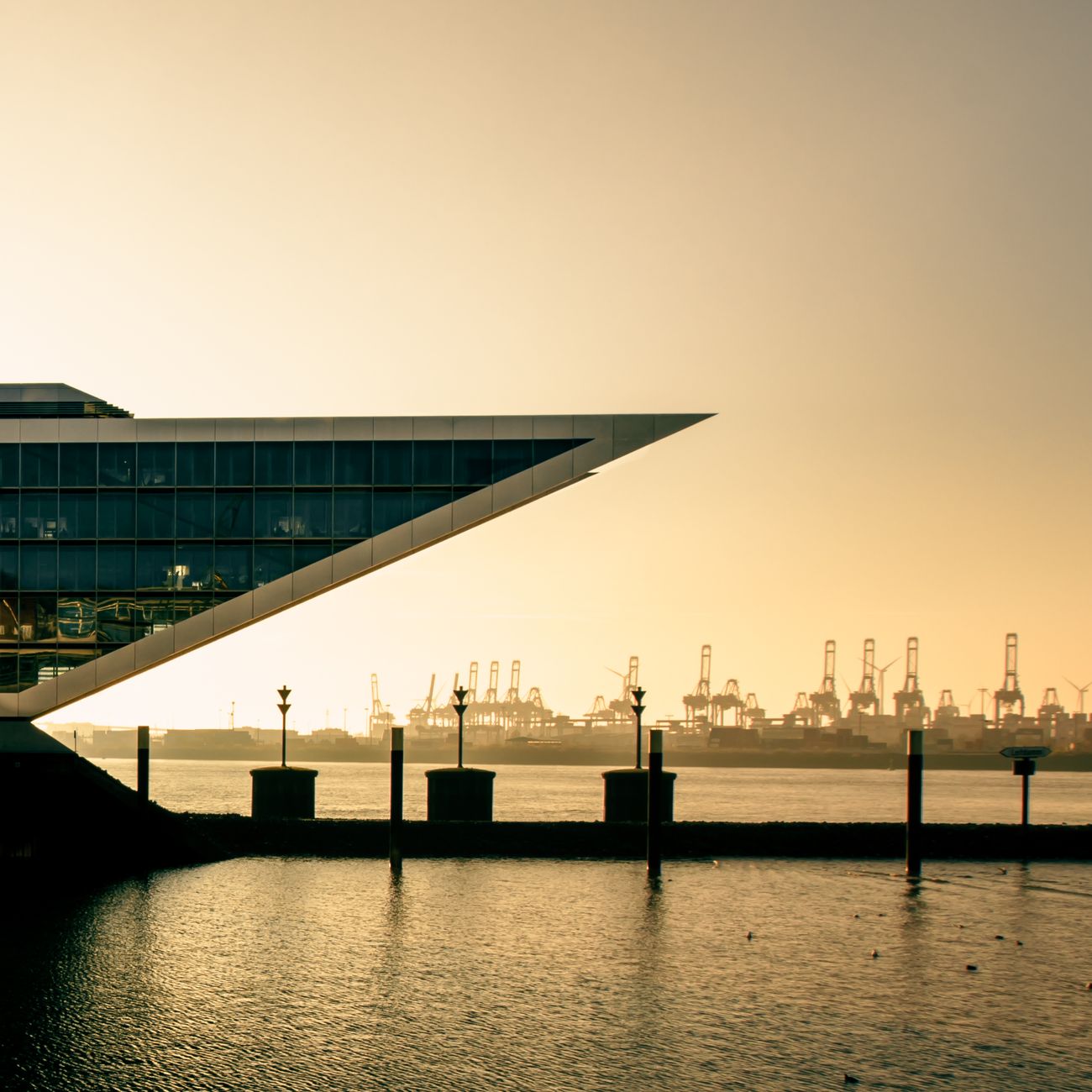
Adaptive Capacity refers to the ability of a port system to adjust to climate stresses, to moderate potential damages, and to take advantage of opportunities that arise from climate change. In practice, adaptive capacity can be enhanced through investments in flexible infrastructure, staff training, and the development of contingency plans. For example, a container terminal that installs modular quay walls can replace or reconfigure sections more easily when sea‑level rise alters docking conditions. Challenges to building adaptive capacity include limited financial resources, institutional inertia, and the difficulty of forecasting long‑term climate trends with precision. Effective adaptive capacity requires an integrated approach that combines engineering solutions with policy reforms and stakeholder engagement.
Vulnerability is the degree to which a port’s assets, operations, and communities are susceptible to damage from climate hazards. A vulnerability assessment typically examines exposure to hazards, sensitivity of assets, and existing adaptive capacity. For instance, a port located in a low‑lying delta may be highly vulnerable to storm surge because its warehouses are close to the waterline, the ground is prone to subsidence, and the current flood defenses are outdated. Reducing vulnerability often involves retrofitting infrastructure, relocating critical equipment to higher ground, and improving drainage systems. However, accurately measuring vulnerability can be hampered by data gaps, especially in regions where historical climate records are sparse.
Exposure describes the presence of port elements—such as berths, cargo handling equipment, fuel storage tanks, and personnel—in zones that may be affected by climate hazards. Mapping exposure requires geographic information system (GIS) tools that overlay hazard layers (e.G., Projected sea‑level rise maps) with asset locations. A practical application is the creation of an exposure matrix that ranks each asset by the frequency and intensity of the hazards it may encounter. One challenge is that exposure is not static; as climate patterns shift, areas previously considered safe may become high‑risk zones, necessitating continuous monitoring and updates.
Resilience is the capacity of a port to absorb, recover, and adapt to climate‑related disruptions while maintaining essential functions. Resilience is built through a combination of physical, institutional, and social measures. A resilient port might employ a dual‑purpose flood barrier that can be lowered during normal conditions to allow tidal flushing, but raised during extreme events to protect the hinterland. The concept of resilience also encompasses the ability to resume operations quickly after a disruption, which can be supported by redundant power supplies, backup communication networks, and pre‑positioned spare parts. Implementing resilience strategies often encounters trade‑offs between short‑term costs and long‑term benefits, requiring robust cost‑benefit analyses.
Climate Risk Assessment is a systematic process that identifies, quantifies, and prioritizes climate‑related risks to port operations. The assessment typically follows several steps: Hazard identification, exposure analysis, vulnerability evaluation, and risk quantification. For example, a risk assessment might calculate the probability of a 1‑meter sea‑level rise by 2050 and estimate the resulting economic loss due to cargo delays and infrastructure damage. Practical tools include probabilistic models, scenario analysis, and stakeholder workshops. A major challenge is incorporating uncertainty into the assessment, as climate projections often have wide confidence intervals, and translating these uncertainties into actionable decisions can be complex.
Sea Level Rise is the long‑term increase in the average height of the ocean’s surface, driven by thermal expansion and melting ice. In ports, sea‑level rise can lead to higher baseline water levels, increased tidal ranges, and more frequent inundation of low‑lying areas. A practical response is the elevation of critical infrastructure, such as raising the deck of a dry dock by a few meters. However, elevating structures can be costly and may interfere with existing navigational clearances. Additionally, sea‑level rise interacts with other hazards like storm surge, amplifying the overall impact and complicating design criteria.
Storm Surge is an abnormal rise in seawater level generated by a storm’s winds and pressure, often coinciding with high tide. Storm surge can inundate port facilities, damage mooring lines, and disrupt cargo handling. An example of mitigation is the construction of surge‑resistant breakwaters that dissipate wave energy before it reaches the shoreline. Designing such structures requires detailed hydrodynamic modeling to predict surge heights under various storm scenarios. The challenge lies in balancing protection with environmental considerations, as hard coastal defenses can alter sediment transport and affect nearby ecosystems.
Floodplain refers to the low‑lying land adjacent to rivers and coastlines that is prone to flooding. Ports often occupy parts of the floodplain because of the natural access to water routes. Managing floodplain risk involves zoning regulations that restrict development in the most vulnerable zones, as well as the implementation of flood‑control measures such as levees and retention basins. A practical application is the use of “green” floodplain buffers—areas of restored wetlands that absorb floodwaters while providing habitat for wildlife. One challenge is reconciling economic pressures to expand port capacity with the need to preserve or restore floodplain functions.
Tidal Dynamics encompass the regular rise and fall of sea level caused by the gravitational forces of the moon and sun. Understanding tidal dynamics is essential for scheduling vessel arrivals, planning dredging activities, and designing berth structures. In practice, ports use tide tables and real‑time tide monitoring systems to optimize berth allocation, reducing the risk of grounding during low tide. However, climate change can modify tidal patterns, for instance through changes in ocean circulation, which may introduce new operational constraints that require adaptive scheduling tools.
Infrastructure Hardening involves strengthening existing physical structures to withstand climate hazards. Typical hardening measures include reinforcing quay walls with additional steel reinforcement, installing corrosion‑resistant coatings on steel components, and upgrading electrical systems to be flood‑proof. For example, a terminal might replace traditional diesel generators with elevated, sealed generator sets that can operate during flood events. While hardening can extend the service life of assets, it often incurs high upfront costs and may not address the root causes of vulnerability, such as exposure to rising sea levels.
Ecosystem‑Based Adaptation leverages natural systems to reduce climate impacts. In a port context, this could mean restoring mangrove forests along the shoreline to act as natural buffers against storm surge and erosion. Mangroves also provide carbon sequestration benefits, supporting broader climate mitigation goals. A practical case is the integration of a mangrove buffer zone that simultaneously protects infrastructure and creates a habitat for fish, enhancing local fisheries. Challenges include land‑use conflicts, the time required for ecosystems to mature, and the need for ongoing management to maintain protective functions.
Green Infrastructure refers to engineered natural solutions that provide environmental benefits while serving functional purposes. Examples include bioswales that treat runoff water, permeable pavement that reduces surface flooding, and vegetated roofs on port administration buildings. Green infrastructure can improve resilience by reducing the volume and speed of stormwater entering the port, thereby lowering flood risk. Implementing such solutions often requires coordination with multiple agencies and adherence to local environmental regulations, which can slow project timelines.
Blue Infrastructure focuses on water‑related natural assets, such as wetlands, coral reefs, and oyster beds, that contribute to climate resilience. In ports, blue infrastructure can be used to attenuate wave energy, improve water quality, and support biodiversity. A practical example is the installation of artificial oyster reefs near a harbor entrance to dampen wave heights and reduce erosion of the quay. The challenge lies in ensuring that these installations do not interfere with navigation channels and that they are maintained over time to retain their protective functions.
Risk Management is the systematic process of identifying, evaluating, and prioritizing risks, followed by coordinated application of resources to minimize, monitor, and control the probability or impact of unfortunate events. In the maritime sector, risk management frameworks often incorporate climate risk as a separate category, requiring specific mitigation strategies. A practical tool is the development of a risk register that lists each identified climate hazard, its likelihood, potential impact, and the mitigation measures in place. One difficulty is aligning risk management processes across multiple stakeholders, including port authorities, shipping companies, and local governments.
Business Continuity Planning (BCP) outlines procedures that enable a port to maintain essential functions during and after a disruptive event. A comprehensive BCP for climate resilience will include backup power systems, alternative transport routes, and pre‑positioned spare parts for critical equipment. For instance, a port may designate an inland logistics hub that can temporarily handle cargo if the main terminal is flooded. Developing a BCP requires detailed scenario analysis and regular drills, which can be resource‑intensive. Maintaining the relevance of the plan over time is also a challenge, as climate threats evolve and operational priorities shift.
Emergency Response encompasses the immediate actions taken to protect life, property, and the environment during a climate‑related incident. In ports, emergency response plans often involve coordination among fire services, coast guard, customs, and private terminal operators. A practical component is the establishment of a command center equipped with real‑time weather monitoring, satellite imagery, and communication links to all relevant parties. Training exercises, such as simulated flood events, help ensure that response protocols are well understood. The main challenges are ensuring clear lines of authority and overcoming language or cultural barriers among diverse stakeholders.
Climate Scenarios are plausible representations of future climate conditions based on varying assumptions about greenhouse gas emissions, socio‑economic development, and policy choices. Port planners use scenarios to test the robustness of designs under different future states. For example, a “high‑emission” scenario may project a 1.5‑Meter sea‑level rise by 2100, while a “low‑emission” scenario predicts a 0.5‑Meter rise. Scenario analysis helps identify “no‑regret” measures that provide benefits across a range of possible futures. The difficulty lies in selecting appropriate scenarios, communicating their uncertainty, and integrating them into decision‑making processes without causing analysis paralysis.
Mitigation refers to actions that reduce the magnitude of climate change, primarily by lowering greenhouse gas emissions. In the port context, mitigation strategies include electrifying cargo handling equipment, promoting the use of low‑sulfur fuels, and implementing shore‑power facilities that allow vessels to turn off diesel generators while at berth. A practical example is the installation of a shore‑power system that can supply up to 10 MW of electricity, enabling large container ships to run on grid electricity instead of onboard engines. Although mitigation reduces the port’s carbon footprint, it may require significant capital investment and coordination with energy providers.
Carbon Footprint quantifies the total greenhouse gas emissions associated with port activities, expressed in carbon dioxide equivalents. Measuring the carbon footprint involves accounting for emissions from diesel‑powered equipment, refrigerated containers, vessel berthing, and associated logistics. A practical tool is the development of an emissions inventory that tracks fuel consumption, electricity use, and waste generation. By identifying the largest sources of emissions, ports can prioritize mitigation actions. One challenge is obtaining accurate data from multiple operators and ensuring that reporting standards are consistent across the supply chain.
Decarbonization is the process of reducing carbon emissions to near‑zero levels, often through a combination of energy efficiency, renewable energy adoption, and carbon capture technologies. In ports, decarbonization pathways may include the deployment of solar panels on rooftops, the use of wind turbines in offshore areas, and the adoption of hydrogen‑fuel‑cell powered forklifts. A real‑world example is a port that has committed to sourcing 100 % of its electricity from renewable sources by 2035, thereby eliminating indirect emissions from its operations. Decarbonization faces barriers such as the high cost of emerging technologies, regulatory uncertainties, and the need for skilled personnel to manage new energy systems.
Port Authority is the governing body responsible for the planning, development, and management of a port’s infrastructure and services. The authority plays a pivotal role in resilience planning by setting strategic priorities, allocating budgets, and enforcing regulations. For instance, a port authority may adopt a resilience policy that mandates all new berth constructions to meet a specified flood‑resilience standard. The authority must also engage with multiple stakeholders, including shipping lines, local communities, and environmental agencies, to ensure cohesive action. Challenges often arise from competing interests, limited funding, and the need to balance commercial objectives with long‑term sustainability goals.
Stakeholder Engagement involves the systematic inclusion of all parties affected by port activities in the planning and decision‑making process. Effective engagement ensures that the perspectives of shippers, labor unions, local residents, and NGOs are considered. A practical method is the formation of a climate resilience advisory committee that meets quarterly to review risk assessments, discuss adaptation options, and monitor progress. The main difficulty is achieving genuine participation rather than token consultation, especially when stakeholders have divergent priorities or limited technical expertise.
Governance refers to the structures, policies, and processes that guide decision‑making and accountability within the port system. Good governance supports resilience by providing clear roles, transparent reporting, and mechanisms for adaptive management. An example of governance in action is the integration of climate resilience objectives into the port’s strategic plan, with performance indicators tracked annually. However, governance can be hindered by fragmented institutional arrangements, where responsibilities for flood protection, environmental regulation, and infrastructure development are spread across multiple agencies, leading to coordination gaps.
Institutional Framework describes the legal, regulatory, and organizational arrangements that shape how resilience actions are implemented. In many jurisdictions, the institutional framework includes national climate adaptation legislation, regional water management policies, and local zoning ordinances. A practical illustration is the alignment of a port’s master plan with a national coastal adaptation strategy, ensuring that investments meet both local and national objectives. Complexities arise when institutional frameworks are outdated, lack clear mandates for climate adaptation, or are not integrated with sector‑specific guidelines, resulting in delays and inefficiencies.
Climate‑Smart Design incorporates climate considerations into the planning and construction of port facilities, ensuring that structures are robust against future climate impacts while minimizing environmental footprints. Features of climate‑smart design may include elevated platforms, flood‑resilient utilities, and the use of durable, low‑maintenance materials. For instance, a new terminal could be designed with a raised deck that accommodates projected sea‑level rise and incorporates solar shading to reduce cooling loads. The challenge is that climate‑smart design often requires interdisciplinary collaboration, longer design cycles, and upfront cost analyses that account for long‑term benefits.
Redundancy is the inclusion of multiple, independent systems that can perform the same function, thereby reducing the risk of total failure. In a port setting, redundancy might involve having two separate power substations, multiple communication networks, and backup water supply lines. Redundant systems enable rapid recovery after a climate event, such as a hurricane that knocks out one power source but leaves another operational. While redundancy improves resilience, it also increases capital and operational expenses, prompting decision‑makers to balance cost against the probability and consequences of failure.
Diversification spreads risk by varying the types of assets, services, and supply chains within a port. Diversification can reduce reliance on a single mode of transport or a single commodity. For example, a port that traditionally handled bulk coal may diversify into handling renewable energy components, thereby reducing exposure to market fluctuations and specific climate‑related disruptions that affect coal production. Implementing diversification strategies may require new infrastructure, workforce training, and market development, all of which can be resource‑intensive and may encounter resistance from established industry players.
Monitoring and Evaluation (M&E) is the systematic process of tracking the performance of resilience measures and assessing their effectiveness over time. An M&E framework typically includes indicators such as the frequency of flooding incidents, downtime of critical equipment, and the volume of cargo handled during extreme weather events. Practical tools include real‑time sensor networks that monitor water levels, structural strain gauges on quay walls, and dashboards that visualize key performance metrics. One of the principal challenges is ensuring data quality and continuity, particularly when monitoring equipment is exposed to harsh marine environments that can cause sensor failures.
Indicators are measurable variables that provide insight into the state of resilience and the progress toward climate adaptation goals. Common indicators for ports include the number of meters of quay wall upgraded for flood protection, the percentage reduction in greenhouse gas emissions, and the response time of emergency services during a storm. Selecting appropriate indicators requires a balance between relevance, ease of measurement, and the ability to capture trends over time. A difficulty often encountered is aligning indicators across different departments and external partners to ensure a cohesive assessment framework.
Early Warning Systems (EWS) deliver timely information about impending climate hazards, allowing port operators to take proactive measures. An effective EWS integrates meteorological forecasts, tide predictions, and real‑time sensor data to issue alerts for events such as storm surge, extreme wind, or heavy rainfall. For instance, an EWS might trigger the activation of flood barriers, the relocation of valuable cargo to higher storage, and the dispatch of emergency crews. Implementing EWS faces challenges related to data reliability, the need for rapid communication channels, and ensuring that alerts are understood and acted upon by all relevant personnel.
Climate Finance encompasses the funding mechanisms that support mitigation and adaptation projects within the port sector. Sources of climate finance include government grants, multilateral development bank loans, green bonds, and private‑sector investment through public‑private partnerships. A practical example is a port that secures a green bond to finance the construction of a tidal energy plant, which both generates renewable electricity and provides a buffer against sea‑level rise. Accessing climate finance can be complicated by stringent eligibility criteria, the need for robust project documentation, and the requirement to demonstrate measurable climate benefits.
Insurance plays a vital role in managing financial risk associated with climate hazards. Ports can obtain property and business interruption insurance policies that cover damages from floods, storms, and related events. In addition, parametric insurance products, which pay out based on predefined triggers such as a specific water level, can provide rapid financial relief after a disaster. While insurance can mitigate financial losses, it does not prevent physical damage, and premiums may increase as climate risk intensifies, potentially making coverage unaffordable for some operators.
Public‑Private Partnerships (PPPs) are collaborative arrangements where public entities and private firms share resources, risks, and rewards to deliver infrastructure and services. In climate resilience, PPPs can mobilize private capital for large‑scale adaptation projects like the construction of a flood‑resilient logistics hub. A real‑world case is a partnership between a municipal authority and a private engineering firm to design and build a series of levees that protect the port’s main cargo area. Managing PPPs requires clear contractual terms, performance metrics, and mechanisms for dispute resolution, all of which can be complex to negotiate.
Integrated Coastal Zone Management (ICZM) is a holistic approach that coordinates the development and protection of coastal areas, balancing economic, social, and environmental objectives. For ports, ICZM can align port expansion plans with shoreline protection, habitat conservation, and community development. Practically, this may involve joint planning workshops that bring together port planners, fisheries representatives, and coastal regulators to identify mutually beneficial solutions. The main difficulty lies in reconciling divergent priorities and ensuring that the integrated plan remains flexible enough to adapt to evolving climate information.
Scenario Planning is a strategic method that explores multiple plausible futures to inform decision‑making. In the context of port resilience, scenario planning can evaluate the impacts of different sea‑level rise rates, storm intensities, and policy environments on port operations. Through workshops, participants develop narratives such as “Rapid Decarbonization” or “High‑Impact Storms,” and then test the robustness of existing infrastructure designs against each scenario. The process helps uncover hidden vulnerabilities and prioritize adaptation measures that perform well across a range of conditions. However, scenario planning can be time‑consuming and may generate a large amount of qualitative data that needs to be synthesized into actionable insights.
Adaptive Management is an iterative approach that treats policies and projects as experiments, learning from outcomes and adjusting actions accordingly. In a port, adaptive management might involve implementing a pilot flood‑gate system, monitoring its performance during a storm, and then refining the design based on observed strengths and weaknesses. This approach encourages flexibility and continuous improvement, which are essential in the face of uncertain climate trajectories. The challenges include establishing appropriate monitoring frameworks, securing stakeholder commitment to long‑term learning, and integrating adaptive management into existing bureaucratic structures.
Resilience Metrics are quantitative tools that assess the ability of a port to withstand and recover from climate events. Metrics can be structural, such as the load‑bearing capacity of a quay wall, or functional, such as the percentage of cargo throughput maintained during a flood. For example, a resilience metric might calculate “downtime hours per storm event,” providing a clear indicator of operational robustness. Developing meaningful metrics requires access to reliable data, consensus on definitions, and alignment with broader sustainability targets. Inconsistent metric definitions across ports can hinder benchmarking and knowledge sharing.
Social Resilience focuses on the capacity of communities surrounding the port to cope with climate impacts, maintain livelihoods, and participate in adaptation processes. Social resilience can be enhanced through job training programs that equip workers with skills for emerging green technologies, as well as community outreach that raises awareness of flood risks. A practical initiative could be a joint emergency‑preparedness drill involving port staff, local fire services, and nearby residents. The main obstacles are often socioeconomic disparities, limited access to resources, and differing levels of trust between the port authority and local populations.
Economic Resilience denotes the ability of the port’s economic system to absorb shocks, maintain profitability, and continue contributing to regional development despite climate disruptions. Strategies to bolster economic resilience include diversifying cargo types, establishing alternative trade routes, and investing in insurance products that provide rapid payouts after an event. For instance, a port may develop a secondary inland rail terminal that can be used when sea‑level rise temporarily restricts access to the main harbor. Economic resilience planning must consider market dynamics, investment cycles, and the potential for climate‑related supply chain reconfiguration.
Operational Resilience refers to the continuity of core port functions—such as cargo handling, vessel traffic management, and customs processing—during and after climate events. Measures to enhance operational resilience can involve cross‑training staff to perform multiple roles, maintaining critical spare parts inventories, and establishing robust digital platforms that support remote monitoring and control. A practical example is the deployment of a cloud‑based vessel‑tracking system that remains functional even if on‑site servers are compromised by flooding. Operational resilience often competes with other priorities for limited resources, requiring careful risk‑based allocation.
Physical Infrastructure includes all tangible assets such as berths, warehouses, storage tanks, roads, and utility networks. Climate‑related degradation of physical infrastructure can occur through corrosion, erosion, and structural fatigue caused by increased salinity and more frequent extreme weather. A concrete example is the accelerated deterioration of a diesel storage tank’s coating due to higher seawater intrusion, necessitating more frequent inspections and earlier replacement. Maintaining physical infrastructure under climate stress demands proactive asset management, predictive maintenance technologies, and the incorporation of climate‑resilient design standards in new construction.
Digital Infrastructure encompasses the information technology systems that support port operations, including communication networks, data centers, and software platforms. Climate events can disrupt digital infrastructure through power outages, water damage, and cyber‑security vulnerabilities that exploit the chaos of a disaster. To safeguard digital assets, ports may locate critical servers in elevated, flood‑proof data centers, implement redundant communication links, and adopt robust cybersecurity protocols. The rapid evolution of technology and the growing reliance on data analytics make it essential to continuously upgrade and protect digital infrastructure against both physical and cyber threats.
Supply Chain Resilience is the capacity of the broader logistics network linked to the port to adapt to disruptions and continue delivering goods. Climate‑induced interruptions—such as a flooded rail line that feeds the port—can cascade through the supply chain, causing delays and increased costs. A practical mitigation strategy is the development of alternative routing options, such as establishing agreements with nearby ports to divert cargo when primary routes are compromised. However, creating flexible supply chains often requires extensive coordination, contractual adjustments, and the willingness of multiple parties to invest in redundancy.
Regulatory Compliance involves adhering to laws, standards, and guidelines that govern environmental protection, safety, and climate adaptation. In many jurisdictions, ports must comply with national climate adaptation plans, coastal zone regulations, and emissions standards. Non‑compliance can result in fines, operational restrictions, or loss of public trust. For example, a port that fails to meet new storm‑surge design criteria may be prohibited from expanding its quay length until upgrades are completed. Keeping abreast of evolving regulations demands dedicated legal expertise and proactive engagement with regulatory bodies.
Stakeholder Alignment is the process of ensuring that the goals, expectations, and actions of all parties involved in port operations are consistent with resilience objectives. Alignment can be facilitated through joint planning workshops, shared performance dashboards, and mutually agreed‑upon targets. A concrete illustration is the co‑creation of a climate adaptation roadmap that outlines responsibilities for the port authority, shipping lines, and local municipalities. Misalignment often arises from competing economic interests, divergent risk perceptions, and varying levels of technical capacity among stakeholders.
Capacity Building refers to the development of skills, knowledge, and institutional resources needed to implement climate resilience measures effectively. Training programs for port engineers on the latest flood‑resilient design techniques, workshops on climate risk communication for senior managers, and technical assistance for small‑scale operators are all examples of capacity‑building activities. Successful capacity building leads to more informed decision‑making and greater confidence in implementing adaptation projects. Barriers include limited training budgets, high staff turnover, and the rapid pace of technological change that can render curricula outdated.
Data Management involves the collection, storage, analysis, and dissemination of information required for climate risk assessment and resilience planning. Robust data management systems enable the integration of meteorological data, GIS layers, asset inventories, and performance metrics. A practical implementation is a centralized data portal that provides stakeholders with real‑time flood forecasts, asset condition reports, and progress updates on adaptation projects. Challenges include ensuring data interoperability across different software platforms, protecting sensitive information, and maintaining data quality over long periods.
Technology Transfer is the process of sharing innovative climate‑adaptation technologies and practices from one context to another. Ports can benefit from technology transfer by adopting best practices developed in regions that have already faced severe sea‑level rise, such as the use of floating dock systems pioneered in the Netherlands. Successful technology transfer requires adaptation to local conditions, capacity building for users, and often, partnership agreements that outline intellectual‑property rights. Obstacles may include differences in regulatory environments, cultural acceptance, and the costs associated with retrofitting existing infrastructure.
Environmental Impact Assessment (EIA) is a systematic study that evaluates the potential environmental consequences of proposed port projects, including those related to climate change. An EIA for a new quay extension would examine impacts on coastal habitats, water quality, and the potential for increased flood risk. Incorporating climate scenarios into the EIA ensures that future conditions are considered, not just present‑day baselines. The EIA process can be time‑consuming, and the need to balance development goals with environmental protection frequently leads to contentious stakeholder debates.
Strategic Planning sets the long‑term direction for port development, integrating climate resilience into the vision, objectives, and actions. A strategic plan might articulate a goal to achieve “climate‑resilient operations by 2030,” accompanied by specific milestones such as the elevation of all low‑lying warehouses and the installation of renewable energy systems. Effective strategic planning requires alignment with broader regional development plans, realistic budgeting, and clear governance structures to oversee implementation. The main difficulty is maintaining momentum and funding over the multi‑decadal timelines that climate adaptation often requires.
Risk Transfer involves shifting the financial burden of climate‑related losses to other parties, typically through insurance or contractual arrangements. For example, a port may require its terminal operators to carry flood insurance, thereby transferring part of the risk to insurers. Another approach is using performance‑based contracts that include penalties for failure to meet resilience standards, encouraging contractors to adopt robust design practices. While risk transfer can protect the port’s balance sheet, it may also increase overall costs if premiums or penalties become excessive, and it does not eliminate the underlying physical risk.
Innovation Hubs are collaborative spaces where researchers, engineers, entrepreneurs, and port officials work together to develop new climate‑adaptation solutions. An innovation hub might focus on creating smart‑sensor networks that provide early warnings of shoreline erosion, or on developing modular floating warehouses that can be repositioned as sea levels rise. By fostering cross‑disciplinary collaboration, innovation hubs accelerate the deployment of cutting‑edge technologies. Funding, intellectual‑property management, and ensuring that innovations are scalable to real‑world port operations are common challenges faced by such hubs.
Lifecycle Cost Analysis (LCCA) evaluates the total cost of ownership of an asset over its entire service life, including acquisition, operation, maintenance, and disposal. In climate resilience, LCCA helps compare the long‑term economic benefits of investing in a higher‑grade flood barrier versus a lower‑cost, less durable alternative. A typical LCCA might reveal that a more expensive, corrosion‑resistant material reduces maintenance expenses and extends service life, resulting in lower net present value costs over 30 years. Conducting LCCA requires reliable cost data, assumptions about future climate conditions, and the ability to discount future expenses appropriately.
Performance Standards set the minimum acceptable levels of functionality, safety, and durability for port infrastructure under specific climate conditions. Standards may specify, for example, that a quay wall must withstand a 2‑meter storm surge with a 100‑year return period. Compliance with performance standards ensures that new constructions and retrofits meet predetermined resilience criteria. However, standards can become outdated as climate science advances, necessitating periodic review and revision. The process of updating standards also requires consensus among industry bodies, regulators, and technical experts.
Stakeholder Mapping is a tool used to identify all individuals, groups, and organizations that have an interest in or are affected by port resilience initiatives. The mapping process categorizes stakeholders based on influence and interest, helping prioritize engagement activities. For instance, a high‑influence, high‑interest stakeholder such as a national maritime agency would be engaged early and frequently, while a low‑influence, low‑interest community group might receive periodic updates. Accurate stakeholder mapping can be hindered by hidden power dynamics, rapidly changing stakeholder landscapes, and limited resources for comprehensive outreach.
Policy Integration ensures that climate resilience objectives are embedded within broader policy frameworks, such as urban development plans, transportation strategies, and environmental regulations. By aligning port resilience policies with regional climate adaptation plans, duplication of effort can be avoided, and synergies can be realized. A practical example is integrating flood‑risk zoning rules into the port’s land‑use plan, thereby directing future development away from high‑risk zones. Policy integration can be difficult when there are competing jurisdictional mandates or when agencies have divergent priorities and timelines.
Scenario Workshops bring together experts and stakeholders to collaboratively explore the implications of different climate futures. Participants develop narratives, assess potential impacts on port operations, and identify adaptation pathways that are robust across multiple scenarios. The output of a scenario workshop often includes a set of prioritized actions, risk matrices, and decision‑making frameworks. Facilitating effective workshops requires skilled moderators, clear objectives, and the ability to manage divergent viewpoints. Without careful design, workshops can become dominated by a single perspective, reducing the usefulness of the outcomes.
Cross‑Sector Collaboration involves working with sectors beyond maritime, such as energy, tourism, and fisheries, to address shared climate challenges. Ports can partner with renewable energy firms to develop offshore wind farms that also serve as protective barriers against wave action. Collaboration can lead to cost sharing, knowledge exchange, and more holistic solutions that benefit multiple sectors. However, aligning goals across sectors can be complex due to differing regulatory regimes, market dynamics, and risk appetites.
Resilience Financing refers to the financial instruments and mechanisms that fund the implementation of adaptation measures. Options include dedicated resilience funds, climate‑bond issuances, and blended finance models that combine public grants with private investment. A port may establish a resilience fund that draws contributions from terminal operators, shipping lines, and government agencies to finance flood‑mitigation projects. Accessing financing often requires demonstrating clear climate benefits, robust project pipelines, and strong governance structures, which can be challenging for ports with limited experience in climate finance.
Climate Justice emphasizes the equitable distribution of climate risks and benefits, ensuring that vulnerable communities are not disproportionately burdened by port activities or climate impacts. In practice, climate‑justice considerations might lead a port to prioritize flood‑protection measures that also safeguard nearby low‑income neighborhoods. Engaging with community groups, conducting social impact assessments, and incorporating equity metrics into resilience planning are ways to operationalize climate justice. The main challenges include balancing economic competitiveness with social responsibilities and addressing historical grievances that may exist between the port and surrounding communities.
Adaptive Governance is a flexible, learning‑oriented approach to managing complex climate risks, allowing policies and institutions to evolve as new information emerges. Adaptive governance in a port setting could involve establishing a climate‑resilience task force that meets regularly to review monitoring data, assess the performance of adaptation measures, and recommend policy adjustments. This approach promotes transparency, stakeholder participation, and iterative improvement. Implementing adaptive governance may be hindered by bureaucratic rigidity, limited authority to enact changes quickly, and the need for continuous capacity development.
Resilience Index aggregates multiple indicators into a single composite score that reflects the overall climate resilience of a port. Components of the index might include structural robustness, emergency preparedness, community engagement, and carbon intensity. By tracking the resilience index over time, port managers can gauge progress and identify areas needing improvement. Developing a meaningful resilience index requires careful selection of indicators, weighting schemes that reflect local priorities, and consistent data collection methods. Over‑reliance on a single index can obscure nuanced trade‑offs, so it should be complemented with detailed analyses.
Operational Flexibility enables ports to adjust processes and resource allocations quickly in response to climate events. Examples include the ability to shift cargo handling from a flooded terminal to an alternative yard, or to re‑schedule vessel arrivals based on real‑time weather forecasts. Achieving operational flexibility often entails cross‑training staff, maintaining spare capacity, and implementing dynamic scheduling software. The trade‑off is that maintaining excess capacity can increase operational costs during normal conditions, requiring careful cost‑benefit evaluation.
Infrastructure Interdependence recognizes that port assets are linked to broader urban and regional systems such as road networks, power grids, and water supply. A failure in one system—like a power outage caused by a storm—can cascade and disrupt port operations. Mapping interdependencies helps identify critical nodes and prioritize protective measures. For instance, ensuring that the port’s main power substation is connected to a backup micro‑grid can reduce the risk of a total shutdown. Managing interdependence complexity often demands collaborative planning across multiple agencies and the integration of diverse data sources.
Resilience Roadmap outlines a phased plan that details specific actions, timelines, responsibilities, and resources needed to achieve climate‑resilient outcomes. A typical roadmap might include short‑term actions (e.G., Installing flood sensors), mid‑term actions (e.G., Elevating critical warehouses), and long‑term actions (e.G., Constructing sea‑walls). The roadmap serves as a communication tool for stakeholders, aligning expectations and tracking progress. Maintaining momentum and adjusting the roadmap as new climate information emerges are ongoing challenges that require dedicated governance structures.
Climate Adaptation Funding includes grants, loans, and subsidies that support the implementation of resilience projects. Sources may range from national climate funds to international mechanisms such as the Green Climate Fund.
Key takeaways
- Adaptive Capacity refers to the ability of a port system to adjust to climate stresses, to moderate potential damages, and to take advantage of opportunities that arise from climate change.
- For instance, a port located in a low‑lying delta may be highly vulnerable to storm surge because its warehouses are close to the waterline, the ground is prone to subsidence, and the current flood defenses are outdated.
- One challenge is that exposure is not static; as climate patterns shift, areas previously considered safe may become high‑risk zones, necessitating continuous monitoring and updates.
- The concept of resilience also encompasses the ability to resume operations quickly after a disruption, which can be supported by redundant power supplies, backup communication networks, and pre‑positioned spare parts.
- A major challenge is incorporating uncertainty into the assessment, as climate projections often have wide confidence intervals, and translating these uncertainties into actionable decisions can be complex.
- In ports, sea‑level rise can lead to higher baseline water levels, increased tidal ranges, and more frequent inundation of low‑lying areas.
- The challenge lies in balancing protection with environmental considerations, as hard coastal defenses can alter sediment transport and affect nearby ecosystems.