
AI Applications in Wind Energy Optimization
Artificial Intelligence (AI) Artificial Intelligence (AI) refers to the simulation of human intelligence processes by machines, especially computer systems. These processes include learning (the acquisition of information and rules for usin…
Artificial Intelligence (AI) Artificial Intelligence (AI) refers to the simulation of human intelligence processes by machines, especially computer systems. These processes include learning (the acquisition of information and rules for using the information), reasoning (using rules to reach approximate or definite conclusions), and self-correction. AI applications in wind energy optimization involve using algorithms and models to improve the efficiency and performance of wind energy systems.
Renewable Energy Renewable energy is energy that is collected from renewable resources, which are naturally replenished on a human timescale, such as sunlight, wind, rain, tides, waves, and geothermal heat. Unlike fossil fuels, renewable energy sources are sustainable and have a lower environmental impact. Wind energy is one of the key renewable energy sources, and AI can be used to optimize its generation and utilization.
Wind Energy Optimization Wind energy optimization involves maximizing the efficiency and output of wind energy systems. This can include optimizing the placement of wind turbines, adjusting their angles and speeds, and integrating them into the power grid effectively. AI techniques can help in predicting wind patterns, optimizing turbine performance, and reducing maintenance costs in wind energy systems.
Machine Learning Machine learning is a subset of AI that focuses on the development of algorithms and models that enable computers to learn from and make decisions based on data. In the context of wind energy optimization, machine learning algorithms can be used to analyze historical wind data, predict future wind patterns, and optimize the operation of wind turbines.
Deep Learning Deep learning is a subfield of machine learning that uses artificial neural networks to model and solve complex problems. Deep learning algorithms can automatically learn representations of data through multiple layers of abstraction. In wind energy optimization, deep learning can be used to improve the accuracy of wind forecasts and optimize the performance of wind turbines.
Neural Networks Neural networks are a type of machine learning algorithm inspired by the structure of the human brain. They consist of interconnected nodes (neurons) organized in layers. Neural networks are used in wind energy optimization for tasks such as wind forecasting, turbine control, and fault detection.
Supervised Learning Supervised learning is a machine learning technique where the algorithm learns from labeled training data. The algorithm is trained on input-output pairs, and it learns to map inputs to outputs. In wind energy optimization, supervised learning can be used to build models for predicting wind speed, turbine performance, and energy output.
Unsupervised Learning Unsupervised learning is a machine learning technique where the algorithm learns from unlabeled data. The algorithm tries to find patterns or relationships in the data without explicit guidance. Unsupervised learning can be used in wind energy optimization for tasks such as clustering wind data, anomaly detection, and system optimization.
Reinforcement Learning Reinforcement learning is a machine learning technique where an agent learns to make decisions by interacting with an environment. The agent receives feedback in the form of rewards or penalties based on its actions. In wind energy optimization, reinforcement learning can be used to optimize the control of wind turbines, maximize energy production, and minimize costs.
Data Mining Data mining is the process of discovering patterns and relationships in large datasets. It involves extracting knowledge from data and using it to make informed decisions. In the context of wind energy optimization, data mining techniques can be used to analyze historical data, identify trends, and optimize the performance of wind energy systems.
Optimization Optimization refers to the process of finding the best solution or set of solutions to a problem. In wind energy optimization, optimization techniques can be used to maximize energy production, minimize costs, and improve the overall performance of wind energy systems. AI algorithms can be applied to optimize the placement of wind turbines, adjust their operating parameters, and integrate them into the power grid efficiently.
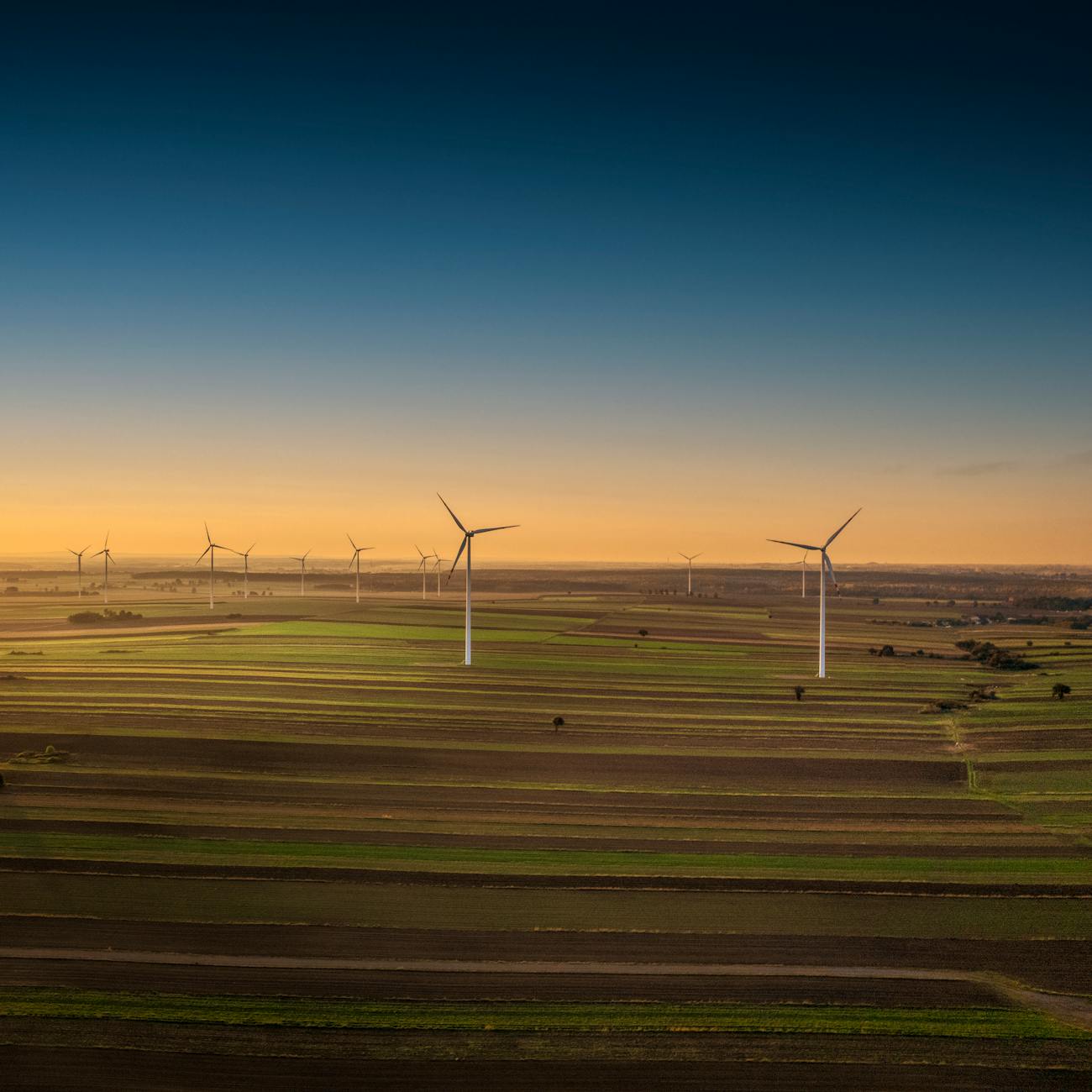
Wind Farm A wind farm is a collection of wind turbines that are used to generate electricity. Wind farms can range in size from a few turbines to hundreds of turbines spread over a large area. AI applications in wind energy optimization can help in designing the layout of wind farms, optimizing the performance of individual turbines, and improving the overall efficiency of wind energy generation.
Wind Turbine A wind turbine is a device that converts the kinetic energy of wind into mechanical energy, which is then converted into electrical energy. Wind turbines consist of blades, a rotor, a generator, and other components. AI techniques can be used to optimize the design and operation of wind turbines, improve their efficiency, and increase their lifespan.
Forecasting Forecasting involves predicting future events or trends based on historical data and statistical models. In wind energy optimization, forecasting is crucial for predicting wind patterns, estimating energy production, and optimizing the operation of wind turbines. AI algorithms can be used for short-term and long-term forecasting to improve the efficiency and reliability of wind energy systems.
Predictive Maintenance Predictive maintenance is a proactive maintenance strategy that involves predicting when equipment is likely to fail so that maintenance can be performed before a breakdown occurs. In wind energy optimization, predictive maintenance can help in reducing downtime, extending the lifespan of wind turbines, and minimizing maintenance costs. AI techniques can be used to analyze sensor data, detect anomalies, and predict maintenance needs.
Grid Integration Grid integration refers to the process of connecting renewable energy sources, such as wind turbines, to the power grid. Grid integration involves managing the variability and uncertainty of renewable energy generation, ensuring grid stability, and maximizing energy efficiency. AI applications can help in optimizing grid integration, balancing supply and demand, and improving the reliability of wind energy systems.
Challenges While AI applications in wind energy optimization offer numerous benefits, there are also several challenges that need to be addressed. These challenges include the complexity of wind energy systems, the lack of high-quality data, the need for domain expertise, and the interpretability of AI models. Overcoming these challenges requires collaboration between researchers, engineers, and industry experts to develop robust and reliable AI solutions for wind energy optimization.
Conclusion AI applications in wind energy optimization have the potential to revolutionize the renewable energy industry by improving the efficiency, reliability, and sustainability of wind energy systems. By leveraging machine learning, deep learning, neural networks, and other AI techniques, researchers and engineers can optimize the performance of wind turbines, predict wind patterns, and integrate wind energy into the power grid effectively. Despite the challenges, the future of AI in wind energy optimization looks promising, with opportunities for innovation, research, and collaboration to drive the transition to a clean energy future.
Key takeaways
- These processes include learning (the acquisition of information and rules for using the information), reasoning (using rules to reach approximate or definite conclusions), and self-correction.
- Renewable Energy Renewable energy is energy that is collected from renewable resources, which are naturally replenished on a human timescale, such as sunlight, wind, rain, tides, waves, and geothermal heat.
- This can include optimizing the placement of wind turbines, adjusting their angles and speeds, and integrating them into the power grid effectively.
- In the context of wind energy optimization, machine learning algorithms can be used to analyze historical wind data, predict future wind patterns, and optimize the operation of wind turbines.
- In wind energy optimization, deep learning can be used to improve the accuracy of wind forecasts and optimize the performance of wind turbines.
- Neural networks are used in wind energy optimization for tasks such as wind forecasting, turbine control, and fault detection.
- In wind energy optimization, supervised learning can be used to build models for predicting wind speed, turbine performance, and energy output.