
AI in Smart Grid Management
Artificial Intelligence (AI) plays a significant role in optimizing the management of Smart Grids, especially in the context of renewable energy integration. This Professional Certificate Course delves deep into the use of AI techniques for…
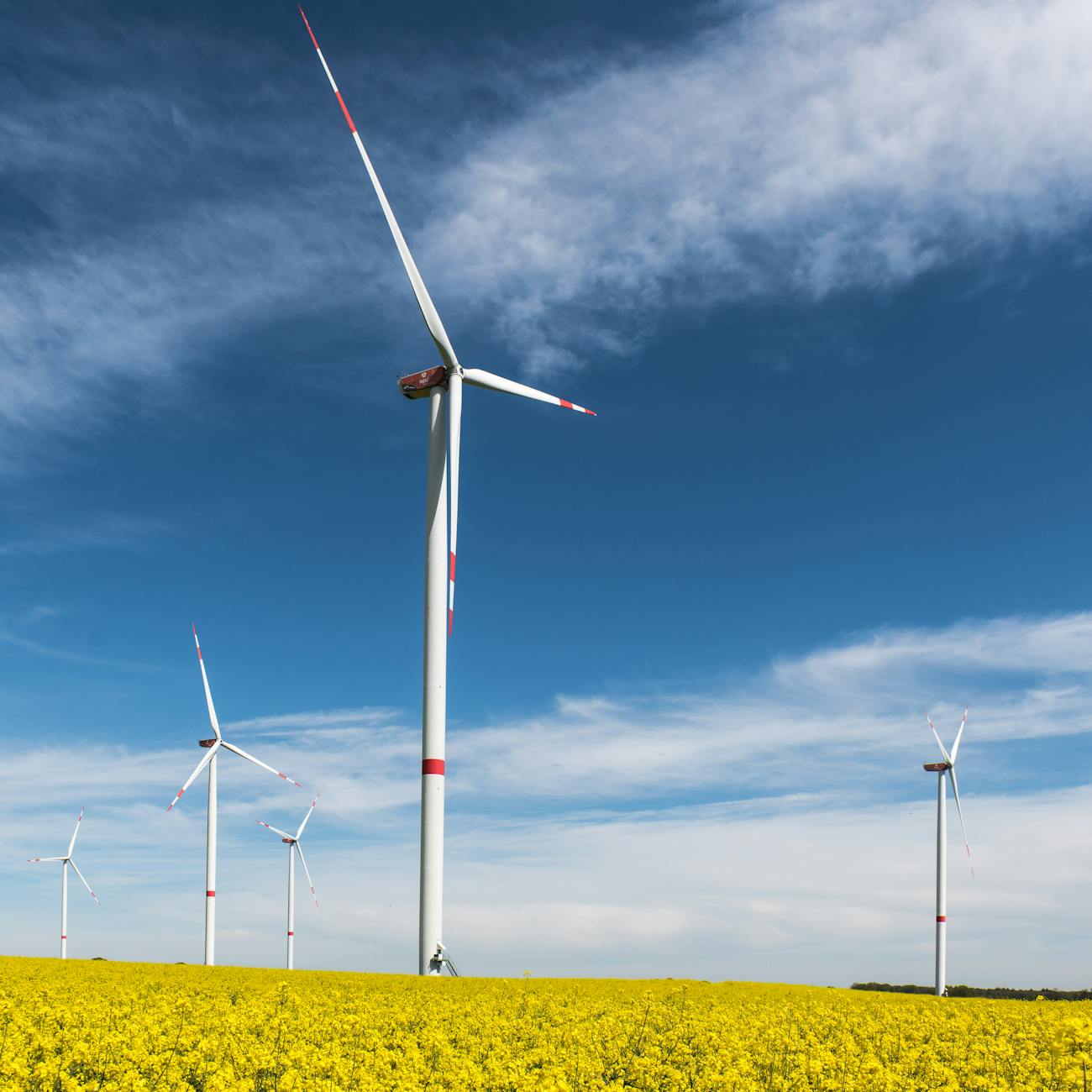
Artificial Intelligence (AI) plays a significant role in optimizing the management of Smart Grids, especially in the context of renewable energy integration. This Professional Certificate Course delves deep into the use of AI techniques for enhancing renewable energy optimization within Smart Grids. To fully grasp the concepts discussed in the course, it is crucial to understand the key terms and vocabulary associated with AI in Smart Grid Management.
1. **Smart Grid**: A Smart Grid is an advanced electricity network that can intelligently integrate the actions of all users connected to it – generators, consumers, and those that do both – in order to efficiently deliver sustainable, economic, and secure electricity supplies.
2. **Renewable Energy**: Renewable energy is derived from natural processes that are replenished at a faster rate than they are consumed. Common examples include solar, wind, hydro, and geothermal energy.
3. **Artificial Intelligence (AI)**: AI refers to the simulation of human intelligence processes by machines, especially computer systems. These processes include learning (the acquisition of information and rules for using the information), reasoning (using the rules to reach approximate or definite conclusions), and self-correction.
4. **Optimization**: Optimization involves finding the best solution from all feasible solutions. In the context of renewable energy, optimization aims to maximize energy production, minimize costs, or achieve a balance between conflicting objectives.
5. **Machine Learning**: Machine learning is a subset of AI that enables systems to learn and improve from experience without being explicitly programmed. It focuses on the development of computer programs that can access data and use it to learn for themselves.
6. **Deep Learning**: Deep learning is a subset of machine learning that uses neural networks with many layers to model and learn complex patterns in large amounts of data. It is particularly useful for tasks such as image and speech recognition.
7. **Neural Networks**: Neural networks are a set of algorithms modeled loosely after the human brain that are designed to recognize patterns. They interpret sensory data through a kind of machine perception, labeling raw input.
8. **Data Analytics**: Data analytics is the process of examining data sets to draw conclusions about the information they contain, increasingly with the aid of specialized systems and software.
9. **Forecasting**: Forecasting is the process of making predictions based on past and present data. In the context of Smart Grids, forecasting is crucial for predicting energy demand, generation, and market prices.
10. **Load Forecasting**: Load forecasting involves predicting the future energy consumption or demand within a specific region. Accurate load forecasting is essential for efficient grid operation and planning.
11. **Generation Forecasting**: Generation forecasting predicts the future output of renewable energy sources like wind and solar farms. It helps grid operators schedule generation resources effectively.
12. **Market Price Forecasting**: Market price forecasting predicts future electricity prices, enabling market participants to make informed decisions regarding energy trading and consumption.
13. **Distributed Energy Resources (DERs)**: DERs are small-scale power generation or storage technologies that provide electric capacity or energy where it is needed. Examples include solar panels, wind turbines, and battery storage systems.
14. **Demand Response**: Demand response is a strategy to adjust electricity consumption in response to supply conditions. It aims to reduce peak demand, lower electricity costs, and enhance grid stability.
15. **Energy Management System (EMS)**: An EMS is a computer-based control system that optimizes the operation of generation and transmission systems. It helps monitor, control, and optimize energy resources in real-time.
16. **Grid Integration**: Grid integration involves the incorporation of various energy resources, including renewable sources, into the electricity grid. It aims to ensure the reliable and efficient operation of the grid.
17. **Grid Stability**: Grid stability refers to the ability of a power system to maintain a steady state under normal conditions and to return to a steady state after being subjected to a disturbance.
18. **Microgrid**: A microgrid is a localized group of electricity sources and loads that operates connected to and disconnected from the traditional grid. It can function independently or in conjunction with the grid.
19. **Cyber-Physical Systems (CPS)**: CPS are integrations of computation, networking, and physical processes. In the context of Smart Grids, CPS are essential for real-time monitoring and control of energy systems.
20. **Internet of Things (IoT)**: IoT refers to the network of interconnected devices that can communicate and exchange data with each other. In Smart Grids, IoT devices enable real-time data collection and control.
21. **Big Data**: Big data refers to large volumes of data that cannot be processed using traditional methods. In the context of renewable energy optimization, big data analytics help extract valuable insights from massive datasets.
22. **Grid Modernization**: Grid modernization involves upgrading the existing electricity grid infrastructure to incorporate advanced technologies and improve its efficiency, reliability, and sustainability.
23. **Renewable Energy Forecasting**: Renewable energy forecasting predicts the output of renewable energy sources such as wind and solar farms. Accurate forecasting helps grid operators manage the variability of renewable generation.
24. **Energy Storage**: Energy storage technologies store excess energy for later use. They play a crucial role in balancing supply and demand, integrating renewables, and improving grid reliability.
25. **Virtual Power Plant (VPP)**: A VPP is a network of decentralized, flexible power sources that are aggregated to provide energy services traditionally supplied by a single power plant.
26. **Smart Metering**: Smart metering involves the use of advanced meters that record energy consumption in real-time and communicate this data to utility companies for monitoring and billing purposes.
27. **Predictive Maintenance**: Predictive maintenance uses AI algorithms to predict equipment failures before they occur. By analyzing historical data, predictive maintenance helps prevent downtime and reduce maintenance costs.
28. **Cybersecurity**: Cybersecurity refers to the practice of protecting internet-connected systems, including hardware, software, and data, from cyberattacks. In Smart Grids, cybersecurity is essential to prevent unauthorized access and ensure data integrity.
29. **Resilient Grid**: A resilient grid is capable of withstanding and quickly recovering from disruptions caused by natural disasters, cyberattacks, or equipment failures. Resilience is a key aspect of modern grid management.
30. **Decentralized Energy Management**: Decentralized energy management involves distributing control and decision-making processes across multiple nodes in the grid. It allows for more efficient and flexible energy management.
31. **Intelligent Energy Systems**: Intelligent energy systems use AI and advanced analytics to optimize energy generation, distribution, and consumption. These systems enhance grid efficiency, reliability, and sustainability.
32. **Renewable Energy Integration**: Renewable energy integration refers to the process of incorporating renewable energy sources into the existing electricity grid. It requires advanced technologies and strategies to manage the variability of renewables.
33. **Grid Congestion**: Grid congestion occurs when there is insufficient transmission capacity to meet the demand for electricity. AI algorithms can help alleviate grid congestion by optimizing energy flows and reducing bottlenecks.
34. **Energy Trading**: Energy trading involves buying and selling electricity in wholesale markets. AI technologies enable market participants to make informed trading decisions based on real-time data and forecasts.
35. **Smart Contracts**: Smart contracts are self-executing contracts with the terms of the agreement directly written into code. In the context of energy trading, smart contracts enable automated and secure transactions between parties.
36. **Virtual Energy Market**: A virtual energy market is a platform where buyers and sellers can trade energy without physical delivery. It allows participants to engage in energy trading and optimize their energy portfolios.
37. **Demand-Side Management**: Demand-side management involves modifying consumer electricity consumption patterns to achieve grid reliability and efficiency goals. AI tools can help optimize demand-side management strategies.
38. **Grid Resilience**: Grid resilience refers to the ability of the electricity grid to withstand and recover from various disruptions. Resilient grids are essential for ensuring continuous power supply during emergencies.
39. **Renewable Energy Incentives**: Renewable energy incentives are policies or financial mechanisms that promote the adoption of renewable energy technologies. Examples include tax credits, feed-in tariffs, and renewable portfolio standards.
40. **Sustainability**: Sustainability refers to meeting the needs of the present without compromising the ability of future generations to meet their own needs. Renewable energy optimization plays a critical role in achieving long-term sustainability goals.
41. **Carbon Footprint**: A carbon footprint is the total amount of greenhouse gases emitted directly or indirectly by human activities. By promoting renewable energy, Smart Grids help reduce carbon footprints and combat climate change.
42. **Energy Efficiency**: Energy efficiency involves using less energy to provide the same level of output. AI can optimize energy efficiency by identifying opportunities for energy savings and improving overall system performance.
43. **Interoperability**: Interoperability refers to the ability of different systems or components to exchange and use information. In Smart Grid management, interoperability enables seamless communication between diverse devices and platforms.
44. **Grid Flexibility**: Grid flexibility refers to the ability of the electricity grid to accommodate changes in supply and demand quickly and efficiently. Flexible grids can integrate renewable energy sources and respond to dynamic market conditions.
45. **Optimal Power Flow (OPF)**: OPF is a mathematical optimization model used to determine the optimal operation of power systems. It aims to minimize operating costs while satisfying various constraints such as generation limits and transmission capacities.
46. **Voltage Control**: Voltage control is the process of maintaining voltage levels within acceptable limits in the electricity grid. It is crucial for ensuring the stability and reliability of the grid, especially with the increasing penetration of renewable energy sources.
47. **Fault Detection and Diagnosis**: Fault detection and diagnosis involve identifying and resolving abnormalities in the grid operation. AI algorithms can analyze data from sensors and meters to detect faults early and prevent system failures.
48. **Dynamic Pricing**: Dynamic pricing is a strategy where electricity prices vary based on demand and supply conditions. It incentivizes consumers to shift their energy consumption to off-peak hours, reducing peak demand and overall costs.
49. **Grid Congestion Management**: Grid congestion management involves alleviating bottlenecks and optimizing energy flows in the grid. AI-based congestion management techniques help improve grid efficiency and reliability.
50. **Renewable Energy Penetration**: Renewable energy penetration refers to the percentage of renewable energy sources in the total energy mix. Higher penetration levels require advanced grid management techniques to ensure stability and reliability.
In conclusion, the vocabulary and key terms discussed above are essential for understanding the complex interactions between AI and Smart Grid Management in the context of renewable energy optimization. By mastering these concepts, professionals can effectively leverage AI technologies to enhance grid efficiency, reliability, and sustainability in the transition towards a cleaner and more resilient energy future.
Key takeaways
- Artificial Intelligence (AI) plays a significant role in optimizing the management of Smart Grids, especially in the context of renewable energy integration.
- **Renewable Energy**: Renewable energy is derived from natural processes that are replenished at a faster rate than they are consumed.
- These processes include learning (the acquisition of information and rules for using the information), reasoning (using the rules to reach approximate or definite conclusions), and self-correction.
- In the context of renewable energy, optimization aims to maximize energy production, minimize costs, or achieve a balance between conflicting objectives.
- **Machine Learning**: Machine learning is a subset of AI that enables systems to learn and improve from experience without being explicitly programmed.
- **Deep Learning**: Deep learning is a subset of machine learning that uses neural networks with many layers to model and learn complex patterns in large amounts of data.
- **Neural Networks**: Neural networks are a set of algorithms modeled loosely after the human brain that are designed to recognize patterns.