
Predictive Maintenance using AI in Renewable Energy
Predictive Maintenance: Predictive maintenance is an advanced maintenance strategy where the condition of equipment is monitored in real-time to predict when maintenance should be performed. This approach relies on data and analytics to ant…
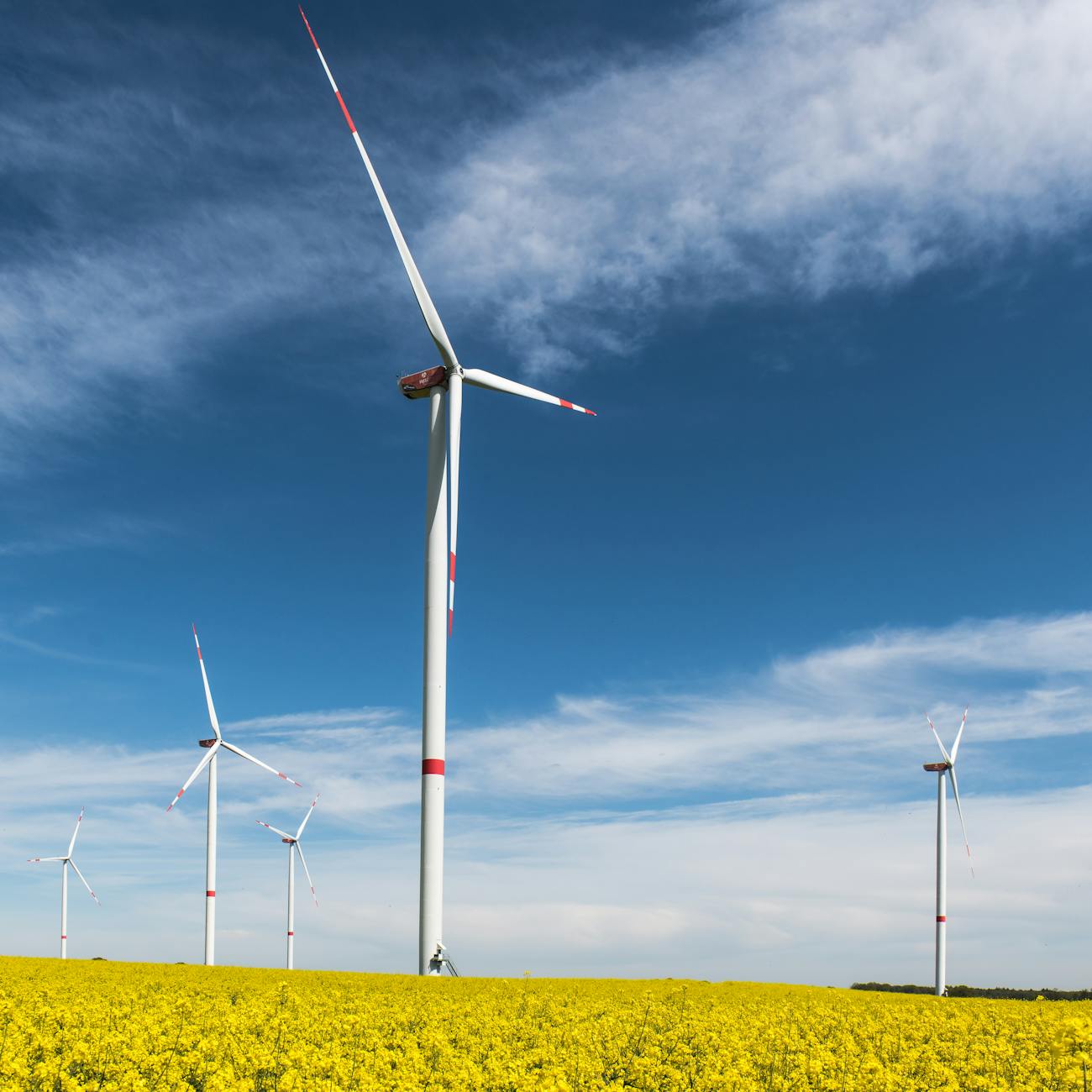
Predictive Maintenance: Predictive maintenance is an advanced maintenance strategy where the condition of equipment is monitored in real-time to predict when maintenance should be performed. This approach relies on data and analytics to anticipate potential issues before they occur, allowing for timely and cost-effective maintenance actions.
AI (Artificial Intelligence): AI refers to the simulation of human intelligence processes by machines, particularly computer systems. AI technologies enable machines to learn from data, adapt to new inputs, and perform tasks that typically require human intelligence, such as problem-solving, pattern recognition, and decision-making.
Renewable Energy: Renewable energy is energy that is collected from resources that are naturally replenished on a human timescale, such as sunlight, wind, rain, tides, waves, and geothermal heat. These sources of energy are sustainable and have significantly lower environmental impact compared to fossil fuels.
Optimization: Optimization is the process of making something as effective or functional as possible. In the context of renewable energy, optimization involves maximizing energy production, minimizing downtime, and improving overall system performance using various techniques and technologies.
Condition Monitoring: Condition monitoring is the process of monitoring the condition of equipment or systems in real-time to identify any deviations from normal operating parameters. This proactive approach helps detect potential issues early, allowing for timely maintenance and preventing costly downtime.
Data Analytics: Data analytics is the process of examining data sets to uncover patterns, trends, and insights that can be used to make informed decisions. In the context of predictive maintenance in renewable energy, data analytics plays a crucial role in analyzing equipment performance data to predict potential failures and optimize maintenance schedules.
Machine Learning: Machine learning is a subset of AI that enables machines to learn from data without being explicitly programmed. Machine learning algorithms can identify patterns in data, make predictions, and continuously improve their performance over time, making them well-suited for predictive maintenance applications in renewable energy.
Fault Detection: Fault detection is the process of identifying abnormalities or deviations in equipment performance that may indicate potential failures. By detecting faults early, maintenance teams can take corrective actions to prevent equipment downtime and costly repairs.
Failure Prediction: Failure prediction involves using data and analytics to forecast when equipment is likely to fail based on historical performance data and patterns. By predicting failures in advance, maintenance teams can schedule maintenance activities proactively, reducing unplanned downtime and optimizing maintenance costs.
Prognostics: Prognostics is the process of predicting the remaining useful life of equipment based on its current condition and performance data. By estimating how long equipment will continue to operate reliably, maintenance teams can plan maintenance activities more effectively and extend the lifespan of assets.
Anomaly Detection: Anomaly detection is a technique used to identify unusual patterns or outliers in data that may indicate potential issues or anomalies. By detecting anomalies in equipment performance data, maintenance teams can investigate and address underlying problems before they escalate into failures.
Predictive Models: Predictive models are mathematical algorithms that use historical data to make predictions about future events or outcomes. In the context of predictive maintenance in renewable energy, predictive models are used to forecast equipment failures, optimize maintenance schedules, and improve overall system performance.
Smart Sensors: Smart sensors are advanced sensors equipped with built-in processing capabilities that allow them to collect, process, and transmit data in real-time. Smart sensors play a crucial role in predictive maintenance by monitoring equipment conditions, detecting anomalies, and providing valuable insights for maintenance decision-making.
Internet of Things (IoT): The Internet of Things (IoT) refers to a network of interconnected devices and sensors that can communicate and exchange data with each other over the internet. In the context of predictive maintenance in renewable energy, IoT enables seamless data collection, monitoring, and analysis of equipment performance in real-time.
Digital Twin: A digital twin is a virtual replica of a physical asset or system that enables real-time monitoring, analysis, and simulation of its behavior. Digital twins are used in predictive maintenance to model equipment performance, predict failures, and optimize maintenance strategies without disrupting actual operations.
Deep Learning: Deep learning is a subset of machine learning that uses neural networks with multiple layers to learn complex patterns and relationships in data. Deep learning algorithms are well-suited for predictive maintenance applications in renewable energy, as they can analyze large volumes of data and extract valuable insights for decision-making.
Predictive Analytics: Predictive analytics is the practice of using data, statistical algorithms, and machine learning techniques to predict future outcomes based on historical data. In the context of predictive maintenance in renewable energy, predictive analytics helps forecast equipment failures, optimize maintenance schedules, and improve overall system reliability.
Feature Engineering: Feature engineering is the process of selecting, extracting, and transforming relevant features from raw data to improve the performance of machine learning models. In the context of predictive maintenance, feature engineering plays a crucial role in identifying key variables that influence equipment performance and failure.
Model Evaluation: Model evaluation is the process of assessing the performance of predictive models using various metrics and techniques. In the context of predictive maintenance in renewable energy, model evaluation helps determine the accuracy, reliability, and effectiveness of predictive models in forecasting equipment failures and optimizing maintenance activities.
Reliability Centered Maintenance (RCM): Reliability Centered Maintenance (RCM) is a maintenance strategy that focuses on optimizing maintenance activities to ensure the reliability and availability of equipment. RCM involves identifying critical assets, analyzing failure modes, and implementing maintenance strategies based on risk and performance considerations.
Asset Management: Asset management is the practice of managing physical assets throughout their lifecycle to optimize performance, minimize downtime, and reduce costs. In the context of predictive maintenance in renewable energy, asset management involves monitoring equipment conditions, predicting failures, and implementing maintenance strategies to maximize asset value.
Energy Forecasting: Energy forecasting is the process of predicting future energy demand or production based on historical data, weather patterns, and other relevant factors. Energy forecasting is essential for optimizing renewable energy systems, scheduling maintenance activities, and maximizing energy efficiency.
Challenges and Opportunities: Predictive maintenance using AI in renewable energy presents several challenges and opportunities for organizations in the industry. Some of the challenges include data quality issues, lack of domain expertise, and integration with existing systems. However, the opportunities for improving equipment reliability, reducing maintenance costs, and optimizing energy production make predictive maintenance a valuable strategy for renewable energy optimization.
Key takeaways
- Predictive Maintenance: Predictive maintenance is an advanced maintenance strategy where the condition of equipment is monitored in real-time to predict when maintenance should be performed.
- AI technologies enable machines to learn from data, adapt to new inputs, and perform tasks that typically require human intelligence, such as problem-solving, pattern recognition, and decision-making.
- Renewable Energy: Renewable energy is energy that is collected from resources that are naturally replenished on a human timescale, such as sunlight, wind, rain, tides, waves, and geothermal heat.
- In the context of renewable energy, optimization involves maximizing energy production, minimizing downtime, and improving overall system performance using various techniques and technologies.
- Condition Monitoring: Condition monitoring is the process of monitoring the condition of equipment or systems in real-time to identify any deviations from normal operating parameters.
- In the context of predictive maintenance in renewable energy, data analytics plays a crucial role in analyzing equipment performance data to predict potential failures and optimize maintenance schedules.
- Machine learning algorithms can identify patterns in data, make predictions, and continuously improve their performance over time, making them well-suited for predictive maintenance applications in renewable energy.