
Optimal Control Strategies for Renewable Energy Systems
Optimal Control Strategies for Renewable Energy Systems
Optimal Control Strategies for Renewable Energy Systems
Renewable energy sources have gained significant attention in recent years due to their environmental benefits and potential for sustainable energy production. However, the intermittent nature of renewable energy sources such as solar and wind poses challenges for their integration into the existing energy grid. To effectively harness the potential of renewable energy systems, optimal control strategies play a crucial role in maximizing energy generation, minimizing costs, and ensuring grid stability.
Key Terms and Concepts:
1. Renewable Energy Systems: Renewable energy systems are systems that generate electricity from naturally replenishing resources such as sunlight, wind, and water. These systems play a vital role in reducing greenhouse gas emissions and combating climate change. Examples of renewable energy systems include solar photovoltaic panels, wind turbines, and hydroelectric power plants.
2. Optimal Control: Optimal control refers to the process of determining the best control inputs to a system to achieve a desired outcome while minimizing costs or maximizing performance. In the context of renewable energy systems, optimal control strategies are used to optimize energy generation, storage, and consumption to meet demand and grid requirements efficiently.
3. Energy Optimization: Energy optimization involves maximizing the efficiency of energy systems by minimizing energy waste, reducing costs, and improving overall performance. In renewable energy systems, energy optimization aims to maximize renewable energy utilization while ensuring grid stability and reliability.
4. Grid Integration: Grid integration is the process of connecting renewable energy systems to the existing electricity grid. Effective grid integration requires the implementation of advanced control strategies to manage the variability of renewable energy sources and ensure a reliable supply of electricity to consumers.
5. Forecasting: Forecasting involves predicting the future behavior of renewable energy sources such as solar and wind to optimize energy generation and storage. Accurate forecasting enables operators to anticipate fluctuations in renewable energy production and adjust control strategies accordingly.
6. State Estimation: State estimation involves estimating the current state of a system based on available measurements and models. In renewable energy systems, state estimation is crucial for monitoring energy generation, consumption, and storage levels to optimize control strategies and ensure grid stability.
7. Model Predictive Control (MPC): Model Predictive Control is a control strategy that uses mathematical models of the system to predict future behavior and optimize control inputs over a specified time horizon. MPC algorithms are widely used in renewable energy systems to optimize energy generation, storage, and consumption based on predicted demand and grid conditions.
Practical Applications:
1. Solar PV Systems: Optimal control strategies are used in solar photovoltaic (PV) systems to maximize energy generation and improve efficiency. For example, tracking algorithms can adjust the orientation of solar panels to optimize sunlight exposure throughout the day, while energy storage systems can store excess energy for use during peak demand periods.
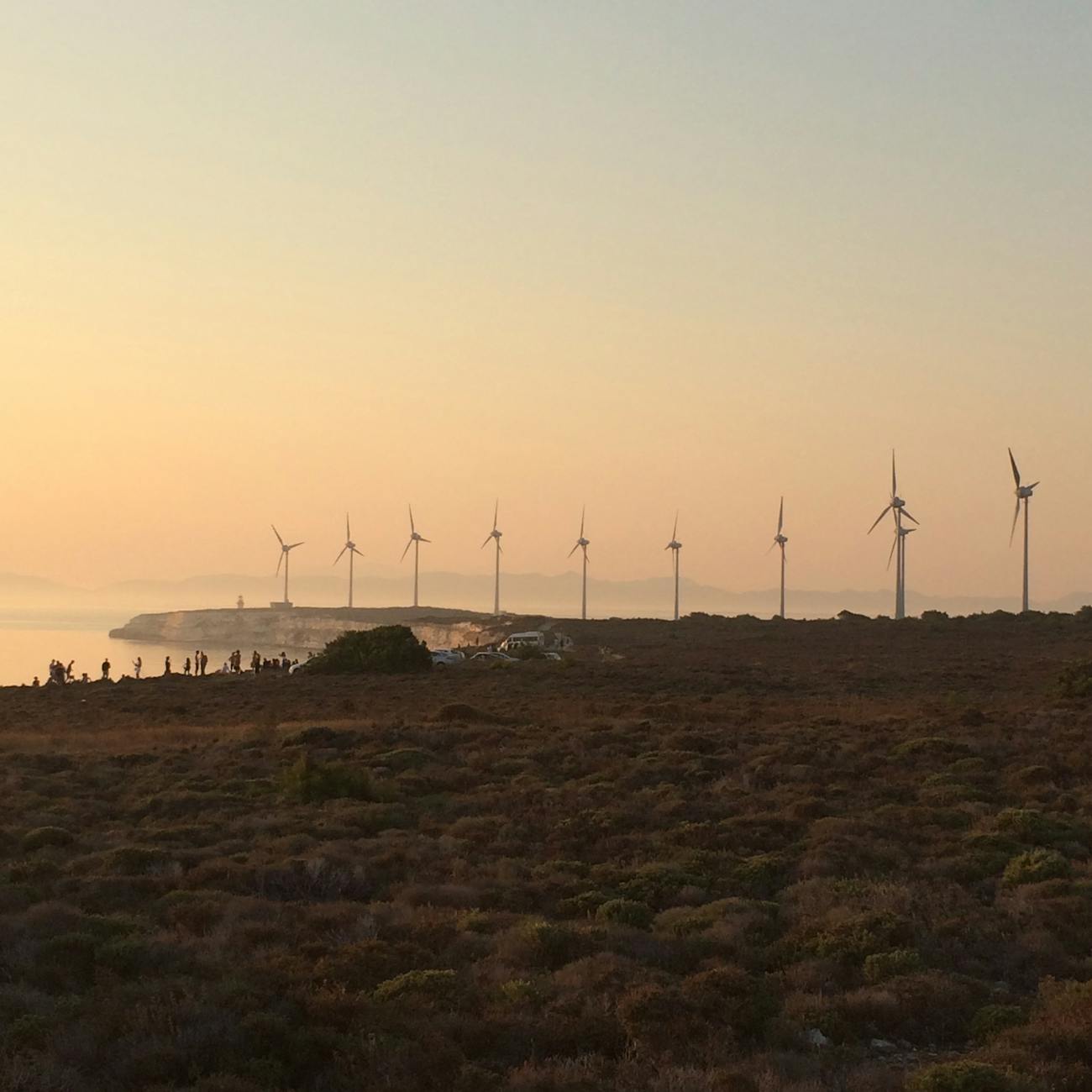
2. Wind Turbines: Optimal control strategies are essential in wind turbine systems to maximize energy production and mitigate the effects of wind variability. For instance, pitch control algorithms can adjust the angle of wind turbine blades to optimize power output in changing wind conditions, while grid integration strategies can ensure a stable supply of electricity to the grid.
Challenges:
1. Uncertainty: One of the key challenges in implementing optimal control strategies for renewable energy systems is the uncertainty associated with renewable energy sources such as solar and wind. Variability in weather conditions can lead to unpredictable energy generation, requiring advanced forecasting and control algorithms to optimize energy production.
2. Computational Complexity: Optimizing control strategies for renewable energy systems often involves complex mathematical models and algorithms, which can be computationally intensive. Managing the computational complexity of control algorithms is essential to ensure real-time control and decision-making in dynamic energy systems.
In conclusion, optimal control strategies play a crucial role in maximizing the efficiency and reliability of renewable energy systems. By leveraging advanced control algorithms, forecasting techniques, and grid integration strategies, operators can optimize energy generation, storage, and consumption to meet demand and grid requirements effectively. Despite challenges such as uncertainty and computational complexity, the continued development of optimal control strategies is essential for accelerating the transition to a sustainable energy future based on renewable resources.
Key takeaways
- To effectively harness the potential of renewable energy systems, optimal control strategies play a crucial role in maximizing energy generation, minimizing costs, and ensuring grid stability.
- Renewable Energy Systems: Renewable energy systems are systems that generate electricity from naturally replenishing resources such as sunlight, wind, and water.
- In the context of renewable energy systems, optimal control strategies are used to optimize energy generation, storage, and consumption to meet demand and grid requirements efficiently.
- Energy Optimization: Energy optimization involves maximizing the efficiency of energy systems by minimizing energy waste, reducing costs, and improving overall performance.
- Effective grid integration requires the implementation of advanced control strategies to manage the variability of renewable energy sources and ensure a reliable supply of electricity to consumers.
- Forecasting: Forecasting involves predicting the future behavior of renewable energy sources such as solar and wind to optimize energy generation and storage.
- In renewable energy systems, state estimation is crucial for monitoring energy generation, consumption, and storage levels to optimize control strategies and ensure grid stability.