
Tea Tasting Techniques
Tea Tasting Techniques:
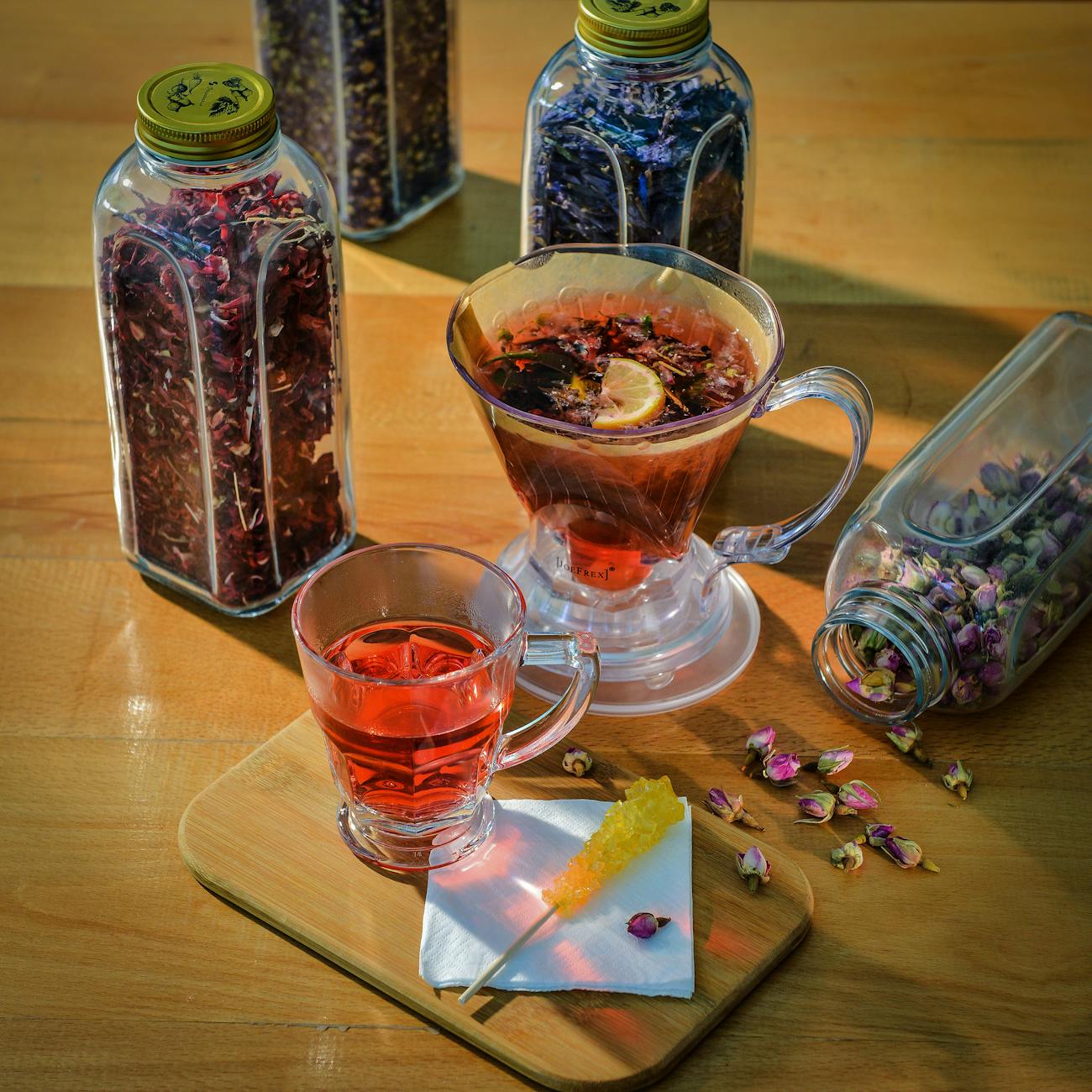
Tea Tasting Techniques:
Tea tasting is a skill that requires practice, patience, and a keen sense of smell and taste. In the Advanced Skill Certificate in Tea Blending course, students will learn various techniques to evaluate and assess different types of teas. Understanding key terms and vocabulary related to tea tasting is essential for mastering this craft. Let's delve into some of the important terms you will encounter in your tea tasting journey:
1. **Terroir**: This term refers to the environmental factors that influence the flavor profile of a tea, such as soil, climate, altitude, and topography. Teas grown in different regions will have unique terroirs that contribute to their distinct characteristics.
2. **Cultivar**: A cultivar is a specific variety of tea plant that has been cultivated for desirable traits such as flavor, aroma, and appearance. Different cultivars will produce teas with varying flavor profiles.
3. **Processing**: The method by which tea leaves are harvested, oxidized, dried, and sometimes roasted. The processing technique used will greatly impact the final taste and appearance of the tea.
4. **Oxidation**: The chemical reaction that occurs when tea leaves are exposed to oxygen, leading to changes in flavor, aroma, and color. Different levels of oxidation produce different types of teas, such as green, oolong, and black.
5. **Infusion**: The process of steeping tea leaves in hot water to extract their flavors and aromas. Proper infusion time and temperature are crucial for achieving the best taste.
6. **Leaf Grade**: A classification system used to categorize tea leaves based on their size, shape, and quality. Common grades include whole leaf, broken leaf, fannings, and dust.
7. **Aroma**: The scent of brewed tea, which can vary depending on the type of tea and its processing. Aroma plays a significant role in the overall sensory experience of tea tasting.
8. **Flavor**: The taste of brewed tea, influenced by factors such as terroir, cultivar, processing, and infusion. Flavors can range from floral and fruity to nutty and earthy.
9. **Body**: The weight and texture of brewed tea in the mouth, ranging from light and delicate to full and robust. Body is an important aspect of tea tasting that contributes to the overall mouthfeel.
10. **Astringency**: A sensation of dryness or puckering in the mouth caused by tannins in tea. Astringency can be desirable in certain teas, adding complexity to the flavor profile.
11. **Balance**: The harmonious relationship between different flavor components in tea, such as sweetness, bitterness, and astringency. Achieving balance is key to creating a well-rounded and enjoyable tea.
12. **Finish**: The lingering aftertaste of tea that remains in the mouth after swallowing. The finish can provide insights into the quality and complexity of the tea.
13. **Cupping**: The process of evaluating and comparing multiple teas side by side to assess their quality, flavor profiles, and characteristics. Cupping is a common practice in the tea industry for quality control and blending purposes.
14. **Tasting Note**: Descriptive terms used to communicate the aroma, flavor, body, and finish of a tea. Tasting notes help tea tasters articulate their sensory experiences and share them with others.
15. **Steeping**: The act of immersing tea leaves in hot water to brew tea. Steeping time and temperature can greatly impact the final taste and quality of the tea.
16. **Tea Ware**: The equipment and utensils used for brewing and serving tea, such as teapots, cups, strainers, and kettles. High-quality tea ware can enhance the tea tasting experience.
17. **Single Origin**: Tea that is sourced from a specific region or estate, allowing for traceability and highlighting the unique characteristics of that terroir. Single origin teas are prized for their quality and authenticity.
18. **Blending**: The art of combining different teas, herbs, or botanicals to create a unique and balanced flavor profile. Blending requires skill and creativity to achieve desired taste outcomes.
19. **Mouthfeel**: The tactile sensation of tea in the mouth, including factors such as astringency, body, and texture. Mouthfeel adds another dimension to the overall sensory experience of tea tasting.
20. **Herbal Infusion**: A beverage made from steeping herbs, flowers, fruits, or spices in hot water. Herbal infusions are caffeine-free and offer a wide range of flavors and health benefits.
21. **Caffeine**: A natural stimulant found in tea leaves that can provide a boost in energy and alertness. The caffeine content of tea can vary depending on the type of tea and brewing method.
22. **Decaffeination**: The process of removing caffeine from tea leaves to create decaffeinated tea. Decaffeination methods can vary, with some preserving more flavor and antioxidants than others.
23. **Tisane**: An herbal infusion made from botanical ingredients other than tea leaves, such as chamomile, peppermint, or hibiscus. Tisanes are popular for their diverse flavors and potential health benefits.
24. **Cold Brew**: A method of steeping tea leaves in cold water for an extended period to extract flavors slowly. Cold brew teas are known for their smooth and mellow taste, with less bitterness.
25. **Floral**: A tasting note used to describe teas with aromatic qualities reminiscent of flowers, such as jasmine, rose, or lavender. Floral teas are prized for their delicate and fragrant profiles.
26. **Grassy**: A tasting note indicating the presence of vegetal or grassy flavors in tea, often found in green teas or lightly oxidized oolongs. Grassy notes can add freshness and complexity to the tea.
27. **Toasty**: A tasting note that describes teas with roasted or nutty flavors, such as roasted oolongs or black teas. Toasty notes can provide warmth and depth to the overall taste profile.
28. **Umami**: A savory and rich taste sensation often associated with Japanese green teas, such as matcha or sencha. Umami adds a unique depth of flavor and complexity to the tea.
29. **Steamed**: A processing method used primarily for green teas, where tea leaves are quickly heated through steaming to halt oxidation. Steamed teas are known for their vibrant green color and fresh taste.
30. **Roasted**: A processing technique where tea leaves are exposed to heat to develop toasty, caramelized flavors. Roasted teas are common in oolongs and black teas, adding depth and complexity to the brew.
31. **Honeyed**: A tasting note used to describe teas with sweet and honey-like flavors, often found in certain black teas or aged pu-erhs. Honeyed notes can provide a natural sweetness and richness to the tea.
32. **Earthy**: A tasting note indicating flavors reminiscent of soil, minerals, or mushrooms in tea. Earthy notes are common in aged teas, such as pu-erh or certain oolongs, and can add depth and complexity.
33. **Citrus**: A tasting note describing teas with bright and tangy flavors reminiscent of citrus fruits, such as lemon, orange, or grapefruit. Citrus notes can provide a refreshing and zesty quality to the tea.
34. **Spicy**: A tasting note indicating teas with warming and aromatic spices, such as cinnamon, cloves, or ginger. Spicy notes can add complexity and depth to the flavor profile of the tea.
35. **Nutty**: A tasting note used to describe teas with flavors reminiscent of nuts, such as almonds, walnuts, or chestnuts. Nutty notes can provide a rich and comforting element to the tea.
36. **Malty**: A tasting note indicating teas with flavors reminiscent of malt or grains, often found in certain black teas or Assam teas. Malty notes can add a robust and full-bodied quality to the brew.
37. **Vegetal**: A tasting note describing teas with vegetal or green flavors, such as spinach, seaweed, or fresh-cut grass. Vegetal notes are common in green teas and can add a crisp and refreshing quality.
38. **Creamy**: A tasting note indicating teas with a smooth and velvety mouthfeel, often accompanied by flavors reminiscent of dairy or cream. Creamy notes can add a luxurious and comforting texture to the tea.
39. **Mineral**: A tasting note describing teas with flavors reminiscent of minerals or rocks, often found in certain oolongs or high mountain teas. Mineral notes can provide a unique and terroir-driven character to the tea.
40. **Brisk**: A tasting note indicating teas with a lively and refreshing quality, often associated with astringency and brightness. Brisk teas are commonly found in certain black teas or Darjeeling teas.
41. **Cupping Spoon**: A small spoon with a deep bowl used for tasting and slurping tea during cupping sessions. Cupping spoons help tea tasters evaluate the aroma, flavor, and body of the tea.
42. **Tea Strainer**: A device used to strain loose tea leaves from brewed tea before serving. Tea strainers prevent leaves from entering the cup and ensure a smooth drinking experience.
43. **Tea Timer**: A tool used to monitor steeping time and ensure consistent brewing results. Tea timers are helpful for achieving optimal flavor extraction without oversteeping the tea.
44. **Tea Thermometer**: A device used to measure the temperature of water for brewing tea. Different types of tea require specific water temperatures for optimal flavor extraction.
45. **Tea Scale**: A precise scale used to measure the weight of tea leaves for brewing. Measuring tea accurately helps maintain consistency in flavor and strength across multiple brews.
46. **Tea Journal**: A notebook used to record tasting notes, brewing parameters, and observations about different teas. Keeping a tea journal can help tea tasters track their preferences and refine their tasting skills.
47. **Tea Ceremony**: A formalized ritual for preparing and serving tea, often rooted in cultural traditions such as Japanese tea ceremony or Chinese gongfu tea ceremony. Tea ceremonies emphasize mindfulness, respect, and connection with the tea.
48. **Tea Master**: An expert in the art of tea who has extensive knowledge and experience in tea cultivation, processing, and tasting. Tea masters are highly respected for their skill in creating and appreciating fine teas.
49. **Tea Sommelier**: A trained professional who specializes in tea service, pairing, and education, similar to a wine sommelier. Tea sommeliers help customers navigate the world of tea and make informed choices based on their preferences.
50. **Tea Industry**: The global business sector involved in the cultivation, production, distribution, and consumption of tea. The tea industry encompasses tea growers, producers, exporters, retailers, and consumers worldwide.
51. **Quality Control**: The process of ensuring that tea meets specific standards of taste, appearance, and aroma. Quality control measures help maintain consistency and excellence in tea production.
52. **Sensory Evaluation**: The systematic assessment of tea using sensory organs such as taste, smell, sight, and touch. Sensory evaluation techniques are essential for evaluating the quality and characteristics of tea.
53. **Palate Cleanser**: A neutral food or beverage, such as water or unsalted crackers, used to cleanse the palate between tea tastings. Palate cleansers help reset the taste buds and prevent flavor fatigue.
54. **Tasting Flight**: A selection of multiple teas served in succession for comparative tasting. Tasting flights allow tea tasters to explore different teas side by side and discern subtle differences in flavor and aroma.
55. **Tea Appreciation**: The act of enjoying and savoring tea for its taste, aroma, and cultural significance. Tea appreciation involves mindful tasting, reflection, and gratitude for the experience of tea.
56. **Tea Etiquette**: The customary practices and manners associated with the serving and drinking of tea. Tea etiquette varies across cultures and may include rules for brewing, pouring, and enjoying tea respectfully.
57. **Tea Culture**: The social customs, rituals, and traditions surrounding tea consumption in different societies. Tea culture reflects the historical, artistic, and philosophical aspects of tea as a beverage and symbol.
58. **Tea Health Benefits**: The potential positive effects of tea consumption on physical and mental well-being. Tea is rich in antioxidants, vitamins, and minerals that may support immunity, digestion, and relaxation.
59. **Tea Pairing**: The practice of matching teas with complementary foods to enhance the flavors of both. Tea pairing can create harmonious flavor combinations and elevate the dining experience.
60. **Tea Tourism**: Travel experiences centered around tea destinations, such as tea gardens, plantations, and tea houses. Tea tourism allows enthusiasts to immerse themselves in the world of tea production and culture.
61. **Tea Certification**: Formal recognition of expertise and knowledge in tea production, tasting, or service. Tea certifications validate skills and qualifications for careers in the tea industry.
62. **Tea Competition**: Events where tea producers and tasters showcase their teas and compete for awards based on quality, flavor, and craftsmanship. Tea competitions promote excellence and innovation in tea production.
63. **Tea Trends**: Emerging patterns and preferences in the tea industry, such as new tea varieties, brewing methods, or flavor innovations. Staying informed about tea trends helps tea professionals adapt to changing consumer demands.
64. **Tea Marketing**: Strategies and techniques used to promote and sell tea products to consumers. Tea marketing involves branding, packaging, advertising, and outreach to target audiences effectively.
65. **Tea Sustainability**: Practices that support the long-term health of tea ecosystems, communities, and economies. Tea sustainability initiatives focus on environmental stewardship, fair labor practices, and social responsibility.
66. **Tea Research**: Scientific studies and investigations into various aspects of tea, including cultivation, processing, health effects, and sensory analysis. Tea research contributes to the advancement of knowledge and innovation in the tea industry.
67. **Tea Innovation**: Creative developments and improvements in tea production, processing, and consumption. Tea innovation includes new tea blends, brewing methods, packaging designs, and sustainability practices.
68. **Tea Challenges**: Obstacles and issues facing the tea industry, such as climate change, market competition, labor shortages, and quality control. Addressing tea challenges requires collaboration, innovation, and adaptability.
69. **Tea Traditions**: Time-honored customs and practices related to tea cultivation, preparation, and consumption. Tea traditions reflect cultural heritage, values, and rituals passed down through generations.
70. **Tea Rituals**: Formalized ceremonies and routines for preparing and serving tea, often accompanied by symbolic gestures, movements, and utensils. Tea rituals promote mindfulness, connection, and appreciation of the tea experience.
71. **Tea Philosophy**: The beliefs, principles, and values associated with tea culture, such as harmony, respect, simplicity, and mindfulness. Tea philosophy emphasizes the interconnectedness of nature, humanity, and tea.
72. **Tea Meditation**: A contemplative practice that uses tea as a focal point for mindfulness, relaxation, and presence. Tea meditation involves savoring each sip of tea with full awareness and appreciation.
73. **Tea Ceremony Tools**: Utensils and equipment used in traditional tea ceremonies, such as tea bowls, bamboo whisks, and tea scoops. Tea ceremony tools are carefully selected for their functionality, aesthetics, and symbolism.
74. **Tea Garden**: A cultivated area where tea plants are grown and harvested for tea production. Tea gardens vary in size, location, and cultivation practices, influencing the quality and character of the tea.
75. **Tea House**: A dedicated establishment for serving and enjoying tea, often in a serene and aesthetically pleasing setting. Tea houses provide a space for socializing, relaxation, and contemplation over tea.
76. **Tea Room**: A designated space for brewing and tasting tea, typically furnished with a tea table, tea ware, and comfortable seating. Tea rooms offer a quiet and immersive environment for tea enthusiasts to enjoy their favorite brews.
77. **Tea Ceremony Master**: A highly skilled practitioner and teacher of traditional tea ceremonies, known for their expertise in tea preparation, aesthetics, and philosophy. Tea ceremony masters embody the art and spirit of tea.
78. **Tea Ceremony Etiquette**: The formal rules and behaviors observed during a tea ceremony, including gestures, movements, and interactions with guests. Tea ceremony etiquette emphasizes respect, grace, and mindfulness.
79. **Tea Ceremony Rituals**: Prescribed sequences of actions and gestures performed in a tea ceremony to honor the tea, guests, and shared experience. Tea ceremony rituals create a sense of harmony, beauty, and presence in the moment.
80. **Tea Ceremony Aesthetics**: The visual beauty and harmony of a tea ceremony, expressed through the arrangement of tea utensils, seasonal decorations, and serving vessels. Tea ceremony aesthetics evoke tranquility, simplicity, and elegance.
81. **Tea Ceremony Calligraphy**: Artistic writing and inscriptions used in tea ceremonies to convey messages, poems, or blessings. Tea ceremony calligraphy adds a poetic and contemplative element to the tea experience.
82. **Tea Ceremony Music**: Traditional melodies, chants, or sounds played during a tea ceremony to enhance the atmosphere and mood. Tea ceremony music evokes emotions, memories, and a sense of cultural heritage.
83. **Tea Ceremony Dance**: Graceful movements and gestures performed by the tea host or guests during a tea ceremony, symbolizing respect, gratitude, and connection. Tea ceremony dance adds a dynamic and expressive element to the ritual.
84. **Tea Ceremony Tea**: The specific type of tea used in a tea ceremony, often chosen for its quality, aroma, and symbolic significance. Tea ceremony teas may include matcha, sencha, oolong, or pu-erh, depending on the tradition.
85. **Tea Ceremony Sweets**: Small confections or treats served alongside tea during a ceremony to balance the flavors and refresh the palate. Tea ceremony sweets are chosen for their simplicity, elegance, and compatibility with tea.
86. **Tea Ceremony Utensils**: Specialized tools and vessels used in a tea ceremony to prepare, serve, and enjoy tea, such as tea bowls, tea scoops, and bamboo whisks. Tea ceremony utensils are prized for their craftsmanship and symbolism.
87. **Tea Ceremony Scrolls**: Decorative scrolls or paintings displayed in a tea ceremony room to enhance the ambiance and inspire contemplation. Tea ceremony scrolls often feature calligraphy, nature motifs, or poetic verses.
88. **Tea Ceremony Flowers**: Fresh flowers or floral arrangements placed in a tea ceremony room to add beauty, fragrance, and natural elements to the space. Tea ceremony flowers symbolize purity, transience, and the cycle of life.
89. **Tea Ceremony Incense**: Aromatic materials burned during a tea ceremony to purify the air, create a sense of calm, and enhance the sensory experience. Tea ceremony incense adds a subtle and meditative quality to the ritual.
90. **Tea Ceremony Silence**: A period of quiet and stillness observed during a tea ceremony to deepen concentration, awareness, and connection with the tea. Tea ceremony silence allows participants to fully immerse themselves in the moment.
91. **
Key takeaways
- In the Advanced Skill Certificate in Tea Blending course, students will learn various techniques to evaluate and assess different types of teas.
- **Terroir**: This term refers to the environmental factors that influence the flavor profile of a tea, such as soil, climate, altitude, and topography.
- **Cultivar**: A cultivar is a specific variety of tea plant that has been cultivated for desirable traits such as flavor, aroma, and appearance.
- **Processing**: The method by which tea leaves are harvested, oxidized, dried, and sometimes roasted.
- **Oxidation**: The chemical reaction that occurs when tea leaves are exposed to oxygen, leading to changes in flavor, aroma, and color.
- **Infusion**: The process of steeping tea leaves in hot water to extract their flavors and aromas.
- **Leaf Grade**: A classification system used to categorize tea leaves based on their size, shape, and quality.