
Drone Flight Dynamics
Drone Flight Dynamics: Drone flight dynamics refer to the study of the forces and moments that affect the movement and stability of drones in flight. Understanding drone flight dynamics is crucial for designing efficient and stable drone sy…
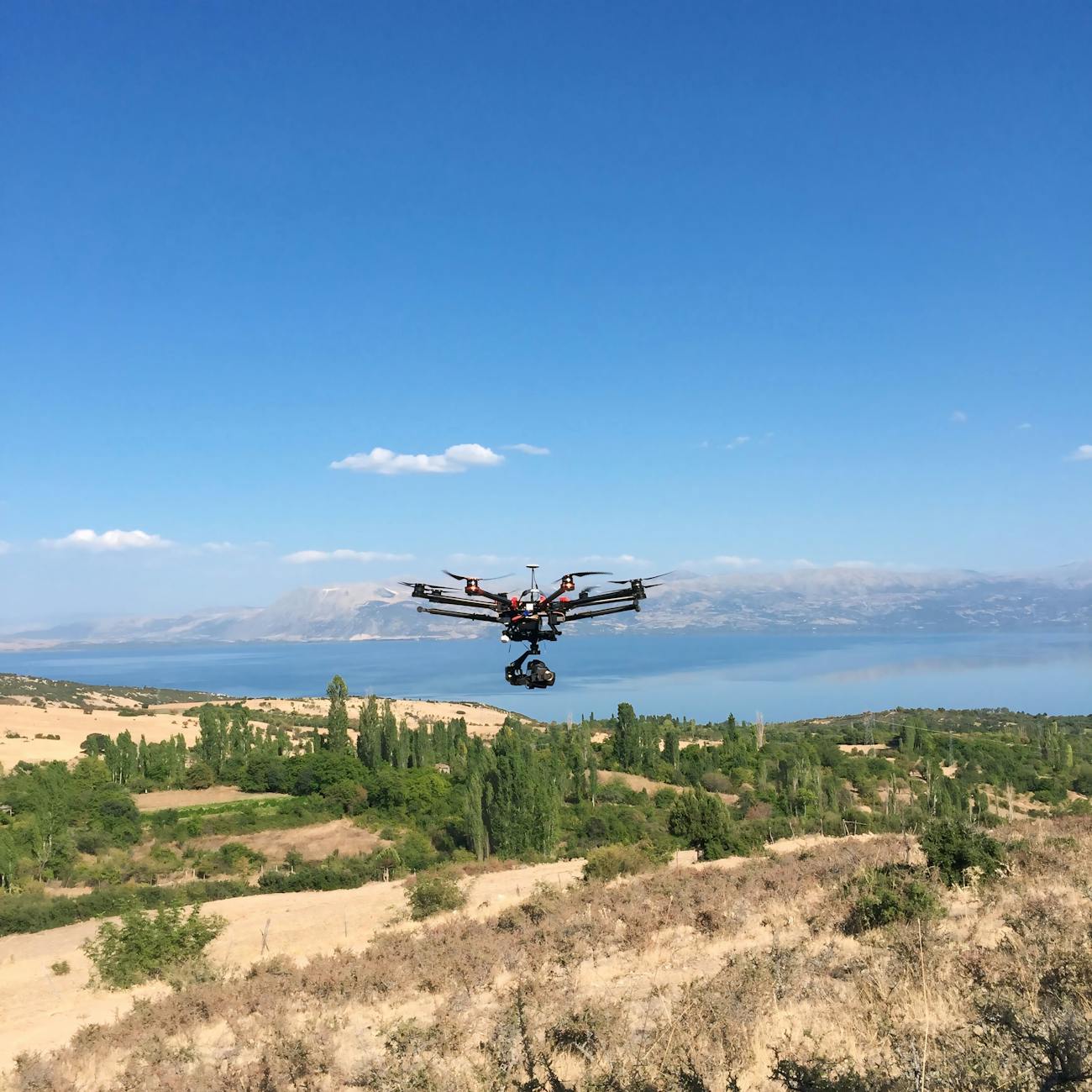
Drone Flight Dynamics: Drone flight dynamics refer to the study of the forces and moments that affect the movement and stability of drones in flight. Understanding drone flight dynamics is crucial for designing efficient and stable drone systems. It involves the analysis of various factors such as aerodynamics, propulsion, control systems, and environmental conditions that influence the behavior of drones in the air.
Key Terms and Vocabulary:
1. Aerodynamics: Aerodynamics is the study of how air flows around objects, such as drones, and the forces that act on these objects as they move through the air. Understanding aerodynamics is essential for optimizing the design and performance of drones.
2. Propulsion: Propulsion refers to the mechanism by which drones generate thrust to overcome drag and lift the aircraft off the ground. Common methods of propulsion for drones include electric motors, combustion engines, and jet engines.
3. Control Systems: Control systems are the devices and algorithms that govern the movement and stability of drones. These systems include sensors, actuators, and flight controllers that work together to keep the drone in a desired position and orientation.
4. Flight Controller: The flight controller is the brain of the drone, responsible for processing sensor data and sending commands to the actuators to control the drone's movement. It plays a crucial role in stabilizing the drone and executing flight maneuvers.
5. Actuators: Actuators are the components of a drone that translate control signals from the flight controller into physical movement. Common actuators used in drones include motors, servos, and hydraulic systems.
6. Thrust: Thrust is the force that propels a drone forward and counteracts drag. It is generated by the propulsion system and is crucial for achieving controlled flight.
7. Lift: Lift is the force that keeps a drone airborne and opposes the force of gravity. It is generated by the drone's wings, rotors, or propellers and is essential for achieving stable flight.
8. Drag: Drag is the resistance that air exerts on a drone as it moves through the atmosphere. Minimizing drag is important for maximizing the efficiency and speed of a drone.
9. Gravity: Gravity is the force that pulls a drone toward the Earth's surface. Managing the effects of gravity is essential for achieving altitude control and stable flight.
10. Stability: Stability refers to the ability of a drone to maintain a desired position and orientation in the air. Achieving stability is crucial for safe and efficient drone operations.
11. Maneuverability: Maneuverability refers to the agility and responsiveness of a drone in changing its direction, speed, and altitude. A highly maneuverable drone can perform complex flight maneuvers with precision.
12. Altitude: Altitude is the height of a drone above the ground or a reference point. Controlling altitude is essential for avoiding obstacles, maintaining communication, and adhering to regulations.
13. Yaw: Yaw is the rotation of a drone around its vertical axis. Controlling yaw allows the drone to change its direction without changing its orientation.
14. Pitch: Pitch is the rotation of a drone around its lateral axis. Controlling pitch allows the drone to tilt forward or backward.
15. Roll: Roll is the rotation of a drone around its longitudinal axis. Controlling roll allows the drone to tilt from side to side.
16. Banking: Banking is the combination of roll and yaw movements that allow a drone to turn smoothly while maintaining stability.
17. Hovering: Hovering is the ability of a drone to stay in a fixed position in the air without moving horizontally. Achieving stable hovering is a fundamental skill for drone pilots.
18. Waypoints: Waypoints are predetermined locations that a drone is programmed to fly to autonomously. Waypoint navigation enables drones to perform complex missions and surveillance tasks.
19. GPS: GPS (Global Positioning System) is a satellite-based navigation system that provides accurate location and timing information to drones. GPS is essential for autonomous flight and precise navigation.
20. Telemetry: Telemetry is the transmission of real-time data from the drone to the ground control station. Telemetry data includes information on the drone's position, speed, altitude, battery status, and sensor readings.
21. Obstacle Avoidance: Obstacle avoidance is the capability of a drone to detect and steer clear of obstacles in its flight path. Advanced drones use sensors such as lidar, radar, and cameras to avoid collisions.
22. Collision Avoidance: Collision avoidance is the ability of a drone to detect and prevent collisions with other aircraft, objects, or obstacles. Collision avoidance systems are crucial for ensuring the safety of drone operations.
23. Flight Envelope: The flight envelope is the range of speed, altitude, and maneuvers within which a drone can operate safely and efficiently. Understanding the flight envelope is essential for planning and executing drone missions.
24. Ground Effect: Ground effect is the phenomenon where the air pressure underneath a drone's wings increases when flying close to the ground. Ground effect can enhance lift and stability but may also affect control and maneuverability.
25. Wind Gusts: Wind gusts are sudden changes in wind speed and direction that can affect the stability and control of a drone. Pilots must account for wind gusts when flying outdoors to maintain safe and smooth flight.
26. Battery Management: Battery management involves monitoring and optimizing the usage of the drone's battery to ensure sufficient power for the entire flight. Efficient battery management is crucial for maximizing flight time and preventing mid-air failures.
27. Line of Sight: Line of sight refers to the direct visual contact between the drone pilot and the drone. Maintaining line of sight is a regulatory requirement in many countries to ensure safe and controlled drone operations.
28. Remote Control: Remote control is the handheld device used by the pilot to send commands to the drone wirelessly. Remote controls typically feature joysticks, switches, and buttons for controlling the drone's movement and functions.
29. Autonomous Flight: Autonomous flight is the ability of a drone to operate without direct human control, following pre-programmed instructions or using onboard sensors and algorithms. Autonomous flight is used for various applications, including surveillance, mapping, and delivery.
30. Fail-Safe Mode: Fail-safe mode is a safety feature that automatically activates in case of a system failure or loss of communication between the drone and the ground control station. Fail-safe mode typically involves the drone returning to a designated landing site or performing a controlled descent.
31. Ground Control Station: The ground control station is the base station where the pilot monitors and controls the drone's flight. It typically includes a computer, a display screen, and communication systems for sending commands and receiving telemetry data.
32. Regulations: Regulations are rules and restrictions imposed by aviation authorities to govern the operation of drones in airspace. Pilots must comply with regulations on registration, airspace restrictions, flight altitude, and safety measures to ensure legal and responsible drone operations.
33. Payload: Payload is the additional equipment or cargo that a drone carries during flight. Payloads can include cameras, sensors, delivery packages, or other specialized equipment for specific missions.
34. FPV (First Person View): FPV is a method of flying drones where the pilot uses a live video feed from an onboard camera to navigate the drone as if they were inside the aircraft. FPV flying is popular among drone racing and aerial photography enthusiasts.
35. Drone Racing: Drone racing is a competitive sport where pilots race their drones through obstacle courses at high speeds. Drone racing requires skill, precision, and quick reflexes to maneuver the drone through tight turns and challenging obstacles.
36. Photogrammetry: Photogrammetry is the process of creating 3D models or maps from aerial photographs captured by drones. Photogrammetry is used for mapping, surveying, and creating detailed visualizations of landscapes, buildings, and infrastructure.
37. Precision Agriculture: Precision agriculture is the use of drones and other technologies to optimize farming practices and increase crop yields. Drones are used for monitoring crop health, applying fertilizers and pesticides, and assessing field conditions from above.
38. Search and Rescue: Drones are used in search and rescue operations to locate missing persons, assess disaster areas, and deliver supplies to remote or inaccessible locations. Drones equipped with thermal cameras and sensors can help rescuers cover large areas quickly and efficiently.
39. Challenges: - Battery Life: Limited battery life is a common challenge for drones, restricting flight time and range. Advances in battery technology and efficient power management are essential for extending drone endurance. - Regulatory Compliance: Adhering to complex and evolving regulations is a challenge for drone operators, requiring knowledge of airspace restrictions, privacy laws, and safety protocols. - Weather Conditions: Adverse weather conditions, such as high winds, rain, or fog, can impact drone performance and safety. Pilots must assess weather conditions and plan flights accordingly to avoid accidents. - Interference: Signal interference from other electronic devices or radio sources can disrupt communication between the drone and the ground control station, leading to loss of control or crashes. - Security Risks: Drones are susceptible to hacking, hijacking, and unauthorized access, posing security risks to sensitive data, infrastructure, and public safety. Implementing encryption, authentication, and secure communication protocols is crucial for protecting drones from cyber threats.
40. Conclusion: Understanding drone flight dynamics and key terms in drone technology engineering is essential for aspiring drone pilots, engineers, and enthusiasts. By mastering the principles of aerodynamics, propulsion, control systems, and safety measures, individuals can design, operate, and innovate with drones effectively. Continual learning, practice, and adherence to regulations are vital for safe and responsible drone operations in various industries and applications.
Key takeaways
- It involves the analysis of various factors such as aerodynamics, propulsion, control systems, and environmental conditions that influence the behavior of drones in the air.
- Aerodynamics: Aerodynamics is the study of how air flows around objects, such as drones, and the forces that act on these objects as they move through the air.
- Propulsion: Propulsion refers to the mechanism by which drones generate thrust to overcome drag and lift the aircraft off the ground.
- These systems include sensors, actuators, and flight controllers that work together to keep the drone in a desired position and orientation.
- Flight Controller: The flight controller is the brain of the drone, responsible for processing sensor data and sending commands to the actuators to control the drone's movement.
- Actuators: Actuators are the components of a drone that translate control signals from the flight controller into physical movement.
- It is generated by the propulsion system and is crucial for achieving controlled flight.