
Introduction to Parrot Behavior
Introduction to Parrot Behavior:
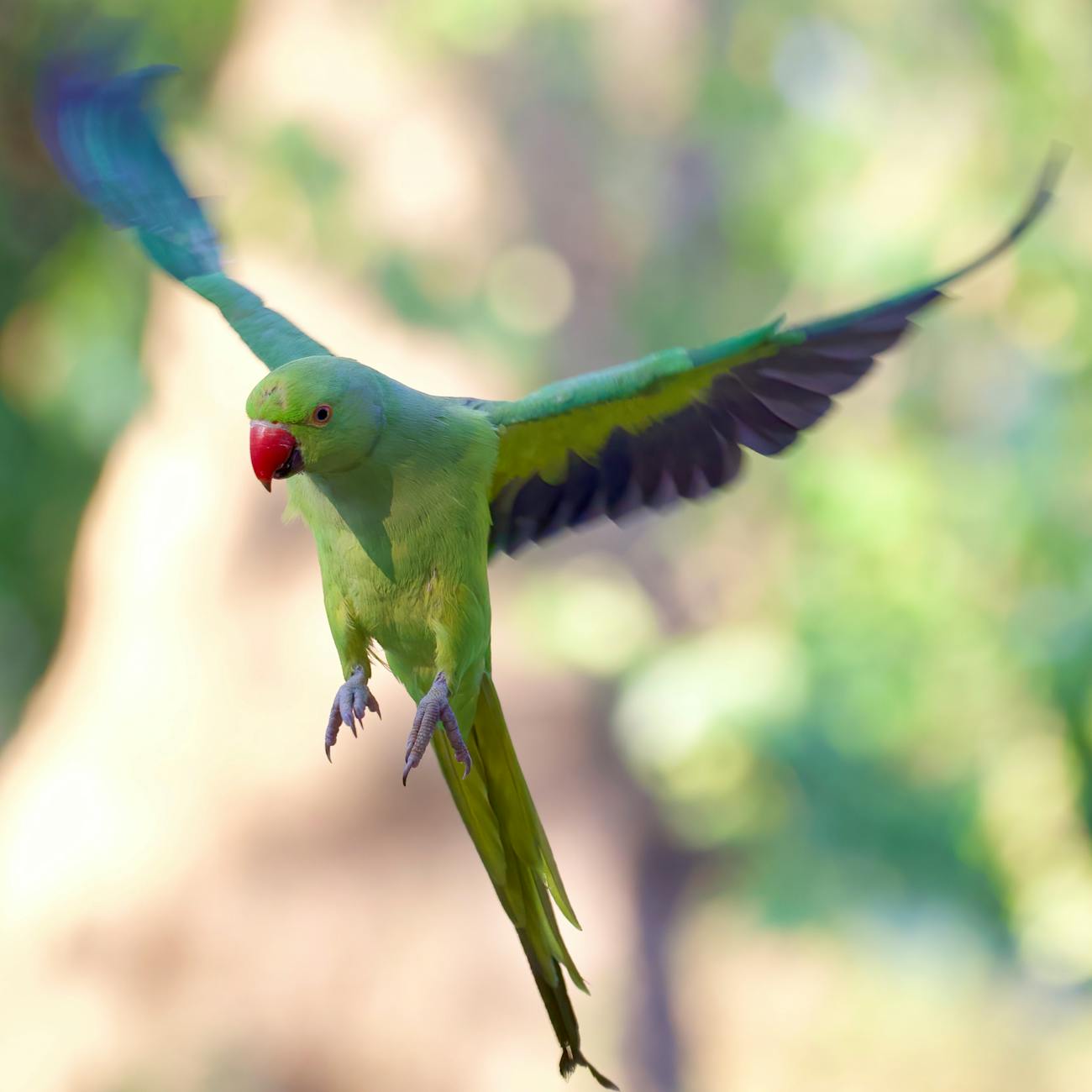
Introduction to Parrot Behavior:
Parrots are highly intelligent and social birds that exhibit a wide range of behaviors. Understanding these behaviors is crucial for parrot owners and trainers to provide appropriate care and training. In the course "Certificate in Parrot Behavior and Training," students will learn about key terms and vocabulary related to parrot behavior to enhance their knowledge and skills in working with these fascinating birds.
Key Terms:
1. Enrichment: Enrichment refers to activities or items that provide mental and physical stimulation for parrots. This can include toys, puzzles, foraging opportunities, and social interactions. Enrichment is essential for preventing boredom and promoting overall well-being in parrots.
2. Positive Reinforcement: Positive reinforcement is a training technique that involves rewarding desired behaviors to increase the likelihood of them being repeated. Treats, praise, or toys are commonly used as rewards in positive reinforcement training.
3. Behavior Modification: Behavior modification involves changing or shaping a parrot's behavior through training techniques. This can include reinforcing desired behaviors, ignoring unwanted behaviors, and using cues or commands to communicate with the bird.
4. Body Language: Parrots communicate through body language, which includes vocalizations, posture, gestures, and facial expressions. Understanding a parrot's body language is essential for interpreting its emotions and intentions.
5. Flight Training: Flight training involves teaching a parrot to fly on command or to perform specific flight behaviors. Flight training can help build trust between the parrot and its owner, as well as provide exercise and mental stimulation.
6. Feather Plucking: Feather plucking is a behavior where a parrot excessively preens or pulls out its feathers. This behavior can be caused by stress, boredom, health issues, or environmental factors. Addressing the underlying cause is essential to prevent feather plucking.
7. Foraging: Foraging is a natural behavior in parrots where they search for food in their environment. Providing foraging opportunities for parrots can help stimulate their natural instincts and prevent boredom.
8. Imprinting: Imprinting is a critical period in a parrot's early life where it forms attachments and learns social behaviors. Proper socialization and handling during this period are essential for a well-adjusted and socialized parrot.
9. Parrot Body Language: Parrots use body language to communicate their emotions, intentions, and needs. Understanding common parrot body language cues, such as fluffing feathers, dilated pupils, and vocalizations, can help owners interpret their parrot's behavior.
10. Target Training: Target training is a training technique where a parrot learns to touch a target, such as a stick or object, with its beak or body. Target training can be used to teach parrots new behaviors, improve focus, and strengthen the bond between the parrot and its owner.
Practical Applications:
Understanding key terms and vocabulary related to parrot behavior is essential for effectively caring for and training these intelligent birds. By applying this knowledge in practical situations, parrot owners and trainers can create a stimulating environment, build trust and communication with their parrots, and address behavioral issues effectively.
For example, knowing how to implement enrichment activities can help prevent boredom and reduce stress in pet parrots. Providing a variety of toys, puzzles, and foraging opportunities can keep parrots mentally stimulated and engaged, leading to improved overall well-being.
Similarly, understanding positive reinforcement techniques can help owners train their parrots to perform desired behaviors. By rewarding good behavior with treats, praise, or toys, parrots are more likely to repeat those behaviors, making training sessions more effective and enjoyable for both the parrot and the owner.
Furthermore, recognizing and addressing common behavior issues, such as feather plucking or aggression, requires a solid understanding of parrot behavior. By identifying the underlying causes of these behaviors and implementing appropriate behavior modification techniques, owners can help their parrots overcome these challenges and lead happier, healthier lives.
Challenges:
While learning about key terms and vocabulary related to parrot behavior is essential, applying this knowledge in real-life situations can present challenges for parrot owners and trainers. Some common challenges include:
1. Consistency: Consistency is key in training and modifying parrot behavior. Maintaining a consistent training schedule, using consistent cues and rewards, and enforcing consistent rules can be challenging for some owners.
2. Interpreting Body Language: Parrot body language can be complex and subtle, making it challenging for some owners to interpret correctly. Misinterpreting a parrot's body language can lead to misunderstandings and communication breakdowns.
3. Addressing Behavior Issues: Addressing behavior issues, such as aggression or fearfulness, can be challenging and require patience and persistence. Identifying the underlying causes of these issues and implementing effective behavior modification techniques can take time and effort.
4. Building Trust: Building trust with a parrot can be challenging, especially for birds that have had negative experiences in the past. Establishing a positive and trusting relationship with a parrot requires patience, consistency, and a deep understanding of the bird's behavior.
By recognizing these challenges and seeking support from experienced professionals or resources, parrot owners and trainers can overcome obstacles and create a positive and enriching environment for their feathered companions.
In conclusion, understanding key terms and vocabulary related to parrot behavior is essential for anyone working with these intelligent and social birds. By applying this knowledge in practical situations, addressing challenges effectively, and seeking support when needed, parrot owners and trainers can provide the best possible care and training for their feathered friends.
Key takeaways
- In the course "Certificate in Parrot Behavior and Training," students will learn about key terms and vocabulary related to parrot behavior to enhance their knowledge and skills in working with these fascinating birds.
- Enrichment: Enrichment refers to activities or items that provide mental and physical stimulation for parrots.
- Positive Reinforcement: Positive reinforcement is a training technique that involves rewarding desired behaviors to increase the likelihood of them being repeated.
- This can include reinforcing desired behaviors, ignoring unwanted behaviors, and using cues or commands to communicate with the bird.
- Body Language: Parrots communicate through body language, which includes vocalizations, posture, gestures, and facial expressions.
- Flight Training: Flight training involves teaching a parrot to fly on command or to perform specific flight behaviors.
- Feather Plucking: Feather plucking is a behavior where a parrot excessively preens or pulls out its feathers.