
Understanding Parrot Communication
Understanding Parrot Communication
Understanding Parrot Communication
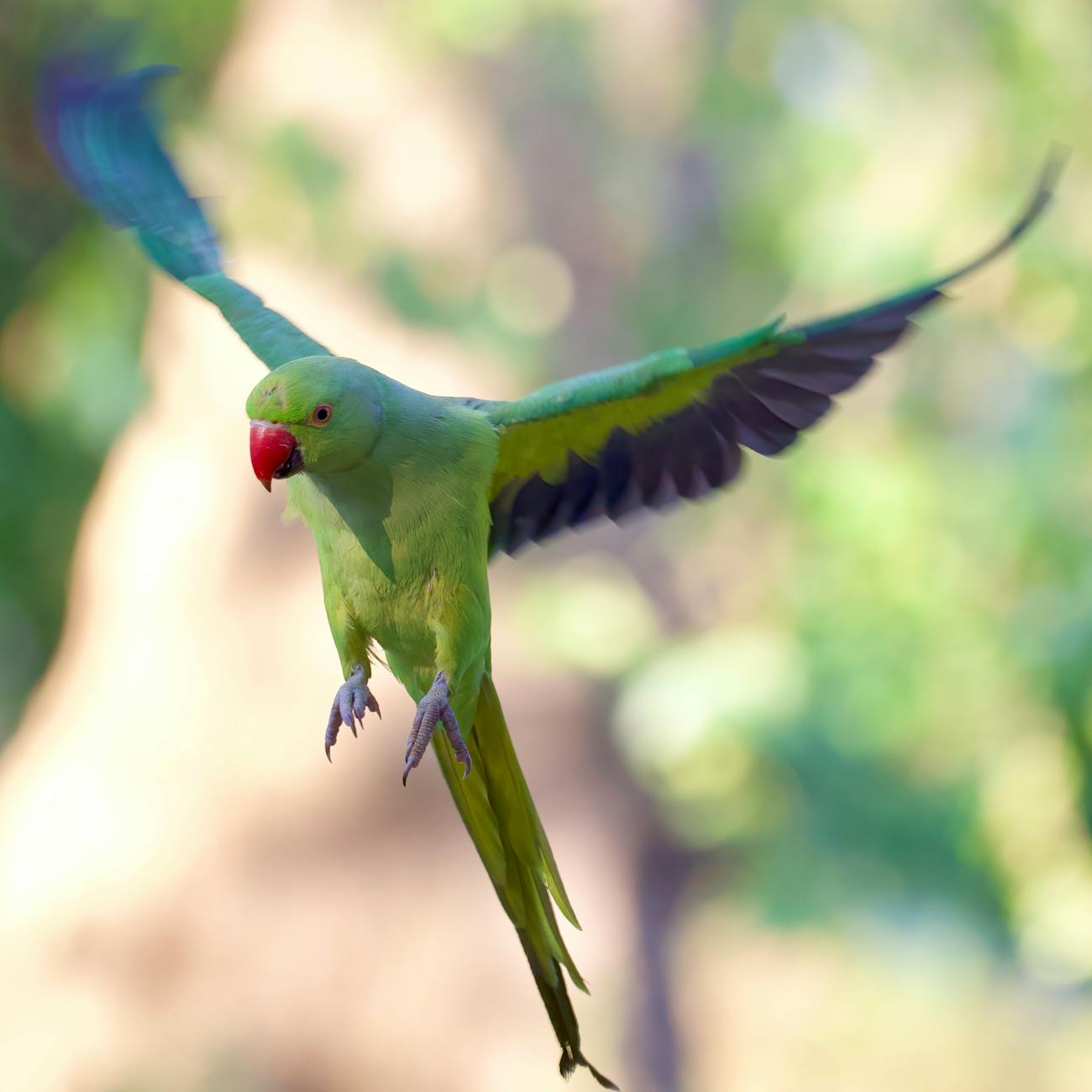
Parrots are known for their colorful plumage and ability to mimic human speech, but their communication goes far beyond just talking. In the wild, parrots use a variety of vocalizations, body language, and other signals to communicate with each other and their environment. Understanding parrot communication is essential for anyone who wants to work with these intelligent and social birds.
Key Terms and Vocabulary
1. **Body Language**: Parrots use a range of body movements to communicate their feelings and intentions. For example, a parrot that is feeling threatened may puff up its feathers to appear larger, while a parrot that is relaxed and content may fluff its feathers and stretch out its wings.
2. **Vocalizations**: Parrots are known for their ability to mimic human speech, but they also have a wide range of natural vocalizations that they use to communicate with each other. These vocalizations can include squawks, chirps, whistles, and even screams.
3. **Feather Fluffing**: When a parrot fluffs up its feathers, it is a sign that the bird is relaxed and content. This behavior is often seen when a parrot is resting or being petted.
4. **Beak Clacking**: Parrots may clack their beaks together as a form of communication. This behavior can indicate excitement, aggression, or simply be a form of play.
5. **Eye Pinning**: When a parrot's pupils dilate rapidly, it is known as "eye pinning." This behavior can indicate that the bird is feeling excited, threatened, or even in pain.
6. **Head Bobbing**: Parrots may bob their heads up and down as a form of communication. This behavior can indicate curiosity, excitement, or even a desire to play.
7. **Preening**: Parrots spend a significant amount of time preening their feathers to keep them clean and healthy. Preening can also be a form of social bonding, as parrots will often preen each other as a sign of affection.
8. **Regurgitation**: Parrots may regurgitate food as a form of bonding behavior. This behavior is most commonly seen in breeding pairs or between a parent and its offspring.
9. **Aggression**: Like any social animals, parrots can display aggressive behaviors. These behaviors can include biting, lunging, or screaming. It is important to understand the reasons behind these behaviors and how to address them effectively.
10. **Territorial Behavior**: Parrots can be territorial creatures, especially when it comes to their cages or favorite perches. Understanding a parrot's territorial behavior can help prevent conflicts and aggression.
11. **Flock Dynamics**: Parrots are social animals that live in flocks in the wild. Understanding flock dynamics can help you create a harmonious environment for your pet parrot and prevent loneliness or stress.
12. **Molting**: Parrots go through a molting process where they shed old feathers and grow new ones. Molting can be a stressful time for parrots, so it is important to provide extra care and attention during this period.
13. **Bonding**: Building a strong bond with your parrot is essential for a healthy and happy relationship. Bonding activities can include spending time together, training, and providing enrichment opportunities.
14. **Positive Reinforcement**: Training a parrot using positive reinforcement techniques can help strengthen your bond and encourage desirable behaviors. Rewards such as treats, praise, or toys can be used to reinforce good behavior.
15. **Enrichment**: Parrots are intelligent and curious creatures that require mental stimulation to thrive. Providing enrichment activities such as puzzle toys, foraging opportunities, and training sessions can help keep your parrot happy and engaged.
16. **Body Condition**: Monitoring your parrot's body condition is important for detecting any changes in health or wellness. Regularly checking your parrot's weight, feathers, and overall appearance can help you identify any potential issues early on.
17. **Environmental Enrichment**: Creating a stimulating environment for your parrot is essential for their well-being. This can include providing a variety of perches, toys, and activities to keep your parrot mentally and physically active.
18. **Socialization**: Parrots are social creatures that thrive on interaction with their human caregivers and other animals. Regular socialization can help prevent behavioral issues and ensure a well-adjusted and happy parrot.
19. **Problem Behaviors**: Understanding common problem behaviors in parrots, such as screaming, biting, or feather plucking, is essential for addressing these issues effectively. Identifying the root cause of the behavior and implementing appropriate training and management strategies can help modify these behaviors.
20. **Health and Wellness**: Monitoring your parrot's health and wellness is crucial for their overall well-being. Regular veterinary check-ups, a balanced diet, and a clean environment are essential for keeping your parrot healthy and happy.
Practical Applications
Understanding parrot communication is essential for anyone working with these intelligent and social birds. By learning to interpret their vocalizations, body language, and other signals, you can build a strong bond with your parrot and create a harmonious environment for them to thrive.
For example, if your parrot starts fluffing its feathers and bobbing its head while you are interacting with them, it may be a sign that they are feeling happy and engaged. On the other hand, if your parrot starts clacking its beak and pinning its eyes while you are handling them, it may be a sign that they are feeling anxious or threatened.
By paying attention to these subtle cues and responding appropriately, you can create a positive and enriching experience for both you and your parrot. Building a strong bond based on trust and understanding will help you address any behavior issues effectively and ensure a happy and healthy life for your feathered friend.
Challenges
While understanding parrot communication is crucial for building a strong bond with your pet, it can also present challenges. Parrots are complex creatures with a wide range of behaviors and vocalizations, making it sometimes difficult to interpret their signals accurately.
Additionally, parrots are highly intelligent and can be sensitive to changes in their environment or routine. This means that they may exhibit behaviors that seem out of the ordinary or challenging to address.
One common challenge in working with parrots is addressing problem behaviors such as biting, screaming, or feather plucking. These behaviors can be caused by a variety of factors, including boredom, stress, or medical issues. Understanding the root cause of these behaviors and implementing appropriate training and management techniques is essential for addressing them effectively.
Another challenge in working with parrots is providing adequate mental and physical stimulation. Parrots are highly intelligent animals that require regular enrichment activities to keep them engaged and prevent boredom. Finding creative ways to stimulate your parrot's mind and body can be a challenge but is essential for their overall well-being.
In conclusion, understanding parrot communication is essential for anyone working with these intelligent and social birds. By learning to interpret their vocalizations, body language, and other signals, you can build a strong bond with your parrot and create a harmonious environment for them to thrive. Despite the challenges that may arise, the rewards of a happy and healthy relationship with your feathered friend are well worth the effort.
Key takeaways
- In the wild, parrots use a variety of vocalizations, body language, and other signals to communicate with each other and their environment.
- For example, a parrot that is feeling threatened may puff up its feathers to appear larger, while a parrot that is relaxed and content may fluff its feathers and stretch out its wings.
- **Vocalizations**: Parrots are known for their ability to mimic human speech, but they also have a wide range of natural vocalizations that they use to communicate with each other.
- **Feather Fluffing**: When a parrot fluffs up its feathers, it is a sign that the bird is relaxed and content.
- **Beak Clacking**: Parrots may clack their beaks together as a form of communication.
- " This behavior can indicate that the bird is feeling excited, threatened, or even in pain.
- **Head Bobbing**: Parrots may bob their heads up and down as a form of communication.