
Breeding and Reproduction in Parrots
Breeding and Reproduction in Parrots
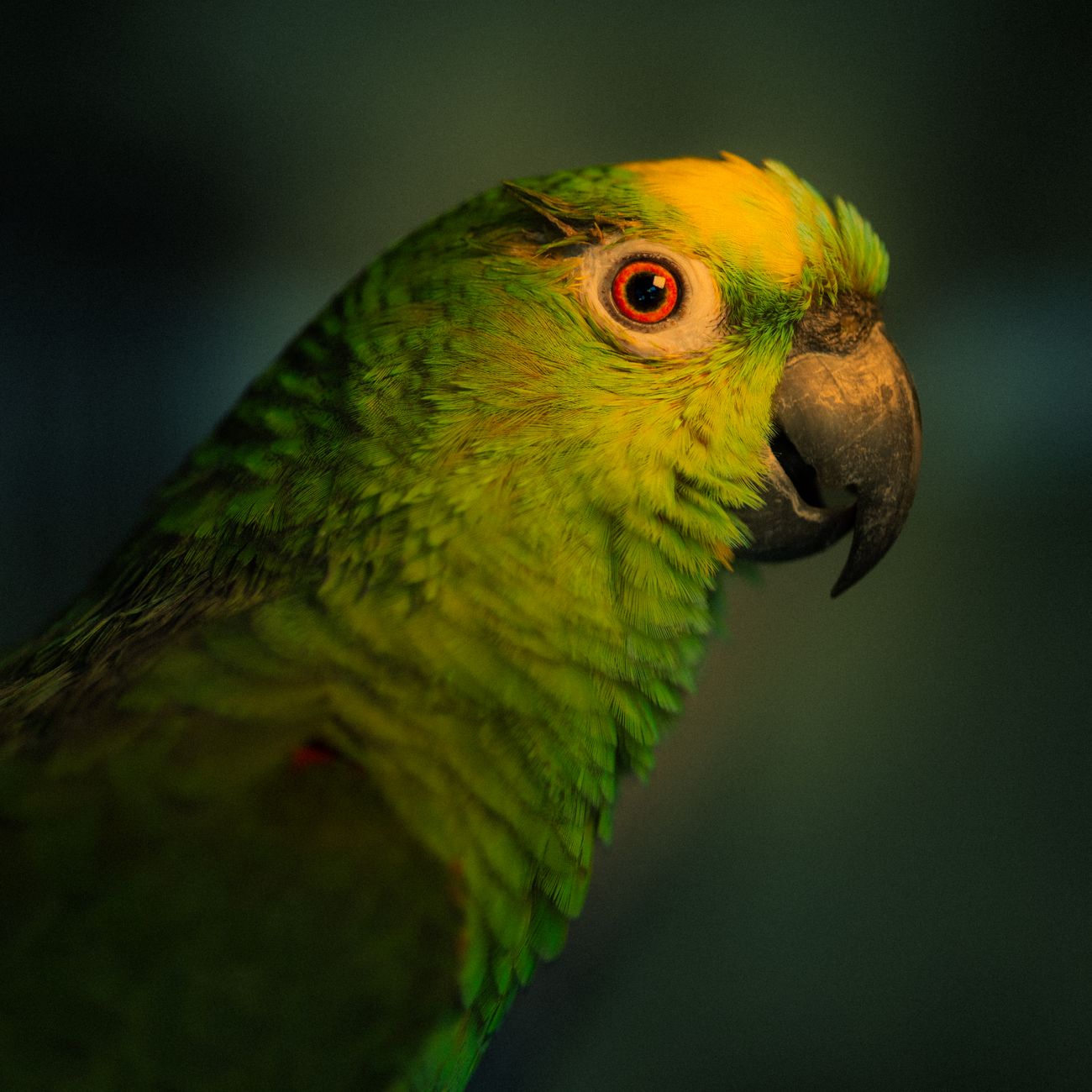
Breeding and Reproduction in Parrots
Breeding and reproduction are crucial aspects of parrot behavior that greatly influence their overall health, well-being, and population sustainability. Understanding the key terms and vocabulary associated with these topics is essential for anyone working with parrots, whether as a pet owner, breeder, or conservationist. This comprehensive guide will cover the essential terminology related to breeding and reproduction in parrots, providing you with a solid foundation to enhance your knowledge and skills in this area.
1. **Sexual Dimorphism**: Sexual dimorphism refers to the differences in size, color, or other physical characteristics between males and females of the same species. In many parrot species, males and females exhibit distinct traits that help differentiate between the sexes. For example, in Eclectus parrots, males have bright green plumage while females have predominantly red plumage.
2. **Courtship**: Courtship behavior is a series of ritualized behaviors that parrots engage in to attract a mate and establish a pair bond. These behaviors can include vocalizations, displays, and physical interactions. Courtship behaviors are essential for pair formation and successful breeding in parrots.
3. **Pair Bonding**: Pair bonding is the formation of a strong social bond between a male and female parrot. This bond is crucial for successful breeding and raising offspring. Parrots that have a strong pair bond will engage in mutual preening, feeding, and other cooperative behaviors.
4. **Nesting**: Nesting behavior involves the selection of a suitable nesting site, the construction of a nest, and the laying of eggs. Parrots exhibit a wide range of nesting habits, from cavity nesters that nest in tree hollows to ground nesters that build nests on the forest floor.
5. **Clutch**: A clutch refers to a group of eggs laid by a female parrot in a single reproductive cycle. The number of eggs in a clutch can vary depending on the species, with some parrots laying only one or two eggs per clutch while others may lay up to six or more.
6. **Incubation**: Incubation is the process of keeping the eggs warm to allow them to develop and hatch. In most parrot species, the female is primarily responsible for incubating the eggs, although males may also take turns incubating. The duration of incubation varies depending on the species but typically lasts between 18 to 30 days.
7. **Brooding**: Brooding refers to the act of keeping the hatchlings warm and protected after they have hatched. The female parrot will sit on the nest and cover the chicks with her body to regulate their body temperature and provide them with security.
8. **Altricial vs. Precocial**: These terms describe the level of development of the hatchlings at birth. Altricial species, such as macaws and cockatoos, are born helpless and require extensive care from their parents. Precocial species, such as budgerigars and lovebirds, are born with their eyes open and can feed themselves shortly after hatching.
9. **Fledging**: Fledging is the process of young parrots developing their flight feathers and learning to fly. This stage is crucial for the survival of the offspring as it enables them to escape predators and find food. Fledging typically occurs a few weeks after hatching, depending on the species.
10. **Weaning**: Weaning is the process of transitioning young parrots from a diet of regurgitated food from their parents to solid food. This stage is essential for the young parrots to become independent and self-sufficient. Weaning can be a challenging time for both the parents and the offspring.
11. **Parental Care**: Parental care refers to the behaviors exhibited by adult parrots to ensure the survival and well-being of their offspring. This can include feeding, grooming, protecting, and teaching the young parrots essential skills. Strong parental care is critical for the successful rearing of offspring.
12. **Reproductive Hormones**: Reproductive hormones play a crucial role in regulating the breeding behavior of parrots. These hormones, such as estrogen and testosterone, control the reproductive cycle, including courtship, nesting, and incubation. Understanding the hormonal changes in parrots can help breeders predict and manage breeding behavior.
13. **Breeding Season**: Breeding season is the time of year when parrots are most likely to engage in reproductive activities. The breeding season can vary depending on the species, environmental conditions, and geographical location. Some parrot species have specific breeding seasons, while others may breed year-round.
14. **Monogamy vs. Polygamy**: These terms describe the mating systems of parrots. Monogamous species form long-term pair bonds with a single mate, while polygamous species may have multiple mates. Both mating systems are observed in different parrot species and can have implications for breeding behavior and social dynamics.
15. **Inbreeding**: Inbreeding occurs when closely related individuals mate, leading to an increased risk of genetic disorders and health problems in the offspring. Inbreeding is a significant concern in captive parrot populations, where limited genetic diversity can result in breeding challenges and reduced fitness.
16. **Hand-rearing**: Hand-rearing is the practice of raising young parrots by hand, without the presence of their parents. Hand-rearing can be necessary in situations where the parents are unable to care for the offspring or in breeding programs where close monitoring is required. Proper hand-rearing techniques are essential to ensure the health and well-being of the young parrots.
17. **Artificial Incubation**: Artificial incubation is the process of using incubators to hatch parrot eggs outside of a natural nesting environment. This technique is commonly used in breeding programs to increase hatch rates and control environmental conditions. Proper temperature, humidity, and turning are essential for successful artificial incubation.
18. **Egg Candling**: Egg candling is a technique used to determine the fertility and development of parrot eggs. A bright light source is shined through the egg to reveal the internal structures, such as blood vessels and embryo development. Egg candling can help breeders assess the viability of eggs and monitor the progress of incubation.
19. **Aviary Management**: Aviary management involves the design, construction, and maintenance of the housing facilities for parrots. Proper aviary design is essential for providing a safe and stimulating environment for breeding pairs and their offspring. Factors such as size, layout, lighting, and ventilation are crucial considerations in aviary management.
20. **Breeding Records**: Keeping accurate breeding records is essential for monitoring the reproductive success of parrots and tracking genetic lineages. Breeding records should include information such as mating dates, clutch size, hatch dates, parentage, and any health or behavioral observations. These records are valuable for making informed breeding decisions and improving breeding outcomes.
21. **Breeding Pairs**: Breeding pairs are male and female parrots that have formed a successful pair bond and are actively engaging in reproductive behaviors. Selecting compatible breeding pairs based on genetics, temperament, and breeding history is crucial for maximizing breeding success and producing healthy offspring.
22. **Nest Box**: A nest box is a specially designed enclosure provided to parrots for nesting and laying eggs. Nest boxes should mimic the natural nesting sites of the species, providing a secure and comfortable environment for the breeding pair. Proper placement and maintenance of nest boxes are essential for encouraging breeding behavior.
23. **Fertility Testing**: Fertility testing is the process of assessing the reproductive health and fertility of breeding pairs. This can involve veterinary examinations, hormonal testing, and semen analysis in male parrots. Fertility testing helps identify potential breeding challenges and allows for early intervention to improve breeding success.
24. **Parent-rearing vs. Hand-rearing**: Parent-rearing refers to allowing the adult parrots to care for and raise their offspring naturally, while hand-rearing involves human intervention in raising the young parrots. Both methods have their advantages and challenges, and the choice between parent-rearing and hand-rearing depends on various factors such as breeding goals, parental behavior, and resource availability.
25. **Breeding Age**: Breeding age refers to the age at which parrots reach sexual maturity and are capable of reproducing. The breeding age can vary between species, with some parrots reaching sexual maturity as early as one year old, while others may take several years to reach breeding age. Breeding too early or too late can have implications for the health and reproductive success of parrots.
26. **Genetic Diversity**: Genetic diversity refers to the variety of genes within a population or breeding group. Maintaining genetic diversity is crucial for the long-term health and viability of parrot populations. Inbreeding and genetic bottlenecks can reduce genetic diversity, leading to increased susceptibility to diseases and decreased reproductive fitness.
27. **Breeding Challenges**: Breeding parrots can present various challenges, including infertility, egg binding, chick mortality, and behavioral issues. Identifying and addressing these challenges requires careful observation, veterinary consultation, and proactive management strategies. Overcoming breeding challenges is essential for maintaining healthy breeding populations and ensuring the welfare of parrots.
28. **Breeding Ethics**: Breeding ethics encompass the moral principles and guidelines that govern responsible breeding practices in parrots. Ethical breeding practices prioritize the health and well-being of the parrots, conservation of genetic diversity, and adherence to animal welfare standards. Breeders should strive to uphold ethical standards in all aspects of breeding and reproduction.
29. **Breeding Programs**: Breeding programs are organized initiatives aimed at conserving endangered parrot species, improving genetic diversity, and promoting sustainable breeding practices. These programs often involve collaboration between zoos, conservation organizations, and breeders to coordinate breeding efforts, manage genetic populations, and reintroduce captive-bred parrots into the wild.
30. **Reproductive Behavior**: Reproductive behavior encompasses the complex behaviors exhibited by parrots during the breeding season, such as courtship displays, nest building, egg laying, and chick rearing. Understanding reproductive behavior is essential for interpreting the breeding readiness of parrots, addressing breeding challenges, and promoting successful reproduction.
31. **Breeding Partnerships**: Breeding partnerships involve forming collaborations between breeders, researchers, and conservationists to exchange knowledge, resources, and breeding stock. These partnerships can enhance breeding outcomes, facilitate genetic diversity, and contribute to the conservation of endangered parrot species. Building strong breeding partnerships is essential for advancing breeding and conservation efforts.
32. **Breeding Success**: Breeding success is measured by the ability of breeding pairs to produce healthy offspring that survive to independence. Factors that contribute to breeding success include genetic compatibility, environmental conditions, parental care, and proactive management. Monitoring breeding success and identifying factors that influence reproductive outcomes are essential for improving breeding practices.
33. **Reproductive Cycles**: Reproductive cycles refer to the periodic changes in hormonal levels and behaviors that parrots undergo during the breeding season. Understanding the reproductive cycles of parrots can help breeders predict breeding readiness, optimize breeding conditions, and support the natural reproductive rhythms of the birds.
34. **Breeding Behavior**: Breeding behavior encompasses the range of behaviors exhibited by parrots during the breeding season, including courtship, nest building, mating, egg laying, and chick rearing. Breeding behavior is influenced by genetic, environmental, and social factors and plays a crucial role in the reproductive success of parrots.
35. **Breeding Strategies**: Breeding strategies involve the deliberate planning and implementation of breeding practices to achieve specific breeding goals. Strategies can include selecting breeding pairs, managing genetic diversity, monitoring reproductive health, and optimizing breeding conditions. Developing effective breeding strategies is essential for maximizing breeding success and promoting the welfare of parrots.
36. **Breeding Enrichment**: Breeding enrichment refers to providing environmental stimuli, social interactions, and behavioral challenges to breeding pairs to enhance their well-being and reproductive success. Enrichment activities can include providing nesting materials, foraging opportunities, and social interactions to stimulate natural behaviors and reduce stress during the breeding season.
37. **Breeding Management**: Breeding management involves overseeing all aspects of the breeding process, from pair selection and nest preparation to chick rearing and post-breeding care. Effective breeding management requires attention to detail, proactive planning, and continuous monitoring of breeding pairs and their offspring. Good breeding management practices are essential for promoting successful breeding outcomes.
38. **Breeding Potential**: Breeding potential refers to the reproductive capacity of individual parrots or breeding pairs. Factors that influence breeding potential include age, health, genetic background, and environmental conditions. Assessing the breeding potential of parrots can help breeders make informed decisions about pairings, breeding strategies, and reproductive outcomes.
39. **Breeding Behavior Modification**: Breeding behavior modification involves using positive reinforcement training techniques to modify undesirable breeding behaviors in parrots. Common breeding behaviors that may require modification include aggression, territoriality, and excessive egg laying. By addressing these behaviors through training and environmental management, breeders can promote healthier breeding outcomes and enhance the welfare of the parrots.
40. **Breeding Challenges and Solutions**: Breeding challenges such as infertility, egg binding, and chick mortality require proactive management and creative solutions to overcome. Consultation with avian veterinarians, behavior specialists, and experienced breeders can help identify the underlying causes of breeding challenges and develop effective solutions. By addressing breeding challenges promptly and effectively, breeders can improve breeding success and maintain healthy breeding populations.
By familiarizing yourself with these key terms and vocabulary related to breeding and reproduction in parrots, you will be better equipped to understand and navigate the complex behaviors and processes involved in parrot breeding. Whether you are a pet owner, breeder, or conservationist, this knowledge will enhance your ability to promote the health, welfare, and sustainability of parrot populations.
Key takeaways
- This comprehensive guide will cover the essential terminology related to breeding and reproduction in parrots, providing you with a solid foundation to enhance your knowledge and skills in this area.
- **Sexual Dimorphism**: Sexual dimorphism refers to the differences in size, color, or other physical characteristics between males and females of the same species.
- **Courtship**: Courtship behavior is a series of ritualized behaviors that parrots engage in to attract a mate and establish a pair bond.
- Parrots that have a strong pair bond will engage in mutual preening, feeding, and other cooperative behaviors.
- Parrots exhibit a wide range of nesting habits, from cavity nesters that nest in tree hollows to ground nesters that build nests on the forest floor.
- The number of eggs in a clutch can vary depending on the species, with some parrots laying only one or two eggs per clutch while others may lay up to six or more.
- In most parrot species, the female is primarily responsible for incubating the eggs, although males may also take turns incubating.