
Health and Wellness for Parrots
Health and Wellness for Parrots
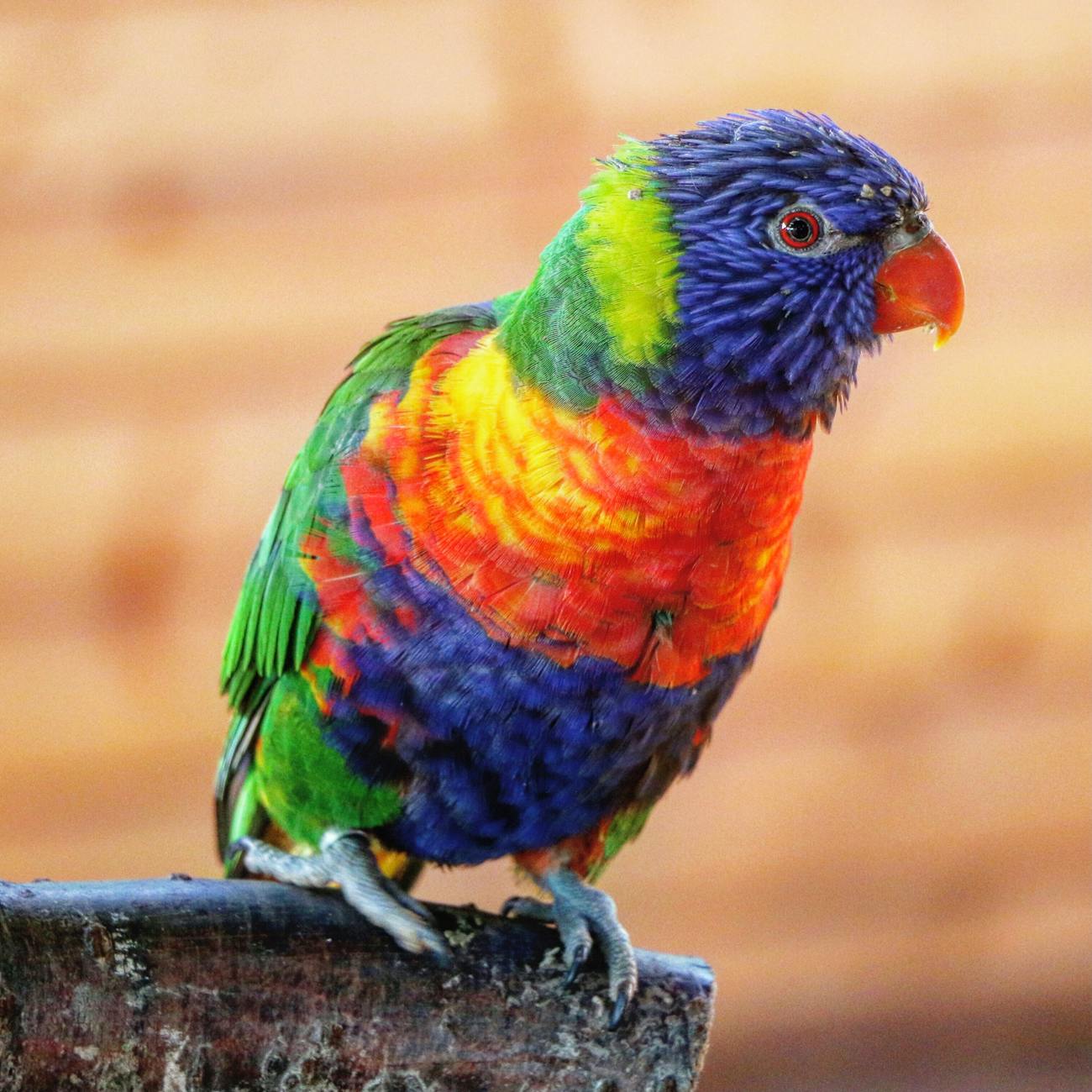
Health and Wellness for Parrots
Introduction Parrots are highly intelligent and social birds that require specific care to maintain their health and overall well-being. As a parrot owner, understanding key terms and concepts related to health and wellness is crucial to providing the best possible care for your feathered friend.
Avian Veterinarian An avian veterinarian is a specialized veterinarian who has training and experience in treating birds, including parrots. It is essential to find an avian veterinarian in your area who can provide routine check-ups and emergency care for your parrot.
Annual Wellness Exam An annual wellness exam is a comprehensive check-up performed by an avian veterinarian to assess your parrot's overall health. During this exam, the veterinarian will conduct a physical examination, check for signs of illness, and recommend any necessary treatments or preventative care measures.
Dietary Requirements Parrots have specific dietary requirements that must be met to maintain their health and well-being. A balanced diet for a parrot includes a variety of fresh fruits, vegetables, seeds, pellets, and occasional treats. It is essential to research and provide a nutritionally complete diet for your parrot to prevent deficiencies and promote longevity.
Exercise Regular exercise is crucial for the physical and mental health of parrots. Providing ample opportunities for your parrot to fly, climb, play, and explore their environment is essential. Lack of exercise can lead to obesity, muscle atrophy, and behavioral issues in parrots.
Behavioral Enrichment Behavioral enrichment involves providing activities and toys that stimulate a parrot's natural behaviors and instincts. Enrichment can include foraging toys, puzzle feeders, swings, ropes, and perches. Engaging in enrichment activities helps prevent boredom, reduce stress, and promote mental stimulation for parrots.
Environmental Enrichment Environmental enrichment focuses on creating a stimulating and safe environment for parrots to thrive. This can include providing a variety of perches, toys, hiding spots, and climbing opportunities in the parrot's enclosure. Creating a dynamic and enriching environment can help prevent boredom, encourage natural behaviors, and enhance the overall well-being of your parrot.
Stress Management Stress can have a significant impact on a parrot's health and behavior. Common stressors for parrots include changes in routine, loud noises, new environments, and lack of social interaction. It is essential to identify and reduce stressors in your parrot's environment to promote overall well-being.
Preventative Care Preventative care involves taking proactive steps to prevent illness and injury in your parrot. This can include regular veterinary check-ups, providing a balanced diet, maintaining a clean environment, and monitoring your parrot's behavior and health closely. Preventative care is essential for promoting long-term health and well-being in parrots.
Common Health Issues Parrots are susceptible to a variety of health issues, including respiratory infections, feather plucking, nutritional deficiencies, and beak and nail overgrowth. It is important to be aware of common health issues in parrots and seek veterinary care promptly if you notice any signs of illness or distress in your bird.
Signs of Illness Signs of illness in parrots can vary but may include changes in appetite, weight loss, lethargy, sneezing, discharge from the eyes or nostrils, changes in droppings, and abnormal behavior. It is essential to monitor your parrot closely for any signs of illness and seek veterinary care if you have any concerns.
Quarantine Quarantine is the practice of isolating a new parrot from existing birds in your household to prevent the spread of disease. Quarantine should be done for a minimum of 30 days and involves keeping the new parrot in a separate room with separate supplies and cleaning protocols. Quarantine is essential to protect the health of all birds in your household.
Parasite Control Parasites such as mites, lice, and intestinal worms can affect the health of parrots. Regular parasite prevention and control measures, such as regular cleaning of the environment, proper hygiene practices, and preventative medications prescribed by a veterinarian, are essential to keep your parrot parasite-free.
Feather Care Feather care is essential for the health and well-being of parrots. Parrots engage in preening to maintain their feathers, but they may require additional grooming assistance from their owners. Regular baths, proper humidity levels, and a balanced diet can help keep your parrot's feathers healthy and vibrant.
Leg Bands Leg bands are small metal or plastic rings that are placed on a parrot's leg for identification purposes. While leg bands can provide valuable information about a parrot's origin and history, they can also pose risks, such as getting caught on objects or causing injury. It is essential to monitor leg bands regularly and consider having them removed by a veterinarian if they pose a risk to your parrot.
Flight Training Flight training involves teaching a parrot to fly safely and confidently in a controlled environment. Flight training can provide exercise, mental stimulation, and enrichment for parrots. Proper flight training techniques should be used to ensure the safety and well-being of your parrot.
Training and Socialization Training and socialization are essential for building a strong bond with your parrot and promoting positive behaviors. Training can include teaching basic commands, tricks, and positive reinforcement techniques. Socialization involves exposing your parrot to different people, animals, and environments to help them feel comfortable and confident in various situations.
Toxic Substances Parrots are sensitive to a variety of toxic substances that can be found in their environment. Common toxic substances for parrots include lead, zinc, avocado, chocolate, caffeine, and certain household plants. It is essential to research and avoid exposing your parrot to any toxic substances to prevent illness or injury.
Emergency Preparedness Being prepared for emergencies is essential for the health and safety of your parrot. Creating an emergency kit with essential supplies, knowing the location of the nearest avian veterinarian, and having a plan in place for evacuating your parrot in case of a natural disaster are important steps to take to ensure your parrot's well-being in an emergency situation.
Conclusion Understanding key terms and concepts related to health and wellness for parrots is essential for providing optimal care for your feathered companion. By focusing on preventative care, proper nutrition, environmental enrichment, and regular veterinary check-ups, you can help ensure the health and well-being of your parrot for years to come.
Key takeaways
- As a parrot owner, understanding key terms and concepts related to health and wellness is crucial to providing the best possible care for your feathered friend.
- Avian Veterinarian An avian veterinarian is a specialized veterinarian who has training and experience in treating birds, including parrots.
- During this exam, the veterinarian will conduct a physical examination, check for signs of illness, and recommend any necessary treatments or preventative care measures.
- It is essential to research and provide a nutritionally complete diet for your parrot to prevent deficiencies and promote longevity.
- Providing ample opportunities for your parrot to fly, climb, play, and explore their environment is essential.
- Behavioral Enrichment Behavioral enrichment involves providing activities and toys that stimulate a parrot's natural behaviors and instincts.
- Creating a dynamic and enriching environment can help prevent boredom, encourage natural behaviors, and enhance the overall well-being of your parrot.