
* Social Behavior in Public Spaces
Social behavior in public spaces refers to the ways individuals and groups act, interact, and respond to one another within shared environments such as streets, parks, plazas, and transit hubs. This concept encompasses a broad range of acti…
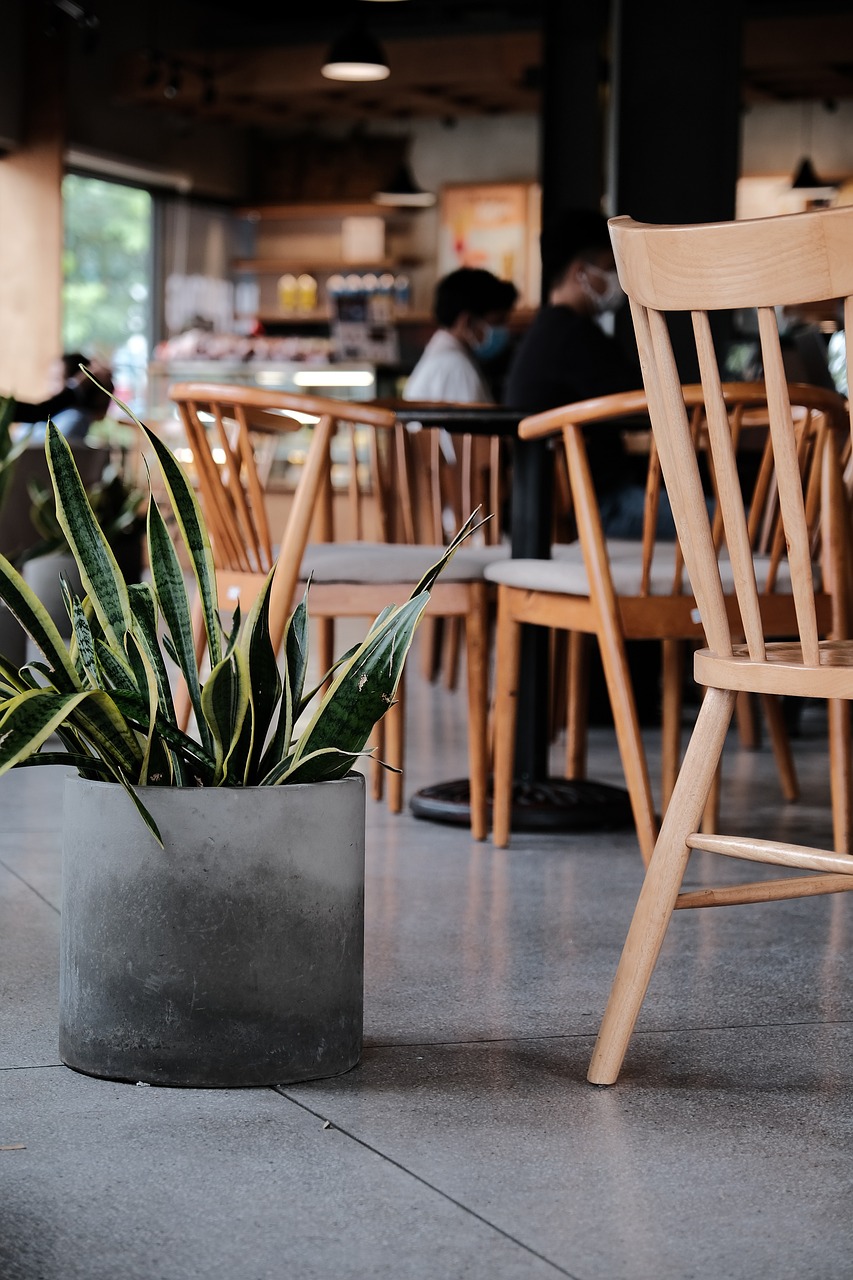
Social behavior in public spaces refers to the ways individuals and groups act, interact, and respond to one another within shared environments such as streets, parks, plazas, and transit hubs. This concept encompasses a broad range of activities from casual conversation with a stranger to coordinated collective action during a public demonstration. Understanding social behavior is essential for designers, planners, and researchers who aim to create environments that support positive interactions while mitigating conflict and discomfort.
The term public space denotes any area that is open and accessible to all members of a community, regardless of ownership or private restrictions. Public spaces are not limited to outdoor settings; they also include indoor venues such as libraries, shopping malls, and transit stations. A key characteristic of a public space is its capacity to serve multiple functions simultaneously, ranging from movement and transit to leisure, socialization, and civic engagement.
Place attachment describes the emotional bond that individuals develop with specific locations. This bond emerges through repeated experiences, personal memories, and cultural meanings associated with a site. Strong place attachment can increase the likelihood that people will engage positively with a space, defend its upkeep, and encourage others to use it. For example, a neighborhood park that hosts weekly community gardening events may foster a sense of belonging that motivates residents to keep the area clean and safe.
Proxemics is the study of how people use space in interpersonal communication. It examines the distances people maintain from one another during interactions, which can vary according to cultural norms, personal preferences, and situational factors. In a crowded city square, individuals may unconsciously adjust their spacing to negotiate personal comfort while still participating in a collective activity such as a street performance.
Territoriality refers to the claim or defense of a specific area by an individual or group. Territorial markers can be physical (e.G., A bench occupied with personal belongings) or symbolic (e.G., A group of friends consistently meeting at a particular café table). Understanding territorial behavior helps designers avoid inadvertent encroachments that could cause tension. For instance, a public bench placed directly in front of a busy sidewalk may be perceived as an intrusion on the flow of pedestrians, leading to conflict between users.
Crowding is a subjective perception that the number of people in a space exceeds a comfortable level, regardless of the actual density. Crowding can trigger stress, reduced willingness to stay, and negative judgments about the environment. A popular urban market may appear vibrant, yet if shoppers feel overwhelmed, they may leave earlier than intended, reducing the economic benefits for vendors. Researchers measure crowding through surveys, physiological indicators, and behavioral observations to identify thresholds at which comfort declines.
Personal space is the immediate area surrounding a person that they regard as their own and protect from intrusion. It is distinct from proxemic zones because it is more intimately tied to an individual’s sense of safety and autonomy. Violations of personal space can occur unintentionally in high‑traffic corridors, where narrow sidewalks force pedestrians into closer proximity. Designing wider pathways, providing visual cues for flow direction, and incorporating seating that respects personal boundaries can alleviate these issues.
Environmental affordances are the possibilities for action that a setting offers to its users. For example, a well‑lit walkway affords safe night travel, while a series of benches affords opportunities for rest and conversation. Affordances are perceived based on an individual’s abilities, needs, and cultural background. A public plaza with a smooth, open surface affords large gatherings, whereas a space cluttered with planters and irregular paving may afford informal seating but discourage large assemblies.
Wayfinding describes the process by which individuals orient themselves and navigate through an environment. Effective wayfinding relies on clear signage, visual landmarks, and coherent spatial layouts. In complex transit stations, wayfinding cues such as color‑coded lines, illuminated pathways, and intuitive maps reduce confusion and improve the overall user experience. Poor wayfinding can lead to disorientation, increased stress, and higher rates of abandonment of public transport.
Environmental stressors encompass any physical or sensory elements that cause discomfort or strain for people in a public setting. Common stressors include excessive noise, harsh lighting, extreme temperatures, and visual clutter. For instance, a busy street lined with large billboards and honking traffic may generate sensory overload, discouraging pedestrians from lingering. Mitigation strategies involve incorporating green buffers, using acoustic panels, and designing lighting that balances safety with visual comfort.
Social identity is the part of an individual’s self‑concept derived from membership in social groups such as ethnicity, nationality, profession, or hobby. Public spaces often serve as arenas where social identities are expressed and reinforced. A community garden may become a symbolic site for residents who share a cultural heritage, allowing them to display traditional planting practices and celebrate collective identity. Recognizing the role of social identity helps planners create inclusive environments that respect diverse group expressions.
Social cohesion denotes the strength of relationships and the sense of solidarity among members of a community. Cohesive groups are more likely to cooperate, resolve conflicts peacefully, and maintain shared spaces. Public spaces that encourage interaction—such as open‑air libraries, communal tables, or interactive art installations—can foster social cohesion by providing opportunities for spontaneous conversation and collaboration.
Social interaction encompasses any exchange between individuals, ranging from brief eye contact to extended dialogue. In public realms, social interactions can be intentional (e.G., A street vendor engaging customers) or incidental (e.G., Two commuters sharing a bench). The quality and frequency of social interaction are influenced by spatial design, cultural norms, and perceived safety. Designing seating arrangements that face each other, providing shaded areas that invite lingering, and ensuring clear sightlines can enhance the likelihood of positive social encounters.
Pedestrian flow refers to the movement patterns of individuals walking through a space. Understanding flow dynamics is essential for preventing bottlenecks, ensuring safety, and optimizing the experience of users. Flow analyses employ tools such as video tracking, simulation software, and manual counts to identify high‑traffic corridors, turning points, and conflict zones. For example, a narrow bridge connecting two park sections may experience congestion during peak hours; widening the bridge or adding an alternate crossing can redistribute pedestrian flow and reduce waiting times.
Spatial behavior describes how people use and organize space to accomplish tasks, socialize, or simply pass through. Spatial behavior includes standing, sitting, walking, loitering, and clustering. Observations of spatial behavior can reveal preferences for certain environmental features, such as the inclination to sit near water features or the tendency to gather under shade. Designers can leverage these insights to place amenities strategically, encouraging desired uses while discouraging undesirable ones (e.G., Placing trash bins away from seating to prevent littering).
Environmental perception is the process by which individuals interpret sensory information from their surroundings to form mental representations of space. Perception influences feelings of safety, comfort, and attractiveness. A well‑maintained plaza with clear sightlines, uniform paving, and consistent lighting is perceived as safer than a similarly sized area obscured by overgrown vegetation and uneven surfaces. Researchers assess environmental perception through questionnaires, interviews, and virtual reality simulations to gauge user responses before construction.
Sense of place combines physical, emotional, and symbolic dimensions to create a unique identity for a location. It is shaped by history, cultural narratives, and personal experiences. A waterfront promenade that retains historic lampposts, integrates local art, and hosts seasonal festivals can develop a strong sense of place that resonates with residents and visitors alike. A robust sense of place encourages repeated use, stewardship, and positive word‑of‑mouth promotion.
Social capital refers to the networks, trust, and norms that facilitate cooperation within a community. Public spaces act as reservoirs of social capital by providing venues for networking, collective problem‑solving, and resource sharing. A community center that offers free workshops, meeting rooms, and volunteer opportunities can build social capital by connecting individuals across socioeconomic lines.
Behavioral mapping is a research method that records the locations, frequencies, and types of activities occurring in a space. By overlaying activity data onto a site plan, analysts can identify hotspots of use, underutilized zones, and patterns of movement. For instance, a behavioral map of a city square might reveal that most people gather around a fountain during summer, while the peripheral benches remain empty. Such insights guide interventions such as adding shading near the fountain or repositioning seating to balance distribution.
Temporal patterns denote the variations in space usage over time, including daily, weekly, and seasonal cycles. Understanding temporal patterns helps managers allocate resources efficiently. A public park may see high family usage on weekend afternoons, moderate use by joggers in the early morning, and low activity during winter evenings. Tailoring lighting, security patrols, and programming to these patterns can enhance safety and satisfaction.
Inclusive design aims to create environments that are accessible and welcoming to people of diverse ages, abilities, and cultural backgrounds. Inclusive design principles include providing wheelchair‑accessible pathways, tactile paving for visually impaired users, multilingual signage, and seating at various heights. In a multicultural city, incorporating culturally relevant motifs and offering spaces for religious practices (e.G., Prayer rooms) further promotes inclusivity.
Conflict management in public spaces involves strategies to prevent, de‑escalate, and resolve disputes among users. Conflict may arise from competing activities, perceived territorial infringements, or cultural misunderstandings. Effective management includes clear rules of use, visible staff presence, and design features that separate incompatible functions (e.G., Placing a skate park away from a quiet reading garden). Training staff in mediation techniques and providing channels for user feedback also contribute to peaceful resolution.
Environmental psychology is the interdisciplinary field that examines the interplay between people and their physical surroundings. Within this discipline, the study of social behavior in public spaces draws upon theories of cognition, social interaction, and environmental perception to explain how built environments influence attitudes, emotions, and actions. Researchers employ experimental designs, field observations, and virtual simulations to test hypotheses and develop evidence‑based design guidelines.
Place identity is a component of self‑concept derived from one’s connection to a specific location. It reflects how individuals define themselves in relation to a place’s attributes, history, and social meanings. A resident who identifies strongly with a historic district may advocate for preservation and resist redevelopment that threatens the area's character. Understanding place identity assists planners in anticipating community reactions to proposed changes and in fostering participatory design processes.
Social norm denotes the unwritten rules that govern acceptable behavior within a group or society. In public spaces, social norms influence how people queue, share seating, or manage noise levels. For example, the norm of keeping voices low in a library differs from the norm of expressive cheering at a sports arena. Designers can reinforce desirable norms by embedding cues such as patterned flooring that guides flow or signage that subtly reminds users of expected conduct.
Behavioral diffusion describes how certain actions spread through a population, often facilitated by observable cues in the environment. When a few commuters begin using a newly installed bike rack, their visible behavior can encourage others to follow suit, leading to rapid adoption. Mapping diffusion pathways helps predict how innovations—such as contact‑less payment kiosks or interactive wayfinding screens—will be embraced in public settings.
Safety perception is the subjective assessment of risk within an environment. Factors influencing safety perception include lighting quality, visibility of other users, presence of security personnel, and signs of disorder (e.G., Graffiti, litter). A well‑lit, open plaza with clear sightlines typically feels safer than a dimly lit alley with obstructed views. Enhancing safety perception can increase dwell time and encourage diverse user groups to occupy the space at various hours.
Social surveillance refers to the informal monitoring of behavior by other users, which can deter anti‑social conduct. In a bustling market, the presence of many eyes can discourage littering or aggressive behavior. However, excessive surveillance may also create feelings of discomfort for some individuals. Designers must balance the benefits of natural oversight with respect for privacy, perhaps by arranging seating that allows for both community interaction and personal space.
Environmental stewardship is the responsibility taken by individuals or groups to maintain and protect public spaces. Stewardship activities include cleaning, reporting maintenance issues, and organizing community events. When users feel ownership over a space, they are more likely to engage in stewardship. Installing community notice boards, providing tools for minor repairs, and recognizing volunteer contributions can foster a culture of care.
Microclimate denotes the localized atmospheric conditions—temperature, wind, humidity—within a specific area. In public spaces, microclimates affect comfort and usage patterns. Shade trees, water features, and pergolas can create cooler microclimates that attract users during hot weather. Conversely, wind tunnels formed by tall buildings may produce uncomfortable drafts, deterring prolonged stay. Understanding microclimate dynamics enables designers to strategically place cooling or shelter elements.
Behavioural economics applies economic principles to understand how environmental cues influence decision‑making. In public spaces, subtle design interventions—known as nudges—can encourage desired behaviors such as using stairs instead of escalators or disposing of waste properly. For instance, placing recycling bins at eye level and using bright colors can increase recycling rates, while embedding footprints leading to waste stations can guide foot traffic toward proper disposal points.
Community engagement is the process of involving local residents, stakeholders, and interest groups in the planning, design, and management of public spaces. Effective engagement ensures that the resulting environment reflects community needs, values, and aspirations. Methods include public workshops, participatory mapping, online surveys, and co‑design sessions. When communities feel heard, they are more likely to support and maintain the space, reducing the risk of vandalism and neglect.
Place-based learning leverages the unique attributes of a public space to facilitate educational experiences. Outdoor classrooms, interpretive signage, and interactive installations enable learners to connect theoretical concepts with real‑world contexts. A city park that includes native plant identification boards can serve as a living laboratory for biology students, while a historic square can become a venue for heritage tours that teach history through immersion.
Temporal layering describes how different activities occupy a space at varying times, creating a dynamic usage pattern. A square may host a morning market, an afternoon street performance, and an evening light exhibition. Managing temporal layering requires flexible infrastructure—such as modular seating, adaptable lighting, and removable barriers—that can accommodate shifting functions without permanent alterations.
Spatial hierarchy refers to the organization of spaces according to their relative importance, accessibility, and function. In a public plaza, the central open area may serve as the primary gathering point, while peripheral zones provide circulation pathways or quieter niches. Establishing a clear spatial hierarchy assists users in navigating the environment and understanding where specific activities are expected.
Wayfinding signage is a critical component of navigation, providing directional, informational, and regulatory cues. Effective signage uses legible typography, consistent iconography, and strategic placement at decision points. In multilingual contexts, incorporating symbols alongside text can improve comprehension for non‑native speakers. Poorly designed signage—such as overly complex maps or low‑contrast lettering—can cause confusion, increase stress, and reduce overall satisfaction with the space.
Social resilience denotes the capacity of a community to adapt, recover, and thrive after disruptions such as natural disasters, economic downturns, or social conflict. Public spaces that support social resilience often function as gathering points for emergency response, information dissemination, and collective coping. Designing flexible shelters, ensuring robust communication infrastructure, and maintaining open, accessible areas can enhance a city’s ability to respond to crises.
Design heuristics are rule‑of‑thumb guidelines derived from empirical research and practice that inform design decisions. In the context of social behavior, heuristics might include providing at least 1.2 Meters of clearance between parallel pathways to reduce perceived crowding, or placing seating at intervals of no more than 10 meters to encourage spontaneous interaction. Applying heuristics helps streamline the design process while grounding choices in evidence‑based principles.
Behavioral observation is a systematic method for recording actions, movements, and interactions of users within a setting. Observers may use checklists, video recordings, or ethnographic notes to capture data. Observation can be structured (e.G., Counting the number of people using a bench) or unstructured (e.G., Noting qualitative impressions of atmosphere). Accurate observation informs design refinements, policy adjustments, and evaluation of interventions.
Environmental justice concerns the equitable distribution of environmental benefits and burdens across different social groups. Public spaces often reflect broader patterns of inequality, where affluent neighborhoods enjoy well‑maintained parks, while marginalized areas face neglect. Addressing environmental justice involves ensuring access to safe, clean, and culturally relevant public spaces for all residents. Community‑led planning, equitable funding allocation, and inclusive programming are key strategies.
Participatory design engages users directly in the creation process, allowing them to influence spatial layout, material selection, and functional programming. Techniques include co‑creation workshops, design charrettes, and digital modeling sessions where participants can manipulate virtual representations. Participatory design not only yields spaces that better meet user needs but also fosters a sense of ownership and empowerment among participants.
Spatial cognition encompasses mental processes involved in perceiving, remembering, and reasoning about spatial relationships. In public spaces, spatial cognition determines how easily users can form mental maps, locate amenities, and anticipate movement routes. Cognitive aids such as landmarks, consistent material palettes, and clear sightlines support accurate spatial cognition, reducing disorientation and enhancing confidence.
Ambient soundscape refers to the background auditory environment of a place, including natural sounds (birds, water) and human‑made noises (traffic, chatter). A pleasant soundscape can enhance relaxation and social interaction, while intrusive noise can increase stress and discourage lingering. Designers may incorporate sound‑absorbing surfaces, water features, or vegetation to shape a favorable ambient soundscape.
Visual permeability is the degree to which sightlines extend through a space, allowing users to see across areas and perceive activity. High visual permeability, such as open plazas with minimal barriers, promotes safety through passive surveillance and invites participation. However, excessive openness may compromise privacy for certain uses, like quiet contemplation. Balancing permeability with strategic screening (e.G., Low‑height planters) can address both safety and privacy needs.
Behavioral clustering describes the tendency of individuals to group together based on shared interests, demographics, or activities. In a park, families may naturally congregate near playground equipment, while cyclists gather near bike racks. Recognizing clustering patterns helps planners allocate resources—such as providing additional seating near playgrounds or installing repair stations near cyclist clusters—to support the needs of each group.
Temporal flexibility is the capacity of a space to accommodate a range of uses across different times of day or seasons. Flexible spaces can transition from a market stall area in the morning to a concert venue in the evening without extensive reconfiguration. Design elements that support temporal flexibility include movable partitions, modular furniture, and adaptable lighting systems.
Social diffusion is the spread of behaviors, ideas, or norms through a community, often facilitated by social networks and environmental cues. A successful public health campaign promoting hand‑washing stations can achieve social diffusion when users observe peers using the facilities and adopt the practice themselves. Monitoring diffusion patterns helps evaluate the effectiveness of interventions and identify leverage points for further outreach.
Place stewardship involves ongoing care, maintenance, and advocacy for a specific location. Stewardship can be formal—through municipal services—or informal—through volunteer groups and local champions. Encouraging stewardship may involve providing tools for minor repairs, recognizing contributions publicly, and establishing clear channels for reporting issues. Strong stewardship reduces degradation and enhances the longevity of public spaces.
Environmental legibility is the ease with which users can understand the structure and organization of a space. A legible environment features clear hierarchies, recognizable landmarks, and logical pathways. Legibility supports navigation, reduces cognitive load, and improves overall satisfaction. For example, a university campus with distinct building colors, signage, and open courtyards provides high environmental legibility, facilitating visitor orientation.
Social inclusion refers to the practice of ensuring that all individuals, regardless of socioeconomic status, ability, age, or cultural background, can participate fully in public life. Designing for social inclusion involves removing barriers, providing diverse programming, and fostering an atmosphere of respect. A community garden that offers wheelchair‑accessible raised beds, multilingual planting guides, and intergenerational workshops exemplifies social inclusion in practice.
Behavioral mapping tools include software platforms that overlay activity data onto GIS maps, enabling spatial analysis of usage patterns. Tools such as heat‑mapping, density plots, and flow diagrams allow designers to visualize hotspots, detect underutilized zones, and assess the impact of design changes over time. Integrating these tools with user feedback surveys creates a comprehensive picture of how a space functions in reality.
Micro‑interactions are brief, often unnoticed exchanges between users and the environment, such as pressing a button, adjusting a railing, or reading a plaque. While small, these interactions accumulate to shape overall experience. Well‑designed micro‑interactions—smoothly operating doors, tactile feedback on touchscreens, or subtle auditory cues—enhance usability and satisfaction. Conversely, poorly designed micro‑interactions can cause frustration and diminish the perceived quality of the space.
Temporal density captures the concentration of people at specific times, influencing crowding perceptions and resource demand. A plaza may experience high temporal density during a weekend festival but low density during weekday mornings. Managing temporal density involves adjusting staffing, security, and amenity provision to match fluctuating demand, ensuring safety and comfort throughout the day.
Social placemaking is the intentional creation of spaces that foster community, identity, and interaction. Place‑making processes involve co‑creation with stakeholders, programming of events, and iterative design that responds to community feedback. Successful social place‑making transforms underutilized areas into vibrant hubs that reflect local culture and encourage ongoing participation.
Environmental affordance theory posits that the physical environment offers action possibilities that are perceived by individuals based on their capabilities and goals. In practice, a bench with back support affords sitting, while a flat stone may afford sitting but not sustained comfort. Designing with affordance theory in mind ensures that spaces provide appropriate cues for desired activities, reducing ambiguity and enhancing user satisfaction.
Behavioural resilience reflects the ability of users to adapt their actions in response to changes in the environment, such as temporary closures or unexpected crowding. Resilient behavior may involve finding alternative routes, adjusting activity timing, or utilizing different amenities. Designing for behavioural resilience includes providing redundant pathways, clear signage for detours, and flexible seating arrangements that can be reconfigured as needed.
Spatial justice addresses the equitable distribution of spatial resources, ensuring that public spaces are not disproportionately allocated to privileged groups while marginalizing others. Spatial justice initiatives may involve redistributing green space, improving accessibility in underserved neighborhoods, and involving diverse voices in design decisions. By confronting spatial inequities, planners can create more balanced and inclusive urban fabrics.
Environmental cueing utilizes visual, auditory, or tactile signals to guide behavior. For example, a change in pavement texture from smooth to rough can signal a transition from a walking path to a cycling lane, prompting users to adjust speed. Effective cueing aligns with natural human perception, reducing the need for explicit instruction and enhancing safety.
Social networking within public spaces encompasses both physical and digital connections formed among users. Physical networking occurs through face‑to‑face interactions, while digital networking may be facilitated by free Wi‑Fi, QR codes linking to community forums, or app‑based event calendars. Encouraging both forms of networking can strengthen community ties and increase engagement with the space.
Behavioural adaptation is the process by which individuals modify their actions to better fit environmental constraints or opportunities. A commuter may adapt to a newly installed bike lane by shifting from car use to cycling, thereby altering travel habits. Understanding the factors that support positive adaptation—such as clear signage, supportive infrastructure, and social endorsement—helps designers create environments that promote desired behavioral shifts.
Community resilience is the collective capacity of a neighborhood to withstand, recover from, and grow stronger after adverse events. Public spaces that serve as gathering points for mutual aid, information sharing, and collective recreation contribute to community resilience. Designing multipurpose plazas that can host emergency shelters, community meetings, and everyday leisure activities enhances this resilience.
Social sustainability emphasizes the long‑term maintenance of social well‑being, cohesion, and equity within an environment. Socially sustainable public spaces provide opportunities for interaction, support diverse cultural expressions, and adapt to changing demographic needs. Evaluating social sustainability involves assessing indicators such as user diversity, frequency of community events, and perceptions of safety and belonging.
Behavioural economics nudges are subtle design interventions that influence decision‑making without restricting choice. In a transit station, placing staircases prominently while relegating escalators to a side location nudges users toward the healthier option. Nudges can be applied to increase recycling, encourage stair use, or promote quiet zones, leveraging human tendencies for convenience and visual attention.
Spatial ergonomics examines how the physical dimensions and configurations of a space align with human body dimensions and movement patterns. Ergonomic considerations include bench height, walkway width, and railing placement, ensuring comfort and accessibility for users of varying sizes and abilities. Poor ergonomics can lead to discomfort, reduced usage, and increased risk of injury.
Temporal activation denotes the process of stimulating usage of a space during specific periods that might otherwise be underutilized. Programming events such as evening markets, night‑time art installations, or seasonal festivals can activate a square that is typically quiet after dusk, thereby extending its functional hours and increasing community vibrancy.
Social mapping captures the relationships and networks among individuals who use a public space. Mapping techniques may involve surveys, interviews, or digital tools that visualize connections, frequency of interaction, and shared activities. Social mapping helps identify community leaders, influential groups, and potential gaps in social inclusion, informing targeted outreach and programming.
Behavioural segmentation groups users based on observed patterns of activity, motivations, and preferences. Segments might include “commuters,” “tourists,” “families,” and “elderly walkers.” Tailoring design elements—such as seating height, signage language, and amenity placement—to each segment enhances relevance and satisfaction. Segmentation also supports targeted communication strategies for promoting events or services.
Place‑based interventions are actions taken within a specific location to address social, environmental, or health challenges. Examples include installing shade structures to reduce heat stress, creating interactive murals to foster community pride, or implementing sensor‑based lighting that adjusts to pedestrian presence to improve safety. Place‑based interventions are grounded in the unique context of the site, making them more effective than generic solutions.
Social diffusion modeling uses mathematical and computational approaches to predict how behaviors spread through a population over time. Models can incorporate variables such as network topology, peer influence, and environmental cues. Applying diffusion modeling to public spaces helps planners anticipate the adoption of new amenities, the spread of safety practices, or the impact of promotional campaigns.
Behavioural feedback loops occur when the outcomes of an action influence future behavior, creating a reinforcing cycle. For instance, a well‑maintained park that receives positive feedback from users encourages continued investment, leading to further improvements and higher usage. Designers can create positive feedback loops by making benefits visible, providing opportunities for user contribution, and celebrating successes publicly.
Environmental aesthetics pertains to the visual qualities of a space, including color, form, texture, and harmony with surrounding elements. Aesthetically pleasing environments can elicit positive emotions, increase dwell time, and promote social interaction. However, aesthetics must balance with functionality; overly decorative elements that obstruct movement or create hazards undermine usability.
Social amplification describes the process by which an initial event or message is magnified through social networks, leading to heightened awareness or reaction. In a public square, a small protest can quickly grow into a larger demonstration as participants share information through social media and word‑of‑mouth. Understanding amplification mechanisms assists authorities in preparing appropriate response strategies while respecting civil liberties.
Behavioural audit is a systematic review of how a space supports or hinders desired behaviors. Audits involve assessing physical features, signage, accessibility, and user experiences against predefined criteria. Findings inform revisions, policy changes, or retrofitting projects aimed at aligning the environment with behavioral goals such as increased walking, reduced littering, or enhanced safety.
Place memory is the collective recollection of events, experiences, and meanings associated with a location. Place memory contributes to cultural heritage and can be leveraged to strengthen community identity. Installing interpretive panels that recount historical narratives of a waterfront promenade reinforces place memory, fostering pride and encouraging preservation.
Spatial justice mapping visualizes disparities in access to quality public spaces across different neighborhoods or demographic groups. Mapping tools can overlay data on green space distribution, pedestrian infrastructure, and crime statistics to identify inequities. Policymakers use these maps to prioritize investments, ensuring that underserved communities receive adequate public amenities.
Behavioural resilience strategies include designing redundant pathways, providing flexible furniture, and ensuring robust communication systems. These strategies enable users to maintain activity continuity when faced with disruptions such as construction, extreme weather, or temporary closures. Incorporating resilience into the design process reduces the impact of unforeseen events on social interaction and mobility.
Social capital metrics assess the strength and quality of relationships within a community, often using indicators such as trust levels, frequency of interaction, and participation in collective activities. Measuring social capital in a public square can involve surveys that ask residents about their sense of belonging, perceived safety, and willingness to engage in community initiatives. High social capital correlates with healthier, more vibrant public spaces.
Environmental perception scales are standardized instruments used to quantify users’ subjective evaluations of a space, covering dimensions such as safety, comfort, attractiveness, and functionality. Common scales include Likert‑type questionnaires, semantic differential items, and visual analogue scales. Deploying these scales during post‑occupancy evaluation provides quantitative data to compare design alternatives and track changes over time.
Behavioural design patterns are recurring solutions to common interaction challenges observed in public environments. Patterns such as “seating islands,” “guided pathways,” and “information kiosks” encapsulate best practices that can be applied across multiple projects. Documenting and sharing design patterns facilitates knowledge transfer and accelerates the development of user‑centric spaces.
Social normative interventions aim to shift collective expectations about acceptable behavior. For example, installing signs that highlight the majority of users who keep noise levels low can encourage newcomers to conform to that norm. Normative interventions rely on the human tendency to align with perceived group standards, making them powerful tools for shaping social conduct.
Place attachment interventions strengthen the emotional bond between users and a space through participatory activities, storytelling walls, and commemorative installations. By involving community members in the creation of murals that reflect shared histories, designers deepen attachment, leading to increased stewardship and reduced vandalism.
Temporal usage analytics involve collecting and analyzing data on when and how a space is utilized. Sensors, Wi‑Fi logs, and manual counts can reveal peaks in activity, dwell times, and patterns of movement. These analytics guide operational decisions such as staffing schedules, lighting programming, and maintenance timing, ensuring resources align with actual demand.
Behavioural diffusion pathways map the routes through which new practices spread across a user population. In a transit hub, the placement of recycling bins near ticket counters may initiate diffusion as commuters observe and emulate the behavior. Identifying high‑traffic diffusion pathways helps designers strategically position interventions for maximum impact.
Social interaction zones are designated areas within a public space that encourage encounter and conversation, such as clustered seating, communal tables, or interactive installations. Creating distinct interaction zones supports varied social needs, from intimate dialogue to larger group gatherings, fostering a rich tapestry of social experiences.
Environmental legibility assessment evaluates how readily users can interpret the organization of a space. Tools include wayfinding tests, mental map interviews, and observation of navigation errors. High legibility reduces cognitive strain, accelerates orientation, and enhances overall satisfaction with the environment.
Behavioural change campaigns combine communication, design, and policy to promote desired actions, such as increasing walking or reducing litter. Campaigns may employ visual cues, incentives, and community events to reinforce messages. Success depends on aligning the campaign with existing social norms and providing supportive environmental conditions.
Micro‑climate modulation involves adjusting local atmospheric conditions through design features. Water fountains, misting systems, and strategically placed trees can lower temperature and humidity, improving comfort during hot weather. Conversely, windbreaks or heated surfaces can mitigate cold conditions, extending the usability of outdoor spaces across seasons.
Social inclusion audits systematically examine whether a public space accommodates diverse user groups. Audits assess physical accessibility, cultural relevance, language accessibility, and programming diversity. Findings guide targeted improvements, such as installing tactile paving for visually impaired users or offering multilingual event signage.
Behavioural mapping case study methodologies often illustrate the application of theoretical concepts in real settings. A case study of a waterfront promenade might reveal that users gravitate toward areas with seating facing the water, prompting the addition of more benches and the removal of obstructive planters. Documenting case studies provides evidence for best practices and informs future design decisions.
Place‑based participatory research engages community members as co‑researchers, gathering data on how they experience and use public spaces. Methods include photo‑elicitation, community mapping, and focus groups. This collaborative approach yields nuanced insights, respects local knowledge, and builds trust between researchers and residents.
Social diffusion dynamics consider how factors such as social hierarchy, trust, and network density influence the speed and reach of behavioral spread. In a tightly knit neighborhood, a new recycling habit may diffuse rapidly through strong interpersonal ties, whereas in a more fragmented community, diffusion may be slower and require additional incentives.
Behavioural resilience metrics quantify the capacity of users to adapt to environmental changes. Indicators include time taken to find alternative routes after a blockage, frequency of alternative activity adoption, and self‑reported confidence in navigating disruptions. Monitoring these metrics over time informs the effectiveness of resilience‑focused design interventions.
Environmental affordance checklist provides designers with a systematic way to verify that spaces offer appropriate cues for intended activities. Items may include clear sightlines for surveillance, tactile surfaces for wayfinding, and appropriate seating ergonomics. Using the checklist during design reviews ensures that affordances are deliberately integrated rather than assumed.
Social place‑making workshops facilitate collaborative design sessions where community members contribute ideas, preferences, and cultural references. Workshops may use physical models, digital mapping tools, or storytelling exercises to capture diverse perspectives. Outcomes typically include a set of design priorities, visual concepts, and a roadmap for implementation.
Temporal layering strategy plans for sequential uses of a space, allocating time blocks for different activities. A city square might host a farmer’s market on Saturday mornings, a cultural performance in the afternoon, and a night‑time light installation after dusk. Scheduling software and stakeholder coordination are essential to avoid conflicts and maximize the utility of the space.
Behavioural observation protocol outlines standardized procedures for recording user actions, including observer positioning, coding schemes, and ethical considerations. Protocols ensure consistency across multiple observers and sessions, enabling reliable data collection for comparative analysis.
Social capital development plan outlines steps to strengthen networks, trust, and reciprocal norms within a community. Plans may incorporate regular public events, shared resource initiatives, and communication platforms that encourage interaction. Measuring progress involves tracking participation rates, volunteer hours, and perceived community cohesion.
Environmental justice framework integrates equity considerations into planning and design processes.
Key takeaways
- Social behavior in public spaces refers to the ways individuals and groups act, interact, and respond to one another within shared environments such as streets, parks, plazas, and transit hubs.
- A key characteristic of a public space is its capacity to serve multiple functions simultaneously, ranging from movement and transit to leisure, socialization, and civic engagement.
- For example, a neighborhood park that hosts weekly community gardening events may foster a sense of belonging that motivates residents to keep the area clean and safe.
- In a crowded city square, individuals may unconsciously adjust their spacing to negotiate personal comfort while still participating in a collective activity such as a street performance.
- For instance, a public bench placed directly in front of a busy sidewalk may be perceived as an intrusion on the flow of pedestrians, leading to conflict between users.
- A popular urban market may appear vibrant, yet if shoppers feel overwhelmed, they may leave earlier than intended, reducing the economic benefits for vendors.
- Designing wider pathways, providing visual cues for flow direction, and incorporating seating that respects personal boundaries can alleviate these issues.