
* Designing for User Experience in Built Environments
Affordance refers to the perceived and actual properties of an object or space that determine how it can be used. In a built environment, a handrail affords support for users who need to steady themselves, while a wide doorway affords easy …
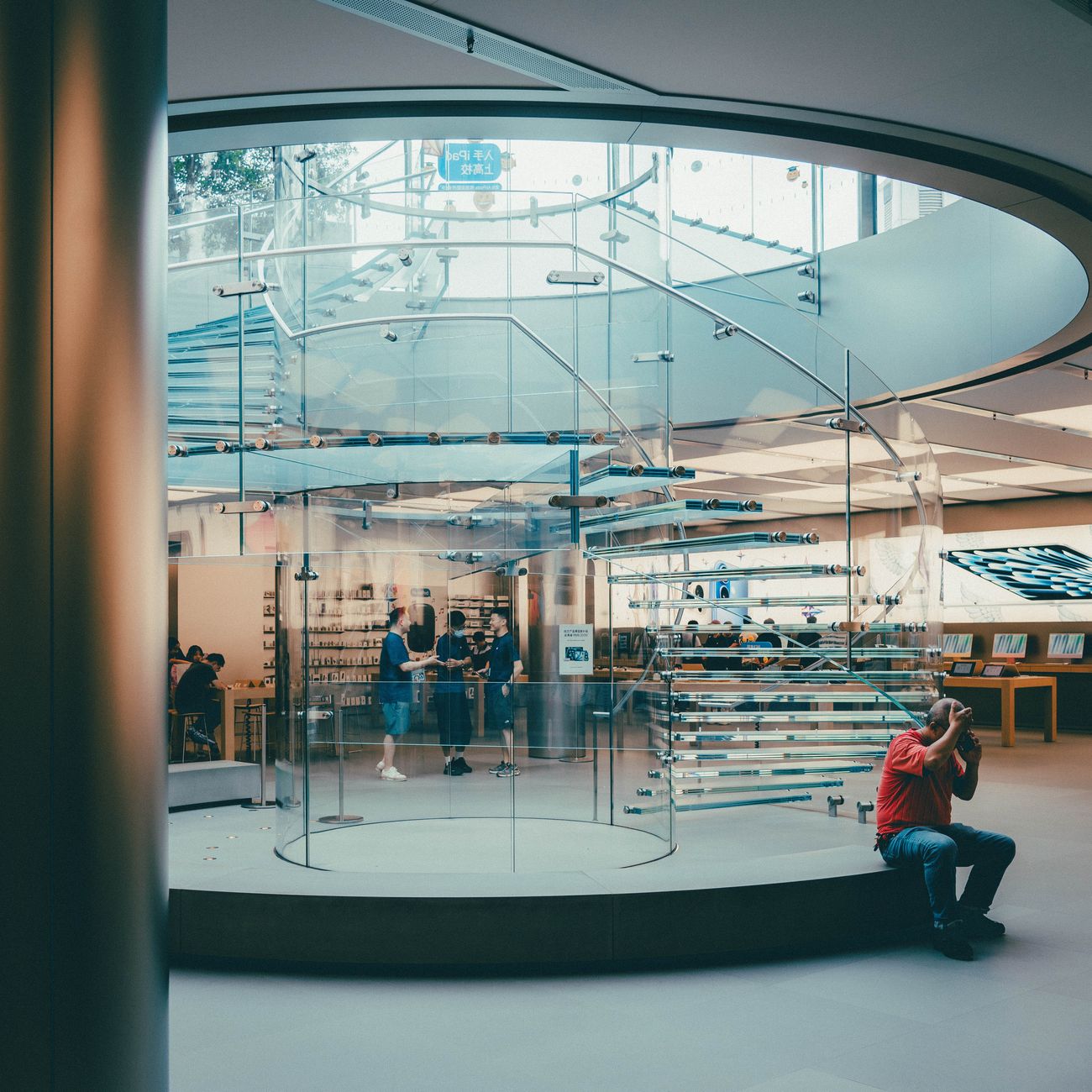
Affordance refers to the perceived and actual properties of an object or space that determine how it can be used. In a built environment, a handrail affords support for users who need to steady themselves, while a wide doorway affords easy passage for wheelchair users. Designers must assess both the physical characteristics of elements and the cognitive expectations of users. For example, a staircase with contrasting tread edges provides a visual cue that the steps are safe to ascend, reducing the risk of missteps. A common challenge is that affordances can be culturally dependent; a seating area that feels inviting in one culture may be perceived as inappropriate in another, requiring designers to conduct user research across diverse groups.
Wayfinding is the process by which people navigate and orient themselves within a space. Effective wayfinding systems combine signage, spatial layout, landmarks, and visual cues to guide users toward their destinations with minimal confusion. A university campus might use colored pathways, distinct building façades, and digital kiosks to assist visitors. Practical application of wayfinding involves mapping user journeys, identifying decision points, and placing cues at critical junctures. One challenge is information overload; too many signs can overwhelm users, while too few can leave them disoriented. Balancing clarity with simplicity is essential for a seamless experience.
Proxemics is the study of how people use space in interpersonal interactions. In built environments, proxemic zones influence comfort and privacy. An open‑plan office, for instance, may encourage collaboration but also increase distractions if personal workstations lack adequate personal space. Designers can use partitions, plantings, or furniture arrangements to create semi‑private zones that respect personal distance while maintaining visual connectivity. A practical issue is the variability of personal space preferences; some users may feel comfortable with close proximity, whereas others require more separation. Conducting surveys and observing behavior can help calibrate spatial configurations to meet diverse needs.
Environmental Stressors encompass factors such as noise, temperature, lighting, and air quality that can negatively affect occupants’ well‑being. In a hospital waiting room, high noise levels from adjacent corridors can increase anxiety among patients. Mitigation strategies include acoustic panels, strategic placement of soft furnishings, and zoning to separate noisy functions from quiet zones. A challenge arises when constraints such as budget or architectural heritage limit the extent of retrofitting. Designers must prioritize interventions based on impact assessments, focusing on the most salient stressors for the target user group.
Biophilia describes the innate human affinity for nature and natural processes. Incorporating biophilic elements—such as indoor plants, daylight, natural materials, and water features—can improve mood, reduce stress, and enhance cognitive performance. A corporate lobby that includes a living green wall not only provides aesthetic appeal but also improves indoor air quality. Practical application involves selecting species that thrive in the building’s microclimate and ensuring maintenance plans are in place. Challenges include balancing biophilic design with fire safety regulations and the additional operational costs of plant care.
Ergonomics focuses on designing spaces, furniture, and tools to fit the physical capabilities and limitations of users. Adjustable workstations that allow users to switch between sitting and standing positions exemplify ergonomic design. In a library, ergonomically designed reading chairs with lumbar support can reduce fatigue during prolonged study sessions. Implementing ergonomics often requires modular components and adjustable mechanisms, which can increase initial costs. However, the long‑term benefits in terms of reduced musculoskeletal complaints and increased productivity justify the investment.
Cognitive Mapping is the mental representation that users build of a space as they move through it. Accurate cognitive maps enable users to predict routes, estimate distances, and recall locations. In a museum, clear sightlines to major galleries, consistent flooring patterns, and strategically placed landmarks help visitors form reliable mental maps. Designers can facilitate cognitive mapping by providing visual continuity and reducing ambiguous intersections. A challenge is that individuals with spatial impairments may struggle to develop accurate maps, necessitating additional support such as tactile cues or digital navigation aids.
Spatial Cognition encompasses the mental processes involved in perceiving, remembering, and reasoning about spatial relationships. Architectural layouts that align with natural human navigation tendencies—such as hierarchical organization of pathways—support spatial cognition. For example, a shopping mall that groups related retailers on the same level reduces the cognitive load required to locate stores. Practical application includes conducting wayfinding tests with participants to evaluate how easily they can locate key destinations. One difficulty is that complex, multi‑level structures can overload spatial cognition, especially for first‑time visitors, leading to confusion and reduced satisfaction.
User‑Centered Design places the needs, preferences, and limitations of end users at the forefront of the design process. This approach involves iterative cycles of research, prototyping, testing, and refinement. In a public transit hub, user‑centered design may lead to the inclusion of tactile paving for visually impaired users, clear multilingual signage, and seating that accommodates both elderly passengers and cyclists with backpacks. The main challenge is managing the breadth of user diversity; designers must balance conflicting requirements, such as the need for open spaces for crowds versus quiet zones for individuals with sensory sensitivities.
Inclusive Design aims to create environments that are usable by as many people as possible, without the need for specialized adaptations. An inclusive playground might feature ramps, sensory panels, and equipment that can be used by children of varying abilities. Practical application requires early engagement with stakeholder groups representing different abilities, ensuring that design decisions do not unintentionally exclude any user. A frequent challenge is the misconception that inclusive design is synonymous with “one‑size‑fits‑all.” Instead, it involves flexible solutions that can be customized or adjusted to meet specific needs.
Universal Design shares similar goals with inclusive design but emphasizes the creation of products and spaces that are inherently accessible to everyone, regardless of age, size, or ability. Features such as lever‑style door handles, step‑free entrances, and adjustable lighting levels exemplify universal design principles. In an office building, a universal design approach would ensure that conference rooms are equipped with adjustable tables, clear floor space for wheelchair maneuverability, and acoustic controls for individuals with auditory sensitivities. The challenge lies in integrating universal design without compromising aesthetic intentions, requiring creative problem‑solving and collaboration between architects, engineers, and accessibility consultants.
Sensory Design considers the impact of visual, auditory, tactile, olfactory, and gustatory stimuli on users’ experiences. A retail space that uses subtle background music, pleasant scent diffusion, and soft textures can create an inviting atmosphere that encourages longer dwell times. Designers must calibrate each sensory element to avoid overstimulation; for instance, overly strong fragrances may trigger allergies or cause discomfort for sensitive individuals. Practical implementation involves testing sensory variables with target users and adjusting intensity levels based on feedback. One challenge is the subjectivity of sensory perception, which can vary widely across cultures and personal preferences.
Phenomenology in environmental psychology examines the lived experience of space, focusing on how individuals perceive and interpret their surroundings. Phenomenological analysis might explore how the interplay of natural light and material texture influences feelings of calm in a meditation room. Designers can use phenomenological insights to shape atmospheres that evoke desired emotional responses, such as tranquility, excitement, or focus. Applying phenomenology requires qualitative methods such as in‑depth interviews and observation, which can be time‑consuming. Translating subjective experiences into concrete design decisions also demands careful interpretation to avoid imposing the researcher’s biases.
Environmental Perception involves the processes by which individuals gather, organize, and interpret sensory information from their surroundings. A well‑lit hallway with clear visual contrast between walls and floor aids perception of depth and direction. In practice, designers can enhance perception by using color coding, texture differentiation, and consistent visual language throughout a building. A common obstacle is that perception can be altered by individual factors such as vision impairments, age‑related changes, or cultural background, necessitating adaptable design solutions.
Layout denotes the arrangement of spaces, furniture, and circulation paths within a building. An efficient layout minimizes unnecessary travel distances, supports functional relationships, and aligns with activity patterns. In a university laboratory, grouping related equipment and workstations together reduces the time researchers spend moving between tasks. Practical layout planning involves creating floor plans, conducting space‑use analysis, and simulating movement flows. Challenges emerge when architectural constraints limit flexibility, requiring designers to prioritize certain functions over others while maintaining overall coherence.
Circulation refers to the movement pathways that connect different areas within a built environment. Effective circulation design ensures smooth traffic flow, reduces bottlenecks, and accommodates diverse mobility needs. In a hospital, wide corridors, clear signage, and strategically placed elevators support both patients and staff. Designers must anticipate peak usage periods and design circulation routes that can handle high volumes without compromising safety. A frequent challenge is reconciling aesthetic desires for dramatic atriums with the functional need for clear, unobstructed pathways.
Legibility describes the ease with which users can understand and navigate a spatial environment. Legibility is enhanced through clear visual hierarchies, consistent signage, and recognizable landmarks. A city square with a distinctive fountain serves as a focal point that improves overall legibility for pedestrians. Practical methods to increase legibility include using contrasting colors for wayfinding elements, maintaining uniform signage typography, and providing maps at entry points. One difficulty is that overly complex visual cues can reduce legibility, especially for users with cognitive impairments.
Landmarks are distinctive physical features that aid orientation and memory. In a corporate campus, a uniquely shaped sculpture can function as a landmark that employees use to locate meeting rooms. Selecting effective landmarks involves considering visibility, distinctiveness, and cultural relevance. Landmarks should be placed at decision points, such as intersections or entryways, to maximize their navigational benefit. A challenge arises when landmarks are too subtle or blend with surrounding architecture, diminishing their utility.
Signage encompasses all visual communication devices that convey information, directions, and safety instructions. Effective signage uses concise language, universally recognized symbols, and appropriate placement to convey messages quickly. For example, an exit sign illuminated with a green arrow ensures rapid recognition during emergencies. Practical implementation includes developing a signage system that adheres to accessibility standards, such as tactile lettering for the visually impaired. Designers must also consider maintenance, ensuring that signs remain legible over time. A common pitfall is neglecting the hierarchy of information, leading to cluttered or confusing sign environments.
Environmental Psychology is the interdisciplinary study of the relationship between humans and their physical surroundings. It draws on concepts from psychology, architecture, sociology, and anthropology to understand how built environments influence behavior, cognition, and emotion. In practice, environmental psychologists conduct post‑occupancy evaluations, user surveys, and behavioral mapping to inform design decisions. Their insights can guide the creation of spaces that promote well‑being, productivity, and social interaction. Challenges include translating complex research findings into actionable design guidelines that can be integrated within tight project timelines.
Behavioral Mapping involves systematic observation and recording of how people use spaces over time. By mapping movement patterns, dwell times, and interaction hotspots, designers can identify underutilized areas and optimize space allocation. In a public library, behavioral mapping might reveal that study carrels near windows are heavily used, while peripheral seating remains empty. This insight can lead to reconfiguring furniture layout to balance occupancy and improve overall user satisfaction. A limitation is that behavioral mapping requires extensive data collection, which can be resource‑intensive, and may raise privacy concerns if not managed ethically.
Space Syntax is a quantitative method for analyzing spatial configurations based on connectivity, integration, and depth. Using graph theory, designers can predict how easily people will move through a building and which areas will become social hubs. For instance, a high‑integration node in a shopping mall often becomes a prime location for anchor stores. Practical application involves modeling floor plans with software tools, interpreting results, and adjusting layouts to achieve desired circulation outcomes. One challenge is that space syntax models may oversimplify human behavior by focusing solely on geometric relationships, ignoring cultural and psychological factors.
Phenomenal (used here as a term) denotes the immediate, lived experience of space; it emphasizes the subjective quality of perception rather than objective measurements. A phenomenally rich environment might combine natural light, textured walls, and ambient sound to create a sense of calm. Designers can cultivate phenomenal qualities by carefully selecting materials, lighting temperatures, and acoustic treatments that align with the intended emotional tone. The difficulty lies in quantifying these experiences for evaluation; designers often rely on post‑occupancy surveys and narrative feedback to gauge success.
Ambient Lighting refers to the general illumination that provides overall visibility within a space. Proper ambient lighting creates a comfortable visual environment and influences mood. In a coworking space, warm‑toned ambient lighting can foster a relaxed atmosphere, while cooler tones may boost alertness. Implementing ambient lighting involves selecting fixtures, determining lumen levels, and integrating controls for dimming. A challenge is balancing energy efficiency with visual comfort, especially in spaces that operate around the clock. Designers may employ daylight harvesting strategies to supplement artificial lighting, reducing energy consumption while maintaining consistent illumination.
Task Lighting is focused illumination designed to support specific activities, such as reading, writing, or detailed work. Adjustable desk lamps in a study area provide task lighting that can be tailored to individual preferences. Effective task lighting reduces eye strain and enhances performance. Designers must consider glare, contrast, and positioning to avoid visual discomfort. A common obstacle is ensuring that task lighting integrates seamlessly with overall aesthetic goals, avoiding cluttered or visually intrusive fixtures.
Accent Lighting highlights architectural features, artwork, or focal points, adding depth and visual interest. In a museum gallery, spotlights directed at a sculpture create accent lighting that draws visitors’ attention. Proper use of accent lighting can reinforce wayfinding by emphasizing landmarks. Designers must balance accent lighting with ambient and task lighting to avoid creating overly bright or dark zones. Overuse of accent lighting can cause glare or distract from primary functions, presenting a design challenge.
Acoustic Design addresses how sound behaves within a space, influencing speech intelligibility, privacy, and comfort. In an open office, acoustic panels, ceiling baffles, and carpeted floors absorb excess noise, creating a quieter environment. Practical acoustic design involves calculating reverberation times, selecting appropriate materials, and strategically placing absorptive elements. A challenge is that acoustic treatments can conflict with aesthetic preferences, requiring innovative solutions that blend functionality with visual appeal.
Thermal Comfort pertains to the perceived temperature satisfaction of occupants. It is affected by air temperature, humidity, air movement, and personal factors such as clothing insulation. In a conference hall, HVAC systems must maintain a temperature range that accommodates a diverse audience. Designers can enhance thermal comfort by using passive design strategies—such as shading, natural ventilation, and thermal mass—to reduce reliance on mechanical systems. Challenges include fluctuating external weather conditions and varying individual metabolic rates, which can make a single temperature setting suboptimal for all users.
Air Quality encompasses the concentration of pollutants, carbon dioxide, and particulate matter in indoor environments. Good air quality supports health, cognitive function, and overall satisfaction. In a school, installing high‑efficiency filtration and ensuring adequate ventilation rates improve air quality. Practical measures include selecting low‑emitting materials, providing operable windows, and monitoring CO₂ levels. A challenge is that tighter building envelopes, while energy efficient, can trap pollutants, necessitating careful balancing of airtightness and ventilation.
Visual Contrast is the difference in luminance or color between adjacent surfaces, aiding perception of edges, steps, and boundaries. High visual contrast on stair treads and risers reduces trip hazards, especially for older adults. Designers can achieve contrast by using materials with differing shades or applying contrasting paint strips. Overly stark contrast, however, may be visually harsh, so designers must calibrate contrast levels to meet safety standards while maintaining aesthetic harmony.
Wayfinding Sign System is a coordinated set of signs, symbols, maps, and digital displays that guide users through complex environments. A hospital wayfinding sign system might include color‑coded lines on the floor, directional arrows, and interactive kiosks. Effective systems are consistent, intuitive, and accessible, incorporating features such as Braille and tactile elements. Implementation challenges include ensuring system updates keep pace with building changes, maintaining clarity across multiple languages, and integrating technology without causing information overload.
Spatial Hierarchy organizes spaces into layers of importance, guiding users from public to private zones. In a residential building, the lobby serves as a public interface, leading to corridors that connect to individual apartments. Designers establish hierarchy through changes in scale, material, and lighting. A well‑defined hierarchy aids navigation and reinforces social expectations. A difficulty arises when mixed‑use developments blur boundaries between public and private, requiring nuanced design strategies to maintain clear spatial relationships.
Threshold denotes the transitional zone between two distinct spaces, such as a doorway or entry lobby. Thresholds can signal changes in function, privacy, or environmental conditions. A threshold that incorporates a vestibule can buffer external noise and temperature fluctuations before occupants enter a quiet office. Designing thresholds involves considering accessibility (e.G., Level entry for wheelchairs), aesthetic continuity, and functional performance. One challenge is that thresholds can become bottlenecks if not sized appropriately for expected traffic volumes.
Spatial Zoning divides a building into functional areas that support specific activities, such as work, relaxation, or circulation. In a community center, zoning may allocate a quiet library area, an active gym space, and a social café. Effective zoning respects acoustic separation, lighting requirements, and user expectations. Designers use partitions, furniture placement, and material selection to delineate zones. A common obstacle is achieving flexibility; users may desire spaces that can adapt to multiple functions, necessitating movable partitions or modular furniture.
Flexibility describes the capacity of a space to accommodate varying uses over time. A conference room with movable walls and adaptable furniture can transform into a training hall or exhibition space. Flexibility extends the lifespan of a building by allowing it to respond to changing organizational needs. Practical approaches include incorporating raised floors for easy re‑wiring, modular partitions, and furniture on casters. Challenges involve balancing flexibility with structural integrity and ensuring that flexible solutions do not compromise acoustic or visual quality.
Human‑Scale refers to design dimensions that correspond to average human body measurements, creating environments that feel comfortable and approachable. Door heights, ceiling clearances, and countertop depths should align with human scale to avoid feelings of oppression or alienation. In a retail store, human‑scale shelving ensures that products are within easy reach, enhancing shopper satisfaction. Designers may use anthropometric data to inform dimensions, but must also consider the diversity of body sizes and abilities, potentially providing adjustable or varied-height elements.
Accessibility ensures that built environments are usable by people with disabilities, complying with legal standards such as the ADA or EN 301 549. Accessible design includes features like ramps, tactile paving, audible alerts, and clear floor space for wheelchair maneuverability. Practical implementation requires early integration of accessibility considerations to avoid costly retrofits. A significant challenge is achieving true accessibility beyond minimum compliance, moving toward inclusive experiences that respect dignity and autonomy.
Safety in design encompasses both physical safety—preventing accidents and injuries—and perceived safety, which influences users’ sense of security. Slip‑resistant flooring, well‑placed emergency exits, and adequate lighting contribute to physical safety. Perceived safety can be enhanced through open sightlines, presence of staff, and clear wayfinding. Designers must address both aspects, as an environment that is technically safe may still feel unsafe if users cannot see or understand safety features. A common difficulty is reconciling safety requirements with aesthetic goals, especially in historic or high‑design contexts.
Privacy relates to the ability of users to control access to personal space and information. In an office, privacy can be achieved through enclosed workstations, sound‑absorbing partitions, and visual barriers. Designers must balance privacy with collaboration, providing zones where users can retreat when needed while maintaining opportunities for interaction. Implementing privacy solutions often requires flexible partitions and acoustic treatments that can be adjusted as work patterns evolve. A challenge is that excessive privacy can lead to isolation, reducing the benefits of communal work environments.
Identity in built environments refers to the distinctive character that reflects cultural, historical, or organizational values. A university building that incorporates local stone and references traditional architectural motifs conveys a sense of identity. Designers can express identity through material selection, façade articulation, and interior detailing. Practical application involves stakeholder engagement to identify meaningful symbols and narratives. A risk is that overly stylized identity elements may become dated or clash with functional requirements, necessitating a careful balance between symbolism and practicality.
Wayfinding Cognitive Load measures the mental effort required to navigate a space. High cognitive load can lead to errors, stress, and reduced satisfaction. Simplifying wayfinding through clear signage, consistent visual language, and intuitive layouts reduces cognitive load. In a large airport terminal, reducing the number of decision points and providing prominent landmarks helps travelers orient themselves quickly. Designers must assess cognitive load through user testing, observing confusion points, and iteratively refining navigation cues. A challenge is that reducing cognitive load for one user group may inadvertently increase it for another, requiring inclusive design strategies.
Ambient Soundscape encompasses the background auditory environment that influences perception and mood. In a spa, gentle water sounds and soft music create a calming ambient soundscape. Designers can shape soundscapes using sound‑absorbing materials, sound‑masking systems, and strategic placement of acoustic sources. Overly loud or intrusive ambient sounds can cause discomfort, while overly quiet environments may feel sterile. A practical difficulty lies in maintaining consistent sound levels in spaces with variable occupancy and activity levels.
Spatial Memory is the ability to recall the layout and location of objects within an environment. Environments that support spatial memory often feature consistent visual cues, such as repetitive patterns or color coding. In a university campus, using a consistent color scheme for each faculty building aids students in remembering where classes are held. Designers can reinforce spatial memory by aligning wayfinding elements with architectural features. A challenge is that frequent changes to signage or layout can disrupt spatial memory, necessitating stable design elements.
Human‑Centric Lighting (also known as circadian lighting) aligns artificial lighting with natural biological rhythms to promote health and well‑being. In an office, tunable LEDs that shift from cool, bright light in the morning to warmer tones in the afternoon support alertness and relaxation cycles. Implementing human‑centric lighting requires integration with building management systems, calibrating intensity and color temperature, and considering glare control. A challenge is the higher upfront cost and the need for occupant education to appreciate the benefits.
Materiality refers to the selection and use of materials that convey tactile, visual, and symbolic qualities. Materials influence perception of quality, durability, and sustainability. In a public library, using warm wood for shelving creates a welcoming atmosphere, while metal railings convey modernity. Designers must consider maintenance, fire safety, and lifecycle impacts when choosing materials. A common challenge is reconciling material preferences with budget constraints and environmental performance criteria.
Spatial Legibility (distinct from overall legibility) focuses on the clarity with which users can interpret the organization of space. Clear spatial legibility reduces the time needed to locate services or amenities. In a shopping mall, a central atrium visible from multiple points serves as an orienting feature that enhances legibility. Designers can improve legibility by aligning floor patterns, using consistent signage, and providing clear sightlines. Overcomplicating spatial organization can diminish legibility, especially for users with limited spatial cognition.
Ergonomic Anthropometry utilizes statistical data on human body dimensions to inform design dimensions. Designers reference percentile measurements (e.G., 5Th, 50th, 95th) to create spaces that accommodate a broad range of body sizes. In a workstation, adjustable chair height ensures that users of varying stature can achieve proper posture. A challenge is that static anthropometric data may not capture dynamic movement patterns or the needs of individuals with disabilities, prompting designers to incorporate adaptability.
Inclusive Wayfinding integrates accessibility features such as tactile paving, audible cues, and high‑contrast signage to support users with visual, auditory, or cognitive impairments. In a museum, audio guides synchronized with location sensors provide contextual information for visually impaired visitors. Practical implementation requires coordination with technology providers, compliance with accessibility guidelines, and user testing with target populations. A difficulty lies in ensuring that inclusive features do not distract or confuse users without impairments, maintaining a cohesive experience for all.
Environmental Load denotes the cumulative impact of environmental stressors—including noise, temperature, lighting, and air quality—on occupant health and performance. Designers assess environmental load through post‑occupancy evaluations, sensor data, and occupant feedback. Reducing environmental load can improve productivity, reduce absenteeism, and enhance satisfaction. Practical strategies involve integrating passive design solutions, selecting low‑emission finishes, and providing personal control over micro‑environments. A challenge is that trade‑offs often exist; for example, increasing natural ventilation may improve air quality but raise acoustic noise levels.
Spatial Flexibility Index is a metric used to quantify how easily a space can be reconfigured for different functions. It considers factors such as modular furniture, non‑structural partitions, and service integration. A high spatial flexibility index indicates that a building can adapt to changing organizational needs with minimal disruption. Designers can increase the index by employing raised floor systems, flexible lighting grids, and standardized connection points. Calculating the index requires detailed analysis of existing components and projected future uses, which can be resource‑intensive.
Human‑Factors Engineering applies principles of psychology and physiology to optimize the interaction between people and their environment. In a control room, ergonomic placement of monitors, controls, and seating reduces operator fatigue and error rates. Human‑factors engineers conduct task analyses, ergonomic assessments, and usability testing to inform design decisions. A common challenge is aligning human‑factors recommendations with architectural constraints and aesthetic aspirations, requiring interdisciplinary collaboration.
Spatial Narrative is the story that a sequence of spaces conveys, guiding users through experiences that evoke emotions and meanings. A museum exhibition may follow a spatial narrative that moves from historical context to contemporary interpretation, using lighting, material transitions, and spatial sequencing to reinforce the storyline. Designers craft spatial narratives by orchestrating transitions, pacing, and focal points. A difficulty lies in ensuring that the narrative remains accessible to diverse audiences, avoiding overly abstract or culturally specific references that may alienate some users.
Environmental Branding integrates brand identity into the physical environment, reinforcing organizational values through design. In a corporate headquarters, color palettes, logo placement, and material choices reflect the brand’s personality. Environmental branding can strengthen employee engagement and convey a cohesive image to visitors. Practical application requires collaboration between branding teams and designers to translate visual identity into spatial language. A challenge is preventing brand elements from overwhelming functional aspects, ensuring that branding supports rather than detracts from usability.
Adaptive Reuse involves repurposing existing structures for new functions while preserving cultural heritage. Converting an old factory into loft apartments requires careful consideration of structural constraints, material conservation, and contemporary user expectations. Adaptive reuse supports sustainability by reducing demolition waste and embodied energy. Designers must balance historic preservation with modern code requirements, such as fire safety and accessibility. A common obstacle is integrating new mechanical systems without compromising historic fabric, demanding innovative engineering solutions.
Human‑Centric Spatial Planning centers planning processes on the lived experiences of occupants, emphasizing comfort, social interaction, and personal control. In a residential complex, providing communal gardens, flexible apartment layouts, and shared workspaces supports diverse lifestyle needs. Practical steps include conducting ethnographic studies, participatory workshops, and scenario planning to capture user aspirations. Challenges include translating qualitative insights into measurable design criteria and managing conflicting desires among stakeholder groups.
Post‑Occupancy Evaluation (POE) assesses building performance after users have occupied the space, providing feedback for future projects. POE methods include surveys, sensor data analysis, and observational studies. In a university lecture hall, a POE may reveal that acoustics are satisfactory but lighting glare is problematic, prompting retrofits. The value of POE lies in closing the design loop, enabling evidence‑based improvements. A limitation is that POE requires sustained engagement and resources, and findings may be context‑specific, limiting generalizability.
Human‑Scale Wayfinding combines affordance, visual contrast, and spatial hierarchy to create navigation experiences that align with users’ physical and cognitive abilities. In a hospital, color‑coded corridors that correspond to patient wards provide an intuitive, human‑scale wayfinding system. Practical implementation involves aligning wayfinding cues with natural movement patterns and ensuring that signage is within comfortable reach and sightlines. A difficulty is maintaining consistency across multiple floors and wings, especially in retrofitted facilities where original design intent may be fragmented.
Spatial Comfort encompasses thermal, acoustic, visual, and tactile dimensions that contribute to occupants’ sense of ease. A café that balances natural light, soft music, and comfortable seating achieves spatial comfort. Designers assess comfort through standards such as ASHRAE for thermal parameters, ISO for acoustics, and luminance guidelines for visual comfort. Practical measures include using adjustable blinds, sound‑absorbing wall panels, and ergonomic furniture. A persistent challenge is that comfort preferences vary widely; providing individual control mechanisms, such as personal lighting dimmers, can address diverse needs but increase system complexity.
Human‑Environment Interaction examines how users engage with physical spaces, influencing behavior, mood, and performance. In a school, classroom layout that promotes face‑to‑face interaction enhances collaborative learning. Designers study interaction patterns through observation, interviews, and digital tracking to inform layout decisions. A challenge is that interaction dynamics are fluid, changing with pedagogical approaches or organizational culture, requiring adaptable design solutions.
Environmental Sustainability integrates ecological considerations into design, aiming to reduce resource consumption, carbon emissions, and waste. Sustainable strategies include passive solar design, rainwater harvesting, and use of recycled materials. In a corporate office, incorporating a green roof provides insulation, stormwater management, and a restorative space for employees. Practical implementation involves life‑cycle assessment, material sourcing, and compliance with certification systems such as LEED or BREEAM. A key challenge is aligning sustainability goals with budget constraints and client expectations, often requiring persuasive communication of long‑term benefits.
Human‑Centric Service Design applies service design principles to physical spaces, ensuring that touchpoints—such as reception desks, signage, and digital kiosks—align with user journeys. In a public library, a service desk that is visible from the entrance, staffed by knowledgeable staff, and equipped with intuitive self‑service terminals improves user satisfaction. Designing human‑centric services involves mapping service interactions, identifying pain points, and prototyping solutions. A difficulty is coordinating across departments (e.G., IT, facilities, operations) to deliver seamless experiences.
Spatial Legibility Framework provides a systematic approach to evaluate how clearly a spatial environment communicates its structure. The framework assesses elements such as visual cues, hierarchy, landmarks, and signage consistency. Applying the framework to a university campus might reveal that the lack of a central visual anchor reduces legibility for new students. Designers can then introduce a distinctive sculpture or illuminated pathway to serve as a reference point. The main challenge lies in quantifying subjective perceptions of legibility, requiring mixed‑methods research to capture both objective measurements and user sentiment.
Human‑Centric Adaptability emphasizes providing occupants with control over environmental parameters such as lighting, temperature, and acoustic settings. In a flexible office, personal workstations equipped with individual dimmers and airflow vents empower users to tailor their micro‑environment. Implementing adaptability demands robust building systems, user-friendly interfaces, and clear instructions. A major obstacle is ensuring that personal controls do not interfere with overall building performance, requiring intelligent automation that balances individual preferences with energy efficiency.
Behavioral Ecology of Space studies how environmental factors shape human behavior within a built setting. For instance, the presence of natural light in a cafeteria can encourage longer meal breaks and social interaction. Designers can influence behavior by configuring spatial elements that promote desired activities, such as clustering seating to foster conversation. A challenge is that behavior is also influenced by cultural norms and personal habits, which may not be easily altered through design alone, necessitating complementary programs or policies.
Human‑Centric Accessibility Audits go beyond compliance checks to evaluate how accessible features impact user experience. Audits involve direct observation of users with disabilities navigating the space, noting barriers and facilitators. In a museum, an audit might reveal that while ramps are present, the tactile map is positioned too high for wheelchair users. Recommendations from such audits often include repositioning wayfinding aids and improving surface textures. The difficulty lies in recruiting diverse participants for comprehensive testing and translating findings into actionable design revisions.
Spatial Wayfinding Strategies include the use of visual hierarchy, color coding, sequential signage, and digital navigation aids. A hospital may employ a three‑tiered strategy: (1) Macro‑signage at building entrances, (2) floor‑level wayfinding maps, and (3) localized directional arrows. Effective strategies are coherent, consistent, and reinforced through multiple modalities (visual, tactile, auditory). Implementation challenges include coordinating updates across physical and digital platforms, ensuring that technology does not become obsolete, and maintaining clarity as the building evolves.
Human‑Centric Noise Management addresses both objective sound levels and subjective perception of noise. Strategies include using acoustic ceilings, installing sound masking systems, and providing quiet zones. In an open office, personal acoustic panels and headphones can empower users to control their auditory environment. A practical hurdle is that excessive noise masking may create a constant background hum that some users find irritating, necessitating careful calibration.
Spatial User Experience (UX) Metrics quantify how users perceive and interact with a built environment. Metrics may include wayfinding success rate, dwell time, satisfaction scores, and physiological indicators such as heart rate variability. In a transit hub, measuring the time taken for passengers to locate ticket counters provides insight into wayfinding effectiveness. Collecting UX data requires sensors, surveys, and sometimes wearable devices, raising privacy concerns that must be addressed through informed consent and data protection measures. Interpreting metrics also demands contextual understanding; a long dwell time may indicate either engaging spaces or confusing layouts.
Human‑Centric Lighting Controls enable occupants to adjust illumination levels and color temperature to suit tasks and preferences. In a library reading area, dimmable lamps allow users to create a personalized lighting environment, enhancing comfort and reducing eye strain. Implementation involves integrating sensors, user interfaces, and control algorithms that respond to occupancy and daylight levels. A challenge is preventing control conflicts in shared spaces, where multiple users may have divergent lighting preferences, requiring consensus mechanisms or default settings that balance comfort and energy use.
Spatial Wayfinding Technology includes mobile apps, QR code navigation, augmented reality (AR) overlays, and indoor positioning systems (IPS). A university might develop an AR app that overlays directional arrows onto the real‑world view of a campus, guiding new students to lecture halls. Technology enhances wayfinding for digitally savvy users but may exclude those without compatible devices. Designers must provide alternative low‑tech navigation aids to ensure equitable access. Maintenance and data accuracy are also critical; outdated maps or GPS errors can erode trust in the system.
Human‑Centric Thermal Zoning divides a building into zones where temperature can be independently controlled, catering to diverse occupant preferences. In a multi‑purpose hall, separate HVAC controls for the stage area and audience seating allow for optimal conditions for performers and spectators. Implementing thermal zoning requires a sophisticated control system, appropriate dampers, and clear user interfaces. A challenge is preventing thermal imbalance that can cause drafts or energy waste, necessitating precise sensor placement and intelligent control strategies.
Spatial Legibility in Complex Buildings is particularly challenging in facilities such as hospitals, airports, and universities, where multiple functions coexist. Designers can enhance legibility by establishing a clear visual hierarchy, employing distinct material palettes for different zones, and creating prominent wayfinding landmarks. For example, an airport may use a soaring roof structure as a visual anchor that is visible from all concourses, aiding orientation. A persistent difficulty is that functional changes over time (e.G., New gates, added retail) can disrupt established legibility, requiring ongoing wayfinding updates.
Human‑Centric Service Touchpoints are points where users interact with staff, technology, or physical elements to fulfill a need. In a civic building, the information desk, self‑service kiosks, and signage are key touchpoints. Optimizing these touchpoints involves ensuring clarity, responsiveness, and accessibility. For instance, kiosks should feature high‑contrast interfaces and audio instructions for users with visual impairments. A challenge is integrating technology in a way that does not alienate users who prefer human assistance, requiring a balanced approach that offers both options.
Key takeaways
- A common challenge is that affordances can be culturally dependent; a seating area that feels inviting in one culture may be perceived as inappropriate in another, requiring designers to conduct user research across diverse groups.
- Effective wayfinding systems combine signage, spatial layout, landmarks, and visual cues to guide users toward their destinations with minimal confusion.
- Designers can use partitions, plantings, or furniture arrangements to create semi‑private zones that respect personal distance while maintaining visual connectivity.
- Environmental Stressors encompass factors such as noise, temperature, lighting, and air quality that can negatively affect occupants’ well‑being.
- Incorporating biophilic elements—such as indoor plants, daylight, natural materials, and water features—can improve mood, reduce stress, and enhance cognitive performance.
- However, the long‑term benefits in terms of reduced musculoskeletal complaints and increased productivity justify the investment.
- A challenge is that individuals with spatial impairments may struggle to develop accurate maps, necessitating additional support such as tactile cues or digital navigation aids.