
and the Built Environment
Built environment refers to the human‑made surroundings that provide the setting for human activity, ranging from individual buildings to entire city systems. In environmental psychology the built environment is studied not as a static back…
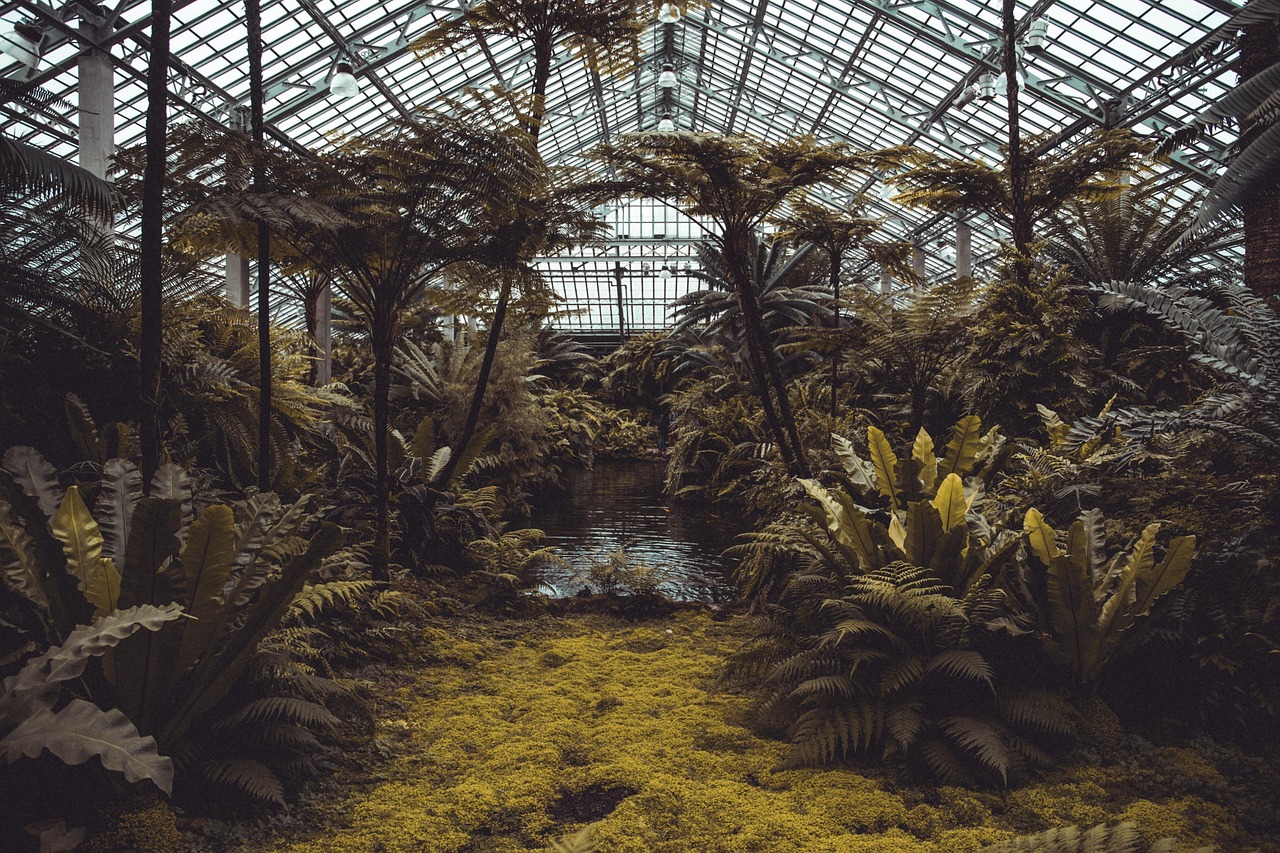
Built environment refers to the human‑made surroundings that provide the setting for human activity, ranging from individual buildings to entire city systems. In environmental psychology the built environment is studied not as a static backdrop but as an active participant that shapes perception, cognition, emotion, and behavior. Understanding the terminology associated with the built environment is essential for applying psychological techniques to design, planning, and evaluation.
Environmental perception is the process by which individuals acquire, interpret, and organize sensory information from the surrounding physical world. Perception is mediated by vision, hearing, touch, smell, and proprioception, and is influenced by prior experience, expectations, and cultural background. For example, a narrow alley may be perceived as threatening in a high‑crime neighborhood, whereas the same spatial configuration might be viewed as intimate and inviting in a historic district. The challenge for designers is to create spaces that support accurate, positive perception while minimizing misinterpretations that could lead to unsafe or undesirable behavior.
Spatial cognition encompasses mental processes involved in acquiring, storing, and using information about space. It includes abilities such as mental rotation, spatial memory, and navigation. A common tool for assessing spatial cognition is the cognitive map, a mental representation of the layout of an environment. In practice, architects may use landmarks, visual cues, and wayfinding signage to support the formation of accurate cognitive maps. A persistent challenge is that individuals vary widely in spatial ability; some users may rely heavily on visual landmarks, while others depend on auditory cues or tactile feedback.
Affordance is a concept originally introduced by Gibson and later adapted by environmental psychologists to describe the possibilities for action that an environment offers. In the built environment, affordances are the functional properties of objects and spaces that invite specific behaviors. A handrail affords climbing, a wide doorway affords wheelchair access, and an open plaza affords gathering. Identifying affordances is a key step in user‑centered design because it links physical features with intended activities. Designers must be careful to avoid conflicting affordances—for instance, a decorative railing that appears climbable but is structurally inadequate may encourage unsafe behavior.
Legibility refers to the ease with which an environment can be understood and navigated. Kevin Lynch popularized the term in his study of urban form, describing legibility in terms of five elements: Paths, edges, districts, nodes, and landmarks. A well‑legible city enables residents and visitors to develop reliable mental maps quickly. Practical applications include designing clear sightlines along corridors, using distinctive materials for edges, and placing prominent landmarks at decision points. The main challenge lies in balancing legibility with visual richness; overly simplified environments may feel bland, while overly complex designs can overwhelm users.
Wayfinding is the process of determining and following a path to a destination. It involves the integration of environmental cues, personal knowledge, and decision‑making strategies. Effective wayfinding systems combine signage, spatial layout, lighting, and color coding to guide users. For example, hospitals often employ color‑coded zones to help patients locate departments. A common challenge is accommodating diverse user groups, including those with visual impairments, cognitive limitations, or cultural differences in symbol interpretation. Inclusive wayfinding design must therefore incorporate multimodal cues such as tactile paving, audible announcements, and universally recognizable icons.
Environmental stressors are physical or psychological factors in the built environment that can cause discomfort, fatigue, or health problems. Typical stressors include noise, glare, indoor air pollutants, thermal extremes, and crowding. The concept of environmental load describes the cumulative impact of multiple stressors on an individual. A practical application is the use of acoustic panels to reduce reverberation in open‑plan offices, thereby lowering auditory stress. However, mitigating stressors often involves trade‑offs; for instance, increasing acoustic absorption can reduce speech intelligibility, which may be undesirable in collaborative spaces.
Environmental appraisal denotes the conscious evaluation of environmental features that leads to affective responses such as pleasure, arousal, or dominance. The appraisal process is central to the affective dimension of environmental psychology. For example, a well‑lit atrium with natural materials may be appraised as pleasant and restorative, whereas a dim, cluttered hallway may elicit feelings of anxiety. Designers can influence appraisal by manipulating variables such as color, texture, and scale. A challenge is that appraisal is highly subjective; the same space may be soothing to one person and oppressive to another, depending on personal history and cultural norms.
Place attachment describes the emotional bond that individuals develop with specific locations. It emerges from repeated experiences, personal meanings, and social connections. Strong place attachment can enhance well‑being, promote stewardship, and increase resistance to unwanted change. In practice, developers may foster place attachment through community workshops that solicit local narratives, thereby embedding cultural heritage into new developments. A difficulty arises when redevelopment projects threaten existing attachments; balancing modernization with preservation requires sensitive negotiation and participatory planning.
Sense of place is a broader construct that includes place attachment, identity, and meaning. It reflects how a location is perceived as distinctive and meaningful. The sense of place can be reinforced through design elements that echo local history, climate, or natural features. For instance, using regional stone in a civic building can evoke a sense of continuity with the surrounding landscape. Challenges include avoiding superficial or tokenistic references that fail to resonate with residents, and ensuring that the sense of place remains inclusive for newcomers.
Environmental behavior refers to actions performed in response to, or in interaction with, the built environment. This includes both routine behaviors (e.G., Opening a door) and more complex activities (e.G., Participating in community gardening). Environmental psychologists study how design influences behavior, employing concepts such as nudging, behavioral mapping, and habit formation. An example of nudging is placing recycling bins at eye level to increase proper waste segregation. However, behavior change interventions must be carefully evaluated for unintended consequences, such as creating new social norms that exclude certain groups.
Environmental design is the systematic process of creating or modifying spaces to achieve desired psychological, functional, and aesthetic outcomes. It integrates principles from architecture, urban planning, ergonomics, and environmental psychology. A practical framework often involves three stages: Analysis (identifying user needs and contextual constraints), synthesis (generating design concepts), and evaluation (testing prototypes through simulation or post‑occupancy assessment). One persistent challenge is the time lag between design decisions and observable outcomes; longitudinal studies are needed to capture long‑term effects on health, productivity, and satisfaction.
Interior architecture focuses on the spatial organization and aesthetic treatment of interior environments. It addresses scale, circulation, materiality, and lighting to shape occupant experience. For example, a coworking space may employ modular furniture and adjustable lighting to support both focused work and collaborative interaction. The difficulty lies in reconciling conflicting requirements such as privacy versus openness, or durability versus flexibility.
Urban morphology examines the form, structure, and evolution of urban areas. It includes the study of street patterns, block sizes, building typologies, and land‑use distribution. Understanding urban morphology helps psychologists predict how spatial configuration influences social interaction, mobility, and safety. A practical application is the redesign of a street grid to improve pedestrian connectivity, thereby encouraging walking and reducing vehicle dependence. Challenges include dealing with legacy infrastructure, property rights, and differing stakeholder priorities.
Green infrastructure refers to networks of natural and semi‑natural features that provide ecosystem services within urban settings. Examples include parks, green roofs, street trees, and rain gardens. From a psychological perspective, green infrastructure contributes to restorative experiences, reduces stress, and supports social cohesion. Designers may incorporate green walls in office lobbies to improve air quality and visual appeal. However, maintenance costs, water usage, and potential allergen exposure can pose challenges to long‑term sustainability.
Sustainability in the built environment encapsulates the capacity to meet present needs without compromising future generations. It involves energy efficiency, material selection, waste reduction, and life‑cycle assessment. Psychological techniques such as feedback loops (e.G., Real‑time energy dashboards) can encourage occupants to adopt more sustainable behaviors. A difficulty is that sustainability initiatives sometimes conflict with comfort; for instance, raising indoor temperature set‑points to save energy may reduce thermal comfort for some users.
Environmental ergonomics studies the fit between people and their physical surroundings, aiming to reduce strain and enhance performance. It covers aspects such as workstation dimensions, reach distances, and posture support. In practice, adjustable desks allow users to alternate between sitting and standing, thereby mitigating musculoskeletal risk. The main challenge is accommodating a diverse workforce with varying body sizes, abilities, and preferences, which requires flexible solutions and comprehensive training.
Environmental acoustics deals with sound propagation, absorption, and perception within built spaces. It is crucial for ensuring speech intelligibility, privacy, and acoustic comfort. For example, libraries employ sound‑absorbing panels and carpeted floors to maintain a quiet study environment. A common challenge is balancing acoustic control with aesthetic considerations; highly absorptive materials may appear visually harsh, requiring innovative design integration.
Lighting influences visual performance, circadian rhythms, and mood. It encompasses natural daylight, artificial illumination, and the interplay between them. Daylighting strategies, such as clerestory windows, can improve visual comfort and reduce energy consumption. However, excessive glare can cause visual discomfort, while insufficient illumination can lead to eye strain. Designers must therefore conduct illuminance analyses and consider glare control devices like louvers or diffusers.
Thermal comfort is the state of mind that expresses satisfaction with the surrounding temperature. It is affected by air temperature, humidity, air velocity, and personal factors such as clothing insulation and metabolic rate. In office design, HVAC systems are calibrated to maintain a temperature range that satisfies the majority of occupants, typically around 22–24 °C. A persistent issue is the “one‑size‑fits‑all” approach; individual preferences vary, and adaptive comfort models that allow personal control (e.G., Operable windows) can improve satisfaction but may conflict with energy efficiency goals.
Indoor environmental quality (IEQ) is an umbrella term that includes air quality, lighting, acoustics, thermal comfort, and perceived cleanliness. High IEQ is linked to better cognitive performance, reduced absenteeism, and higher occupant satisfaction. Practical assessment tools include post‑occupancy surveys, sensor networks for temperature and CO₂, and visual inspections for mold. Challenges include integrating IEQ monitoring into existing building management systems and addressing legacy issues such as outdated ventilation.
Biophilia is the innate human affinity for nature and living systems. In built environments, biophilic design incorporates natural elements—vegetation, water features, organic forms—to satisfy this need. Studies have shown that biophilic offices can improve attention restoration, reduce stress, and increase productivity. Implementation examples range from incorporating indoor plants to designing atriums that provide views of outdoor landscapes. The main difficulty is ensuring that biophilic elements are more than decorative; they must be integrated functionally and maintained over time.
Restorative environments are spaces that facilitate recovery from mental fatigue and stress. They typically possess “being away,” “extent,” “fascination,” and “compatibility” qualities as defined by Attention Restoration Theory. A campus garden with winding paths, varied plantings, and seating areas can serve as a restorative environment for students. Practical challenges include providing access to such spaces for all users, especially those with mobility constraints, and balancing restorative qualities with safety and security requirements.
Environmental appraisal (repeated for emphasis) connects to affective responses. The appraisal process can be measured using psychometric scales that capture dimensions of pleasure, arousal, and dominance. Designers may use virtual reality simulations to test user appraisal before construction, allowing iterative refinement. Limitations arise from the ecological validity of simulated experiences; real‑world factors such as weather and crowd density can alter appraisal outcomes.
Cognitive mapping is the creation of mental representations of spatial relationships. Researchers often employ sketching tasks where participants draw maps of a familiar area. In practice, cognitive mapping informs the placement of wayfinding cues; for instance, aligning signage with prominent visual axes that users are likely to notice. A challenge is that cognitive maps can become distorted over time, particularly in rapidly changing urban districts, leading to navigation errors.
Mental maps are personal, subjective versions of the environment that incorporate not only physical layout but also emotional and symbolic meanings. A mental map of a neighborhood may highlight safe routes, social hubs, and areas perceived as risky. Planners can engage residents in map‑based workshops to reveal these perceptions, informing interventions such as improved lighting or community policing. However, mental maps are influenced by bias and may not reflect objective conditions, requiring careful interpretation.
Environmental determinants are factors within the built environment that influence health, behavior, and well‑being. These include density, land‑use mix, street connectivity, and access to green space. For example, high residential density combined with mixed‑use development can promote active transportation, reducing car dependence. The challenge for policymakers is to balance competing determinants; increasing density may improve walkability but also raise concerns about overcrowding and privacy.
Environmental psychology is the interdisciplinary field that studies the interplay between people and their physical surroundings. It draws on theories from cognitive psychology, sociology, architecture, and geography to explain how environmental features shape perception, cognition, emotion, and behavior. In practice, environmental psychologists conduct field studies, laboratory experiments, and post‑occupancy evaluations to generate evidence‑based design recommendations. A major challenge is translating research findings into actionable design guidelines that are both scientifically rigorous and practically feasible.
User‑centered design places the needs, preferences, and limitations of end‑users at the core of the design process. It involves iterative cycles of research, prototyping, testing, and refinement. In the context of the built environment, user‑centered design may involve walkthroughs with target groups, mock‑up installations, and feedback collection through surveys or focus groups. The difficulty lies in ensuring representative participation; marginalized groups are often under‑represented, leading to designs that fail to address their specific requirements.
Participatory design extends user‑centered design by actively involving stakeholders in decision‑making. It emphasizes co‑creation, shared authority, and empowerment. Workshops, charrettes, and community forums are common participatory methods. For instance, a neighborhood redevelopment project might organize a series of design charrettes where residents sketch preferred street layouts and public spaces. While participatory design can increase acceptance and relevance, it also introduces complexities such as managing divergent opinions and aligning community desires with regulatory constraints.
Inclusive design aims to create environments that are accessible and usable by the widest possible range of people, regardless of age, ability, or cultural background. It involves considering physical accessibility (e.G., Ramps, tactile surfaces) as well as cognitive accessibility (e.G., Clear signage, simple language). A practical example is the installation of auditory beacons at crosswalks to assist visually impaired pedestrians. Challenges include balancing inclusivity with aesthetic goals and ensuring that inclusive features do not become token gestures but are integrated seamlessly.
Universal design is a subset of inclusive design that seeks to produce one solution that works for everyone, thereby eliminating the need for adaptations or specialized accommodations. Principles include equitable use, flexibility, simple and intuitive operation, and low physical effort. An example is a lever‑style door handle that can be operated by both children and adults, as well as individuals using a wheelchair. The main difficulty is that achieving true universality often requires innovative engineering and may increase initial costs, although life‑cycle savings can offset these expenditures.
Adaptive reuse involves converting existing structures for new functions while preserving their cultural and material value. It is a sustainable strategy that reduces demolition waste and retains historic character. For example, an old factory can be transformed into loft apartments with open‑plan interiors. Psychological benefits include maintaining a sense of continuity and place attachment for the community. However, adaptive reuse poses technical challenges such as meeting modern building codes, improving energy performance, and accommodating new spatial requirements within constrained footprints.
Gentrification describes the process whereby urban neighborhoods experience influxes of higher‑income residents, leading to rising property values and displacement of existing communities. Environmental psychologists examine how changing built environments affect social cohesion, identity, and perceived safety. Practical interventions to mitigate negative impacts include affordable housing mandates, community land trusts, and preservation of cultural amenities. The challenge is that market forces often override policy measures, requiring coordinated action across multiple governance levels.
Spatial justice is the equitable distribution of spatial resources and opportunities. It addresses disparities in access to quality housing, green space, transportation, and public services. For instance, neighborhoods lacking parks may experience higher rates of stress‑related illness. Planners can use spatial analysis tools to identify inequities and prioritize interventions in underserved areas. A major obstacle is the entrenched nature of spatial inequality, which is reinforced by historical zoning practices, economic segregation, and political power dynamics.
Environmental justice extends the concept of spatial justice to include the fair treatment of all people with respect to environmental policies and practices. It highlights how marginalized groups often bear disproportionate burdens of environmental hazards, such as exposure to industrial pollutants or traffic noise. In built‑environment projects, conducting environmental justice assessments can reveal hidden impacts and guide mitigation strategies, such as installing sound barriers or improving ventilation in schools located near highways. The difficulty lies in ensuring that assessments translate into concrete remedial actions rather than symbolic gestures.
Environmental load (repeated) is the cumulative effect of multiple stressors; measuring it requires integrated monitoring of acoustic, thermal, visual, and air quality parameters. A comprehensive approach might involve deploying sensor networks that log temperature, CO₂, sound pressure level, and luminance in real time. Data analytics can then identify periods of high load, prompting adaptive control strategies. The challenge is data integration across heterogeneous sensor platforms and maintaining privacy standards for occupants.
Behavioral mapping is a method of recording and visualizing occupant movements and activities within a space. Researchers often use floor‑plan overlays to mark frequencies of use, dwell times, and interaction patterns. For example, a behavioral map of a public library may reveal high‑traffic zones near the entrance and low‑use areas near the back, informing rearrangement of furniture or programming of events to activate underused spaces. Limitations include the labor‑intensive nature of observation and potential observer bias.
Habit formation in the built environment refers to the process by which repeated interactions with spatial features develop automatic behaviors. Design can facilitate positive habits, such as placing recycling bins near elevators to encourage disposal of waste. Conversely, poorly placed amenities can reinforce undesirable habits, such as leaving lights on when exiting a room. Designing for habit formation involves understanding cue‑routine‑reward loops and aligning environmental cues with desired routines. A difficulty is that habits can be resistant to change, requiring sustained interventions and reinforcement.
Environmental nudging applies subtle design cues to steer behavior without restricting choice. Examples include using staircases with bright colors and prominent signage to promote stair use over elevators, or positioning healthy food options at eye level in cafeterias. Nudging is grounded in behavioral economics and can be highly cost‑effective. However, ethical considerations arise regarding manipulation and the need for transparency about the intent of nudges.
Post‑occupancy evaluation (POE) is the systematic assessment of building performance after it has been occupied. POE gathers data on user satisfaction, energy consumption, indoor environmental quality, and functional effectiveness. Methods include surveys, focus groups, sensor data analysis, and observational studies. Findings can inform retrofits and future design practices. A common challenge is securing long‑term funding and stakeholder commitment to conduct thorough POE, as many projects discontinue evaluation after the initial warranty period.
Life‑cycle assessment (LCA) evaluates the environmental impacts of a building from material extraction through demolition. It quantifies energy use, greenhouse‑gas emissions, water consumption, and waste generation. In environmental psychology, LCA data can be linked to occupant health outcomes, illustrating how material choices affect indoor air quality and, consequently, cognitive performance. Implementing LCA requires detailed material inventories and access to reliable databases, which can be resource‑intensive.
Thermal mapping involves creating spatial representations of temperature distribution within a building. It helps identify hotspots, drafts, and zones of thermal discomfort. Infrared thermography is a common tool for generating thermal maps. Designers can use these maps to adjust insulation, airflow, or shading devices. Challenges include accounting for temporal variations (e.G., Diurnal cycles) and integrating thermal data with occupant feedback to achieve a holistic understanding of comfort.
Acoustic zoning is the practice of dividing a building into zones with distinct acoustic requirements, such as quiet work areas, collaborative spaces, and social zones. It involves selecting materials, ceiling configurations, and spatial layouts that achieve targeted reverberation times and sound isolation levels. For example, a university library may implement high‑performance acoustic panels in study carrels while allowing more reflective surfaces in communal lounges. The difficulty lies in managing transitions between zones to avoid abrupt acoustic changes that could be disorienting.
Visual hierarchy refers to the arrangement of visual elements to guide attention and convey importance. In built environments, visual hierarchy can be established through scale, contrast, color, and lighting. A prominent entrance canopy, for instance, signals the primary access point, while subtler signage may indicate secondary routes. Effective visual hierarchy supports wayfinding and reduces cognitive load. However, overly complex hierarchies can cause confusion, especially for users unfamiliar with the cultural symbolism of certain cues.
Spatial syntax is a quantitative method for analyzing spatial configurations based on connectivity and integration. It uses graph theory to model how spaces are linked and predicts patterns of movement and social interaction. A high integration value indicates a space that is easily reachable from many other locations, often correlating with higher pedestrian traffic. Planners can use spatial syntax to identify potential hotspots for commercial activity or to redesign street networks to improve accessibility. Limitations include the need for accurate spatial data and the fact that syntax does not directly account for qualitative factors such as aesthetic appeal.
Place‑making is a collaborative process that shapes public spaces to reflect community needs, aspirations, and identities. It integrates design, programming, and management to create vibrant, inclusive places. Examples include transforming vacant lots into community gardens or installing interactive art installations that encourage social interaction. Successful place‑making relies on sustained stewardship and community ownership, otherwise initial investments may fade. A challenge is balancing the desire for flexibility with the need for durable, low‑maintenance infrastructure.
Human‑centred lighting focuses on aligning artificial lighting with human circadian rhythms, visual performance, and emotional response. It employs metrics such as melanopic illuminance to assess the impact of light on the non‑visual photoreceptive system. In practice, tunable‑white LED fixtures can shift color temperature throughout the day, providing cooler light in the morning to boost alertness and warmer light in the evening to promote relaxation. Implementation challenges include ensuring that lighting controls are intuitive for occupants and that energy consumption remains within sustainable limits.
Behavioural economics in the built environment examines how economic incentives, defaults, and framing influence occupant decisions. For example, offering a discount for car‑pooling participants can increase shared‑vehicle usage, while default settings on thermostats that favor moderate temperatures can reduce energy waste. Integrating behavioural economics requires interdisciplinary collaboration between designers, economists, and psychologists. A critical challenge is avoiding unintended side effects, such as creating perverse incentives that encourage undesirable behaviors.
Psychophysiological monitoring involves measuring physiological responses—such as heart rate, skin conductance, or brain activity—to environmental stimuli. Wearable sensors can capture real‑time stress responses while occupants navigate a building, providing objective data that complements self‑report measures. This approach can reveal hidden stressors, such as subtle acoustic reverberation that occupants are unaware of but that nonetheless elevate cortisol levels. Ethical considerations include informed consent, data privacy, and the potential for surveillance fatigue among participants.
Virtual reality (VR) simulation enables designers to immerse stakeholders in a digitally constructed version of a proposed space before construction begins. Users can walk through virtual models, interact with elements, and provide feedback on perceived scale, lighting, and comfort. VR can accelerate design iterations and reduce costly changes after build‑out. Limitations include the fidelity of the simulation—low‑resolution graphics or inadequate haptic feedback may impair realistic appraisal—and the potential for motion sickness among some participants.
Augmented reality (AR) wayfinding overlays digital navigation cues onto the physical environment through smartphones or smart glasses. In complex facilities such as airports, AR can guide users to gates by displaying directional arrows on the floor in real time. While AR enhances wayfinding efficiency, challenges include ensuring accuracy of geolocation data, preventing information overload, and accommodating users who may lack compatible devices.
Adaptive lighting control systems adjust illumination levels based on occupancy, daylight availability, and task requirements. Sensors detect motion and ambient light, triggering dimming or brightening to maintain visual comfort while conserving energy. A practical example is a conference room that automatically lowers lighting when a projector is in use, reducing glare on screens. The main difficulty lies in calibrating control algorithms to avoid flickering or abrupt changes that could distract occupants.
Smart building technologies integrate Internet‑of‑Things (IoT) devices, data analytics, and automated controls to optimize building performance. Sensors monitor temperature, humidity, CO₂, occupancy, and more, feeding information to building management systems that adjust HVAC, lighting, and shading. From an environmental psychology perspective, smart buildings can provide personalized comfort settings, enhancing satisfaction. However, concerns about data security, system reliability, and user control must be addressed to prevent resistance or mistrust.
Participatory budgeting allows community members to allocate a portion of municipal funds toward built‑environment projects they prioritize. This democratic process can increase civic engagement and ensure that investments reflect local needs, such as creating pocket parks or improving sidewalk accessibility. While participatory budgeting can strengthen place attachment, it may also generate conflict if competing interests vie for limited resources, requiring transparent decision‑making frameworks.
Transitional spaces are areas that mediate between distinct functional zones, such as lobbies, corridors, and atriums. They play a psychological role in preparing occupants for upcoming activities, influencing mood and expectations. Designing transitional spaces with appropriate scale, lighting, and material contrast can smooth the shift from public to private realms. A challenge is that these spaces are often overlooked in budget allocations, leading to under‑designed zones that feel cramped or disorienting.
Spatial flexibility describes the capacity of a space to support multiple functions over time. Modular furniture, movable partitions, and adaptable service infrastructure enable spaces to evolve with changing user needs. For instance, a community centre may host yoga classes in the morning, workshops in the afternoon, and social gatherings in the evening, each requiring different spatial arrangements. The difficulty lies in balancing flexibility with structural integrity and aesthetic coherence.
Personal space refers to the immediate area surrounding an individual that they regard as a zone of comfort. Violations of personal space can lead to discomfort, stress, or aggression. In built environments, designers must consider personal space in seating arrangements, queue design, and office layouts. Providing enough distance between desks, using staggered seating, and incorporating privacy screens can reduce perceived intrusion. However, maximizing personal space can conflict with density goals in high‑use areas, requiring careful trade‑offs.
Privacy gradient is the concept that privacy needs vary along a continuum from public to private, and that environments should provide a range of spaces to accommodate these differing needs. A library, for example, may offer open reading tables for collaborative work, semi‑private study carrels for focused tasks, and enclosed rooms for confidential meetings. Designing a privacy gradient involves strategic placement of barriers, acoustic treatments, and visual screens. The challenge is ensuring that users can easily transition between levels without feeling isolated or exposed.
Social affordances are relational possibilities that an environment offers for social interaction. Benches placed in groups, communal kitchens, and shared gardens all provide social affordances that encourage conversation and community building. In contrast, isolated cubicles may limit spontaneous interaction, affecting collaboration. Designers can intentionally embed social affordances in public plazas, transit hubs, and workplace layouts to foster social capital. A potential difficulty is that not all users desire the same level of interaction; some may prefer solitude, requiring optional spaces that respect diverse preferences.
Environmental stewardship is the sense of responsibility individuals feel toward maintaining and improving their surroundings. When occupants perceive that a building supports stewardship—through recycling stations, green roofs, or educational displays—they are more likely to engage in pro‑environmental behaviors. Programs that recognize and reward stewardship, such as “green champion” awards, can reinforce these attitudes. Nonetheless, sustaining stewardship over time demands ongoing communication, maintenance, and reinforcement mechanisms.
Human‑building interaction encompasses the ways occupants engage with building systems, controls, and physical elements. It includes both deliberate actions (adjusting a thermostat) and inadvertent interactions (tripping over a protruding cable). Designing intuitive interfaces and minimizing hazardous interactions are central to safety and satisfaction. For instance, using touchless sensors for doors reduces the need for physical contact, enhancing hygiene—particularly relevant in healthcare settings. A key challenge is accommodating varying levels of technological literacy among occupants.
Environmental literacy is the knowledge and understanding individuals possess about the relationship between built environments and health, sustainability, and well‑being. Enhancing environmental literacy can empower occupants to make informed choices, such as using natural ventilation or opting for stairs. Educational signage, interactive kiosks, and workshops are practical tools for raising literacy. However, information overload or overly technical language can reduce efficacy, necessitating clear, accessible communication strategies.
Ergonomic diversity acknowledges that occupants differ in physical dimensions, abilities, and preferences, requiring a range of ergonomic solutions. Providing adjustable workstations, varied seat heights, and alternative input devices (e.G., Voice control) supports this diversity. The challenge is ensuring that such options are readily available and that users are aware of how to adjust them correctly, which may require training or user support.
Acoustic privacy is the ability to conduct conversations without being overheard unintentionally. In open‑plan offices, acoustic privacy can be achieved through sound‑absorbing panels, cubicle walls, and strategic desk orientation. Providing “phone booths” or “focus rooms” offers enclaves for confidential discussions. A persistent difficulty is that increasing acoustic privacy often reduces visual openness, potentially impacting collaboration and perceived transparency.
Environmental resilience refers to the capacity of built structures to withstand and recover from disturbances such as natural disasters, climate change impacts, or socio‑economic shifts. Resilient design may incorporate flood‑resistant foundations, flexible interior layouts that can be reconfigured after an event, and redundant power systems. From a psychological standpoint, resilient environments can reduce anxiety and foster a sense of security. Designing for resilience involves higher upfront costs and complex regulatory approvals, which may deter stakeholders.
Spatial cognition training involves exercises designed to improve individuals’ ability to navigate and understand complex environments. Virtual maze navigation, landmark identification tasks, and map‑drawing activities are examples. In educational settings, spatial cognition training can support STEM learning, as spatial reasoning correlates with success in fields such as engineering and mathematics. Implementing such training requires resources and time, and its transferability to real‑world navigation remains an area of ongoing research.
Environmental aesthetics pertains to the visual appeal and artistic qualities of a space, influencing emotional responses such as pleasure, awe, or calm. Aesthetic elements include color palettes, material textures, proportions, and decorative details. While aesthetics can enhance satisfaction and attract users, they must be balanced with functional requirements to avoid compromising safety or performance. Aesthetic preferences are highly subjective and culturally mediated, presenting a challenge for designers seeking universal appeal.
Phenomenology of space is a philosophical approach that examines lived experience of space, emphasizing perception, embodiment, and meaning. In practice, phenomenological inquiry can involve in‑depth interviews where participants describe how a space feels, moves, or resonates with them. Insights gained can inform design decisions that honor the embodied experience, such as selecting floor finishes that provide tactile feedback. Translating phenomenological findings into concrete design specifications can be difficult, as the language of lived experience often resists quantification.
Environmental ethics addresses moral considerations related to the impact of built environments on people and the planet. Ethical design principles may include minimizing resource consumption, ensuring equitable access, and respecting cultural heritage. Incorporating ethics into the design process can involve stakeholder deliberations, impact assessments, and adherence to codes of conduct. A challenge lies in reconciling competing ethical priorities—for example, balancing heritage preservation with the need for energy‑efficient retrofits.
Place‑based learning leverages local environments as contexts for education, encouraging students to engage directly with their surroundings. Outdoor classrooms, community‑based research projects, and site‑specific art installations exemplify place‑based learning. This approach strengthens environmental awareness, civic responsibility, and academic relevance. Implementing place‑based learning requires coordination with community partners, alignment with curricula, and consideration of safety and accessibility.
Environmental affordance mapping is a systematic method for cataloguing the action possibilities present in a space. Designers create matrices that list features (e.G., Benches, ramps, signage) and associate them with potential behaviors (e.G., Resting, wheelchair access, wayfinding). This mapping can reveal gaps where affordances are missing or mismatched. For instance, a park may have ample seating but lack shaded areas, limiting comfort during hot weather. The challenge is maintaining the map’s relevance as the environment evolves and ensuring that findings translate into design modifications.
Human‑scale design emphasizes dimensions and proportions that feel comfortable and relatable to human bodies. It considers factors such as ceiling height, door width, and the size of public art installations. Human‑scale design can enhance feelings of intimacy and safety; for example, a narrow alley that respects human stride length may feel more secure than an excessively wide, poorly lit passage. However, applying human‑scale principles in large‑scale infrastructure projects (e.G., Highways) can be constrained by functional and regulatory requirements.
Environmental cueing utilizes subtle signals embedded in the built environment to influence behavior. Cues can be visual (color coding), auditory (soft chimes indicating entry), or tactile (textured floor patterns guiding movement). In a school, floor tiles that gradually change color toward exits can cue students to move efficiently during fire drills. Designing effective cues requires understanding of perception thresholds and cultural associations. Overuse of cues may lead to habituation, diminishing their influence.
Spatial identity is the sense of belonging and recognition that individuals develop toward a particular spatial arrangement. It is forged through repeated interaction, cultural narratives, and symbolic elements. A historic district with distinctive brick facades and street patterns may cultivate a strong spatial identity among residents. Reinforcing spatial identity can involve preserving iconic landmarks, promoting local art, and supporting community events. Threats to spatial identity include homogenizing development and neglect of heritage.
Environmental accessibility encompasses physical, sensory, and cognitive access to spaces. Physical accessibility addresses barriers such as stairs, narrow doorways, and uneven surfaces. Sensory accessibility concerns lighting contrast for low‑vision users and acoustic clarity for those with hearing impairments. Cognitive accessibility involves clear signage, logical layout, and simple language. Implementing comprehensive accessibility requires multidisciplinary collaboration and often necessitates retrofitting existing structures, which can be costly and technically complex.
Smart lighting analytics involve collecting data on illumination levels, occupancy patterns, and energy consumption to optimize lighting strategies. Advanced analytics can predict peak usage periods and adjust lighting schedules proactively, improving both comfort and sustainability. For example, a museum may dim lights in galleries with low visitor traffic to preserve artifacts and reduce energy use. Data privacy concerns arise when occupancy sensors track individual movements, requiring anonymization protocols.
Environmental health impact assessment (EHIA) evaluates the potential health effects of built‑environment projects before they are implemented. It considers factors such as air quality, noise, thermal stress, and exposure to hazardous materials. EHIA findings can guide mitigation measures, such as installing low‑emission HVAC filters or designing noise barriers. A difficulty is integrating EHIA results into design timelines, as extensive assessments may delay project delivery unless streamlined processes are adopted.
Key takeaways
- In environmental psychology the built environment is studied not as a static backdrop but as an active participant that shapes perception, cognition, emotion, and behavior.
- For example, a narrow alley may be perceived as threatening in a high‑crime neighborhood, whereas the same spatial configuration might be viewed as intimate and inviting in a historic district.
- A persistent challenge is that individuals vary widely in spatial ability; some users may rely heavily on visual landmarks, while others depend on auditory cues or tactile feedback.
- Affordance is a concept originally introduced by Gibson and later adapted by environmental psychologists to describe the possibilities for action that an environment offers.
- The main challenge lies in balancing legibility with visual richness; overly simplified environments may feel bland, while overly complex designs can overwhelm users.
- A common challenge is accommodating diverse user groups, including those with visual impairments, cognitive limitations, or cultural differences in symbol interpretation.
- However, mitigating stressors often involves trade‑offs; for instance, increasing acoustic absorption can reduce speech intelligibility, which may be undesirable in collaborative spaces.