
* Environmental Psychology and Sustainable Design
Environmental psychology is the scientific study of the interplay between humans and their physical surroundings. It explores how built, natural, and social environments influence perception, cognition, emotion, and behavior. Central to thi…
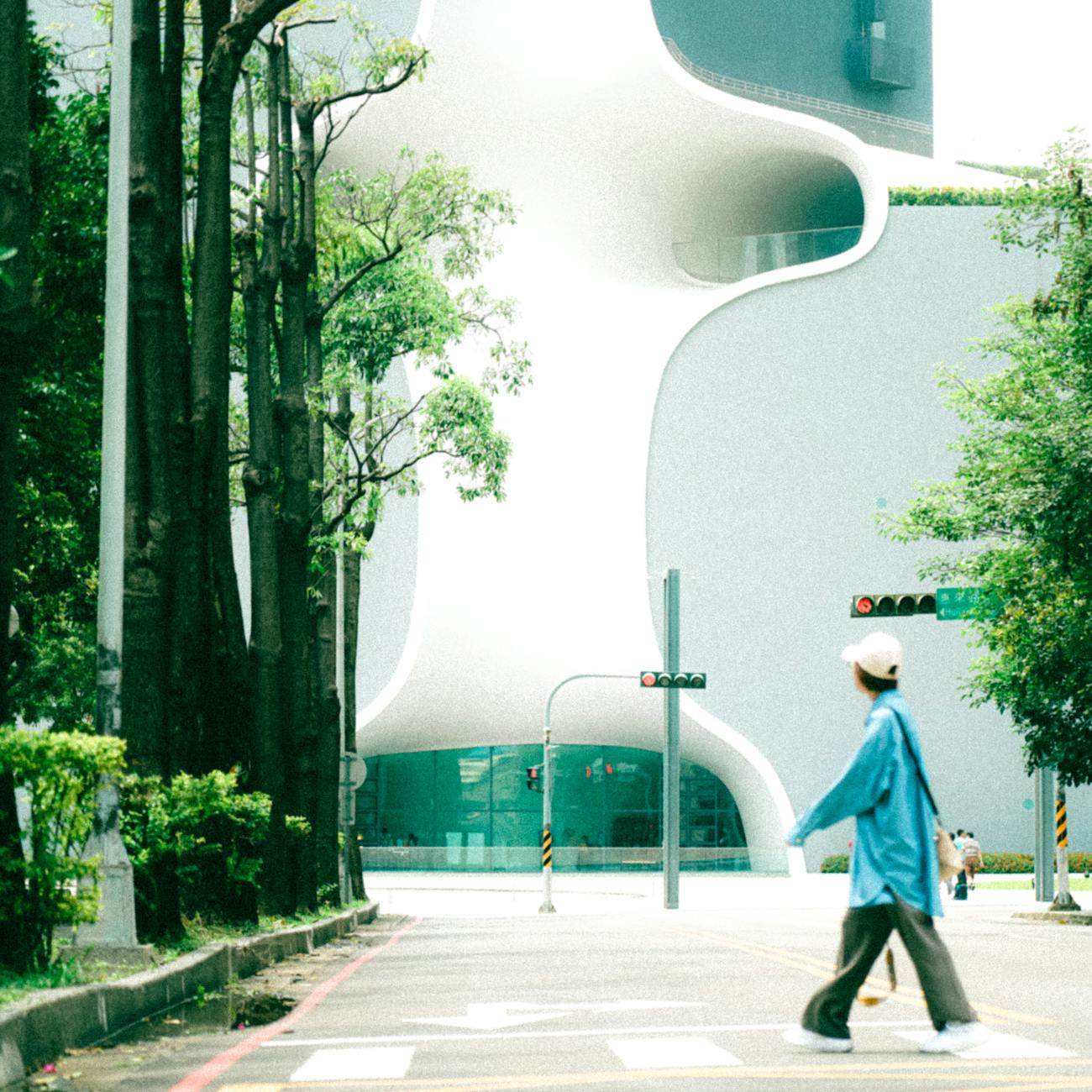
Environmental psychology is the scientific study of the interplay between humans and their physical surroundings. It explores how built, natural, and social environments influence perception, cognition, emotion, and behavior. Central to this discipline is the concept that environments are not merely passive backdrops but active contributors to wellbeing, performance, and identity. For instance, a well‑lit office with clear wayfinding cues can boost concentration and reduce stress, whereas a cluttered, noisy urban street may increase anxiety and hinder social interaction. Understanding these dynamics enables designers, planners, and policymakers to create spaces that support health, productivity, and sustainability.
Place attachment refers to the emotional bond that individuals develop with specific locations. This bond emerges from personal experiences, cultural meanings, and social connections. A resident who has lived in a neighbourhood for decades may feel a strong sense of belonging, which can motivate community stewardship and resistance to unwanted change. Conversely, a weak attachment may lead to disengagement and neglect. Designers can strengthen place attachment by incorporating local materials, preserving historic features, and providing opportunities for personal expression, such as community gardens or public art installations.
Behavioral setting is a term coined by Roger Barker to describe the patterned, recurring situations in which behavior occurs. A behavioral setting includes the physical layout, the roles of participants, and the normative expectations that guide actions. For example, a coffee shop constitutes a setting where patrons typically sit, converse, work, or observe, and the arrangement of tables, lighting, and music influences these activities. Recognizing behavioral settings helps designers anticipate how people will use a space and what environmental cues are needed to support desired outcomes.
Affordance describes the possibilities for action that an environment offers to an individual, based on the relationship between the object’s properties and the person’s capabilities. A staircase affords climbing, a bench affords sitting, and a wide hallway affords easy passage for wheelchairs. Affordances are perceived rather than inherent; therefore, designers must ensure that cues are clear and that physical features match the intended users’ abilities. In sustainable design, affordances can be used to encourage pro‑environmental behaviors, such as placing recycling bins at eye level to afford easy disposal of waste.
Biophilic design is an approach that seeks to reconnect people with nature by integrating natural elements into the built environment. This can include the use of daylight, indoor plants, natural materials, water features, and views of greenery. Research shows that biophilic environments can reduce stress, improve cognitive performance, and enhance creativity. A hospital ward with large windows overlooking a garden, for example, can accelerate patient recovery and improve staff morale. Challenges to biophilic design include budget constraints, maintenance requirements, and the need to balance aesthetic goals with functional performance.
Environmental stressors are physical or psychological factors in an environment that can cause discomfort or health problems. Common stressors include noise, poor air quality, inadequate lighting, thermal discomfort, and overcrowding. Chronic exposure to these stressors can lead to reduced productivity, increased absenteeism, and long‑term health issues. Mitigating environmental stressors involves strategies such as acoustic insulation, ventilation improvements, daylight harvesting, and spatial planning that reduces density. Sustainable design aims to minimize stressors while also reducing resource consumption.
Thermal comfort is the state of mind that expresses satisfaction with the surrounding temperature. It is influenced by air temperature, humidity, air velocity, radiant temperature, clothing insulation, and metabolic rate. In building design, achieving thermal comfort traditionally relied on heating and cooling systems that consume significant energy. Modern sustainable approaches use passive design strategies—such as orientation, shading, thermal mass, and natural ventilation—to maintain comfort with minimal mechanical intervention. The challenge lies in designing for diverse occupant preferences and varying climate conditions.
Daylight harvesting involves capturing and utilizing natural light to illuminate interior spaces, thereby reducing reliance on artificial lighting. Techniques include strategic placement of windows, light shelves, reflective surfaces, and skylights. Daylight harvesting not only saves energy but also supports circadian rhythms, which regulate sleep‑wake cycles and overall health. However, excessive daylight can cause glare or overheating, so designers must balance illumination levels, use shading devices, and incorporate glare‑control glazing to optimize performance.
Acoustic ecology examines the relationship between sound environments and human experience. It considers both unwanted noise—such as traffic or industrial sounds—and beneficial soundscapes, like birdsong or water flow. Acoustic ecology informs the design of quiet zones, sound masking systems, and acoustic treatments that improve speech intelligibility and privacy. Sustainable design incorporates acoustic considerations by selecting low‑impact materials, orienting buildings away from noise sources, and creating green buffers that absorb sound.
Wayfinding is the process by which people orient themselves and navigate through an environment. Effective wayfinding design uses clear signage, intuitive spatial layouts, landmarks, and color coding to guide movement. In large facilities such as hospitals or airports, good wayfinding reduces stress, improves efficiency, and enhances user satisfaction. Wayfinding also intersects with sustainability when it encourages walking routes over vehicular circulation, thereby lowering carbon emissions associated with internal transport.
Social sustainability refers to the capacity of a community to maintain social cohesion, equity, and quality of life over time. It encompasses access to services, participation in decision‑making, cultural vitality, and the ability to meet basic needs. In the built environment, social sustainability is promoted by inclusive design that accommodates diverse users, provides communal spaces, and ensures accessibility. For example, mixed‑use developments that combine housing, retail, and public amenities can foster interaction and reduce the need for long commutes, supporting both social and environmental goals.
Life‑cycle assessment (LCA) is a methodological framework for evaluating the environmental impacts of a product or system from material extraction through disposal. LCA considers raw material acquisition, manufacturing, transportation, use, maintenance, and end‑of‑life processes. In architecture, LCA helps select materials with lower embodied carbon, assess the energy performance of building envelopes, and compare alternative design options. The main challenges of LCA include data availability, the complexity of modeling, and integrating results into design decision‑making within tight project timelines.
Embodied energy is the total amount of energy consumed during the extraction, processing, manufacturing, and transportation of building materials. Materials such as steel and aluminum have high embodied energy, whereas timber and recycled content often have lower values. Reducing embodied energy contributes to overall sustainability by lowering the carbon footprint of construction. Strategies include using locally sourced materials, reusing existing structures, and selecting products with certified low‑embodied‑energy profiles. Designers must balance embodied energy with performance requirements and durability.
Passive solar design exploits the sun’s energy for heating and lighting without active mechanical systems. Key principles include building orientation toward the sun’s path, using appropriate glazing to admit winter sunlight while shading summer heat, and incorporating thermal mass to store and release heat. A south‑facing façade with large, double‑glazed windows and an interior concrete floor can capture solar gain during cold months, reducing heating demand. The challenge lies in adapting passive solar strategies to diverse climates and urban contexts where site constraints limit orientation and shading options.
Green infrastructure denotes a network of natural and semi‑natural features that provide ecosystem services within urban settings. Examples include parks, street trees, green roofs, rain gardens, and wetlands. Green infrastructure improves stormwater management, air quality, biodiversity, and human wellbeing. In sustainable design, integrating green infrastructure can mitigate heat island effects, enhance aesthetic appeal, and create opportunities for environmental education. However, maintenance responsibilities, land‑use conflicts, and funding constraints can impede implementation.
Adaptive reuse involves repurposing existing buildings for new functions rather than demolishing them and constructing from scratch. This approach conserves resources, preserves cultural heritage, and often reduces embodied carbon. For example, converting an old warehouse into loft apartments retains the structure’s embodied energy while meeting contemporary housing needs. Adaptive reuse requires careful assessment of structural integrity, code compliance, and the suitability of existing layouts for new uses. Balancing historic preservation with modern performance standards is a common challenge.
Human‑centered design places the needs, abilities, and experiences of people at the core of the design process. It involves iterative research, prototyping, and testing with real users to ensure that solutions are intuitive, accessible, and supportive of desired behaviors. In environmental psychology, human‑centered design draws on insights about perception, cognition, and emotion to shape spaces that promote wellbeing. Techniques such as user journey mapping, participatory workshops, and scenario testing help designers align built environments with human motivations and constraints.
Environmental justice addresses the equitable distribution of environmental benefits and burdens across different social groups. Historically, marginalized communities have borne disproportionate exposure to pollution, limited access to green space, and inadequate housing conditions. Sustainable design must consider environmental justice by ensuring that projects do not exacerbate inequities and by actively involving affected communities in planning processes. Policies such as equitable zoning, affordable housing mandates, and community benefit agreements are tools to advance environmental justice objectives.
Eco‑feedback is the provision of real‑time information about environmental performance to occupants, encouraging awareness and behavior change. Examples include digital displays showing energy consumption, water usage dashboards, or mobile apps that track personal carbon footprints. By making invisible impacts visible, eco‑feedback can motivate occupants to turn off lights, adjust thermostats, or reuse resources. The effectiveness of eco‑feedback depends on clarity of information, relevance to users, and integration with incentives or social norms.
Psychological resilience in the context of the built environment refers to the capacity of individuals and communities to adapt positively to stressors, disruptions, or change. Design can enhance resilience by providing flexible spaces, redundant systems, and opportunities for social interaction that support coping mechanisms. For instance, community centres that double as emergency shelters during natural disasters contribute to collective resilience. Incorporating resilient design principles also aligns with climate adaptation strategies, ensuring that structures remain functional under extreme weather events.
Spatial cognition encompasses mental processes involved in perceiving, remembering, and navigating physical spaces. It includes skills such as mental mapping, wayfinding, and understanding spatial relationships. Architectural layouts that align with natural cognitive patterns—such as clear hierarchies, visible landmarks, and consistent spatial cues—facilitate easier navigation and reduce cognitive load. Poor spatial cognition can lead to disorientation, increased stress, and reduced efficiency, especially in complex environments like hospitals or campuses.
Behavioural nudges are subtle design interventions that steer people toward desired actions without restricting choice. In environmental psychology, nudges can promote sustainable behaviors such as recycling, energy conservation, and active transport. Examples include placing stairs prominently to encourage walking, using default settings for low‑energy lighting, or arranging recycling bins in a way that makes them more convenient than trash cans. Ethical considerations arise when nudges influence autonomy, requiring transparency and respect for user preferences.
Place identity is the aspect of self‑concept derived from meaningful connections to physical locales. It shapes how individuals perceive themselves in relation to a community or environment. A strong place identity can foster stewardship, cultural continuity, and emotional wellbeing. Design interventions that reinforce place identity might incorporate local art, vernacular architecture, or community narratives. Conversely, generic, homogenized spaces can erode place identity, leading to alienation and reduced attachment.
Environmental perception refers to how individuals interpret sensory information from their surroundings, including visual, auditory, olfactory, and tactile cues. Perception influences emotional responses and behavioral intentions. For example, a building façade with warm materials and natural textures may be perceived as inviting, while harsh, reflective surfaces might evoke feelings of coldness. Designers can manipulate environmental perception through material selection, lighting design, and acoustic treatment to create desired atmospheres.
Ecological footprint measures the amount of biologically productive land and water area required to support a population’s consumption and waste generation. In building design, calculating the ecological footprint involves assessing energy use, material sourcing, water consumption, and waste production. Reducing the footprint can be achieved through energy‑efficient envelopes, renewable energy integration, water‑saving fixtures, and circular material strategies. The limitation of ecological footprint analysis lies in its broad aggregation, which may obscure specific impact categories such as biodiversity loss or chemical pollution.
Carbon neutrality is the state where net carbon dioxide emissions are zero, achieved by balancing emitted carbon with equivalent offsets or removals. In the built environment, carbon neutrality involves reducing operational emissions through energy efficiency, renewable energy, and low‑carbon materials, as well as addressing embodied carbon through material selection and reuse. Achieving carbon neutrality often requires life‑cycle thinking, carbon accounting, and participation in certification schemes. Barriers include high upfront costs, limited availability of low‑carbon materials, and uncertainties in offset quality.
Renewable energy integration encompasses the incorporation of solar, wind, geothermal, and biomass energy systems into building designs. Strategies range from rooftop photovoltaic panels and solar thermal collectors to building‑integrated wind turbines and ground‑source heat pumps. Integration must consider site conditions, orientation, structural capacity, and grid interconnection requirements. Successful renewable energy integration reduces reliance on fossil fuels, lowers operating costs, and contributes to climate mitigation goals. Challenges include intermittency, aesthetic concerns, and the need for storage solutions.
Green building certification systems, such as LEED, BREEAM, and DGNB, provide frameworks for assessing and recognizing sustainable performance. They evaluate criteria across energy efficiency, water conservation, material selection, indoor environmental quality, and innovation. Certifications guide designers toward best practices, provide market differentiation, and can attract environmentally conscious occupants. However, certification processes can be resource‑intensive, may prioritize checklist compliance over holistic performance, and sometimes overlook local context or cultural relevance.
Indoor environmental quality (IEQ) is a collective term for factors that affect the health, comfort, and productivity of building occupants. IEQ includes air quality, lighting, acoustics, thermal comfort, and ergonomics. High IEQ is linked to reduced sick‑building syndrome symptoms, enhanced cognitive function, and lower absenteeism. Sustainable design addresses IEQ through low‑VOC materials, effective ventilation, daylight access, acoustic control, and adaptable thermal systems. Trade‑offs can arise when energy‑saving measures, such as reduced ventilation, compromise air quality, requiring careful balance.
Behavioral change theory offers frameworks for understanding how and why people adopt new habits, essential for promoting sustainable practices. Models such as the Theory of Planned Behavior, the Transtheoretical Model, and the COM-B system (Capability, Opportunity, Motivation – Behavior) identify determinants of action. Applying these theories, designers can structure interventions that enhance knowledge, provide opportunities, and boost motivation. For example, a campus recycling program might combine education campaigns (knowledge), conveniently placed bins (opportunity), and social norm messaging (motivation). Limitations include variability across cultures and the difficulty of sustaining long‑term change.
Stakeholder participation is the process of involving all relevant parties—users, community members, owners, regulators, and service providers—in the design and decision‑making phases. Participation ensures that diverse perspectives are considered, leading to more inclusive, acceptable, and successful outcomes. Methods include public workshops, focus groups, surveys, and co‑design sessions. In environmental psychology, stakeholder participation can uncover hidden needs, cultural values, and potential barriers to adoption of sustainable practices. Effective participation requires clear communication, managing expectations, and balancing power dynamics.
Human factors (or ergonomics) examines how physical and cognitive capabilities of people influence the design of tools, spaces, and systems. In architectural design, human factors inform the height of work surfaces, the reach distance for controls, and the readability of signage. Applying human factors reduces errors, enhances comfort, and improves efficiency. When combined with sustainability goals, human‑factor‑informed designs can also reduce resource waste—for instance, by optimizing lighting controls to match visual tasks, thereby avoiding over‑illumination.
Resilience planning involves preparing built environments to withstand and recover from disturbances such as extreme weather, earthquakes, or social upheaval. It incorporates redundancy, modularity, and adaptive capacity into design. A resilient neighbourhood might feature decentralized energy generation, flood‑resilient landscaping, and flexible community spaces that can serve as shelters. Resilience planning aligns with sustainable design by promoting longevity, reducing the need for reconstruction, and preserving resources. The complexity of predicting future threats and integrating resilience into existing regulatory frameworks presents a significant challenge.
Ecopsychology is an interdisciplinary field that examines the psychological relationship between humans and the natural world, emphasizing how ecological health influences mental health. It highlights concepts such as nature deficit disorder, which describes the negative effects of reduced exposure to natural environments on children’s development. Incorporating ecopsychology into design may involve creating restorative natural spaces, facilitating wildlife corridors, and promoting outdoor learning. Measuring the psychological benefits of such interventions can be difficult, and there may be tensions between conservation goals and human recreational use.
Restorative environment refers to settings that facilitate recovery from mental fatigue, stress, or emotional strain. According to Attention Restoration Theory, environments with “soft fascination”—such as a garden with flowing water—allow directed attention to rest and replenish. Designing restorative environments in workplaces, hospitals, or schools can improve performance, reduce burnout, and enhance overall wellbeing. Key design elements include access to natural views, quiet zones, and sensory diversity. However, space constraints and competing functional demands may limit the extent to which restorative features can be incorporated.
Environmental cognition studies how people acquire, process, and use information about their surroundings. It encompasses perception of environmental cues, memory of spatial layouts, and decision‑making regarding navigation or resource use. Understanding environmental cognition helps designers create intuitive wayfinding systems, reduce cognitive overload, and support sustainable behaviors. For instance, clear visual hierarchies in signage reduce reliance on memory, making it easier for occupants to locate recycling points. Cognitive biases, such as optimism bias regarding personal energy use, can hinder behavior change, requiring targeted interventions.
Ecological design is a design philosophy that seeks harmony between built structures and natural ecosystems. It emphasizes minimizing ecological impact, enhancing biodiversity, and supporting ecosystem services. Principles include use of renewable resources, closed‑loop material cycles, and integration of habitat features. An ecologically designed office building might incorporate green roofs that provide habitat for pollinators, rainwater harvesting systems that reduce runoff, and modular construction that facilitates future disassembly and reuse. Implementing ecological design often demands interdisciplinary collaboration and may conflict with conventional cost‑driven construction practices.
Participatory design is an approach where end‑users actively collaborate in the design process, contributing ideas, feedback, and co‑creation of solutions. This democratic methodology aligns with environmental psychology’s emphasis on empowerment and sense of ownership. In sustainable design projects, participatory design can uncover community preferences for energy‑saving measures, identify culturally appropriate materials, and foster long‑term stewardship of green spaces. Effective facilitation, clear communication, and respecting local knowledge are essential for meaningful participation. Potential drawbacks include extended timelines and the need to reconcile divergent stakeholder interests.
Behavioral mapping involves systematic observation and recording of human activities within a space to identify patterns, bottlenecks, and usage frequencies. Data from behavioral mapping can inform redesigns that improve flow, reduce congestion, and support desired behaviors such as recycling or active transport. For example, mapping pedestrian movement in a university campus may reveal that students avoid a particular pathway due to lack of shade, suggesting the addition of tree canopies to encourage walking. Challenges include ensuring observer reliability, privacy considerations, and translating qualitative observations into actionable design changes.
Systems thinking is an analytical perspective that views a problem as part of an interconnected set of elements, rather than in isolation. In environmental psychology and sustainable design, systems thinking helps identify feedback loops, unintended consequences, and leverage points for intervention. A systems‑oriented approach to building energy use might consider the interaction between occupant behavior, HVAC controls, daylight availability, and building envelope performance. By recognizing these interdependencies, designers can craft integrated solutions that achieve greater overall efficiency. The complexity of modeling whole‑system behavior can be a barrier to widespread adoption.
Place‑based education integrates local environmental contexts into learning experiences, fostering awareness and stewardship among students. It often utilizes nearby natural features, historic sites, or community projects as instructional resources. Within sustainable design curricula, place‑based education can involve students in real‑world projects such as designing a rain garden for a schoolyard, thereby linking theory to tangible outcomes. This experiential learning deepens understanding of ecological processes and community dynamics, but may require additional coordination with local partners and alignment with academic schedules.
Anthropocene is the proposed geological epoch characterized by significant human impact on Earth’s geology and ecosystems. Recognizing the Anthropocene underscores the urgency of designing built environments that are resilient, low‑impact, and restorative. Environmental psychologists study how awareness of the Anthropocene influences attitudes toward sustainability, risk perception, and motivation to adopt pro‑environmental behaviors. Designers respond by creating structures that not only reduce harm but also actively contribute to ecological regeneration, such as buildings that generate more energy than they consume or that support urban agriculture. Communicating the Anthropocene narrative can be challenging, as it may evoke feelings of helplessness or denial.
Nature‑connectedness describes an individual’s affective and cognitive relationship with the natural world. Higher nature‑connectedness is associated with greater environmental concern, pro‑environmental behavior, and psychological wellbeing. Design interventions that foster nature‑connectedness—such as incorporating living walls, providing opportunities for wildlife observation, or creating outdoor classrooms—can amplify sustainability outcomes. Measuring nature‑connectedness often relies on self‑report scales, which may be influenced by social desirability bias, highlighting the need for complementary behavioral indicators.
Carbon budgeting is the process of allocating allowable carbon emissions across different components of a project or organization to meet overall reduction targets. In the context of building design, carbon budgeting may set limits for embodied carbon in materials, operational carbon from energy use, and travel‑related emissions associated with occupants. By establishing a carbon budget early in the design phase, teams can make informed trade‑offs, such as opting for higher‑performance insulation even if it incurs higher upfront material costs, to stay within the allocated carbon envelope. Accurate budgeting requires reliable data, clear boundaries, and iterative monitoring.
Environmental literacy denotes the knowledge, skills, and attitudes needed to understand environmental issues and make informed decisions. Promoting environmental literacy among building occupants can lead to more responsible use of resources, such as turning off lights, reducing water waste, or participating in recycling programs. Educational displays, interactive kiosks, and workshops are tools to enhance literacy. However, achieving lasting behavior change often requires coupling literacy initiatives with structural supports, such as convenient infrastructure and incentive mechanisms.
Design for deconstruction is an approach that plans building components for easy disassembly and material recovery at the end of a structure’s life. It involves using mechanical fasteners instead of adhesives, standardizing dimensions, and labeling materials for future reuse. This strategy reduces waste, conserves resources, and supports a circular economy. Implementing design for deconstruction may increase initial design complexity and construction costs, but those expenses can be offset by the value recovered from reclaimed materials and the reduction of landfill disposal fees.
Circular economy is an economic model that aims to keep resources in use for as long as possible, extract maximum value, and recover products and materials at the end of each service life. In the built environment, circular principles manifest through material reuse, modular construction, and product‑as‑a‑service models (e.G., Leasing lighting fixtures that the provider maintains and upgrades). Circular economy thinking shifts focus from a linear “take‑make‑dispose” paradigm to regenerative cycles, supporting environmental sustainability and resource security. Barriers include existing supply chains, regulatory constraints, and the need for new business models.
Behavioral economics applies insights from psychology and economics to understand how people make decisions, especially when those decisions deviate from rational models. Concepts such as loss aversion, default effects, and social proof can be leveraged to design environments that nudge occupants toward sustainable choices. For example, making the energy‑efficient lighting option the default on a smart‑control panel exploits the default bias, increasing the likelihood of low‑energy usage. Ethical considerations require that nudges be transparent and respect individual autonomy.
Environmental ethics explores moral principles governing human relationships with the natural world. It raises questions about the rights of non‑human entities, intergenerational equity, and responsibilities toward ecosystems. In sustainable design, environmental ethics informs decisions about material sourcing, habitat preservation, and the allocation of resources. Designers may adopt frameworks such as deep ecology, which emphasizes the intrinsic value of all living beings, or stewardship ethics, which focus on responsible management for future generations. Translating abstract ethical concepts into concrete design criteria can be challenging, often requiring interdisciplinary dialogue.
Microclimate is the localized atmospheric condition in a specific area, influenced by factors such as vegetation, building geometry, surface materials, and water bodies. Understanding microclimate is crucial for passive design strategies, as it affects temperature, wind patterns, and solar exposure. For instance, a courtyard shaded by trees may experience lower daytime temperatures and higher humidity, creating a comfortable outdoor environment without mechanical cooling. Designers can manipulate microclimates through strategic planting, reflective surfaces, and windbreaks, but must account for seasonal variations and potential unintended consequences like increased pest habitats.
Behavioral segmentation categorizes occupants based on their attitudes, motivations, and behaviors related to sustainability. Segments might include “energy enthusiasts,” “convenience seekers,” or “habitual waste producers.” Tailoring communication and interventions to each segment enhances effectiveness. For example, gamified energy dashboards may appeal to competitive “energy enthusiasts,” while clear labeling and easy‑access recycling bins serve “convenience seekers.” Accurate segmentation requires robust data collection, such as surveys or sensor analytics, and must respect privacy concerns.
Ecological network refers to a connected system of habitats that facilitates species movement and genetic exchange across a landscape. In urban planning, creating ecological networks involves linking parks, green roofs, street trees, and riparian corridors to support biodiversity. These networks provide ecosystem services such as pollination, stormwater mitigation, and climate regulation. Designing ecological networks within dense cities demands creative solutions, such as vertical gardens, pocket parks, and wildlife-friendly façade treatments. Maintaining connectivity over time requires coordinated governance and long‑term stewardship commitments.
Psychophysiological measures are objective methods for assessing physiological responses—such as heart rate, skin conductance, or brain activity—to environmental stimuli. In environmental psychology research, these measures can reveal stress levels, arousal, or cognitive load associated with different design features. For example, monitoring heart rate variability while participants navigate a building can indicate areas that cause anxiety or confusion. Integrating psychophysiological data with subjective surveys provides a richer understanding of user experience, though the equipment and expertise required can be costly.
Energy modeling is the computational simulation of a building’s energy performance, predicting heating, cooling, lighting, and equipment loads under various conditions. Tools such as EnergyPlus, IES VE, or eQuest enable designers to evaluate design alternatives, optimize envelope insulation, and assess renewable energy integration. Accurate energy modeling informs decisions that reduce operational carbon and operational costs. However, model accuracy depends on quality input data, assumptions about occupant behavior, and the granularity of the simulation, necessitating iterative validation.
Behavioural climate describes the collective attitudes, norms, and practices related to environmental sustainability within a specific group or organization. A strong pro‑environmental behavioural climate encourages individuals to adopt energy‑saving habits, participate in recycling programs, and support green initiatives. Leaders can shape the behavioural climate through policies, incentives, and visible commitment, such as installing energy dashboards or recognizing sustainability champions. Changing a behavioural climate is a gradual process that may encounter resistance, especially if existing practices are deeply entrenched.
Human‑environment interaction is the reciprocal influence between people and their surroundings, encompassing physical, psychological, and social dimensions. It forms the core of environmental psychology, informing how design can enhance wellbeing, productivity, and sustainability. Examples range from how office layout affects collaboration to how street design influences pedestrian safety and active travel. Understanding this interaction requires multidisciplinary research, integrating insights from architecture, psychology, sociology, and engineering.
Ecological restoration involves intentional actions to recover degraded ecosystems to a state of ecological integrity and functionality. In urban contexts, restoration may include rehabilitating riverbanks, re‑planting native vegetation, or creating pollinator habitats on rooftops. Incorporating restoration into design projects adds ecological value, improves aesthetics, and can provide educational opportunities. Restoration projects must consider site constraints, long‑term maintenance, and potential conflicts with human uses, requiring careful planning and stakeholder engagement.
Social capital denotes the networks, trust, and norms that facilitate cooperation within a community. High social capital is associated with greater participation in communal activities, collective problem‑solving, and resilience to crises. Design can nurture social capital by providing shared spaces, encouraging informal encounters, and supporting community‑led initiatives. For example, a neighbourhood centre that hosts workshops, meetings, and cultural events becomes a hub for relationship building. Measuring social capital is complex, often relying on surveys and observation, and the impact of built environment interventions may be indirect and long‑term.
Behavioural sustainability refers to the adoption of lifestyle choices and habits that reduce environmental impact, such as conserving water, reducing waste, or choosing low‑carbon transportation. Environmental psychology investigates the drivers and barriers to such behaviors, including knowledge gaps, perceived efficacy, social norms, and convenience. Designing for behavioural sustainability involves aligning physical infrastructure with motivational factors, for instance, providing secure bicycle storage to encourage cycling, or installing low‑flow fixtures to reduce water consumption. Sustaining these behaviors over time often requires reinforcement mechanisms, such as feedback, incentives, or community challenges.
Eco‑efficiency is the practice of delivering goods and services while minimizing ecological impacts, typically expressed as the ratio of economic value to environmental burden. In architecture, eco‑efficiency might be measured by floor area per unit of embodied carbon, or energy use per square metre of office space. The goal is to achieve higher performance with fewer resources, supporting both economic competitiveness and environmental stewardship. Critics argue that focusing solely on efficiency may overlook broader systemic issues such as consumption patterns or equity, highlighting the need for a holistic sustainability perspective.
Place‑making is a collaborative process that shapes public spaces to promote health, happiness, and well‑being. It involves community engagement, design, programming, and management to create vibrant, inclusive environments. In sustainable design, place‑making can integrate green infrastructure, cultural heritage, and social activities, fostering a sense of ownership and stewardship. Successful place‑making often requires flexible governance structures, ongoing maintenance plans, and adaptive programming that responds to evolving community needs.
Psychological ownership is the feeling that something is “mine,” which can arise from personal investment, control, or identification with an object or space. When occupants develop psychological ownership of a building or area, they are more likely to care for it, report issues, and engage in sustainable practices. Design strategies that promote ownership include providing opportunities for personalization, involving users in decision‑making, and creating spaces that reflect shared values. However, excessive ownership feelings may lead to resistance against necessary changes or upgrades.
Ecological resilience describes the capacity of an ecosystem to absorb disturbances while maintaining its essential functions and structure. In urban design, incorporating resilient ecosystems—such as wetlands that buffer floodwaters or diverse plantings that withstand pests—enhances the city’s ability to cope with climate impacts. Ecological resilience supports services like water purification, carbon sequestration, and habitat provision. Designers must balance resilience with other objectives, such as aesthetic preferences or land‑use efficiency, and consider long‑term maintenance commitments.
Behavioural monitoring involves the systematic collection of data on occupant actions, often using sensors, surveys, or observational methods. Monitoring can track energy use patterns, occupancy levels, or waste disposal habits, providing evidence for targeted interventions. For example, occupancy sensors can inform demand‑controlled ventilation, reducing unnecessary heating or cooling. While monitoring offers valuable insights, it raises privacy concerns, requires data management infrastructure, and may involve substantial costs for sensor deployment and analysis.
Design thinking is a problem‑solving methodology that emphasizes empathy, ideation, prototyping, and testing. In the context of environmental psychology, design thinking encourages designers to deeply understand user experiences, emotions, and motivations before generating solutions. The iterative nature of design thinking aligns with sustainability goals, as prototypes can be evaluated for environmental impact and user acceptance early in the process. Integrating design thinking with technical analysis, such as energy modeling, creates a balanced approach that addresses both human and performance criteria.
Environmental impact assessment (EIA) is a systematic process for evaluating the potential environmental consequences of a proposed project before decisions are made. EIAs consider aspects such as air and water quality, biodiversity, noise, and social impacts, and often include mitigation measures to reduce adverse effects. In building projects, an EIA may identify sensitive habitats, recommend construction best practices, and propose community engagement strategies. Conducting thorough EIAs can prevent costly redesigns, legal challenges, and reputational damage, but the process can be time‑consuming and may require specialist expertise.
Behavioural insight refers to the application of research findings about human behavior to improve policy and design outcomes. Insight can be drawn from experiments, field studies, or meta‑analyses that reveal how context, framing, and incentives shape actions. In sustainable design, behavioural insights might inform the placement of signage to increase recycling rates, or the use of social comparison messages to reduce energy consumption. Translating insights into practice demands collaboration between researchers, designers, and managers, and careful evaluation to ensure effectiveness.
Zero‑energy building (ZEB) is a structure that, on an annual basis, produces as much energy as it consumes, typically through on‑site renewable energy generation and high energy efficiency. Achieving ZEB status requires an integrated design approach, combining passive design, high‑performance envelope, efficient systems, and renewable technologies such as photovoltaic panels. ZEBs contribute to carbon neutrality goals and serve as demonstration projects for sustainable construction. Challenges include higher upfront costs, the need for precise energy modeling, and ensuring occupant comfort across varying climates.
Social learning is the process by which individuals acquire knowledge, attitudes, and behaviors through observation of others and interaction within a community. In environmental contexts, social learning can spread sustainable practices, such as composting or energy conservation, via peer influence and shared experiences. Design can facilitate social learning by creating visible demonstration sites, communal gardens, or collaborative workshops where participants can observe and emulate desired behaviors. The effectiveness of social learning depends on the credibility of role models and the relevance of the learned practices to participants’ daily lives.
Ecological footprinting is a quantitative method for assessing the demand placed on Earth’s ecosystems by a particular activity, organization, or product. It translates resource consumption and waste generation into land area equivalents, providing a tangible measure of environmental pressure. In the built environment, ecological footprinting can guide material selection, energy strategies, and waste management by highlighting the most impactful areas. While the metric offers a clear communication tool, it may oversimplify complex interactions and does not directly account for biodiversity loss or ecosystem health.
Behavioural architecture is the design of physical spaces with the intention of influencing occupant behavior in desirable ways. It draws on environmental psychology principles to shape movement patterns, social interaction, and resource use. Examples include arranging furniture to encourage collaboration, designing staircases that are more inviting than elevators, or placing water refill stations prominently to reduce bottled‑water consumption. Effective behavioural architecture balances aesthetic considerations, functional requirements, and ethical concerns about manipulation.
Environmental stewardship denotes responsible management and care for the natural environment, often emphasizing long‑term preservation and sustainable use. In the context of design, stewardship can manifest as ongoing maintenance plans for green roofs, community engagement in habitat monitoring, or policies that prioritize low‑impact materials. Encouraging stewardship among occupants can lead to proactive behaviours, such as reporting leaks, participating in recycling programs, or volunteering for habitat restoration. Cultivating stewardship requires education, clear responsibilities, and recognition of contributions.
Human‑centered sustainability integrates the well‑being of people with environmental goals, recognizing that sustainable outcomes must also support health, equity, and quality of life. This perspective rejects solutions that achieve ecological targets at the expense of social or psychological needs. For instance, a building that saves energy but provides poor indoor air quality fails the human‑centered sustainability test. Design frameworks that embed human‑centered sustainability assess metrics such as occupant satisfaction, accessibility, and community benefit alongside carbon reduction.
Ecological design patterns are recurring solutions that address common environmental challenges in a context‑sensitive manner.
Key takeaways
- For instance, a well‑lit office with clear wayfinding cues can boost concentration and reduce stress, whereas a cluttered, noisy urban street may increase anxiety and hinder social interaction.
- Designers can strengthen place attachment by incorporating local materials, preserving historic features, and providing opportunities for personal expression, such as community gardens or public art installations.
- For example, a coffee shop constitutes a setting where patrons typically sit, converse, work, or observe, and the arrangement of tables, lighting, and music influences these activities.
- Affordance describes the possibilities for action that an environment offers to an individual, based on the relationship between the object’s properties and the person’s capabilities.
- Challenges to biophilic design include budget constraints, maintenance requirements, and the need to balance aesthetic goals with functional performance.
- Mitigating environmental stressors involves strategies such as acoustic insulation, ventilation improvements, daylight harvesting, and spatial planning that reduces density.
- Modern sustainable approaches use passive design strategies—such as orientation, shading, thermal mass, and natural ventilation—to maintain comfort with minimal mechanical intervention.