
Sustainable Port Operations
Sustainable Port Operations refer to the systematic integration of environmental, social, and economic considerations into the planning, design, construction, and management of maritime facilities. The goal is to minimize negative impacts w…
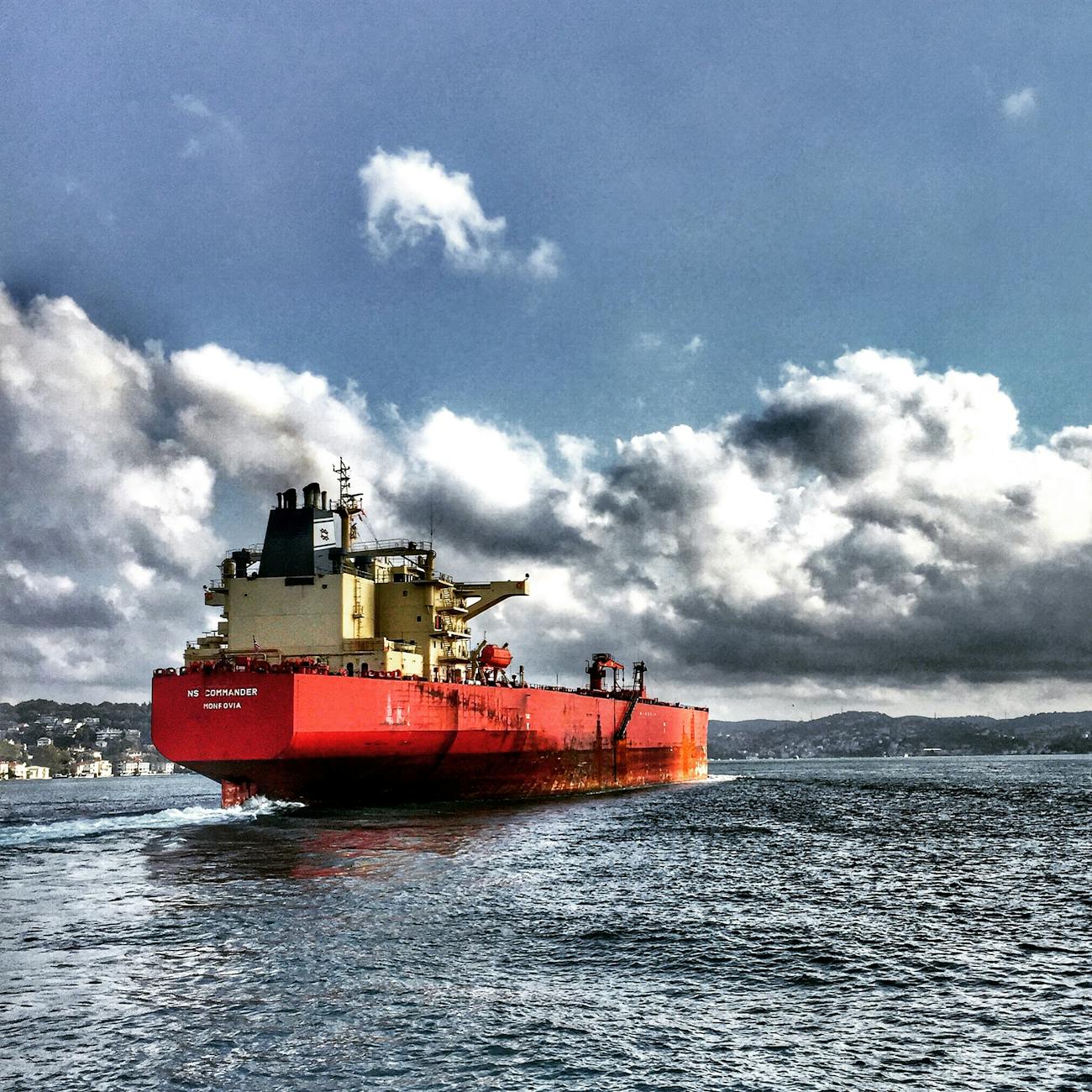
Sustainable Port Operations refer to the systematic integration of environmental, social, and economic considerations into the planning, design, construction, and management of maritime facilities. The goal is to minimize negative impacts while enhancing the positive contributions of ports to regional development and global trade. Understanding the specific terminology that underpins this discipline is essential for professionals seeking to implement effective strategies and comply with evolving regulations. The following exposition provides detailed definitions, practical examples, and discussion of challenges for the most commonly encountered terms in the field of port sustainability.
Carbon Footprint is the total amount of greenhouse gases (GHG) emitted directly or indirectly by a port’s activities, expressed in carbon dioxide equivalents (CO₂e). It includes emissions from diesel‑powered cargo handling equipment, auxiliary power units, land‑based transportation, and the energy used for lighting, heating, and cooling of terminal buildings. For example, a mid‑size container terminal that operates 30 gantry cranes, each consuming 500 kW on average, can generate several thousand tonnes of CO₂e annually. Measuring a carbon footprint typically involves gathering activity data (fuel consumption, electricity usage) and applying emission factors from recognized databases such as the IPCC guidelines. The primary challenge lies in obtaining accurate, high‑resolution data across multiple sources and ensuring consistency with international reporting frameworks.
Greenhouse Gas Emissions encompass carbon dioxide (CO₂), methane (CH₄), nitrous oxide (N₂O), and fluorinated gases released as a result of port operations. While CO₂ dominates due to combustion of fossil fuels, methane can be emitted from waste treatment facilities, and nitrous oxide may arise from diesel exhaust after‑treatment systems. Reducing GHG emissions often requires a combination of energy efficiency measures, fuel switching, and the adoption of renewable energy sources. A common practical application is the installation of solar photovoltaic panels on warehouse roofs, which can offset a portion of the electricity demand and, consequently, the associated emissions. However, the intermittency of solar generation and the need for storage solutions present technical and financial hurdles.
Energy Efficiency denotes the ratio of useful output (such as cargo moved) to the energy input required to achieve that output. Improving energy efficiency in ports can be achieved through equipment retrofits, optimized operational scheduling, and advanced control systems. For instance, upgrading older diesel‑powered reach stackers with hybrid electric‑diesel models can reduce fuel consumption by up to 30 percent per operating hour. The challenge is that many ports operate with legacy equipment that has a long service life, making capital investments in newer, more efficient machinery a significant financial commitment.
Renewable Energy refers to energy derived from natural processes that are replenished on a human timescale, such as solar, wind, tidal, and biomass. In the context of port operations, renewable energy can be integrated through on‑site generation (solar farms, wind turbines) or through power purchase agreements (PPAs) with external renewable producers. A practical example is the use of offshore wind farms to supply electricity to a port’s grid, thereby reducing reliance on coal‑based power plants. The principal challenge is the integration of variable renewable generation into existing electrical infrastructure, which may require upgrades to grid stability and the implementation of demand‑response strategies.
Ballast Water Management is the practice of treating and controlling the discharge of ballast water from ships to prevent the introduction of invasive aquatic species. Internationally, the International Maritime Organization (IMO) has established the Ballast Water Management Convention, which mandates that ships install approved treatment systems. Ports play a critical role by providing inspection facilities, monitoring discharge compliance, and offering shore‑based treatment alternatives. An example of practical application is the development of a port‑based treatment plant that uses ultraviolet (UV) irradiation to sterilize ballast water before it is released back into the marine environment. The challenge is the high capital cost of treatment infrastructure and the need for coordination among ship operators, port authorities, and regulatory agencies.
Ship‑to‑Shore Power, also known as cold ironing, enables vessels to shut down auxiliary diesel generators while docked and draw electricity from the shore grid. This practice eliminates emissions from ship engines during berth time, improving local air quality and reducing noise. A real‑world example is the implementation of a high‑capacity shore power system at a European container terminal, which supplies up to 10 MW of electricity to berthed vessels, resulting in an estimated reduction of 20 000 tonnes of CO₂e per year. The main challenges include the need for standardized electrical interfaces, the requirement for ports to upgrade transformer capacity, and the financial burden of installing high‑power connection infrastructure on both the port side and the vessel side.
Emissions Control Area (ECA) designates specific sea regions where stricter limits on sulphur oxides (SOₓ) and nitrogen oxides (NOₓ) emissions are enforced. Within ECAs, ships must use fuel with sulphur content not exceeding 0.10 Percent or employ exhaust gas cleaning systems (scrubbers). Ports located inside ECAs must adapt by providing low‑sulphur fuel supplies, supporting scrubber waste disposal, and monitoring compliance. For example, a port situated in the North Sea ECA may establish a dedicated bunker terminal that stocks marine gasoil (MGO) compliant with the 0.10 Percent sulphur limit. The challenge lies in balancing the higher cost of low‑sulphur fuel with market demand and ensuring that regulatory compliance does not disrupt cargo throughput.
Environmental Management System (EMS) is a structured framework that enables an organization to manage its environmental responsibilities systematically. The most widely recognized standard for an EMS is ISO 14001, which outlines requirements for policy development, planning, implementation, monitoring, and continual improvement. In ports, an EMS can coordinate actions across multiple departments, such as waste handling, air quality monitoring, and stakeholder communication. A practical illustration is a port that adopts an EMS to track waste generation, implement recycling programs, and publish an annual sustainability report. The principal challenge is achieving cross‑functional integration, as many port activities are historically siloed, and securing senior management commitment is essential for effective implementation.
Life Cycle Assessment (LCA) is a methodological approach to evaluate the environmental impacts associated with all stages of a product or service’s life, from raw material extraction through disposal. In the context of port operations, LCA can be applied to assess the environmental profile of a new container terminal, the procurement of diesel‑powered equipment, or the implementation of a shore power system. For example, an LCA might compare the cumulative GHG emissions of a traditional diesel‑driven crane versus a hybrid electric crane over a ten‑year service life. Challenges include data availability, especially for upstream processes, and the need for specialized expertise to conduct robust LCAs.
Circular Economy is an economic model that emphasizes the reuse, refurbishment, and recycling of materials to minimize waste and resource extraction. Ports can contribute to a circular economy by establishing material recovery facilities, promoting the reuse of shipping containers for housing or storage, and facilitating the collection of end‑of‑life vessels for steel recycling. A concrete example is a port that partners with a logistics company to refurbish used containers into pop‑up retail spaces, thereby extending the product’s useful life and generating additional revenue. The main obstacles are regulatory constraints on the repurposing of maritime assets, market acceptance, and the logistical complexity of handling diverse waste streams.
Waste Management encompasses the collection, segregation, treatment, and disposal of solid and hazardous waste generated by port activities. Effective waste management reduces environmental contamination, complies with regulations, and can generate economic benefits through recycling. Ports typically generate waste categories such as metal scrap, oily sludge, packaging material, and hazardous chemicals from maintenance operations. A practical application is the installation of on‑site shredders and balers for cardboard and plastic, enabling the sale of recyclable material to third‑party processors. The challenge is the need for proper segregation at the source, which requires staff training and continuous monitoring to avoid cross‑contamination.
Stormwater Runoff refers to water that flows over impervious surfaces, such as paved roads, parking lots, and cargo handling areas, picking up pollutants before entering natural water bodies. Ports, due to their extensive paved areas, are significant contributors to stormwater pollution. Mitigation measures include the construction of sedimentation basins, vegetated swales, and permeable pavement. For instance, a port may design a series of detention ponds that capture runoff during heavy rain, allowing suspended solids to settle before the water is released into the adjacent harbor. The challenges involve land availability for such infrastructure, maintenance requirements, and ensuring that runoff treatment capacity matches extreme weather events increasingly common due to climate change.
Air Quality monitoring is essential for assessing the impact of port emissions on surrounding communities. Key pollutants include particulate matter (PM₂.₅ And PM₁₀), nitrogen oxides (NOₓ), sulphur oxides (SOₓ), and volatile organic compounds (VOCs). Ports often deploy continuous emission monitoring systems (CEMS) on major emission sources, such as diesel generators and cargo handling equipment, and operate ambient air quality stations around the perimeter. A real‑world example is a port that installs a network of low‑cost air sensors to provide real‑time data to a public dashboard, enhancing transparency and community trust. The main challenges are the high cost of high‑precision monitoring equipment, data management complexities, and the need to correlate emission sources with observed pollutant concentrations.
Noise Pollution arises from ship engines, cargo handling machinery, and vehicular traffic. Persistent high noise levels can affect nearby residential areas and wildlife habitats. Noise mitigation strategies include the use of acoustic enclosures for generators, scheduling high‑noise activities during daytime hours, and implementing quieter equipment designs. For example, a port may replace older diesel generators with low‑noise, inverter‑based power units that operate at reduced sound pressure levels. The difficulty lies in balancing operational constraints (such as 24/7 cargo handling) with community expectations, and the limited availability of standardized noise limits specific to port environments.
Biodiversity refers to the variety of living organisms within an ecosystem. Ports, especially those located near ecologically sensitive zones, can impact biodiversity through habitat loss, water contamination, and introduction of invasive species. Conservation measures include establishing buffer zones, protecting mangrove areas, and implementing wildlife-friendly lighting that reduces attraction of sea turtles to shore‑based structures. An illustrative case is a port that restores a degraded mangrove fringe by planting native saplings, thereby enhancing fish nursery habitats and improving carbon sequestration. The principal challenges are competing land‑use priorities, the need for long‑term monitoring, and securing funding for restoration projects.
Habitat Conservation involves the protection and management of natural environments that support wildlife. In port contexts, this may entail preserving tidal flats, seagrass beds, and coral reefs adjacent to port facilities. Practical steps include delineating protected zones, restricting dredging activities during breeding seasons, and employing environmentally sensitive dredging techniques. For instance, a port may adopt a “no‑dig” policy within a designated marine protected area, instead opting for offshore disposal of dredged material. Challenges include reconciling operational requirements such as channel deepening with conservation objectives, and the often‑complex permitting processes.
Marine Protected Areas (MPAs) are designated regions where human activities are regulated to protect marine ecosystems. Ports that lie within or near MPAs must adhere to stricter environmental standards, such as limits on ship emissions, ballast water discharge, and anchorage locations. A concrete example is a port that implements a “green anchorage” program, directing vessels to anchor in pre‑identified zones equipped with oil‑spill containment booms to minimize impact on the MPA. The difficulty lies in coordinating with multiple stakeholders, including national agencies, NGOs, and the shipping community, to ensure compliance without impeding commercial operations.
Port Community System (PCS) is an integrated information platform that facilitates the exchange of data among port stakeholders, including shipping lines, terminal operators, customs authorities, and logistics service providers. By streamlining documentation, scheduling, and resource allocation, a PCS can improve operational efficiency and reduce unnecessary vessel waiting times, thereby lowering emissions. For example, a port that implements a PCS may achieve a 15 percent reduction in average berth waiting time, translating into fuel savings for ships. Challenges involve ensuring data security, achieving interoperability among heterogeneous IT systems, and encouraging adoption by all participants.
Stakeholder Engagement is the process of involving interested parties—such as local communities, government agencies, NGOs, and commercial partners—in decision‑making related to port development and sustainability initiatives. Effective engagement can lead to better project outcomes, increased social license to operate, and identification of innovative solutions. A typical practice is the organization of public consultation workshops during the environmental impact assessment (EIA) phase of a new terminal expansion. The main obstacles include divergent interests among stakeholders, communication barriers, and the time‑intensive nature of genuine participatory processes.
Corporate Social Responsibility (CSR) denotes a company’s commitment to operate in an ethical and sustainable manner, taking into account its impact on society and the environment. In the port sector, CSR initiatives may include community investment programs, educational outreach, and the promotion of safe working conditions. An example is a port that funds a local marine science scholarship, thereby supporting research that can benefit both the port and the broader ecosystem. The challenge is aligning CSR activities with core business objectives and measuring the tangible outcomes of such programs.
Carbon Pricing is an economic instrument that places a cost on carbon emissions, incentivizing reductions. Mechanisms include carbon taxes, emissions trading schemes (ETS), and carbon offset markets. Ports operating in jurisdictions with carbon pricing may experience increased operational costs for diesel fuel, prompting a shift toward lower‑emission alternatives. For instance, a port in a region with an ETS may purchase emission allowances to cover its annual CO₂e output, while simultaneously investing in electric cargo handling equipment to reduce future allowance purchases. The difficulty lies in forecasting price trajectories and integrating carbon costs into long‑term financial planning.
Decarbonisation refers to the systematic reduction of carbon emissions across all aspects of port operations. Strategies include energy efficiency upgrades, fuel switching to low‑carbon alternatives, and the deployment of renewable energy generation. A practical application is the creation of a “Zero‑Carbon Terminal” concept, where all electricity is sourced from on‑site solar and wind farms, and all diesel equipment is replaced with electric or hybrid models. The principal challenges are the upfront capital investment, technological maturity of alternative fuels, and the need for coordinated policy support.
Alternative Fuels encompass energy carriers that emit fewer GHGs than conventional marine diesel. Common alternatives include liquefied natural gas (LNG), hydrogen, ammonia, biofuels, and methanol. Ports must develop the necessary infrastructure—such as LNG bunkering stations, hydrogen refueling points, or ammonia storage facilities—to support vessels that use these fuels. A real‑world case is a port that installs an LNG bunkering terminal, enabling ships to refuel with LNG and thereby reducing SOₓ and NOₓ emissions. The challenges are the high capital cost of fuel infrastructure, safety considerations associated with handling new fuels, and the limited availability of vessels equipped to use them.
Hydrogen is a clean energy carrier that, when used in fuel cells, produces only water vapor as an exhaust. Ports can become hydrogen hubs by establishing production (via electrolysis), storage, and refueling facilities. An example is a pilot project where a port installs a 10 MW electrolyzer to generate green hydrogen for fuel‑cell‑powered yard tractors. The main obstacles include the high cost of electrolyzers, the need for robust safety protocols, and the current lack of a widespread hydrogen supply chain for maritime use.
Ammonia is gaining attention as a potential zero‑carbon marine fuel because it can be combusted or used in fuel cells without emitting CO₂. Ports may build ammonia handling facilities that include storage tanks, safety systems, and bunkering pipelines. A practical illustration is a European port that partners with a chemical company to develop an ammonia bunkering service, enabling the first commercial ammonia‑powered vessel to call at the terminal. The challenges are significant: Ammonia is toxic, requires strict safety measures, and its combustion can produce nitrogen oxides unless appropriately mitigated.
Electric Propulsion refers to the use of electric motors powered by batteries or fuel cells to drive ship propulsion systems. While still in early adoption stages for large vessels, electric propulsion is common for short‑range ferries and inland waterway crafts. Ports can support electric propulsion by providing high‑capacity shore power and fast‑charging stations. For example, a port may install a 5 MW charger capable of replenishing a battery‑electric ferry in under two hours, facilitating rapid turnaround. The principal challenge is the limited energy density of current battery technologies, which restricts the range of fully electric ships.
Smart Port is a concept that integrates digital technologies—such as Internet of Things (IoT) sensors, data analytics, and artificial intelligence—to optimize port operations, enhance safety, and reduce environmental impacts. In a smart port, real‑time data on equipment utilization, fuel consumption, and emissions can be collected and analyzed to drive decision‑making. An illustration is the deployment of IoT‑enabled sensors on crane motors that transmit vibration and temperature data, allowing predictive maintenance that avoids unplanned downtime and unnecessary energy use. Challenges include the need for robust cybersecurity measures, data governance frameworks, and the upskilling of staff to interpret and act upon complex analytical outputs.
IoT devices are networked sensors and actuators that collect and exchange data across a port’s operational environment. Typical applications include monitoring of fuel levels in generators, detection of oil leaks in stormwater drains, and tracking of container movements via RFID tags. A concrete example is a network of low‑power IoT nodes installed on quay walls that measure ambient temperature, humidity, and air quality, feeding data into a central dashboard for real‑time environmental oversight. The main challenges revolve around ensuring reliable connectivity in harsh port environments, battery life management, and integration with legacy control systems.
Data Analytics involves the systematic examination of large datasets to uncover patterns, trends, and insights that can inform operational improvements. In ports, data analytics can be applied to optimize berth allocation, predict equipment failure, and assess the effectiveness of emission reduction measures. For instance, a port may analyze historical vessel arrival data to develop a machine‑learning model that predicts berth occupancy, enabling more efficient scheduling and reduced vessel idle time. The difficulty lies in data quality, the need for skilled analysts, and the establishment of clear metrics that link analytical outcomes to sustainability objectives.
Digital Twin is a virtual replica of a physical asset, process, or system that can be used for simulation, monitoring, and optimization. A digital twin of a container terminal can model crane operations, yard traffic, and energy consumption, allowing planners to test the impact of operational changes before implementation. A practical case is a port that creates a digital twin to evaluate the effect of switching to electric yard tractors on peak power demand, identifying potential bottlenecks and informing infrastructure upgrades. The challenges include the complexity of accurately modeling dynamic port environments, the need for high‑resolution data inputs, and the computational resources required for real‑time simulation.
Port Authority is the governing body responsible for the management, regulation, and development of a port. The authority sets strategic direction, enforces environmental standards, and allocates resources for infrastructure projects. An example of authority‑driven sustainability action is the adoption of a port‑wide carbon reduction target, accompanied by a roadmap that includes investment in shore power, renewable energy procurement, and waste minimization programs. Challenges for a port authority include balancing commercial competitiveness with environmental stewardship, navigating multi‑jurisdictional regulations, and securing funding for long‑term sustainability initiatives.
Regulatory Framework encompasses the collection of laws, standards, and guidelines that govern port operations. Key components include national environmental legislation, international conventions (such as MARPOL), and regional directives. For instance, a port operating within the European Union must comply with the EU Emissions Trading System (ETS) for aviation and maritime activities, as well as the EU Water Framework Directive for water quality protection. The main difficulty is the complexity of overlapping regulations and the need for continuous monitoring of legislative changes to maintain compliance.
International Maritime Organization (IMO) is the United Nations specialized agency responsible for regulating shipping. Its conventions—such as MARPOL, the Ballast Water Management Convention, and the Energy Efficiency Existing Ship (EEXI) regulation—directly affect port sustainability. Ports must align their services with IMO requirements, for example by providing facilities for the proper handling of ship‑generated waste in accordance with MARPOL Annex V. The challenge is that IMO regulations evolve in response to emerging environmental concerns, requiring ports to adapt infrastructure and operational procedures on an ongoing basis.
MARPOL is the International Convention for the Prevention of Pollution from Ships, comprising six annexes that address oil, noxious liquids, harmful substances in packaged form, sewage, garbage, and air pollution. Ports are tasked with ensuring that ships comply with MARPOL provisions while in port, which includes monitoring discharge records, providing reception facilities, and conducting inspections. A practical example is a port that operates a dedicated oily waste reception station, enabling vessels to off‑load oily sludge in compliance with Annex I. Challenges include the logistical coordination of waste collection, the need for specialized storage facilities, and the enforcement of compliance among vessels of varying flag states.
IMO 2020 refers to the regulation that, from 1 January 2020, limits the sulphur content of marine fuel oil to 0.50 Percent globally, unless ships operate in designated emission control areas where the limit is 0.10 Percent. This regulation has driven ports to adjust their fuel supply chains, offering low‑sulphur marine gasoil (MGO) and, where feasible, alternative fuels such as LNG. A port’s response may include the establishment of a new bunker terminal capable of storing and dispensing compliant fuel. The primary challenge is the higher cost of low‑sulphur fuel, which can affect shipping line profitability and may lead to disputes over fuel quality.
Port State Control (PSC) is an inspection regime whereby a flag state’s vessels are subject to checks by the authorities of the port state to verify compliance with international conventions. PSC inspections can focus on safety, environmental protection, and crew welfare. For sustainability, PSC may assess a vessel’s compliance with ballast water treatment, emissions monitoring, and waste management procedures. An example is a PSC officer verifying that a ship’s emissions monitoring plan aligns with the IMO’s Data Collection System (DCS) requirements. The challenge is that PSC resources are often limited, and the sheer volume of vessel traffic can make comprehensive inspections difficult.
Sustainable Development Goals (SDGs) are a set of 17 global objectives adopted by the United Nations to address poverty, inequality, climate change, and environmental degradation. Ports contribute directly to several SDGs, notably Goal 9 (Industry, Innovation and Infrastructure), Goal 11 (Sustainable Cities and Communities), Goal 13 (Climate Action), and Goal 14 (Life Below Water). A port may align its strategic plan with SDG targets by publishing an annual sustainability report that maps its initiatives to specific goals. The challenge lies in translating broad SDG language into concrete, measurable actions within the port context.
UNCTAD (United Nations Conference on Trade and Development) provides research and policy analysis on maritime transport and port development. Its publications, such as the “Review of Maritime Transport,” offer data on global shipping trends, port performance, and environmental impacts. Port managers can use UNCTAD data to benchmark their sustainability performance against regional peers and to identify emerging best practices. The difficulty is that UNCTAD reports are often high‑level and may require additional analysis to extract actionable insights for specific port operations.
Port Efficiency is a measure of how effectively a port utilizes its resources to handle cargo, often expressed through metrics such as vessel turnaround time, crane productivity, and berth occupancy rates. Enhancing efficiency can indirectly reduce emissions by shortening vessel idle time and lowering fuel consumption. For example, implementing an automated gate system can reduce truck waiting times, thereby decreasing diesel exhaust from freight vehicles. The challenge is that efficiency gains must be balanced against safety considerations and the need to maintain service quality.
Turnaround Time (TAT) is the period between a vessel’s arrival at a port and its departure after loading or unloading. Reducing TAT is a key objective for both commercial and environmental reasons, as prolonged anchorage leads to higher fuel consumption and emissions. A practical measure to cut TAT is the synchronization of berth allocation with real‑time vessel position data, enabling dynamic scheduling that minimizes waiting. The primary obstacle is the variability of external factors such as weather, labor availability, and customs clearance, which can disrupt even the most optimized schedules.
Carbon Neutrality denotes a state in which net carbon emissions are zero, achieved by balancing emitted CO₂e with an equivalent amount of removal or offset. Ports aspiring to carbon neutrality may combine on‑site renewable generation, energy efficiency upgrades, and the purchase of carbon offsets from certified projects. An illustrative case is a port that commits to a 2030 carbon‑neutral target, implementing a phased plan that includes solar farms, electric cranes, and participation in a voluntary offset market. The challenges include ensuring the credibility of offset projects, quantifying emissions accurately, and maintaining financial viability throughout the transition.
Emission Reduction Target is a quantified objective set by a port to lower its GHG emissions over a defined period. Targets may be absolute (e.G., “Reduce emissions by 30 percent by 2028”) or intensity‑based (e.G., “Reduce emissions per TEU handled by 20 percent”). Establishing credible targets requires a baseline inventory, stakeholder agreement, and alignment with national or international climate commitments. A practical illustration is a port that adopts a science‑based target consistent with the Paris Agreement, using scenario analysis to determine the required annual reduction rate. The main difficulty is aligning the target with the operational realities of cargo volumes, which may fluctuate due to market dynamics.
Scope 1, 2, and 3 Emissions are categories defined by the GHG Protocol to classify emissions based on their source. Scope 1 covers direct emissions from owned or controlled sources (e.G., Diesel generators). Scope 2 includes indirect emissions from purchased electricity, steam, or heat. Scope 3 encompasses all other indirect emissions, such as those from upstream fuel production, employee commuting, and downstream logistics. For a port, Scope 3 often represents the largest share of its carbon footprint, as it includes emissions associated with ships calling at the berth and freight transport. The challenge is that Scope 3 data collection is complex, requiring collaboration with external partners and the use of estimation methodologies.
Renewable Energy Certificates (RECs) are tradable instruments that represent proof that one megawatt‑hour (MWh) of renewable electricity has been generated and fed into the grid. Ports can purchase RECs to claim the renewable origin of their electricity consumption, thereby reducing their reported Scope 2 emissions. A practical example is a port that buys RECs equivalent to its annual electricity use, achieving a renewable‑energy claim without installing on‑site generation. The challenge is ensuring the additionality of RECs (i.E., That the purchase leads to new renewable capacity) and avoiding double‑counting of the same environmental benefit.
Smart Lighting involves the use of LED fixtures equipped with sensors and control systems that adjust illumination based on ambient light levels, occupancy, and operational needs. Implementing smart lighting in warehouse and yard areas can reduce electricity consumption and associated emissions. For instance, motion‑activated LED floodlights can dim or switch off when no activity is detected, saving up to 40 percent of lighting energy. The main obstacle is the initial installation cost and the need to integrate lighting controls with existing building management systems.
Zero‑Emission Vehicles (ZEVs) are transport modes that produce no tailpipe emissions, typically powered by electricity or hydrogen fuel cells. Ports can introduce ZEVs for internal logistics, such as electric forklifts, battery‑powered trucks, and hydrogen‑fuel‑cell‑powered yard tractors. A case study might describe a port that replaces its entire fleet of diesel forklifts with electric models, achieving a measurable reduction in local air pollutants. Challenges include ensuring sufficient charging infrastructure, managing battery life cycles, and dealing with the higher purchase price of ZEVs compared with conventional equipment.
Environmental Impact Assessment (EIA) is a systematic process used to predict the environmental consequences of proposed projects before decisions are made. In port development, an EIA evaluates potential effects on water quality, air quality, noise, biodiversity, and socio‑economic conditions. The assessment typically includes baseline studies, impact prediction, mitigation measures, and a monitoring plan. An example is an EIA conducted for a new deep‑water berth, which identifies potential habitat disruption and proposes mitigation such as the creation of artificial reefs. The difficulty lies in the time‑intensive nature of EIAs, the need for interdisciplinary expertise, and the potential for public opposition if impacts are perceived as unacceptable.
Mitigation Measures are actions taken to reduce the magnitude or likelihood of adverse environmental impacts identified in an EIA. These can range from engineering solutions (e.G., Sediment curtains during dredging) to operational controls (e.G., Restricting vessel speed in sensitive areas). A practical mitigation example is the installation of a noise‑absorbing barrier along a quay to protect nearby residential neighborhoods from ship engine noise. Challenges often involve the cost‑benefit analysis of mitigation options, ensuring that measures are effective over the long term, and obtaining regulatory approval.
Monitoring and Reporting involves the systematic collection of data on environmental performance indicators, followed by the communication of results to internal and external stakeholders. Indicators may include emissions intensity, waste diversion rates, water quality parameters, and biodiversity indices. An effective monitoring program uses calibrated instruments, standardized protocols, and regular audits. For instance, a port may publish a quarterly sustainability report that details progress toward its carbon reduction target, supported by verified emission data. The main challenge is maintaining data integrity, avoiding reporting fatigue, and ensuring that reported information leads to actionable improvements.
Environmental Auditing is an independent evaluation of a port’s compliance with environmental policies, regulations, and performance objectives. Audits can be internal (conducted by the port’s own staff) or external (performed by accredited third‑party auditors). An example is an ISO 14001 audit that verifies the effectiveness of the port’s EMS, identifies non‑conformities, and recommends corrective actions. Challenges include the resource intensity of comprehensive audits, the need for auditor expertise in maritime contexts, and translating audit findings into practical operational changes.
Stakeholder Mapping is a tool used to identify and prioritize the interests, influence, and expectations of individuals or groups affected by port activities. The mapping process helps to focus engagement efforts on the most critical stakeholders, such as local residents, environmental NGOs, shipping lines, and government agencies. A practical outcome could be a matrix that classifies stakeholders by level of influence and interest, guiding the development of tailored communication strategies. The difficulty often lies in accurately assessing stakeholder power dynamics and managing conflicting priorities.
Community Benefit Agreements (CBAs) are legally binding contracts between a port and local communities that outline specific benefits, such as job creation, infrastructure improvements, or environmental investments, in exchange for community support of port projects. An example is a CBA that commits the port to fund a nearby school’s STEM program and to provide employment opportunities for local residents. The challenges include negotiating mutually acceptable terms, ensuring long‑term enforcement of the agreement, and measuring the actual delivery of promised benefits.
Environmental Justice is the principle that all communities, regardless of socioeconomic status, should enjoy equal protection from environmental hazards and equal access to environmental benefits. Ports located near disadvantaged neighborhoods must consider the disproportionate exposure of these communities to air pollution and noise. Practical actions might include targeted air quality monitoring in vulnerable areas, the implementation of stricter emission controls for vessels serving the port, and community outreach programs that involve residents in decision‑making. The main challenge is addressing entrenched inequities while maintaining the economic competitiveness of the port.
Resilience Planning focuses on enhancing a port’s capacity to withstand and recover from shocks such as extreme weather events, sea‑level rise, and supply‑chain disruptions. Resilience measures can include the elevation of critical infrastructure, the construction of flood barriers, and the development of emergency response protocols. A case example is a port that conducts a climate risk assessment, identifies low‑lying cargo areas at risk of inundation, and subsequently relocates those operations to higher ground. Challenges include the uncertainty of future climate scenarios, the high cost of protective infrastructure, and the need for coordinated planning across multiple jurisdictions.
Adaptation Strategies are proactive steps taken to adjust port operations and infrastructure in response to observed or anticipated climate change impacts. Strategies may involve redesigning drainage systems to cope with increased rainfall intensity, using corrosion‑resistant materials for quay structures, and diversifying cargo handling methods to reduce dependence on weather‑sensitive activities. For example, a port may invest in modular berth designs that can be reconfigured quickly in response to shifting tidal patterns. The difficulty lies in balancing immediate operational needs with long‑term climate considerations and securing funding for adaptation projects.
Carbon Capture and Storage (CCS) is a technology that captures CO₂ emissions from point sources, such as large diesel generators, and stores it underground to prevent atmospheric release. While still emerging in the maritime sector, ports could serve as hubs for CCS by providing the necessary infrastructure for capture, compression, and transport of CO₂ to storage sites. A hypothetical scenario might involve a port installing a pilot CCS system on its main power plant, capturing a portion of the emitted CO₂ for sequestration in a nearby depleted oil reservoir. The challenges are substantial, including high capital costs, regulatory approvals, and the need for a secure, long‑term storage solution.
Green Procurement refers to the practice of purchasing goods and services that have a reduced environmental impact throughout their life cycle. Ports can adopt green procurement policies that prioritize suppliers offering low‑carbon equipment, recyclable packaging, and sustainable materials. An example is a port that issues a tender requiring all supplied diesel generators to meet Tier 4 emission standards, thereby ensuring that new equipment contributes to overall emission reductions. The main obstacle is the potential limitation of supplier options, which can increase procurement costs and extend lead times.
Life Cycle Costing (LCC) is an economic analysis method that evaluates the total cost of ownership of an asset over its entire life span, including acquisition, operation, maintenance, and disposal costs. For sustainability decisions, LCC helps to identify solutions that may have higher upfront costs but lower long‑term environmental and financial impacts. A practical illustration is the comparison of a traditional diesel crane (lower purchase price but higher fuel and maintenance expenses) with an electric crane (higher purchase price but lower operating costs). The challenge is obtaining accurate cost data for all life‑cycle stages and incorporating externalities such as carbon pricing.
Environmental Performance Indicators (EPIs) are quantitative metrics used to assess the environmental effectiveness of port operations. Common EPIs include CO₂e emissions per TEU, percentage of waste recycled, water consumption per square metre of terminal area, and number of biodiversity incidents. By tracking EPIs, ports can benchmark performance, set improvement targets, and communicate progress to stakeholders. For instance, an EPI dashboard might show a downward trend in particulate matter concentrations alongside an increase in renewable energy generation. The difficulty lies in selecting indicators that are both meaningful and manageable, and ensuring consistent data collection methods.
Stakeholder Communication involves the dissemination of information to interested parties about the port’s activities, performance, and plans.
Key takeaways
- Sustainable Port Operations refer to the systematic integration of environmental, social, and economic considerations into the planning, design, construction, and management of maritime facilities.
- It includes emissions from diesel‑powered cargo handling equipment, auxiliary power units, land‑based transportation, and the energy used for lighting, heating, and cooling of terminal buildings.
- A common practical application is the installation of solar photovoltaic panels on warehouse roofs, which can offset a portion of the electricity demand and, consequently, the associated emissions.
- The challenge is that many ports operate with legacy equipment that has a long service life, making capital investments in newer, more efficient machinery a significant financial commitment.
- The principal challenge is the integration of variable renewable generation into existing electrical infrastructure, which may require upgrades to grid stability and the implementation of demand‑response strategies.
- An example of practical application is the development of a port‑based treatment plant that uses ultraviolet (UV) irradiation to sterilize ballast water before it is released back into the marine environment.
- Ship‑to‑Shore Power, also known as cold ironing, enables vessels to shut down auxiliary diesel generators while docked and draw electricity from the shore grid.