
Marine Biodiversity Management
Marine biodiversity management is a critical aspect of maintaining the health of our oceans and the many ecosystems they support. The term marine biodiversity refers to the variety of plants, animals, and microorganisms that live in the oce…
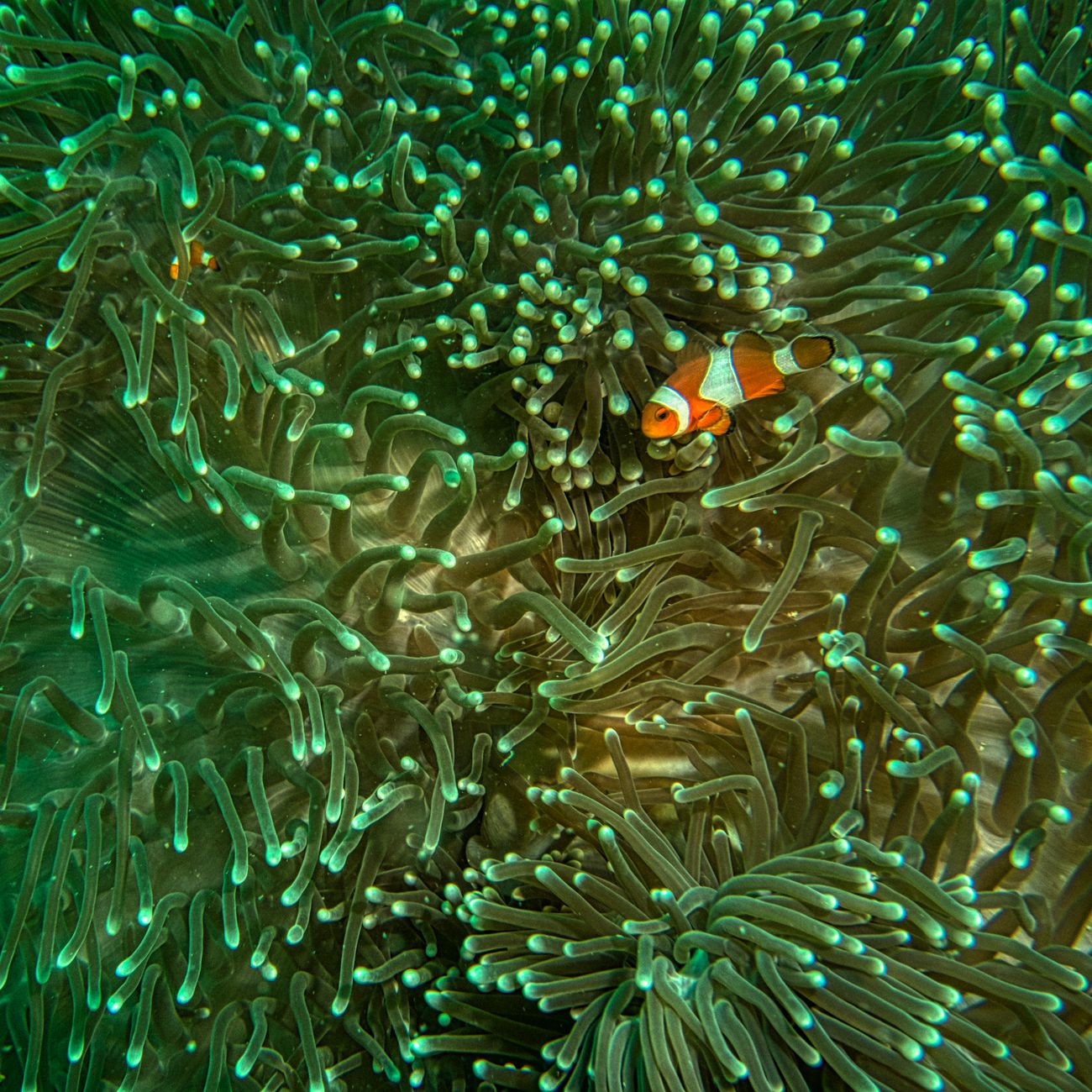
Marine biodiversity management is a critical aspect of maintaining the health of our oceans and the many ecosystems they support. The term marine biodiversity refers to the variety of plants, animals, and microorganisms that live in the ocean and the complex interactions between them. This includes everything from tiny plankton to massive blue whales, and from coral reefs to deep-sea trenches. Species richness is a key component of marine biodiversity, and it is essential to understand the different types of species that exist in the ocean and their roles in maintaining the balance of the ecosystem.
One of the most significant challenges facing marine biodiversity management is the impact of human activities on the ocean. These activities include overfishing, pollution, coastal development, and climate change, all of which can have devastating effects on marine ecosystems. For example, overfishing can lead to the depletion of fish populations, which can have cascading effects on the entire ecosystem. Similarly, pollution from land-based activities can harm marine life and damage habitats, while coastal development can lead to the destruction of critical habitats such as mangroves and coral reefs.
In order to effectively manage marine biodiversity, it is essential to understand the ecological processes that occur in the ocean. This includes understanding the complex interactions between different species, as well as the physical and chemical processes that shape the ocean environment. For example, upwelling is an important process that brings nutrient-rich water to the surface, supporting the growth of phytoplankton and other marine life. Similarly, ocean currents play a critical role in distributing heat and nutrients around the globe, and tides can have a significant impact on coastal ecosystems.
Marine protected areas (MPAs) are an important tool for managing marine biodiversity. These areas are designated to protect a specific habitat or species, and they can provide a safe haven for marine life to thrive. MPAs can be established in a variety of locations, including coral reefs, estuaries, and open ocean areas. For example, national parks can be established to protect coastal areas and the marine life that inhabits them, while marine reserves can be designated to protect specific species or habitats.
In addition to MPAs, there are a variety of other tools and strategies that can be used to manage marine biodiversity. These include fisheries management, which involves regulating the amount of fish that can be caught and the methods used to catch them. This can help to prevent overfishing and protect vulnerable species. Similarly, coastal zone management involves regulating development and other human activities in the coastal zone to minimize their impact on the environment.
Climate change is a significant threat to marine biodiversity, and it is essential to understand the impacts of climate change on the ocean. This includes warming of the ocean, which can cause coral bleaching and other changes to marine ecosystems. It also includes acidification, which can harm marine life, especially organisms with calcium carbonate shells, such as corals and shellfish. Furthermore, sea level rise can lead to the loss of coastal habitats and the displacement of marine species.
To address the impacts of climate change on marine biodiversity, it is essential to develop adaptation strategies. These strategies can include restoration of degraded habitats, such as coral reefs and mangroves, as well as assisted migration of species to new areas. It is also important to monitor the impacts of climate change on marine ecosystems and to develop early warning systems to alert managers to potential problems.
The ocean's role in the global carbon cycle is also critical to understanding marine biodiversity management. The ocean absorbs a significant amount of carbon dioxide from the atmosphere, which helps to regulate the Earth's climate. However, this can also lead to acidification of the ocean, which can harm marine life. Additionally, the ocean plays a critical role in the global nutrient cycle, with nutrients such as nitrogen and phosphorus being essential for the growth of marine life.
In order to manage marine biodiversity effectively, it is essential to have a good understanding of the scientific principles that underlie marine ecosystems. This includes understanding the ecological principles that govern the interactions between different species, as well as the physical principles that shape the ocean environment. For example, primary production is the process by which phytoplankton convert sunlight into energy, which supports the entire marine food web.
Marine biodiversity management also involves stakeholder engagement, which includes working with a variety of different groups, including fishermen, coastal communities, and other users of the ocean. This can help to ensure that management decisions are inclusive and take into account the needs and concerns of all stakeholders. Additionally, education and outreach are critical components of marine biodiversity management, as they can help to raise awareness of the importance of marine conservation and the impacts of human activities on the ocean.
The precautionary principle is an important concept in marine biodiversity management, which involves taking a cautious approach to management decisions in the face of uncertainty. This can help to prevent irreversible harm to marine ecosystems and ensure that management decisions are sustainable in the long term. Similarly, the ecosystem approach involves managing marine ecosystems as a whole, rather than focusing on individual species or habitats. This can help to maintain the integrity of marine ecosystems and ensure that they continue to provide a range of ecosystem services, including fisheries, coastal protection, and tourism.
In terms of implementation, marine biodiversity management can be achieved through a variety of different approaches, including regulatory approaches, such as laws and regulations, as well as voluntary approaches, such as certification and eco-labeling. Additionally, economic incentives can be used to promote sustainable practices, such as fishing quotas and marine protected areas. It is also important to monitor and evaluate the effectiveness of management decisions, in order to make adjustments and improvements over time.
The global context of marine biodiversity management is also critical to understanding the challenges and opportunities facing the ocean. This includes international agreements, such as the United Nations Convention on the Law of the Sea, as well as regional initiatives, such as the European Union's Marine Strategy Framework Directive. Additionally, global organizations, such as the Food and Agriculture Organization of the United Nations, play a critical role in promoting sustainable marine management and providing technical assistance to countries.
In order to address the complexity of marine biodiversity management, it is essential to take a holistic approach, which involves considering the social, economic, and environmental aspects of management decisions. This can help to ensure that management decisions are sustainable and equitable, and that they take into account the needs and concerns of all stakeholders. Additionally, collaboration and partnership are critical components of marine biodiversity management, as they can help to leverage resources, share knowledge, and promote collective action.
The human dimension of marine biodiversity management is also critical to understanding the challenges and opportunities facing the ocean. This includes social impacts, such as the effects of management decisions on coastal communities and the livelihoods of people who depend on the ocean. It also includes cultural values, such as the importance of the ocean for recreation, tourism, and spiritual practices. Additionally, economic benefits are a critical component of marine biodiversity management, as they can help to promote sustainable practices and provide incentives for conservation.
In terms of challenges, marine biodiversity management faces a range of barriers, including lack of awareness and understanding of the importance of marine conservation, as well as limited resources and capacity to implement management decisions. Additionally, conflicting interests and competing demands on the ocean can make it difficult to achieve management objectives. However, by working together and taking a collaborative approach, it is possible to overcome these challenges and promote sustainable marine management.
The future of marine biodiversity management is critical to ensuring the long-term health and sustainability of the ocean. This includes innovative approaches, such as the use of new technologies and emerging trends, such as the blue economy and ocean-based renewable energy. Additionally, international cooperation and global governance are critical components of marine biodiversity management, as they can help to promote collective action and address the global challenges facing the ocean.
In order to promote sustainable development and poverty reduction, it is essential to take a pro-poor approach to marine biodiversity management. This can help to ensure that management decisions are equitable and take into account the needs and concerns of all stakeholders, particularly those who are most vulnerable to the impacts of environmental degradation. Additionally, capacity building and institutional strengthening are critical components of marine biodiversity management, as they can help to build the skills and knowledge needed to implement management decisions.
The role of science in marine biodiversity management is also critical to understanding the challenges and opportunities facing the ocean. This includes research and development, which can help to improve our understanding of marine ecosystems and the impacts of human activities on the ocean. Additionally, monitoring and evaluation are critical components of marine biodiversity management, as they can help to track the effectiveness of management decisions and identify areas for improvement.
In terms of policy and legislation, marine biodiversity management is governed by a range of international agreements and national laws. These include the United Nations Convention on the Law of the Sea, as well as national legislation such as the Marine Mammal Protection Act and the Endangered Species Act. Additionally, regional initiatives and local policies can play a critical role in promoting sustainable marine management and protecting the ocean.
The economic benefits of marine biodiversity management are also significant, and can include job creation and income generation from sustainable fisheries and tourism. Additionally, ecosystem services such as coastal protection and water filtration can provide significant economic benefits, as well as recreational values such as swimming and surfing. However, these benefits can only be realized if the ocean is managed sustainably and responsibly, and if the impacts of human activities on the ocean are minimized.
In order to achieve sustainable development and poverty reduction, it is essential to take a holistic approach to marine biodiversity management. This can help to ensure that management decisions are equitable and take into account the needs and concerns of all stakeholders, particularly those who are most vulnerable to the impacts of environmental degradation. Additionally, international cooperation and global governance are critical components of marine biodiversity management, as they can help to promote collective action and address the global challenges facing the ocean.
The importance of coral reefs in marine biodiversity management cannot be overstated, as they provide a range of ecosystem services including fisheries, coastal protection, and tourism. However, coral reefs are also vulnerable to the impacts of climate change, pollution, and overfishing, and require special protection and management. Additionally, mangroves and seagrasses are also critical components of marine ecosystems, providing habitat for a range of species and protecting coastlines from erosion.
In terms of management tools, marine biodiversity management can be achieved through a range of different approaches, including marine protected areas, fisheries management, and coastal zone management. Additionally, education and outreach are critical components of marine biodiversity management, as they can help to raise awareness of the importance of marine conservation and the impacts of human activities on the ocean.
The role of stakeholders in marine biodiversity management is also critical, as they can help to provide input and feedback on management decisions. This includes fishermen, coastal communities, and other users of the ocean, who can provide valuable insights into the social, economic, and environmental impacts of management decisions. Additionally, international organizations and non-governmental organizations can play a critical role in promoting sustainable marine management and providing technical assistance to countries.
In order to promote sustainable development and poverty reduction, it is essential to take a pro-poor approach to marine biodiversity management. This can help to ensure that management decisions are equitable and take into account the needs and concerns of all stakeholders, particularly those who are most vulnerable to the impacts of environmental degradation. Additionally, capacity building and institutional strengthening are critical components of marine biodiversity management, as they can help to build the skills and knowledge needed to implement management decisions.
The future of the ocean is critical to ensuring the long-term health and sustainability of the planet. This includes addressing the impacts of climate change, promoting sustainable fisheries and aquaculture, and protecting marine ecosystems. Additionally, international cooperation and global governance are critical components of marine biodiversity management, as they can help to promote collective action and address the global challenges facing the ocean.
Key takeaways
- Species richness is a key component of marine biodiversity, and it is essential to understand the different types of species that exist in the ocean and their roles in maintaining the balance of the ecosystem.
- Similarly, pollution from land-based activities can harm marine life and damage habitats, while coastal development can lead to the destruction of critical habitats such as mangroves and coral reefs.
- Similarly, ocean currents play a critical role in distributing heat and nutrients around the globe, and tides can have a significant impact on coastal ecosystems.
- For example, national parks can be established to protect coastal areas and the marine life that inhabits them, while marine reserves can be designated to protect specific species or habitats.
- Similarly, coastal zone management involves regulating development and other human activities in the coastal zone to minimize their impact on the environment.
- It also includes acidification, which can harm marine life, especially organisms with calcium carbonate shells, such as corals and shellfish.
- It is also important to monitor the impacts of climate change on marine ecosystems and to develop early warning systems to alert managers to potential problems.