
Avian Husbandry and Nutrition
Avian Husbandry and Nutrition are critical aspects of avian medicine that play a significant role in the health and well-being of birds. This course aims to provide a comprehensive understanding of key terms and concepts related to avian hu…
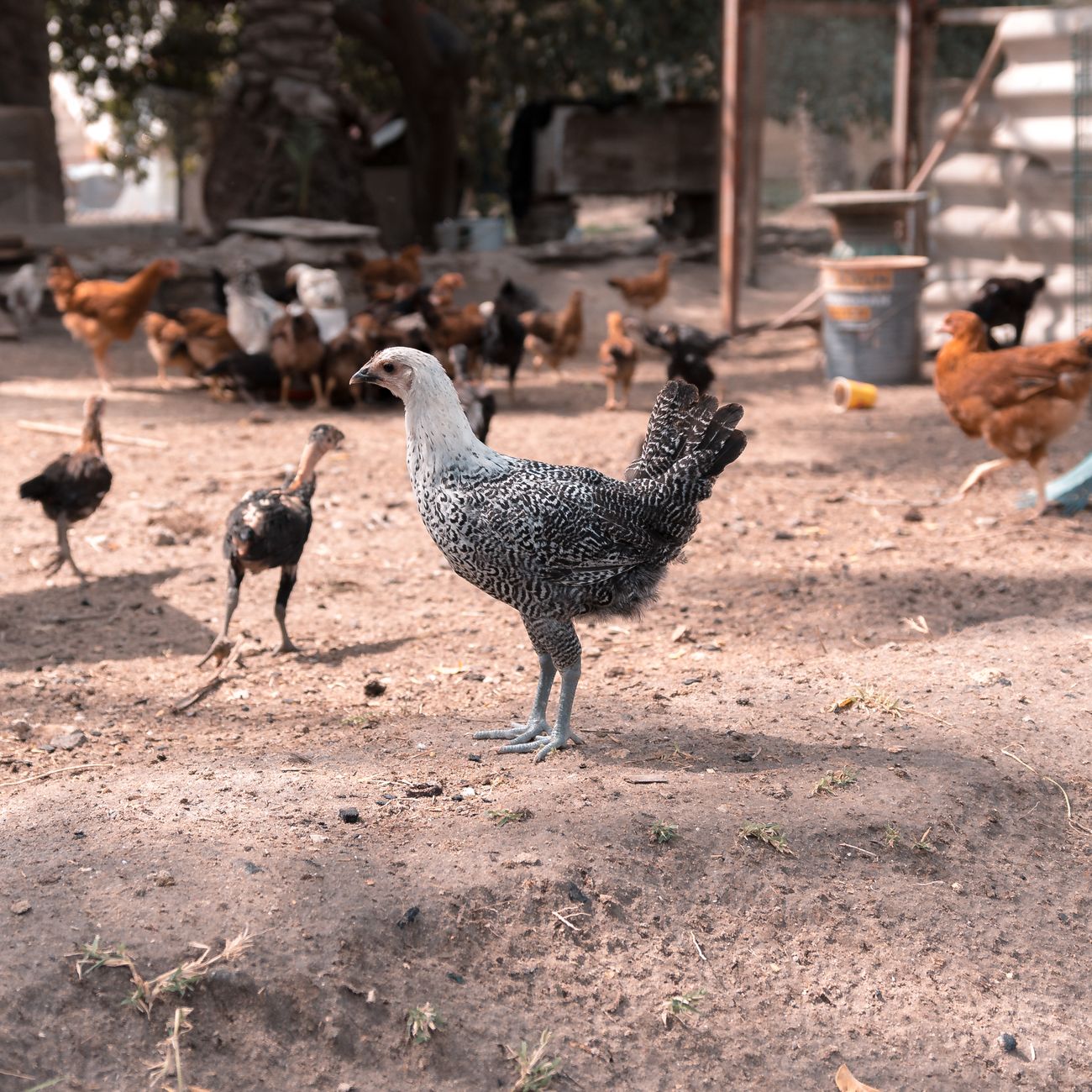
Avian Husbandry and Nutrition are critical aspects of avian medicine that play a significant role in the health and well-being of birds. This course aims to provide a comprehensive understanding of key terms and concepts related to avian husbandry and nutrition to equip professionals with the knowledge and skills necessary to care for avian patients effectively.
Avian Husbandry:
1. **Enclosure**: The physical environment in which birds are housed is known as an enclosure. It includes cages, aviaries, or any other structure where birds are kept. Enclosures should provide adequate space, ventilation, lighting, and temperature control to meet the specific needs of the bird species.
2. **Enrichment**: Enrichment refers to the provision of stimuli or activities that promote natural behaviors and mental stimulation in birds. Enrichment can include toys, perches, foraging opportunities, and social interactions to prevent boredom and behavioral problems.
3. **Biosecurity**: Biosecurity measures are essential to prevent the spread of diseases among birds. This includes protocols for controlling access to the facility, disinfection procedures, and quarantine practices to minimize the risk of disease transmission.
4. **Handling and Restraint**: Proper handling and restraint techniques are crucial for minimizing stress and avoiding injuries to birds during physical examinations, treatments, or procedures. Training in gentle handling methods is essential for all personnel working with avian patients.
5. **Nutritional Management**: Providing a balanced diet is essential for maintaining the health of birds. Nutritional management includes selecting appropriate foods, supplements, and feeding schedules based on the species' specific dietary requirements.
6. **Behavioral Observation**: Monitoring the behavior of birds is important for assessing their health and well-being. Changes in behavior, such as decreased activity, aggression, or abnormal vocalizations, can indicate underlying health issues that require attention.
7. **Environmental Enrichment**: Environmental enrichment is the practice of providing a stimulating environment that encourages natural behaviors in captive birds. This can include the introduction of toys, perches, and foraging opportunities to prevent boredom and improve welfare.
8. **Zoonotic Diseases**: Zoonotic diseases are infections that can be transmitted from animals to humans. It is important to be aware of zoonotic diseases in avian species to prevent potential health risks for both birds and humans.
Avian Nutrition:
1. **Macronutrients**: Macronutrients are the essential nutrients required by birds in large quantities for growth, energy, and maintenance. These include proteins, carbohydrates, and fats, which provide the building blocks for the body and energy for metabolic processes.
2. **Micronutrients**: Micronutrients are essential vitamins and minerals that birds require in small quantities to maintain proper physiological functions. These include vitamins A, D, E, and K, as well as minerals such as calcium, phosphorus, and iron.
3. **Protein**: Protein is a crucial component of the avian diet, as it provides essential amino acids necessary for growth, tissue repair, and immune function. Birds have specific protein requirements based on their species, age, and activity level.
4. **Carbohydrates**: Carbohydrates are a source of energy for birds and can come from sources such as grains, fruits, and vegetables. It is important to provide carbohydrates in moderation to prevent obesity and metabolic disorders.
5. **Fats**: Fats are a concentrated source of energy for birds and play a crucial role in maintaining healthy skin, feathers, and reproductive functions. Essential fatty acids, such as omega-3 and omega-6, must be included in the diet to support overall health.
6. **Vitamins**: Vitamins are essential for various physiological functions in birds, including vision, bone health, and immune system support. Vitamin deficiencies can lead to serious health problems, so it is important to provide a balanced diet rich in vitamins.
7. **Minerals**: Minerals are essential for bone formation, muscle function, and overall health in birds. Calcium, phosphorus, and iron are particularly important minerals that must be included in the diet to prevent deficiencies and maintain optimal health.
8. **Water**: Water is a vital nutrient for birds and is essential for digestion, temperature regulation, and overall health. Birds should have access to clean, fresh water at all times to prevent dehydration and maintain proper hydration levels.
9. **Digestive System**: The avian digestive system is unique and adapted to process a variety of foods efficiently. Understanding the anatomy and function of the digestive system is crucial for designing appropriate diets and preventing digestive disorders in birds.
10. **Feeding Strategies**: Feeding strategies for birds can vary based on species, age, and health status. It is important to consider factors such as feeding frequency, portion sizes, and food presentation to ensure that birds receive adequate nutrition and maintain a healthy weight.
11. **Specialized Diets**: Some birds may require specialized diets due to health conditions, breeding, or other factors. These diets may include hand-feeding formulas, pellet diets, or prescription diets formulated to meet specific nutritional needs.
12. **Nutritional Disorders**: Nutritional disorders can occur in birds due to deficiencies or imbalances in their diet. Common nutritional disorders include obesity, vitamin deficiencies, and metabolic bone disease, which can have serious consequences on the bird's health if not addressed promptly.
13. **Food Safety**: Ensuring food safety is essential to prevent contamination and spoilage of bird diets. Proper storage, handling, and preparation of food are critical to avoid foodborne illnesses and maintain the nutritional quality of the diet.
14. **Dietary Supplements**: Dietary supplements may be recommended for birds with specific nutritional needs or deficiencies. However, supplements should be used judiciously and under the guidance of a veterinarian to avoid over-supplementation and potential health risks.
In conclusion, a solid understanding of avian husbandry and nutrition is essential for providing optimal care to avian patients. By mastering key terms and concepts in these areas, professionals can ensure the health and well-being of birds under their care and contribute to the field of avian medicine.
Key takeaways
- This course aims to provide a comprehensive understanding of key terms and concepts related to avian husbandry and nutrition to equip professionals with the knowledge and skills necessary to care for avian patients effectively.
- Enclosures should provide adequate space, ventilation, lighting, and temperature control to meet the specific needs of the bird species.
- **Enrichment**: Enrichment refers to the provision of stimuli or activities that promote natural behaviors and mental stimulation in birds.
- This includes protocols for controlling access to the facility, disinfection procedures, and quarantine practices to minimize the risk of disease transmission.
- **Handling and Restraint**: Proper handling and restraint techniques are crucial for minimizing stress and avoiding injuries to birds during physical examinations, treatments, or procedures.
- Nutritional management includes selecting appropriate foods, supplements, and feeding schedules based on the species' specific dietary requirements.
- Changes in behavior, such as decreased activity, aggression, or abnormal vocalizations, can indicate underlying health issues that require attention.